
Bucket Trucks For Sale
Shop bucket trucks by lift height, chassis class, boom type, insulation, and body setup for utility, tree, sign, lighting, and municipal work.

Selling a bucket truck? List your bucket truck for sale and reach thousands of commercial buyers.
Bucket Trucks
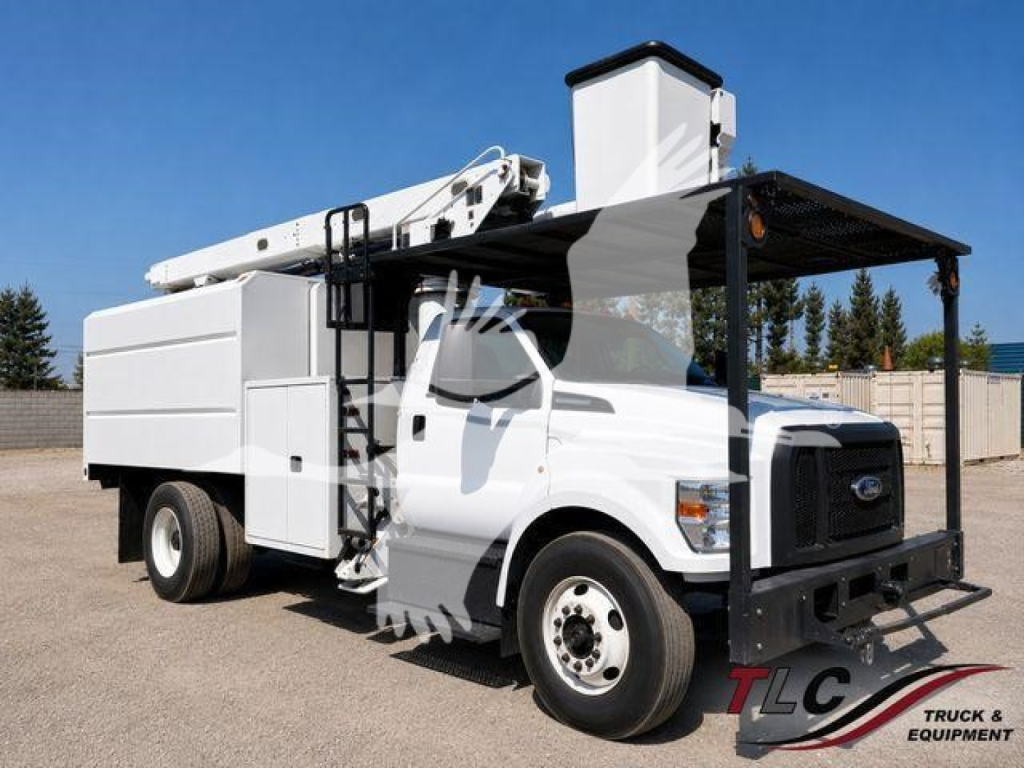
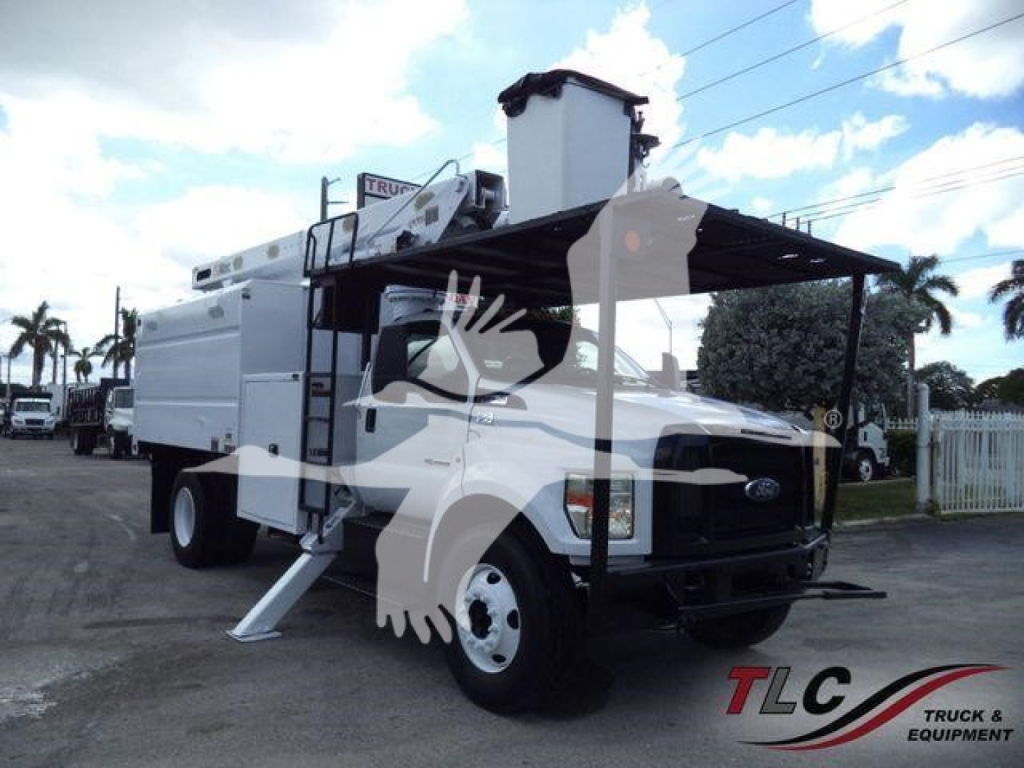
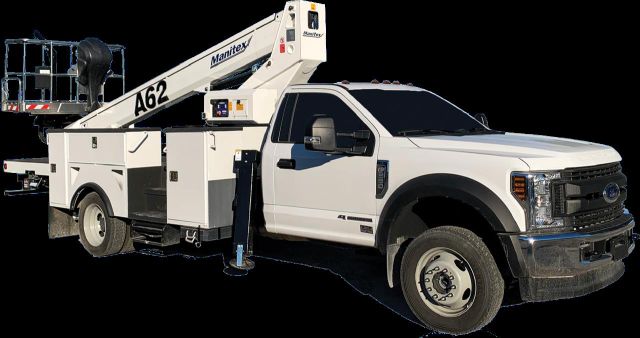
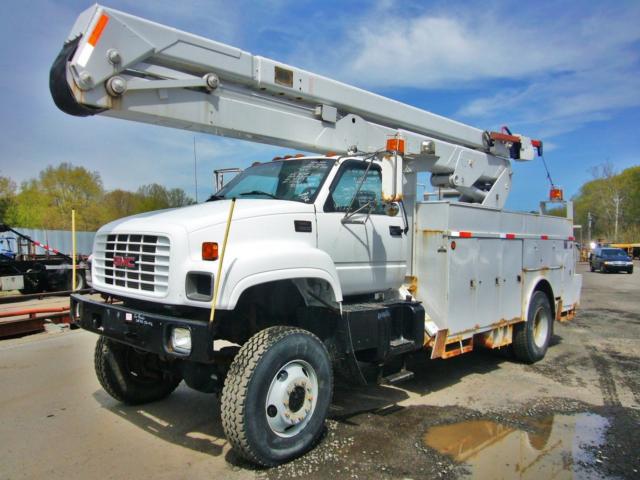
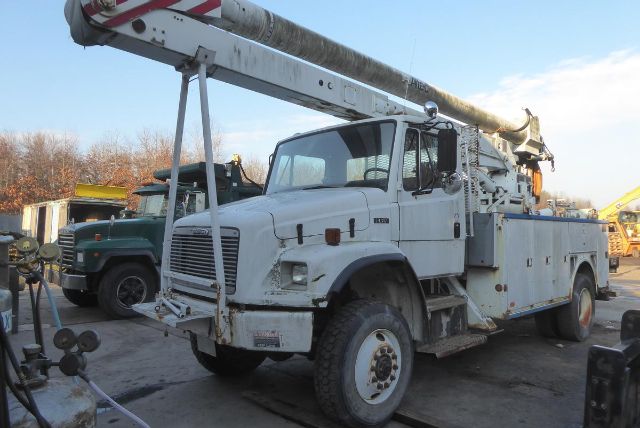
The chassis and body package drive operating cost just as much as boom specs. Lighter class 5 and class 6 bucket trucks on Ford F-550, Ram 5500, or similar platforms can be attractive when a non-CDL configuration is important, especially for sign, telecom, and streetlight fleets. Medium-duty and heavy-duty chassis such as GMC C8500, International 7400 or 7600, and Ford F-750 are better suited for larger booms, chip bodies, utility bodies, material handling packages, and higher GVWR needs. Buyers should compare wheelbase, axle ratings, outrigger spread, stowed travel height, overall length, and curb weight, since these affect bridge clearance, jobsite access, and legal payload.
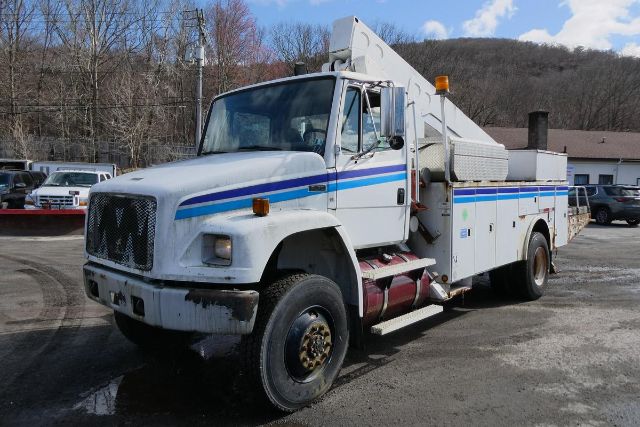
Boom design deserves close attention. Articulating booms help operators work up and over obstacles like conductors, tree canopies, and building facades. Telescopic booms are often preferred for direct reach and simpler positioning. Some trucks combine both functions, and some include basket rotation, turret rotation, or an electric or hydraulic jib winch for lifting transformers, fixtures, or sign components. For line work, an insulated boom and bucket are critical, but insulation ratings must be current and verified by testing records, not assumed from appearance. Outrigger configuration, lower controls, emergency lowering systems, PTO and hydraulic pump condition, and smooth operation through the full boom cycle are all core inspection points on a used bucket truck.
Body layout should match the trade. Utility bodies with compartment storage fit electrical and municipal service fleets. Chip bodies and rear tool storage are common in tree service. Flatbed or service body combinations can make sense for contractors who need to haul materials along with the lift. A serious buyer will also look at boom hours if available, dielectric test documentation, annual inspection records, hydraulic hose condition, structural rust around subframes and outriggers, and wear in pins, bushings, and rotation bearings. A bucket truck can be an excellent revenue-producing asset, but the right choice comes from matching reach, insulation, payload, and maneuverability to the actual work the truck will do every week.
Also known as: Aerial Lift Truck, Cherry Picker Truck, Aerial Bucket Truck
Frequently Asked Questions about Bucket Trucks
What working height should I look for in a bucket truck?
The right working height depends on the job, not just the maximum number on the spec sheet. Streetlight, sign, and telecom work often fits well in the 35 to 60 foot range, while taller utility or specialty access applications may require more reach. Buyers should also compare horizontal outreach, up-and-over capability, and basket capacity, because a truck with enough vertical height can still be inefficient if it cannot reach the work area from the available setup position.
Do I need an insulated bucket truck for electrical work?
If the truck will be used near energized lines, insulation is a major requirement. An insulated boom and platform are designed to reduce electrical conductivity, but the truck is only as reliable as its current test status and maintenance condition. Buyers should ask for dielectric testing records, ANSI inspection documentation, and confirmation that liners, boom sections, and components are in serviceable condition. Visual appearance alone is not enough to verify insulation integrity.
What is the difference between an articulating boom and a telescopic boom?
An articulating boom uses hinged sections to move up, over, and around obstacles, which is useful in tree trimming, utility work, and urban service environments. A telescopic boom extends in a straighter path and can be faster for direct access where there are fewer obstructions. Some aerial devices combine articulating and telescopic sections to improve versatility. The best choice depends on how often the operator must clear obstructions versus simply reaching upward and outward.
Can a bucket truck be operated without a CDL?
Some bucket trucks can be configured below CDL thresholds, especially lighter units on class 5 or class 6 chassis with GVWR ratings under 26,001 pounds. That said, body style, boom size, tools, fuel, and crew weight can quickly affect compliance and usable payload. Buyers should verify the truck's GVWR, actual curb weight, and expected loaded operating weight before assuming it will fit a non-CDL application.
What should I inspect first on a used bucket truck?
Start with the aerial device, hydraulic system, and structural components. Run the boom through its full range of motion, check basket and lower controls, confirm outrigger function, and inspect for leaks, jerky movement, or unusual noise. Then review service records, annual inspections, dielectric tests if applicable, and the condition of subframes, outriggers, pins, bushings, hoses, and rotation points. Chassis items like engine hours, PTO operation, brakes, tires, and axle ratings matter, but the lift system is the most category-specific and expensive part to repair.