
Bucket Trucks For Sale in Pennsylvania
Bucket trucks for sale in Pennsylvania, including utility, telecom, tree service, and sign trucks with common boom heights and chassis options.
No exact matches found for your search
Showing Bucket Trucks instead.

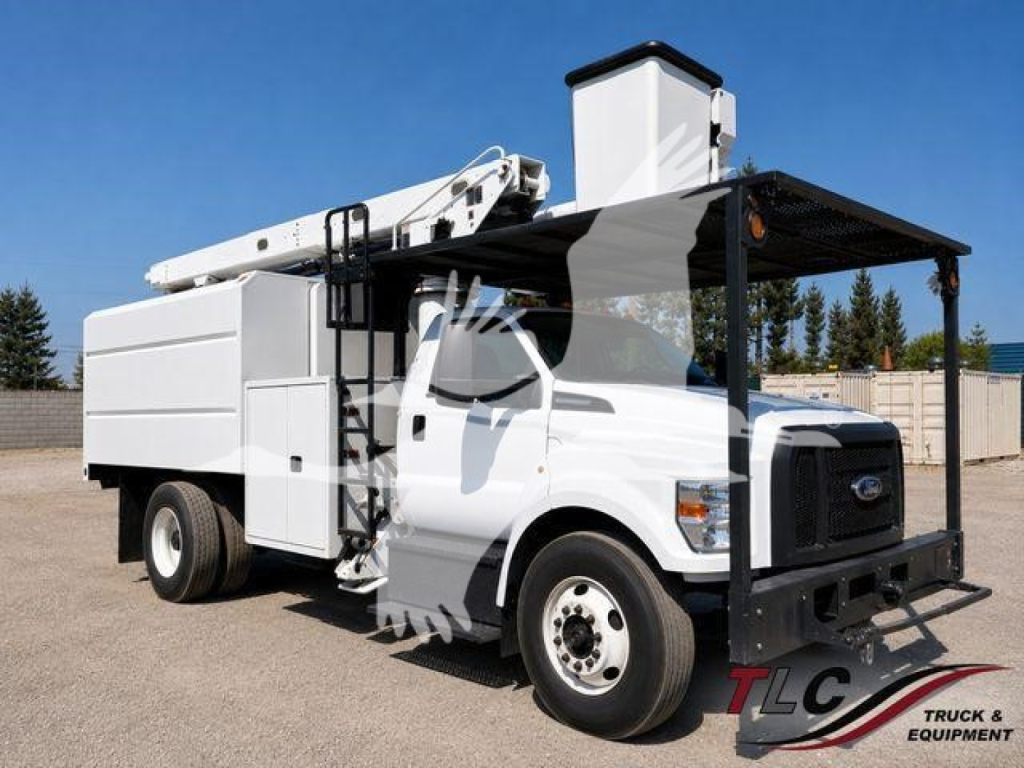
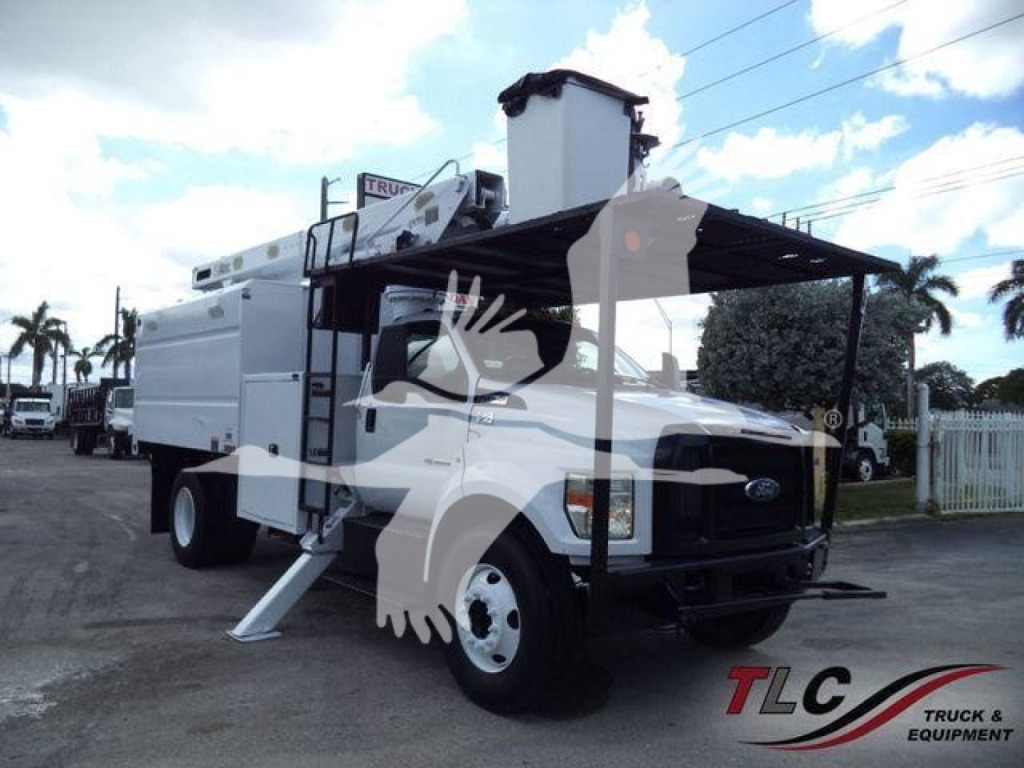
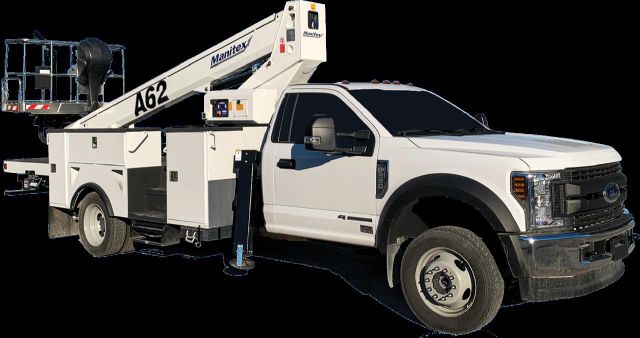
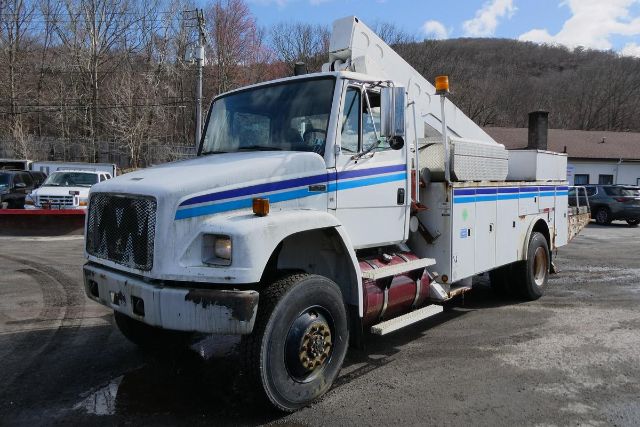
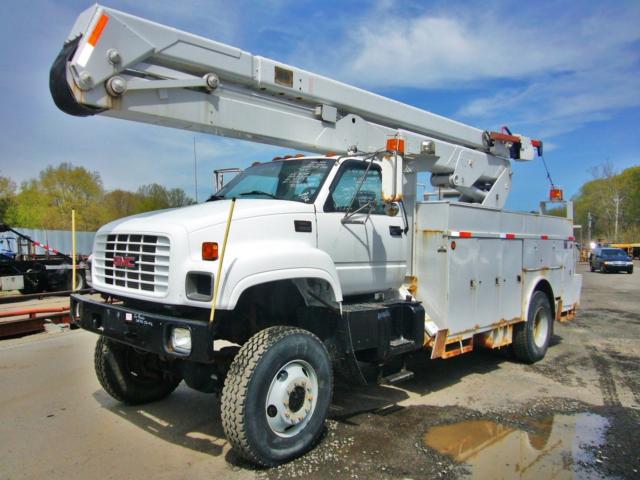
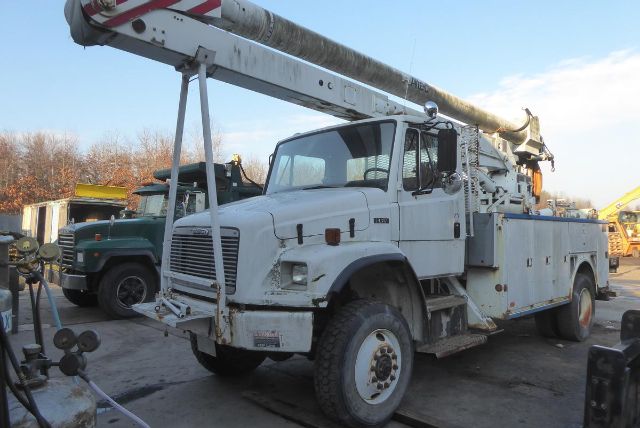
Selling a bucket truck? List your bucket truck for sale and reach thousands of commercial buyers.
Bucket Trucks in Pennsylvania
A typical used bucket truck in this class rides on a medium-duty chassis such as an International, Freightliner, Ford, or Chevrolet, usually in Class 6 through Class 8 depending on boom size and body equipment. Common boom ranges run from roughly 35 to 60 feet for municipal, cable, lighting, and general service work, while larger units can push into the 70 to 80 foot range for transmission, bridge, or specialty access jobs. Buyers should verify platform height versus working height, as advertised numbers can vary by manufacturer. Other details that matter are non-overcenter versus overcenter boom design, insulated certification status, PTO operation, hydraulic pressure consistency, basket capacity, jib rating, and the condition of turret bearings, hoses, and outriggers.
Pennsylvania use conditions make corrosion, frame condition, and hydraulic maintenance especially important. A truck that spent years around road salt should be checked carefully for rust at outrigger boxes, subframe mounts, crossmembers, cab corners, and body compartments. Fleet buyers also pay close attention to engine hours versus chassis miles, because aerial equipment wear is often driven more by idle time and PTO hours than road use. Service records for boom inspections, dielectric testing on insulated units, annual ANSI compliance checks, and hydraulic repairs can tell you more than odometer readings alone. If the truck will be used on narrow streets, soft shoulders, or hilly rights-of-way, wheelbase, GVWR, axle ratings, and outrigger spread become just as important as boom height.
The strongest bucket truck choice is the one matched to the work cycle. A lighter single-axle unit may be the better fit for city street lighting, signal maintenance, and contractor service calls. Heavier tandem or 6x6 configurations make more sense when the truck needs extra stability, off-road traction, larger booms, or material handling capability. Buyers comparing listings should look past brand names and focus on reach chart, insulation class, body storage, PTO and hydraulic response, and documentation on boom condition. Those factors usually have more impact on jobsite productivity and long-term ownership cost than paint, trim level, or low mileage alone.
Frequently Asked Questions about Bucket Trucks in Pennsylvania
What is the difference between working height and platform height on a bucket truck?
Platform height is the height of the bucket floor from the ground, while working height is a manufacturer estimate that adds roughly 6 feet for the operator’s reach. A truck listed at 60 feet of working height may have a platform height closer to 54 feet. Buyers should confirm both numbers and review the side reach chart, because usable access at elevation often matters more than the top height figure.
What should I inspect first on a used bucket truck in Pennsylvania?
Start with the boom and hydraulic system, then move to rust-prone structural areas. Check for smooth boom operation, outrigger function, leaks at control valves and hoses, basket rotation response, and any signs of chatter or drift. On the truck itself, inspect the frame, outrigger mounts, subframe, crossmembers, cab corners, and compartment floors for corrosion. In Pennsylvania, road salt exposure can shorten the service life of the chassis and body even when the aerial equipment still operates well.
Do insulated bucket trucks need special documentation?
Yes. If the truck is being used for energized utility or telecom work, dielectric testing records, insulation certification, and annual inspection documentation are important. Insulated booms must be maintained and tested to the applicable standards, and missing records can create both safety and compliance issues. Buyers should also confirm whether the boom configuration is suitable for the voltage class and job scope they intend to handle.
Are miles or hours more important on a bucket truck?
Hours are often just as important as miles, and in many cases they matter more. Bucket trucks spend long periods idling at jobsites while the PTO and hydraulic system power the aerial device. That means a low-mile truck can still have heavy wear on the boom, pump, controls, and engine from extended idle and PTO use. The best evaluation looks at odometer, engine hours, PTO hours if available, and maintenance records together.
Which bucket truck setup is best for tree service, utility, or sign work?
The right setup depends on reach, insulation needs, and material handling requirements. Tree service often benefits from higher working heights, strong side reach, and a body layout that supports tools and debris control, though many buyers in that segment also compare forestry packages and chipper body combinations. Utility work commonly requires insulated booms, secure outrigger performance, and reliable hydraulic tool capability. Sign and lighting work usually favors maneuverable single-axle chassis with enough platform capacity and storage for technicians to work efficiently in tighter areas.