
Other Trailers For Sale in Iowa
Browse other trailers for sale in Iowa, including specialty and liquid tender trailers with varied lengths, axle setups, and suspension options.
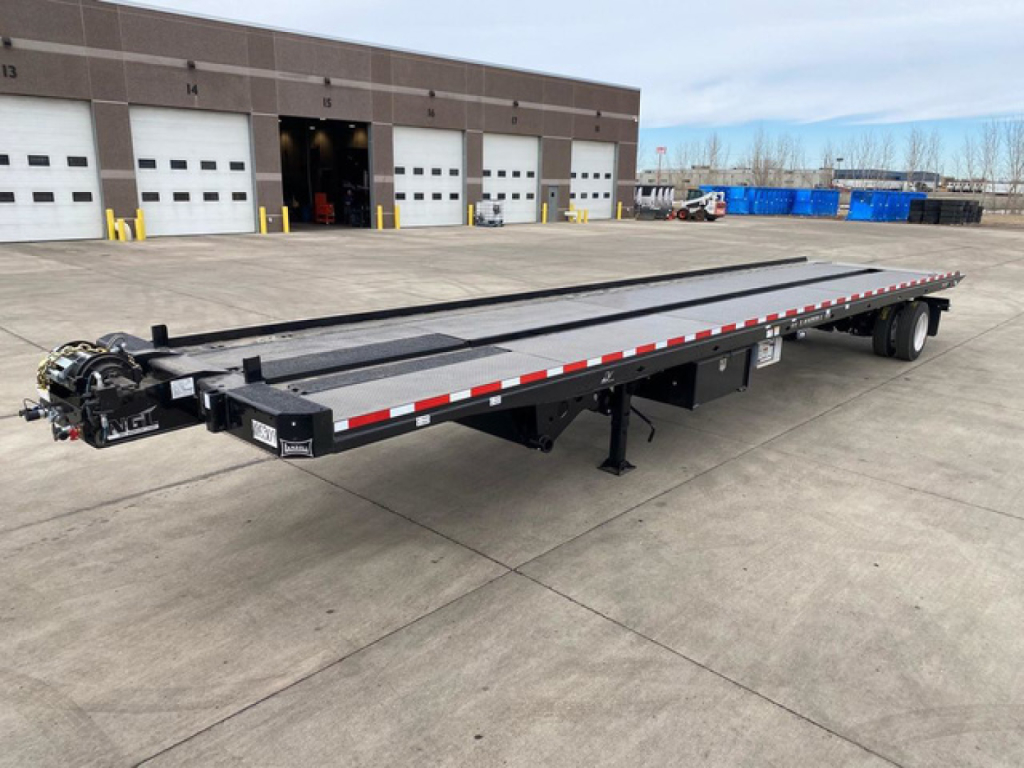
Have other trailer to sell? List it here to reach thousands of buyers.
Other Trailers in Iowa
For buyers looking at liquid tender and similar specialty trailers, capacity, trailer length, axle configuration, and running gear matter more than generic category labels. Tandem axle setups are common for balancing payload with maneuverability on farm lanes, co-op yards, and rural roads. Tire size, wheel material, and suspension type also affect operating cost and ride quality. Aluminum wheels can reduce weight and resist corrosion, while the suspension choice influences stability under load and durability on uneven surfaces. On a specialty trailer, details like plumbing access, pump provisions, hose storage, fender clearance, and frame protection can make a noticeable difference in day-to-day use.
Iowa buyers typically pay close attention to seasonal uptime, ease of cleaning, and compatibility with the products being hauled. If the trailer will handle liquid fertilizer or crop chemicals, inspect tank materials, valve quality, plumbing layout, and any transfer components for serviceability and chemical resistance. If it will spend time in the field, consider ground clearance, load distribution, and how easily the trailer can be positioned around nurse tanks, sprayers, and loading areas. On-road use adds another layer, including lighting, brake condition, tire age, and compliance with the trailer's intended weight class.
Because this is a broad category, comparing listings side by side is important. Look beyond the title and focus on the trailer's actual job, rated capacity, dimensions, suspension, axle spacing, and any installed options. Specialty trailers can be highly productive when matched correctly to the operation, but they are less forgiving if the spec is off. A buyer who starts with application, payload, product compatibility, and route conditions will usually narrow the field quickly and end up with a trailer that fits both the workload and the season.
Frequently Asked Questions about Other Trailers in Iowa
What is included in the other trailer category?
The other trailer category usually includes specialty trailers that do not fit standard commercial classes such as flatbed, van, lowboy, hopper, or conventional tanker. Common examples include liquid tender trailers, custom agricultural support trailers, transfer trailers, and niche industrial units built for a specific hauling or service task. The best way to evaluate one is by its intended application rather than the category name alone.
What should I check first on a liquid tender or specialty trailer?
Start with the trailer's actual function, capacity, and compatibility with the product being hauled. Then review length, axle setup, suspension, tires, wheels, plumbing, valves, and any pump or transfer provisions. For liquid service, condition of the tank, hoses, fittings, and seals is critical because downtime often comes from leaks, contamination, or hard-to-service components rather than the chassis itself.
Are tandem axles the right choice for a specialty trailer?
Tandem axles are a common choice because they provide a useful balance of payload support, stability, and maneuverability. They often work well in farm applications and mixed yard-to-road service where the trailer needs to carry substantial weight without becoming difficult to place in tight areas. The right axle configuration still depends on gross weight, terrain, tire loading, and how often the trailer will operate on uneven ground or soft surfaces.
Why do suspension and wheel specifications matter on an other trailer?
Suspension and wheel specifications directly affect durability, ride control, maintenance cost, and payload efficiency. A suspension that handles rough approaches and uneven field entrances can reduce stress on the frame, tank, and plumbing. Wheel type also matters because aluminum wheels can save weight and resist corrosion, while the tire and wheel package must be matched to the trailer's load rating and operating environment.
How do Iowa operating conditions affect specialty trailer selection?
Iowa buyers often need a trailer that can handle a mix of highway travel, gravel roads, co-op lots, and field-adjacent work during tight seasonal windows. That makes reliability, easy service access, corrosion resistance, and stable handling under load especially important. A trailer that is well-suited to regional agricultural use will usually have practical clearance, durable running gear, and components that can be cleaned and maintained quickly between jobs.