
Used Wabash Van Trailers For Sale in Ohio
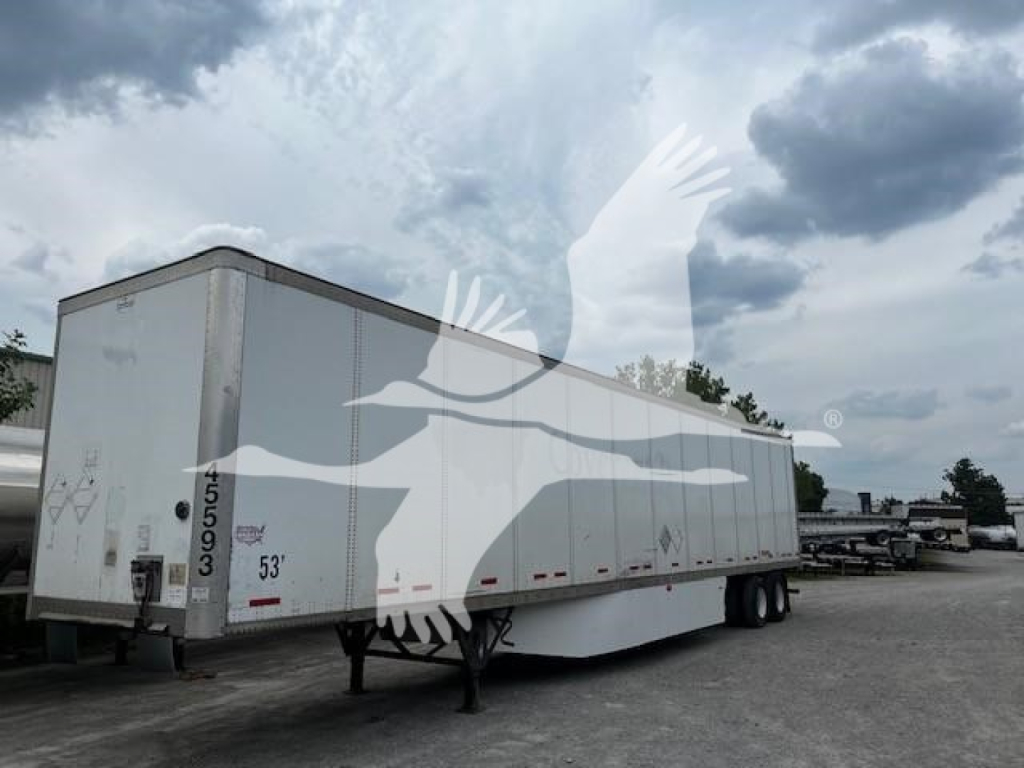
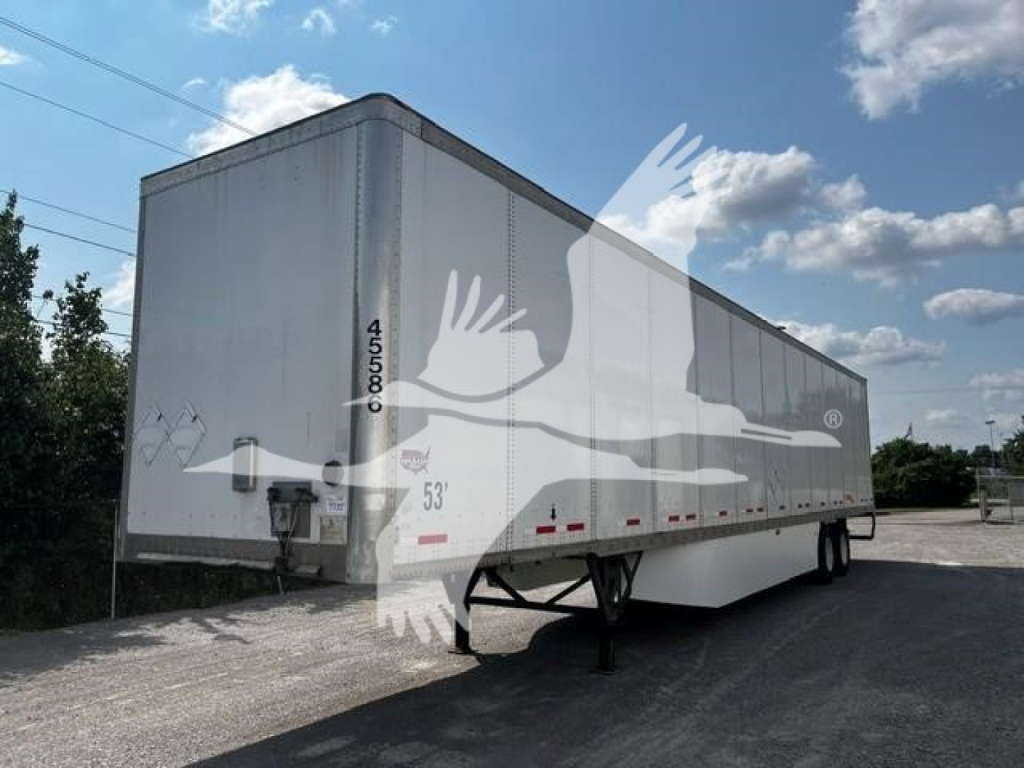
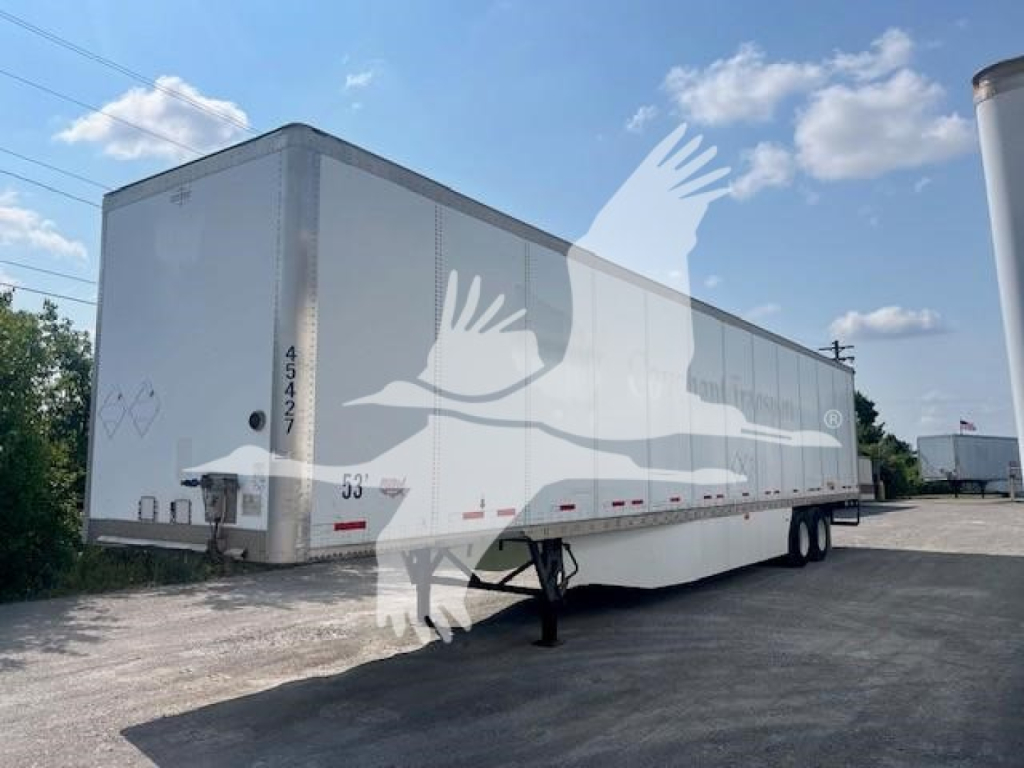
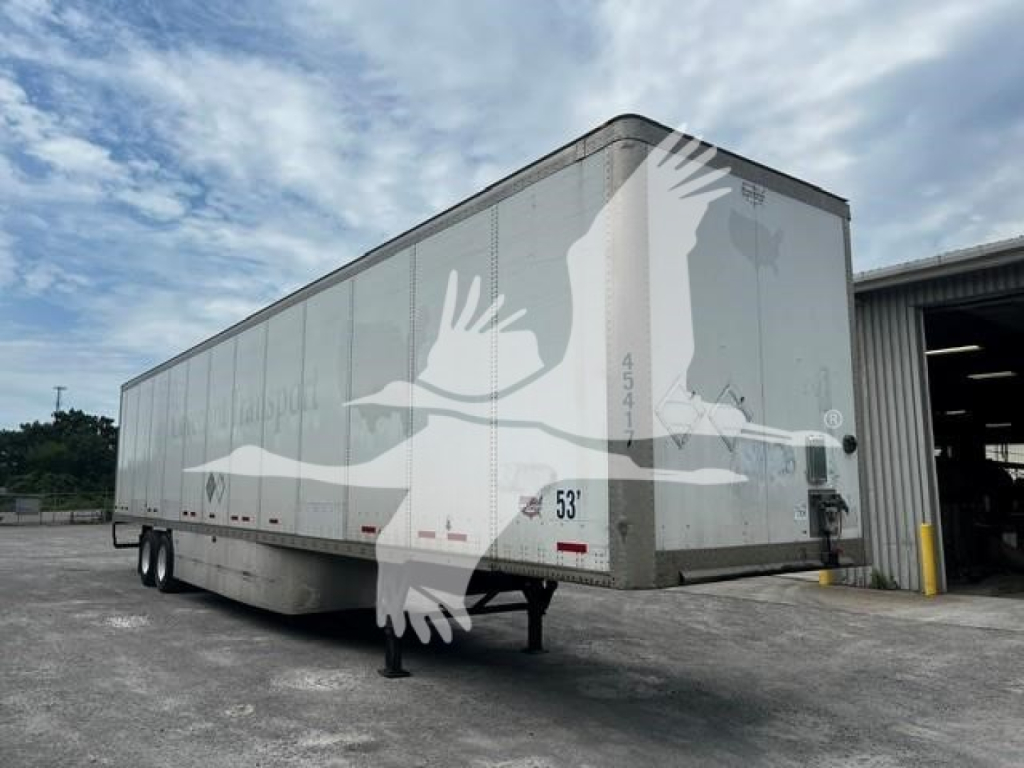
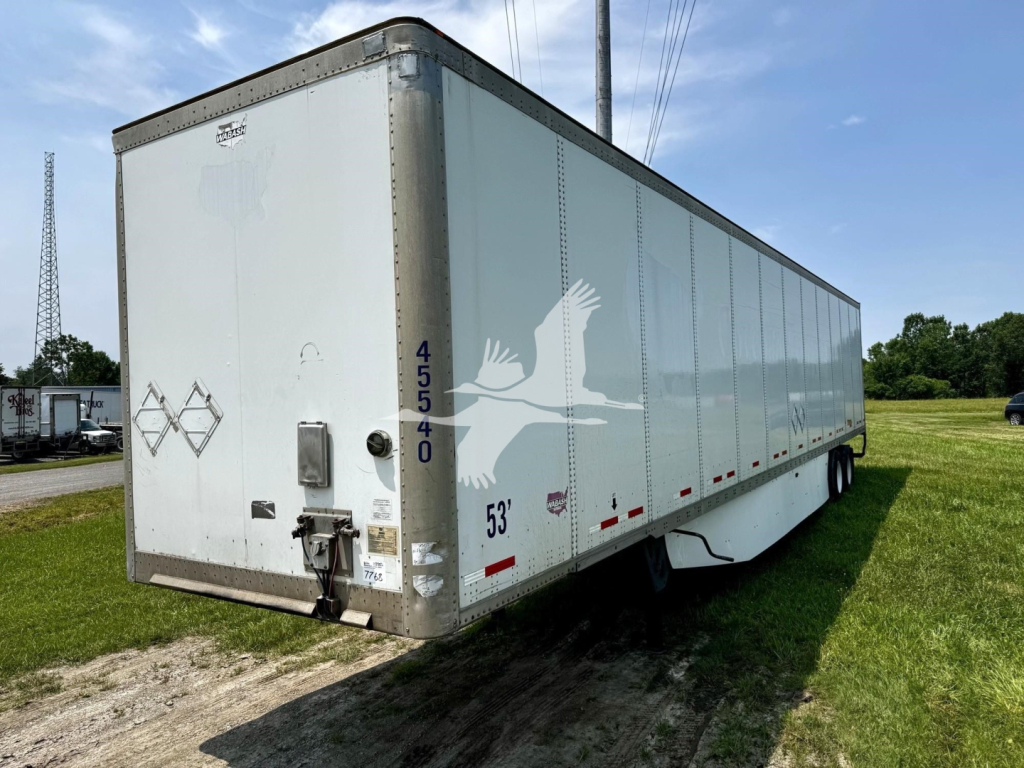
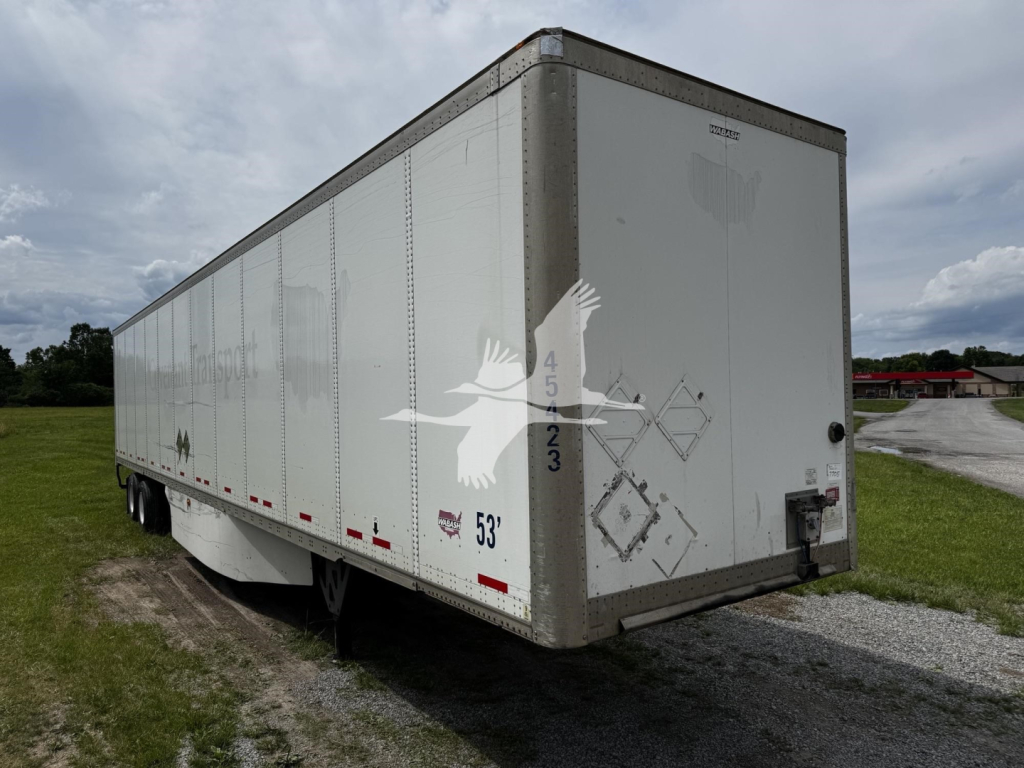
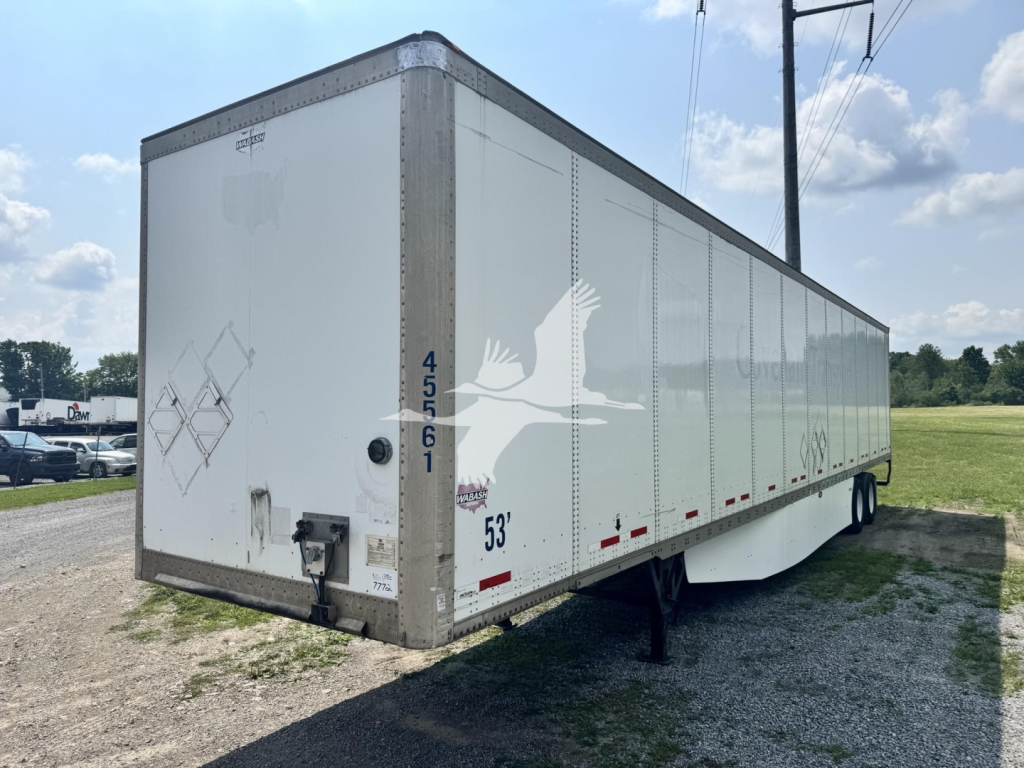
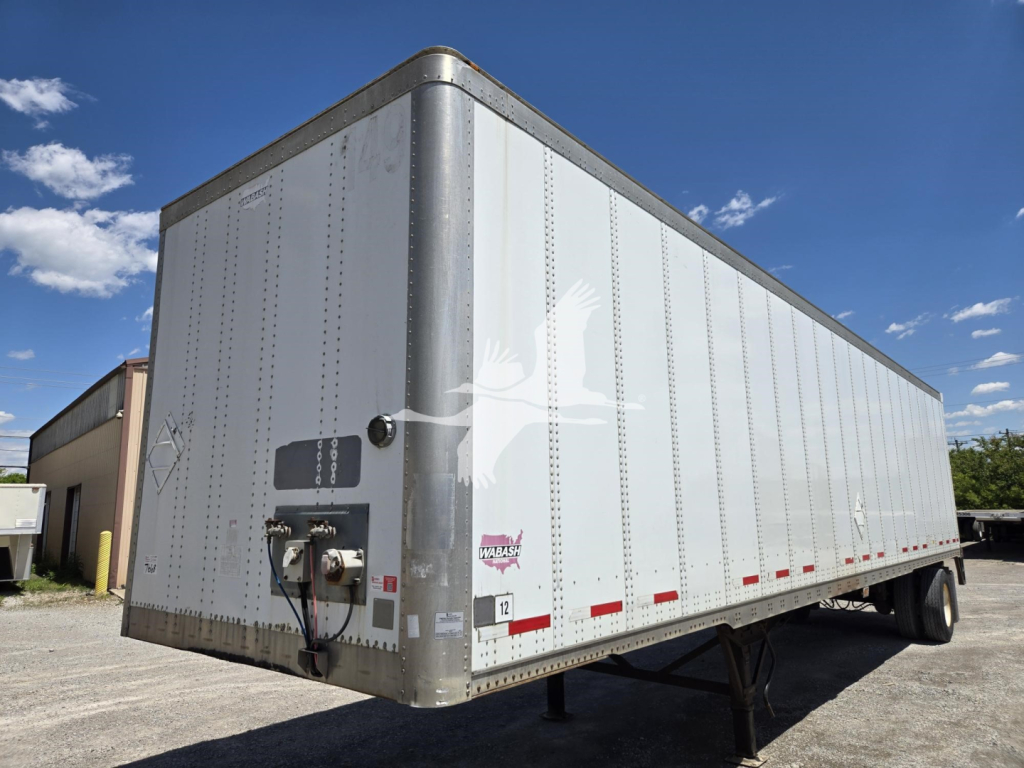
Have used wabash van trailer to sell? List it here to reach thousands of buyers.
Used Wabash Van Trailers in Ohio
A lot of used Wabash dry vans in this class are built with logistics posts, wood floors, steel scuff liners, aluminum roofs, and swing rear doors. That setup works well for mixed dock freight because it balances repairability with everyday cargo protection. Common interior dimensions are around 100 inches wide and roughly 110 inches high, which matters if you are loading standard 48-inch pallets two-wide or maximizing cube on lighter freight. Buyers should pay close attention to rear frame condition, threshold wear, roof integrity, and floor life, especially near the doors, forklift travel paths, and along the scuff line.
Suspension and undercarriage details can change operating costs more than buyers expect. Many used Wabash van trailers are spec'd with spring ride, though some shorter or specialized units may have air ride, fixed axles, or liftgates. Check tandem slide operation, crossmember spacing, kingpin setting, landing gear condition, brake life, tire size, wheel type, and any signs of corrosion on galvanized or painted rear structures. In a used trailer, swing doors versus roll-up doors also matter. Swing doors usually preserve full rear opening height and are common for dock work, while roll-up doors can be useful in urban delivery applications but add maintenance points.
If the trailer will stay in dense regional service, focus on structural condition and dock-related wear before cosmetics. If it will run long haul, prioritize tires, brakes, alignment, suspension condition, and any signs of prior wall or roof repairs that could affect uptime. Wabash van trailers are also commonly referred to as dry van trailers, enclosed van trailers, or box trailers, and the best unit is usually the one with a clean floor, straight rails, solid doors, and a suspension spec that matches your freight and lanes.
Frequently Asked Questions about Used Wabash Van Trailers in Ohio
What are the most common specs on a used Wabash van trailer?
The most common configuration is a 53-foot dry van with 102-inch width, 13-foot 6-inch overall height, tandem axles, a sliding tandem suspension, wood floor, logistics posts, and swing rear doors. Many units also have steel scuff liners, aluminum roofs, galvanized rear frames or bumpers, and two-speed landing gear. Interior width is often about 100 inches, which supports standard palletized freight.
What should I inspect first on a used Wabash dry van trailer?
Start with the floor, roof, rear frame, doors, suspension, and tires. Floor condition tells you a lot about forklift use and overall abuse. Roof damage and patched corners can point to water intrusion. Rear frame and threshold wear are important on high-cycle dock trailers. Also inspect tandem slide function, brake condition, crossmembers, landing gear, and signs of wall repair or delamination around the scuff area.
Are Wabash van trailers good for regional freight in Ohio?
Yes. Wabash dry vans are widely used in Ohio for regional and short-to-medium haul freight because the specs are familiar, parts and service are accessible, and the trailers fit common warehouse and retail distribution work. A sliding tandem is especially useful for axle compliance and dock versatility across mixed lanes. The right choice depends more on condition and spec than on badge alone.
Is spring ride or air ride better on a used van trailer?
Spring ride is common, durable, and typically less expensive to maintain, which makes it attractive for general freight and fleet-standard applications. Air ride can provide better cargo protection and ride quality for sensitive loads, but it adds components that need inspection and upkeep. Buyers should match the suspension to the freight profile, operating terrain, and maintenance budget.
Do swing doors or roll-up doors make more sense on a dry van trailer?
Swing doors are the standard choice for most linehaul and dock freight because they provide full door opening height, seal well, and are generally easier to repair. Roll-up doors can be useful in delivery environments where dock access is tight or frequent stops are common, but they reduce clear opening height and introduce additional maintenance on tracks, springs, and panels.