
Used Trucks For Sale in Rhode Island
Have used truck to sell? List it here to reach thousands of buyers.
Used Trucks in Rhode Island
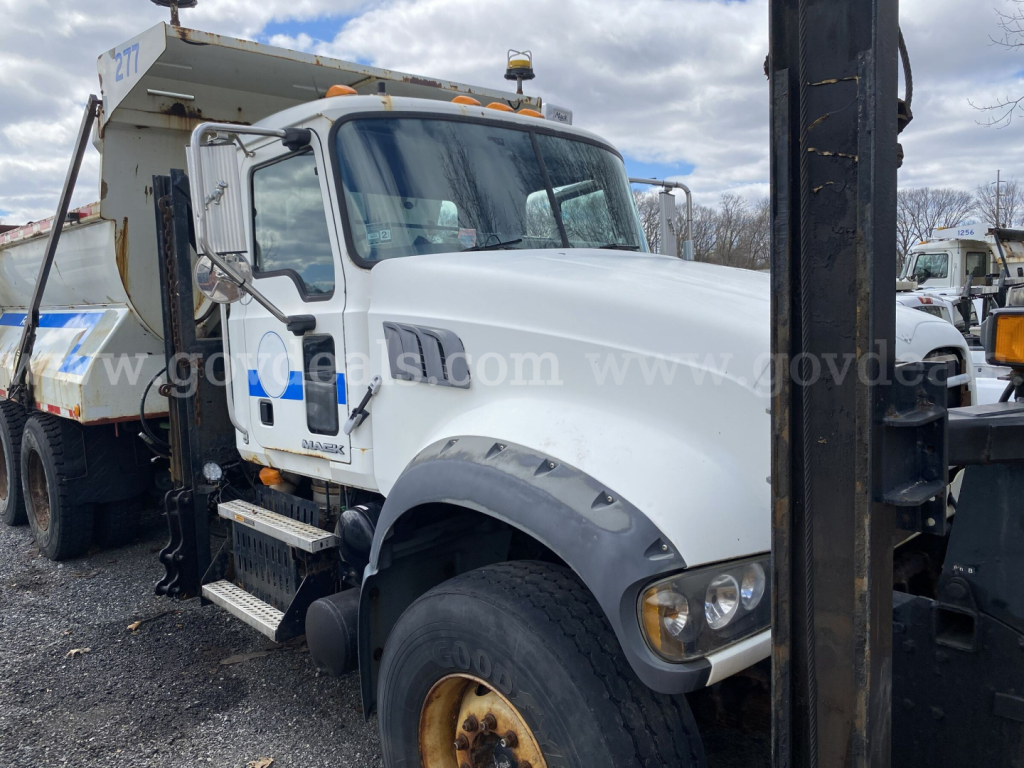
For dump trucks, pay close attention to GVWR, axle setup, suspension type, hoist condition, and body material. A tandem axle dump generally brings more legal payload and better jobsite versatility than a single axle, but it also carries higher operating cost and tighter maneuvering limits in urban areas. Buyers in Rhode Island often need a truck that can handle short-haul cycles, congested streets, transfer stations, and seasonal municipal work, so turning radius, visibility, brake condition, and corrosion matter as much as engine horsepower. Frame condition is especially important on used Northeast trucks. Road salt, coastal moisture, and winter exposure can accelerate rust on crossmembers, cab mounts, dump bodies, hydraulic lines, and electrical connections.
For used box trucks, the main questions are cube, access, and duty cycle. Common considerations include cargo body length, door type, liftgate presence, interior height, and whether the truck is equipped for local stop-and-go routes or longer regional work. A Freightliner M2, International MV, Ford F-650, or similar medium-duty platform is often chosen for serviceability and broad parts support. Buyers should also compare diesel versus gas power depending on annual mileage, idle time, and maintenance preferences. If the truck will run tight urban delivery routes around Providence or other dense areas, wheelbase, cab visibility, and dock-friendly body dimensions may be more important than top-end power.
Across all used trucks, service records, engine hours, transmission type, tire condition, brake life, PTO operation if equipped, and signs of fleet maintenance should weigh heavily in the decision. Auction units and retired municipal trucks can offer value, but they also deserve a closer inspection for deferred maintenance, missing components, inactive fault codes, and long periods out of service. A solid used truck should match the application first, then the budget. Buyers who verify frame integrity, drivetrain specs, body condition, and local registration requirements usually make the strongest purchase in this category.
Frequently Asked Questions about Used Trucks in Rhode Island
What should I look for first when buying a used truck in Rhode Island?
Start with the truck’s intended application, then verify that the chassis and body match that work. In Rhode Island, corrosion is a major factor because of winter road treatment and coastal exposure, so inspect the frame rails, crossmembers, cab mounts, brake lines, wiring, and body attachment points carefully. After that, confirm GVWR, axle ratings, engine and transmission specs, tire condition, and service history. A truck that looks acceptable cosmetically can still have expensive structural or hydraulic issues underneath.
Is a used dump truck or a used box truck a better fit for local work?
It depends on the payload and route profile. A used dump truck is built for loose material, demolition debris, paving support, landscaping, and municipal duty, with the body and hoist designed for repeated loading and unloading. A used box truck is better for protected cargo, furniture, parcel delivery, equipment transport, and service-route work. If the truck will spend most of its time on paved urban streets making frequent stops, a box truck often provides better cargo security and access. If the truck needs to carry aggregate, spoil, or bulk material, a dump truck is the clear fit.
How important is previous fleet or municipal ownership on a used truck?
Previous fleet or municipal ownership can be a positive if the truck followed a documented preventive maintenance schedule, but it should not be treated as a guarantee of condition. Government and fleet trucks may have lower miles for their age, yet they can also have high idle hours, extended periods of sitting, or deferred repairs at the end of service life. Review hour meters where available, look for maintenance documentation, and check for warning lights, fluid leaks, and PTO or body-function problems before making a decision.
What are the most important specs to compare on used trucks for sale?
The most important specs are GVWR, axle configuration, wheelbase, engine output, transmission type, suspension, brake setup, and body dimensions or body type. On a dump truck, body capacity, hoist design, tailgate style, and PTO operation are critical. On a box truck, cargo length, interior height, rear door style, and liftgate capacity are often the deciding factors. These specs determine legal payload, maneuverability, maintenance cost, and how well the truck fits the work you need it to do.
Are older used trucks still a good value for small fleets or owner-operators?
Older used trucks can still be a strong value when the truck has a sound frame, a serviceable drivetrain, and a body that does not need major reconstruction. Many buyers prefer older platforms because they can be simpler to maintain and cheaper to purchase upfront. The tradeoff is that wear items, emissions components, hydraulics, and rust-related repairs can quickly offset the lower acquisition cost. A pre-purchase inspection is especially important on older units because the best value comes from condition and specification, not model year alone.