
Used Peterbilt Cab and Chassis Trucks For Sale in Tennessee
Browse used Peterbilt cab and chassis trucks in Tennessee. Compare wheelbases, axle setups, engine options, and upfit potential by application.
Learn more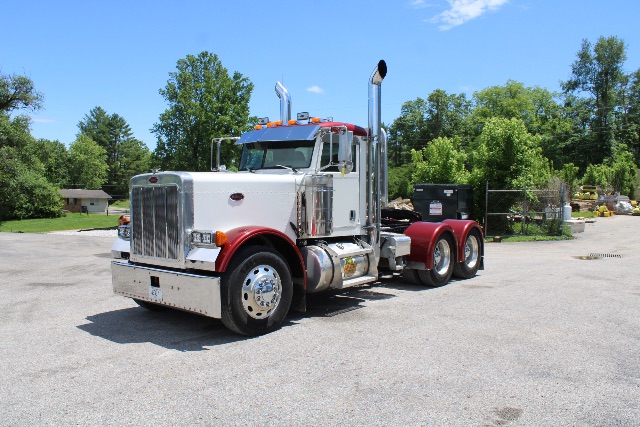
Have used peterbilt cab and chassis truck to sell? List it here to reach thousands of buyers.
About Used Peterbilt Cab and Chassis Trucks in Tennessee
Peterbilt cab and chassis models are known for durable frame rails, straightforward vocational spec options, and broad parts and service support. Buyers often look first at wheelbase, cab-to-axle dimension, rear axle rating, and whether the truck has a single or tandem drive setup. Engine and transmission choices also affect total build cost and application suitability. A heavier dump or tanker application may call for higher GVWR, locking rears, PTO capability, and a transmission spec suited for stop-and-go work, while a flatbed or service body may place more emphasis on payload balance, maneuverability, and frame length. On used units, it is also smart to inspect frame modifications, previous body mounting holes, rust around crossmembers, and any signs of hard vocational service.
Peterbilt cab and chassis trucks can range from highway-based heavy-duty models adapted for specialty work to purpose-built vocational platforms. The Peterbilt 379, for example, is best known as a long-hood conventional, but in cab and chassis form it may be used for heavy custom applications where hood style, engine access, and owner preference matter. Tennessee buyers should pay attention to terrain and route profile. Trucks working around Nashville, Knoxville, Chattanooga, or in more rural and hilly areas may benefit from the right rear ratio, brake configuration, and suspension setup for mixed highway and secondary-road use. If the truck is intended for local municipal or construction work, turning radius, suspension wear, and idle hours can be just as important as mileage.
The best used Peterbilt cab and chassis truck is the one that reduces body-install complications and fits the job without expensive rework. Check for clear frame space, proper axle spread, compatibility with your intended body manufacturer, and enough remaining capacity after the body, equipment, fuel, and passengers are accounted for. Review engine family, emissions year, transmission type, and maintenance history closely, especially on older used trucks. A well-matched Peterbilt cab and chassis can offer long service life, strong resale value, and the flexibility to build exactly the truck your operation needs.
Frequently Asked Questions
What is a cab and chassis truck used for?
A cab and chassis truck is a truck sold with the cab, frame, drivetrain, and axles in place but without a permanent work body installed. It is used as a base for equipment such as flatbeds, dump bodies, utility bodies, wreckers, tank bodies, cranes, and service trucks. Buyers choose cab and chassis configurations when they need a truck tailored to a specific commercial application rather than a factory-completed body style.
What should I check first on a used Peterbilt cab and chassis truck?
Start with wheelbase, cab-to-axle measurement, frame condition, rear axle rating, and GVWR because those specifications determine what body can be installed and how the truck will carry weight. After that, inspect engine and transmission specs, PTO provisions, suspension type, brake setup, and any prior frame drilling or modifications from an earlier body. Maintenance records, emissions components, and signs of vocational wear are also important on used trucks.
Are Peterbilt cab and chassis trucks good for vocational upfits?
Peterbilt cab and chassis trucks are widely used for vocational upfits because they offer strong frame construction, multiple axle and suspension configurations, and support for PTO-driven equipment. They are commonly selected for applications that need durability and a professional appearance, including municipal, construction, towing, utility, and oilfield work. The key is choosing a chassis spec that matches the finished body weight, equipment load, and operating conditions.
How do I choose the right wheelbase for a cab and chassis truck?
The right wheelbase depends on the body length, load distribution, turning requirements, and axle placement needed for the final build. A longer wheelbase may support a longer body and smoother weight balance, while a shorter wheelbase can improve maneuverability in tight urban or jobsite conditions. Body manufacturers usually provide recommended cab-to-axle and frame length requirements, so those dimensions should be confirmed before purchase.
Why does location in Tennessee matter when buying a used cab and chassis truck?
Tennessee operating conditions can influence the best spec for a used cab and chassis truck. Hilly terrain, mixed interstate and secondary-road use, and regional vocational work can make rear axle ratio, braking performance, suspension condition, and cooling capacity more important. Buyers should match the truck to the actual route profile and job cycle, not just the advertised horsepower or model name.