
Used Open Top Trailers For Sale
Shop used open top trailers built for top-loading freight, scrap, recyclables, and bulky cargo. Compare lengths, tarps, structure, and floor condition.
Selling a used open top trailer? List your used open top trailer for sale and reach thousands of commercial buyers.
Used Open Top Trailers
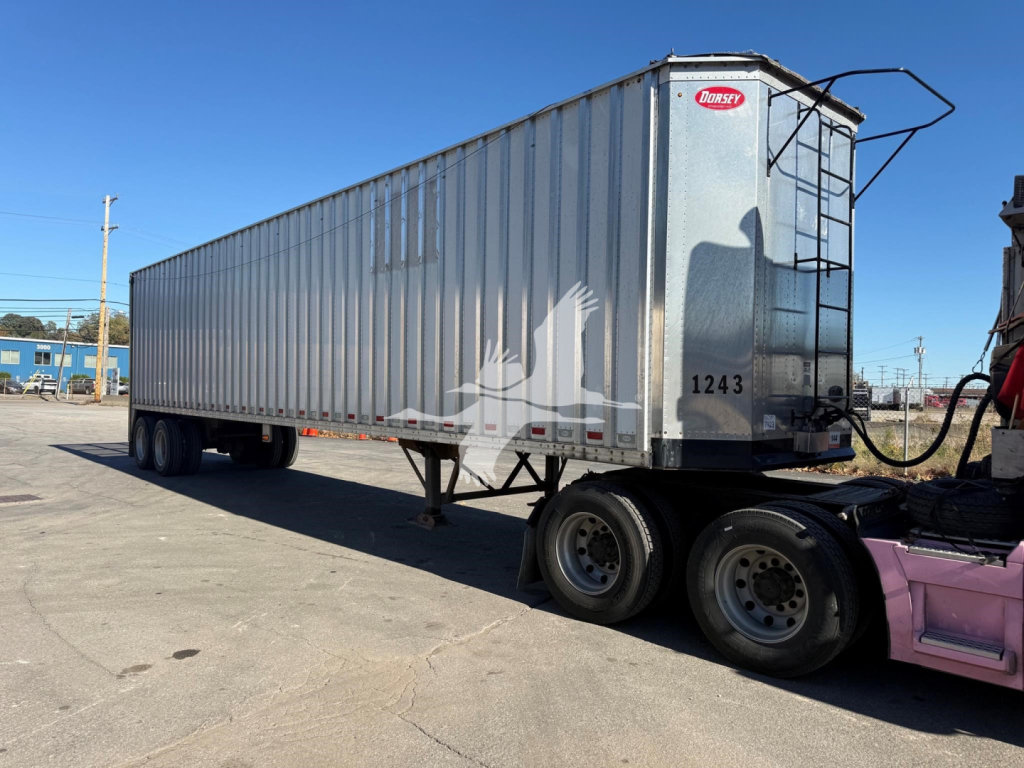
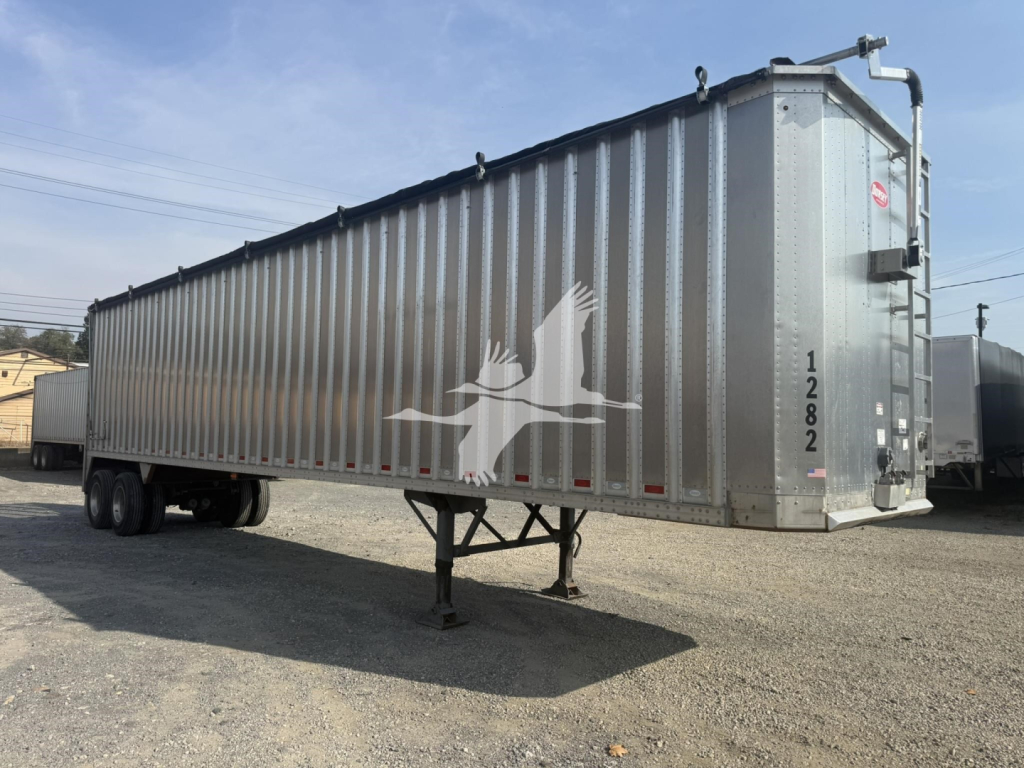
The roof opening and tarp system deserve close attention because they define how usable an open top trailer will be day to day. Roll tarps and solid tarps are both common, and condition matters as much as design. Look for tears, patching, bow damage, rail wear, and how well the tarp seals at the front and rear. Door opening height, inside height to the top rail, and post spacing also affect what can be loaded safely. Many used open top trailers have logistic posts, plywood lining, scuff liners, E-track, or reinforced nose sections, which can make a difference if the trailer will handle mixed freight instead of bulk material only.
Construction varies by application. Stainless steel side panels and rear frames can be attractive in corrosive or high-abuse environments, while aluminum side construction helps control tare weight. Wood floors remain common in this category, so floor wear, threshold plate condition, and crossmember spacing should be checked carefully, especially on older trailers that may have seen concentrated forklift traffic or heavy point loads. On the running gear side, most buyers focus on air ride suspension brand, brake percentage, tire size, wheel type, kingpin setting, slider condition, and landing gear operation. A 36-inch kingpin setting and 49-inch sliding tandem are common specs and matter for bridge compliance and weight distribution.
For a used purchase, structural condition matters more than cosmetic appearance. Inspect the top rail, side posts, roof opening frame, rear frame, door hardware, and understructure for repairs, distortion, or corrosion. Open top trailers often work in demanding environments, so signs of sidewall impact, tarp bow damage, floor soft spots, and worn scuff areas are worth pricing into the deal. If the trailer will run general freight, look for features such as full-length E-track, decent interior lining, and sound swing doors. If it will stay in scrap, recycling, or industrial service, durability of the body and ease of loading may matter more than interior finish. The best used open top trailer is the one whose opening dimensions, body material, and tarp condition match the exact loading method and cargo profile.
Frequently Asked Questions about Used Open Top Trailers
What is an open top trailer used for?
An open top trailer is used for freight that needs to be loaded from above instead of only through the rear doors. Common applications include scrap, recyclables, industrial components, palletized cargo loaded by crane, and bulky freight that is awkward to load with a forklift alone. It combines the enclosed sidewalls of a van trailer with roof access provided by a removable or rolling tarp system.
What should I inspect first on a used open top trailer?
Start with the tarp system, top rail, roof opening frame, floor, and side structure. These areas determine how well the trailer can still handle top-loading service. After that, inspect the rear doors, landing gear, slider, suspension, brakes, tires, and wheel ends like any other used trailer. On older units, floor softness, patched tarps, bent bows, and damage around the upper side rails are common trouble spots.
Are open top trailers the same as open top vans?
In many used trailer listings, the terms open top trailer and open top van are used interchangeably. Both usually describe a van-style trailer body with solid sides, rear swing doors, and an open roof covered by a tarp. The exact design can vary by manufacturer, especially in tarp hardware, post layout, lining, and body material, but the basic function is the same.
What specs matter most when comparing used open top trailers?
The most important specs are trailer length, inside height to the top rail, door opening dimensions, tarp style and condition, body material, floor type, axle configuration, suspension, tandem slide setting, and kingpin setting. Post spacing, interior lining, E-track, scuff liners, and rear frame material also matter if the trailer will handle mixed freight or repeated forklift loading. These details affect loading clearance, tare weight, durability, and compliance.
Is aluminum or stainless steel better for an open top trailer?
Neither is automatically better because the right choice depends on the job. Aluminum construction helps reduce weight and can improve payload capacity, which matters in weight-sensitive operations. Stainless steel panels or rear structures can hold up well in corrosive, abrasive, or high-abuse applications. Buyers should balance tare weight, repairability, corrosion resistance, and the type of cargo the trailer will carry.