
Used Laymor Other For Sale
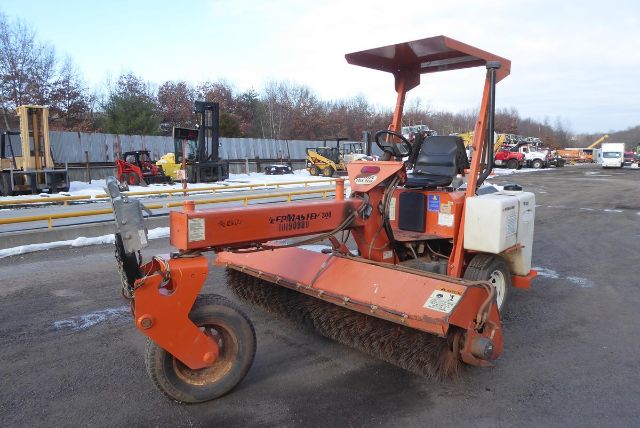
Browse used Laymor other trucking equipment, including towable sweepers and specialty support units built for pavement, site, and fleet operations.
Have used laymor other equipment to sell? List it here to reach thousands of buyers.
Used Laymor Other
On used Laymor equipment, the key buying decisions usually come down to powertrain simplicity, broom condition, water system function, and towability. Many units in this class use compact diesel engines such as Kubota industrial power, paired with hydrostatic drive systems for easy speed control and low-speed sweeping performance. Check hour meter readings against overall wear, especially on hydraulic angle broom assemblies, bearings, tires, rims, steering components, and the spray or dust-control system. If the machine is towable, confirm transport dimensions, coupler setup, lighting, tire size, and overall weight so it matches the trucks or service vehicles already in the fleet.
Application matters more than brand name alone in this category. A compact Laymor sweeper is well suited for warehouses, truck yards, equipment lots, roadside shoulder cleanup, and light municipal work where maneuverability is more important than hopper capacity. Open ROPS configurations are common on older units, so operator environment and local safety requirements should be reviewed before purchase. Width is another practical consideration. A hydraulic angle broom in the 7 to 8 foot range can cover ground efficiently while still fitting through tighter access points, fenced yards, and crowded job sites.
Because this is a specialty equipment category, condition assessment should focus on working systems rather than cosmetics. Confirm cold starts, hydrostatic response, broom lift and angle functions, water pump operation, and any signs of hydraulic leaks or frame damage. Parts support, broom segment availability, and common service items should be verified before committing, especially on older used Laymor machines. For buyers who need a simple, tow-behind cleanup unit with diesel power and low operating complexity, Laymor equipment can be a practical fit when matched to the right duty cycle.
Frequently Asked Questions about Used Laymor Other
What is Laymor other trucking equipment typically used for?
Laymor equipment in this category is typically used for surface cleanup, pavement sweeping, lot maintenance, and support work around terminals, yards, municipalities, and construction sites. These machines are not freight haulers. They are specialty support units designed to remove dirt, gravel, millings, and debris from paved areas where a compact sweeper or broom unit is more efficient than larger road maintenance equipment.
What should I inspect first on a used Laymor sweeper or broom unit?
Start with the engine, hydrostatic drive, hydraulic functions, broom assembly, and water system. A used unit should start cleanly, move smoothly, and operate the broom lift and angle controls without hesitation or leaks. Inspect broom wear, tire condition, wheel bearings, hoses, spray nozzles, and frame structure. Hour meter readings help, but overall maintenance condition is often a better indicator than hours alone on specialty support equipment.
Are towable Laymor units practical for fleet and yard maintenance?
Yes, towable Laymor units are practical when a fleet needs a compact sweeper that can be moved between properties without a dedicated trailer. They are useful for truck yards, parking areas, shop entrances, and light municipal cleanup. Buyers should verify transport weight, overall width, coupler type, tire size, and any road-travel requirements so the unit can be safely moved by the intended service truck or pickup.
How do I know if a used Laymor machine is the right size for my operation?
Match the machine to the surface area, debris type, and access constraints of the job. A smaller Laymor broom unit works well in tighter yards, around loading areas, and on parking lots where maneuverability matters. Broom width, machine width, turning space, and water capacity all affect productivity. If the job involves heavy debris volume or long continuous runs, a larger sweeper platform may be more efficient than a compact towable unit.
Are parts and service an issue on older used Laymor equipment?
Parts availability should always be checked before purchase, especially on older specialty machines. Many used Laymor units rely on common industrial diesel engines and standard service components, which can help with routine maintenance. The more important question is availability of model-specific items such as broom sections, hydraulic components, water system parts, and controls. Confirm support sources early so downtime does not become the real cost of a lower purchase price.