
Laymor Others For Sale
Browse Laymor other trucking equipment, including towable mechanical sweepers built for parking lots, streets, yards, and site cleanup.
Selling a laymor other? List your laymor other for sale and reach thousands of commercial buyers.
Laymor Others
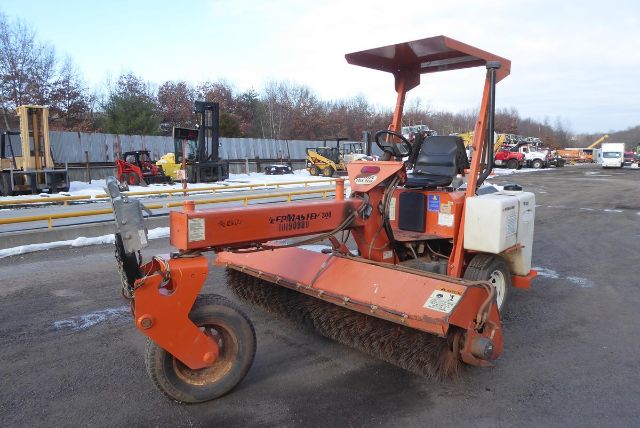
On this equipment class, the first buying decision is usually broom width, pickup method, and towing requirements. Many Laymor sweepers use a hydraulic angle broom and a mechanical pickup system, which makes them practical for abrasive debris and heavier material that can be harder on vacuum-style units. Buyers should confirm overall width, transport length, machine weight, tire size, and hitch setup so the sweeper matches the tow vehicle and the jobsite. Engine type also matters. Smaller diesel powerplants, often from Kubota, are common and are valued for fuel efficiency, straightforward service, and broad parts support. Hydrostatic drive is another common feature because it gives smooth speed control and simple operation during sweeping passes.
Condition matters more than age on this category. Check broom wear, hydraulic hose condition, wheel bearings, tire condition, water spray operation, and the function of the pickup head or conveyor system if equipped. On used Laymor units, buyers should also inspect the spray bar, pump, tank, and nozzles because dust suppression is a core part of sweeper performance. Frame integrity, tow tongue condition, electrical connections, and any signs of corrosion from municipal or winter service deserve close attention. If the machine has open ROPS, verify local safety requirements and operator preference for the intended application.
Laymor equipment appeals to buyers who need a dedicated cleanup machine without moving into a larger regenerative air or truck-mounted street sweeper. It fits contractors handling asphalt patching, pavement maintenance, property management cleanup, and municipal light-duty sweeping routes. Also known in some markets as a tow-behind sweeper or parking lot sweeper, this equipment class is best evaluated by debris type, surface conditions, haul requirements, and ease of service. A well-matched Laymor sweeper can deliver productive cleanup with lower acquisition cost, simpler transport, and less complexity than larger sweeping equipment.
Frequently Asked Questions about Laymor Others
What is a Laymor SM300 or similar Laymor unit typically used for?
A Laymor SM300 and similar Laymor sweepers are commonly used for parking lot sweeping, light street cleanup, construction site cleanup, municipal maintenance, and industrial yard debris removal. They are especially effective where a buyer needs a compact, towable machine that can collect sand, stone, leaves, and pavement debris without stepping up to a full-size truck-mounted sweeper.
Is a towable Laymor sweeper a good fit compared with a truck-mounted sweeper?
A towable Laymor sweeper is usually a better fit for buyers who need lower cost, easier storage, and the flexibility to move the machine with an existing pickup or support truck. A truck-mounted sweeper makes more sense for higher-speed route work, larger coverage areas, and operations that need a self-contained road unit. The right choice depends on route size, debris type, crew setup, and how often the machine must be transported between jobs.
What should I inspect first on a used Laymor sweeper?
Start with broom condition, hydraulic function, engine starting and running quality, and the water system. Then inspect tires, hubs, tow components, frame condition, spray nozzles, and any collection or pickup components for wear or damage. Service records, hour meter readings, and signs of previous municipal or contractor use can tell you more about remaining life than model year alone.
What features matter most when comparing Laymor sweeping equipment listings?
The most important features are broom width, overall machine width, machine weight, engine make and horsepower, hydrostatic or mechanical drive setup, water tank capacity, and transport requirements. Buyers should also confirm whether the unit has hydraulic angle control, open ROPS or another operator protection setup, and whether parts support is available for the specific model.
Are Laymor sweepers suitable for heavy debris and rough surfaces?
Many Laymor mechanical sweepers are well-suited for heavier debris such as gravel, millings, and construction residue, particularly on lots, secondary roads, and industrial surfaces. They are often preferred where a more durable mechanical sweeping action is needed. Buyers should still match the machine to the debris volume, surface condition, and expected duty cycle, because rougher environments increase broom, tire, and hydraulic wear.