
Yard Trucks For Sale in Florida
Browse yard trucks for sale in Florida, including terminal tractors and spotter trucks built for trailer shuttling, port work, and DC operations.
Learn moreNo exact matches found for your search
Showing Yard Trucks instead.
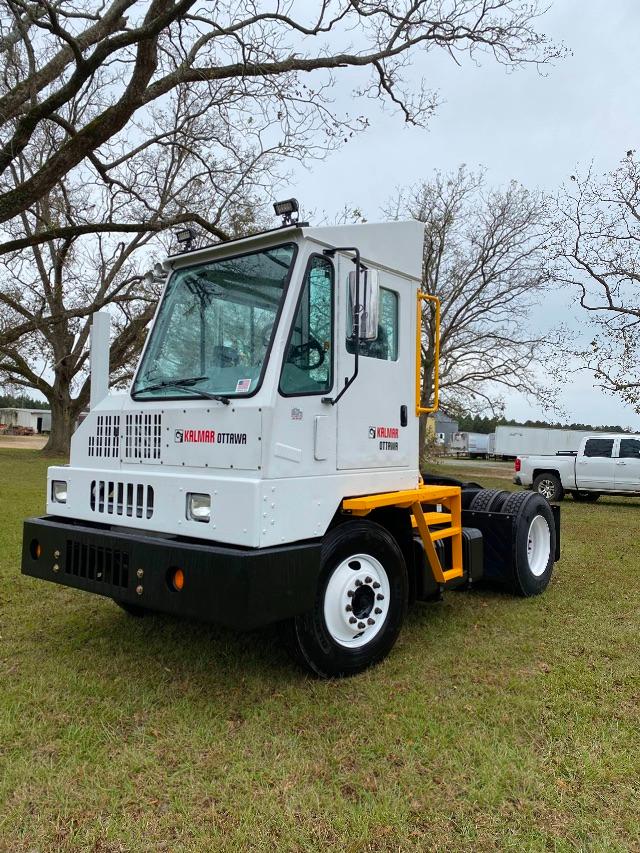
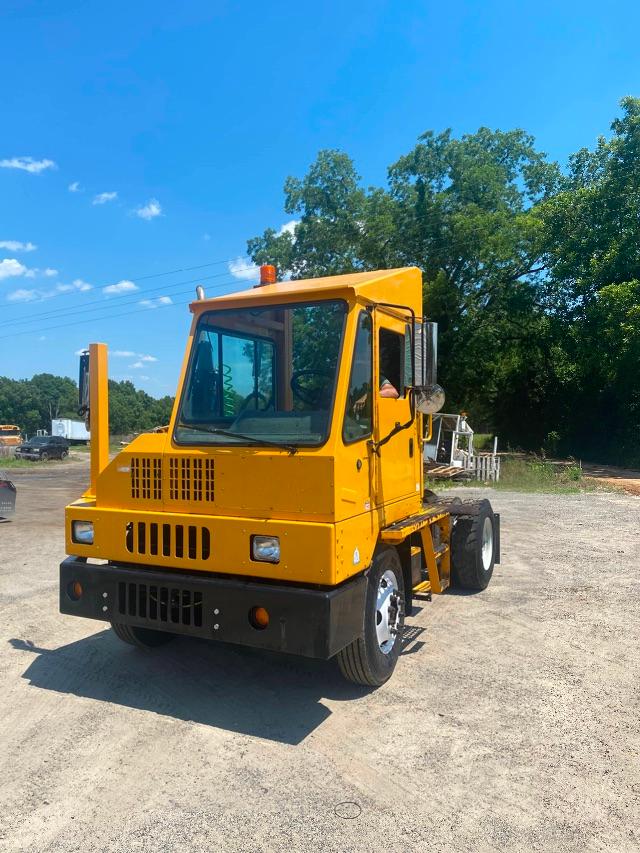
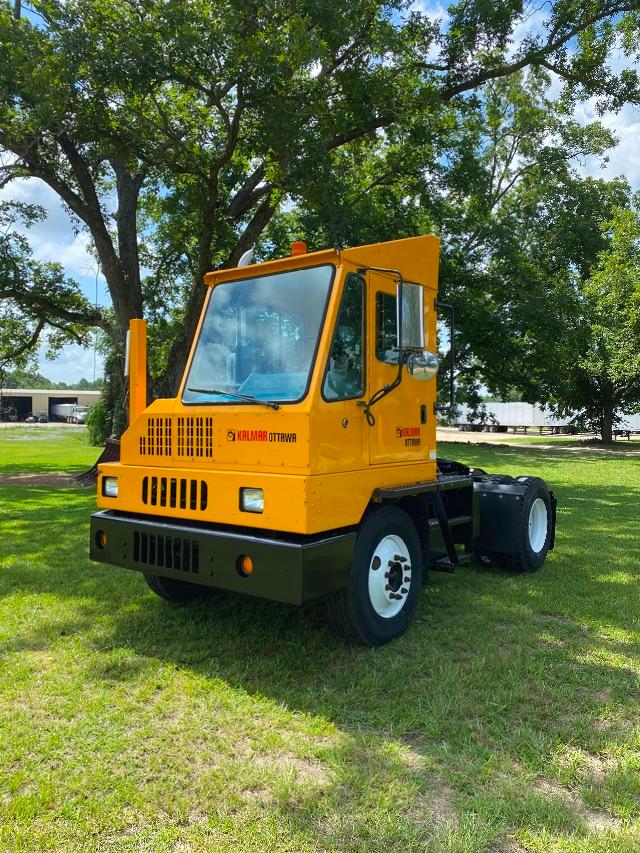
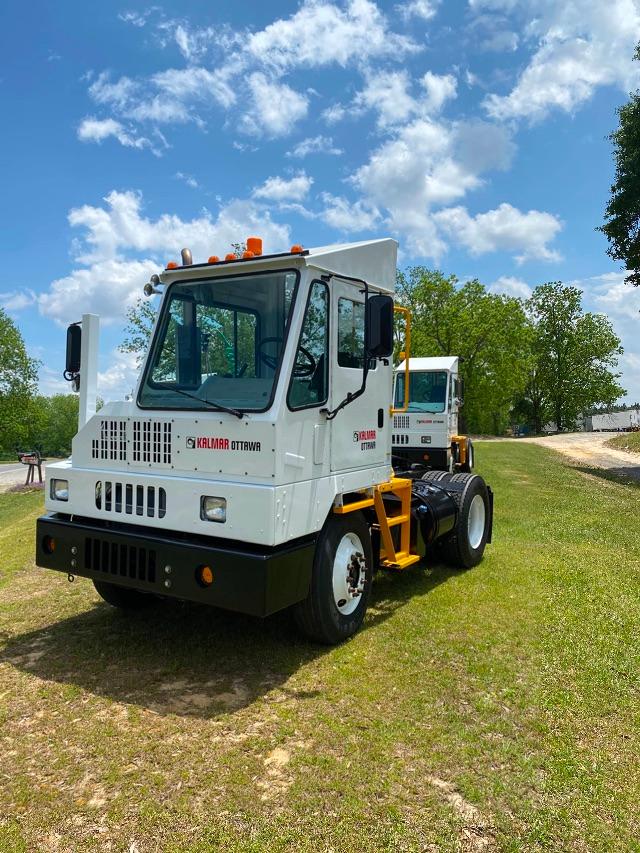
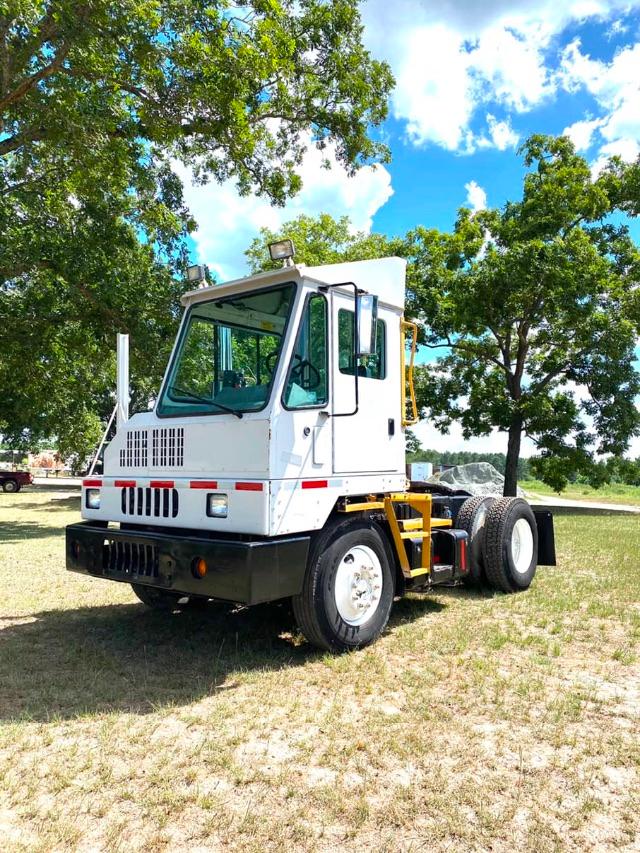
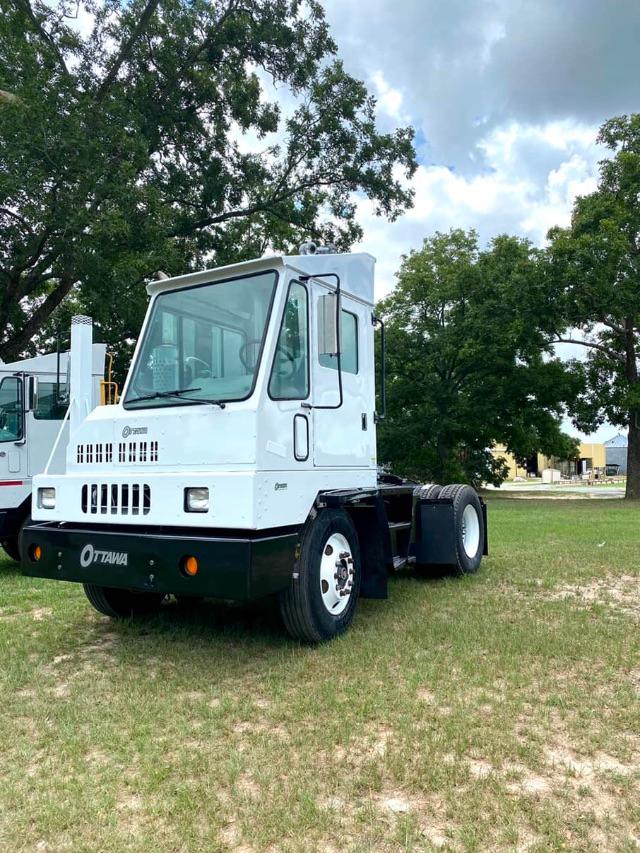
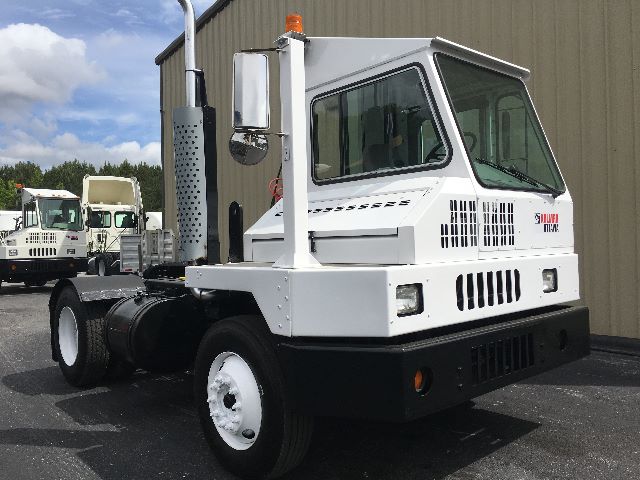
Showing 25 to 31 of 31 results
Have yard truck to sell? List it here to reach thousands of buyers.
About Yard Trucks in Florida
The most important buying decision is usually axle configuration and duty cycle. Single-axle yard trucks are often a good fit for lighter trailer spotting and tighter yard layouts, while tandem-axle configurations are better for heavier loaded trailers, rougher surfaces, and operations that want more rear stability under repeated shifts. Many units in this class use diesel engines in the mid-horsepower range, often around 200 to 300 hp, paired with fully automatic transmissions such as an Allison. Low-speed gearing, often with aggressive rear axle ratios, is common because these trucks are typically governed for yard speeds and built to pull hard from a stop instead of cruise on the highway.
A buyer should pay close attention to cab ergonomics and maintenance features because yard trucks spend their lives in stop-and-go service with constant driver entry and exit. A center-mounted or offset air-sliding fifth wheel is a key feature for fast trailer hookups, especially when landing gear clearance varies. Heated mirrors, climate control, air ride seating, and wide rear visibility improve driver productivity over a long shift. Automatic lubrication systems, easy service access, heavy-duty brake components, and durable frame construction matter because these trucks rack up wear through repetitive motion rather than long-distance mileage. If the truck will run in a port or around refrigerated trailers, cooling system capacity, electrical options, and corrosion resistance deserve extra attention in Florida conditions.
For buyers comparing yard trucks for sale, the practical questions are uptime, turning radius, trailer handling stability, and compatibility with the trailers already in the fleet. Check wheelbase, fifth wheel lift capacity, rear ratio, brake type, and whether the unit is equipped for occasional on-road use if that is part of the operation. Some yard trucks are strictly off-road terminal units, while others can be spec'd to meet road requirements for short transfers. The right yard truck is the one that matches trailer weights, yard congestion, driver turnover, and maintenance support, because a spotter that saves seconds on every move can have a measurable effect on dock throughput over the course of a day.
Frequently Asked Questions
What is a yard truck used for?
A yard truck is used to move semi-trailers within a confined property such as a warehouse yard, port, cross-dock, rail terminal, or industrial site. Its main job is trailer spotting, which includes pulling trailers from parking rows to dock doors, repositioning empty trailers, and staging loaded trailers for road tractors. Yard trucks are built for frequent hook-and-unhook cycles and tight maneuvering, not long-distance highway hauling.
What is the difference between a yard truck and a road tractor?
A yard truck is engineered for low-speed, high-cycle work with a shorter wheelbase, tighter turning radius, better all-around visibility, and a sliding or lifting fifth wheel that speeds trailer hookups. A road tractor is designed for highway travel, higher sustained speeds, fuel efficiency, and driver comfort over long distances. Some terminal tractors can be equipped for limited on-road use, but most are optimized first for yard productivity and durability.
Should I choose a single-axle or tandem-axle yard truck?
A single-axle yard truck generally works well for lighter trailer moves, tighter facilities, and operations that prioritize maneuverability and lower operating cost. A tandem-axle yard truck is better suited for heavier loaded trailers, uneven yard surfaces, and more demanding duty cycles where extra traction and rear stability are important. The right choice depends on trailer weights, surface conditions, and how aggressively the truck will be used across the shift.
Are automatic transmissions common in yard trucks?
Yes. Automatic transmissions are very common in yard trucks because they simplify operation, reduce driver fatigue, and handle constant stop-and-go movement well. Many fleets prefer fully automatic transmissions from manufacturers such as Allison because they are well suited to repetitive low-speed shifting and frequent direction changes. This setup also helps reduce training time in operations with multiple drivers per truck.
What specs matter most when buying a yard truck in Florida?
The most important specs usually include axle configuration, wheelbase, engine horsepower, rear axle ratio, fifth wheel design, and brake system. In Florida, buyers should also look closely at cooling performance, cab air conditioning, corrosion resistance, and suitability for port, warehouse, or refrigerated trailer work. If the truck will occasionally leave private property, confirm whether it is equipped and registered for legal on-road operation.