
Used International Water Trucks For Sale
Shop used International water trucks with tank, spray, and PTO pump setups for dust control, road work, site service, and municipal use.
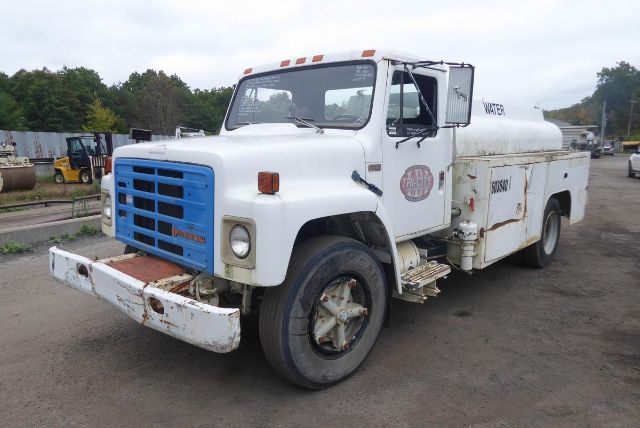
Selling a used international water truck? List your used international water truck for sale and reach thousands of commercial buyers.
Used International Water Trucks
Tank and spray system condition should drive the buying decision as much as the truck itself. Water trucks in this class are commonly equipped with aluminum or steel tanks, rear spray heads, side spray bars, hose reels, and a PTO-powered centrifugal pump. Tank capacity can vary widely, but medium-duty International units are often found in the roughly 1,000 to 2,500 gallon range. Buyers should inspect the tank interior, baffles, pump seals, plumbing, and valve operation, then confirm the PTO engagement is smooth under load. If the truck will be used for dust suppression on jobsites, flow rate and spray coverage matter more than tank size alone. If it will be used for tree watering, utility work, or municipal spot service, hose reach, pump pressure, and ease of refill may be more important.
Chassis specs deserve close attention because water is heavy and operating conditions are usually stop-and-go. A full tank adds substantial payload, so GVWR, rear axle rating, wheelbase, and frame condition need to match the intended capacity. Many used International water trucks have a partial double frame or reinforced rear section to better handle tank weight. Gear ratio also affects drivability, especially on older units with 5-speed manuals that spend their day pulling away from low-speed jobsite conditions. Check for corrosion around tank saddles and mounts, inspect suspension wear, and verify tire sizing and brake condition since these trucks often work on gravel, mud, and uneven access roads.
Older International water trucks can be a solid value when the chassis, pump system, and tank are all still serviceable, but they should be evaluated as a working system rather than just by odometer reading. Engine hours, PTO hours, cold-start behavior, pump output, and evidence of prior repairs often tell more than mileage on a low-speed vocational truck. For buyers comparing listings, the most useful differences usually come down to tank capacity, spray configuration, axle ratings, transmission type, and how well the unit was maintained in municipal or contractor service. Also known as a water wagon or water tank truck, this equipment class is built for repetitive site work where reliable water delivery and easy maintenance are the priorities.
Frequently Asked Questions about Used International Water Trucks
What should I check first on a used International water truck?
Start with the tank, pump, and plumbing, then move to the chassis. Inspect the tank for corrosion, cracks, damaged baffles, and poor prior repairs. Confirm the PTO engages correctly and the pump builds pressure without leaks or excessive noise. After that, verify axle ratings, GVWR, frame condition, brakes, and suspension because the truck must safely carry the full weight of the water load, not just run and drive empty.
What tank size is common on a used International water truck?
Many medium-duty International water trucks on the used market fall in the 1,000 to 2,500 gallon range, though exact capacity depends on chassis rating, wheelbase, and body spec. Smaller tanks can make sense for urban routes, patch crews, and frequent refill cycles. Larger tanks improve time on site but increase loaded weight quickly, so the truck's rear axle, frame, and braking system must match the capacity.
Are older International water trucks good for construction and dust control work?
They can be, especially when the truck has a sound tank, a healthy PTO pump system, and chassis ratings that fit the job. Older International units are often valued for simple drivetrains, straightforward serviceability, and common parts availability. Their suitability depends less on age alone and more on pump performance, spray setup, structural condition, and how hard the truck was used in previous municipal or contractor service.
Why do axle ratings and GVWR matter so much on a water truck?
Water is heavy, and a full tank can push a medium-duty truck close to its limits very quickly. Axle ratings, GVWR, suspension capacity, and frame strength determine whether the truck can legally and safely handle the tank when full. A truck with an adequate engine but insufficient rear axle or frame capacity may still be the wrong choice for the intended body and operating conditions.
What spray equipment is typically found on a water truck?
Common equipment includes rear spray heads, side spray bars, a PTO-driven pump, hoses, valves, and sometimes a hose reel for spot application. Some units are set up mainly for road wetting and dust suppression, while others are configured for more controlled watering around utilities, landscaping, or municipal work. The right setup depends on whether the job calls for broad coverage, pressure at the hose, or both.