
International Water Trucks For Sale
Shop International water trucks for dust control, road work, and site support. Compare tank size, pump setup, axle ratings, and chassis specs.
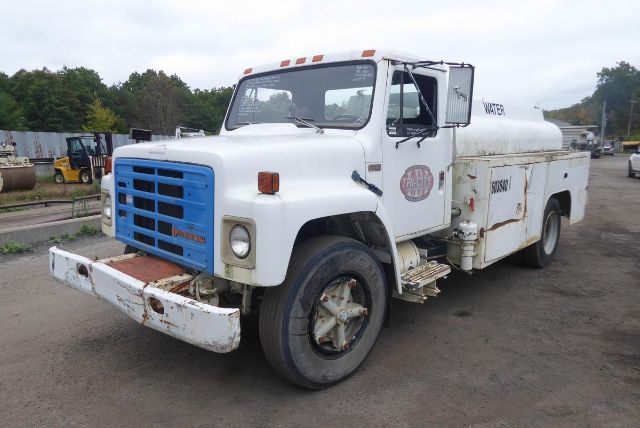
Selling a international water truck? List your international water truck for sale and reach thousands of commercial buyers.
International Water Trucks
A buyer should pay close attention to the water system, not just the truck. Tank material affects empty weight and corrosion resistance, while baffle design affects stability when the load is moving. Pump type, PTO engagement, spray bar layout, and valve condition matter just as much as engine and transmission specs. Some International water trucks are set up for simple dust control with rear and side sprays, while others are configured for more precise application through a hose reel, suction capability, or front spray heads. If the truck will spend time on uneven jobsites, look at suspension condition, frame reinforcement, and how the tank is mounted to the chassis.
International water trucks are typically found on medium-duty and heavy vocational platforms with diesel engines, manual or automatic transmissions, and axle ratings matched to local route work. Common buying points include wheelbase, cab-to-axle measurement, rear axle capacity, brake type, and tire size, since all of those affect tank fitment and operating weight. A shorter wheelbase can be more maneuverable on tight projects, while a longer setup may carry a larger tank and offer better balance. On used units, buyers should inspect pump seals, plumbing leaks, tank interiors, spray nozzles, PTO operation, and signs of frame stress or corrosion around mounts and crossmembers.
For many fleets, an International water truck is attractive because parts support is broad, controls are familiar, and the chassis is generally easy to adapt for vocational service. Also known as a water tanker truck or dust control truck, this equipment class is less about highway speed and more about predictable low-speed performance, dependable PTO operation, and a tank system that matches the job. The best choice comes down to matching gallon capacity, axle configuration, and spray equipment to the work environment rather than simply choosing the newest chassis.
Frequently Asked Questions about International Water Trucks
What are International water trucks typically used for?
International water trucks are commonly used for dust control on construction sites, road grading, aggregate yards, mining support, and municipal maintenance. They are also used for tree and landscape watering, compaction support, and washdown work. The exact application depends on tank size, pump output, and spray configuration, since a simple gravity-spray truck is different from a unit equipped with hose reels, pressure nozzles, or suction capability.
What should I check first on a used International water truck?
Start with the tank and pump system because those components define the truck's actual working value. Inspect the tank for corrosion, cracking, poor repairs, loose mounts, and damaged baffles. Check PTO engagement, pump operation, plumbing, valves, spray heads, and hose reels for leaks or wear. After that, review chassis items such as axle ratings, brake condition, suspension wear, frame integrity, engine performance, and whether the truck's GVWR makes sense for the installed tank capacity.
How do I choose the right tank size on an International water truck?
Choose tank size based on the job cycle, site access, and legal loaded weight. A larger tank reduces refill frequency but adds weight and can limit maneuverability on smaller jobsites. A smaller tank may be better for local work where water access is easy and turning space is limited. Buyers should compare gallon capacity against axle ratings, wheelbase, and the truck's intended duty cycle to avoid ending up with a unit that is either overloaded or undersized for production needs.
Are single-axle International water trucks a good fit for vocational work?
Single-axle International water trucks are often a strong fit for local and medium-capacity applications where maneuverability matters more than maximum volume. They are common in municipal fleets, smaller contractors, and site support roles that do not require very large tanks. The tradeoff is payload and tank capacity, so buyers should confirm that the rear axle rating, suspension, and frame are appropriate for the amount of water the truck is expected to carry regularly.
What features matter most in a water truck spray system?
The most important spray system features are pump reliability, nozzle layout, controllability, and ease of service. Rear sprays are common for dust suppression, while side sprays help with road shoulders and broader coverage. Front sprays can improve visibility and application control in some operations, and hose reels add flexibility for targeted watering or washdown. A good system should have clean valve operation, consistent pressure, and components that can be maintained without excessive downtime.