
Used Volvo Trucks For Sale in New York
Shop used Volvo trucks in New York, including day cab and tandem axle specs, Volvo D11 and D13 engines, I-Shift options, and fleet-ready setups.
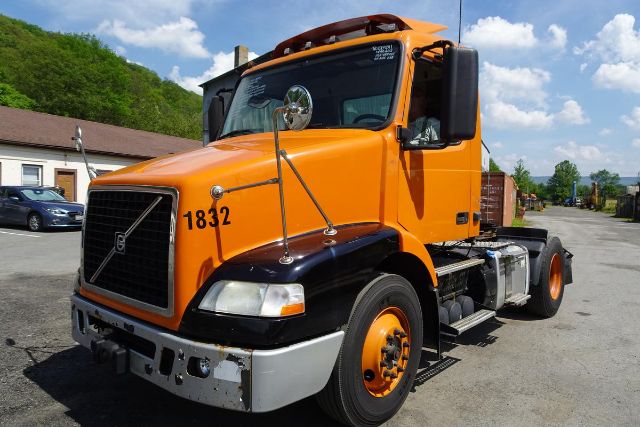
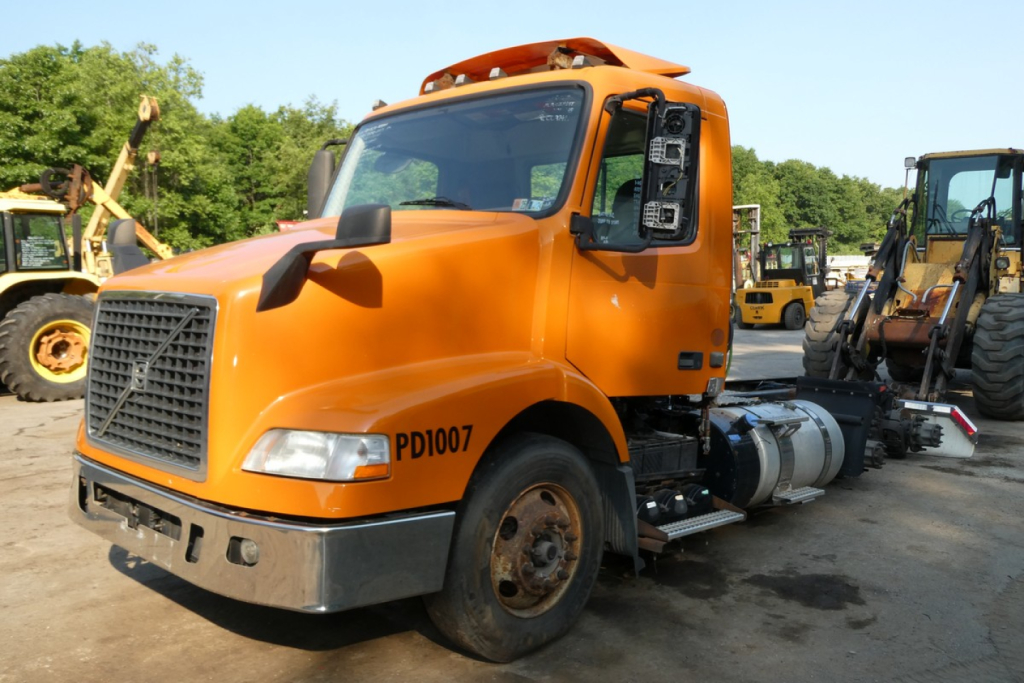
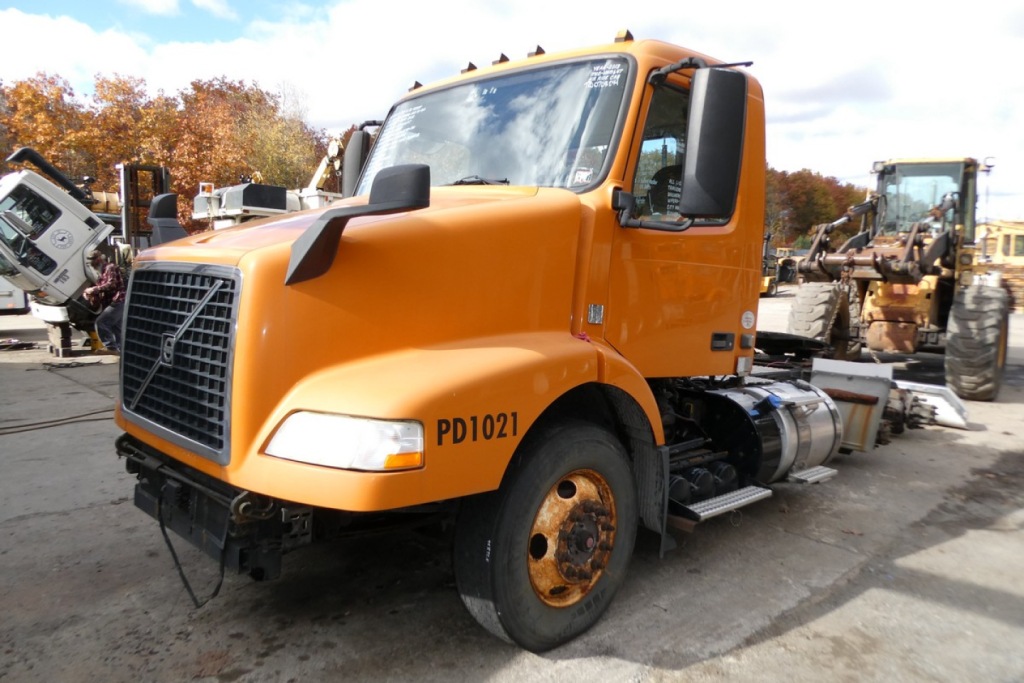
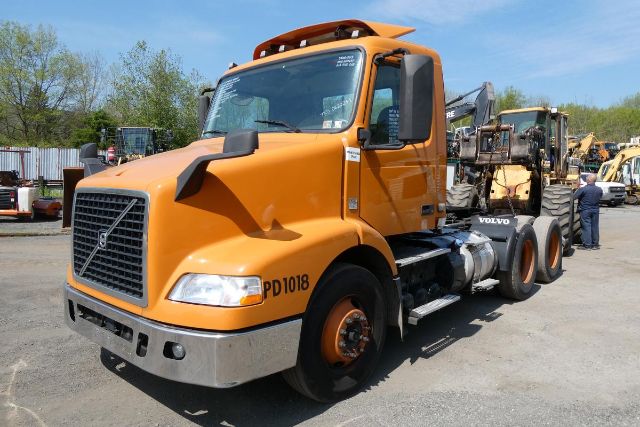
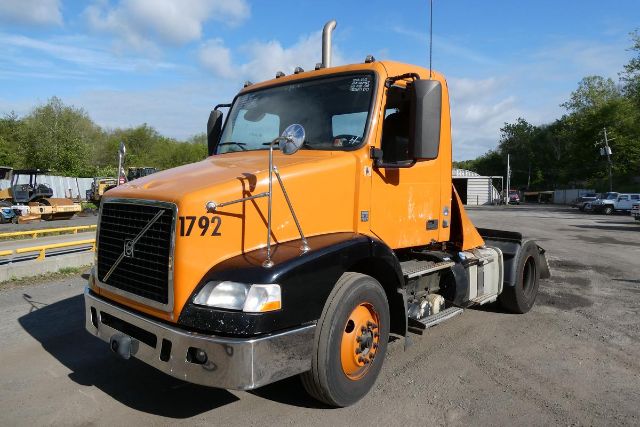
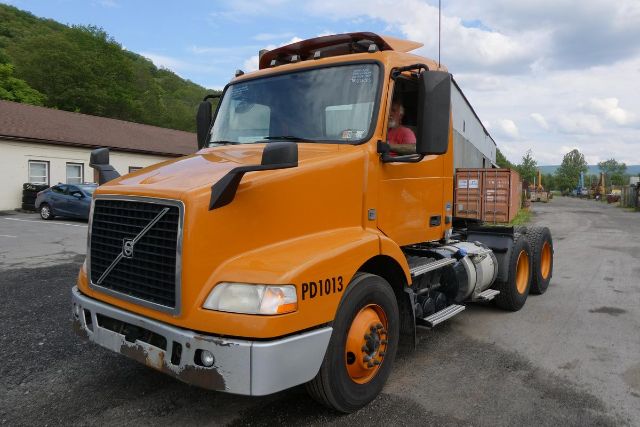
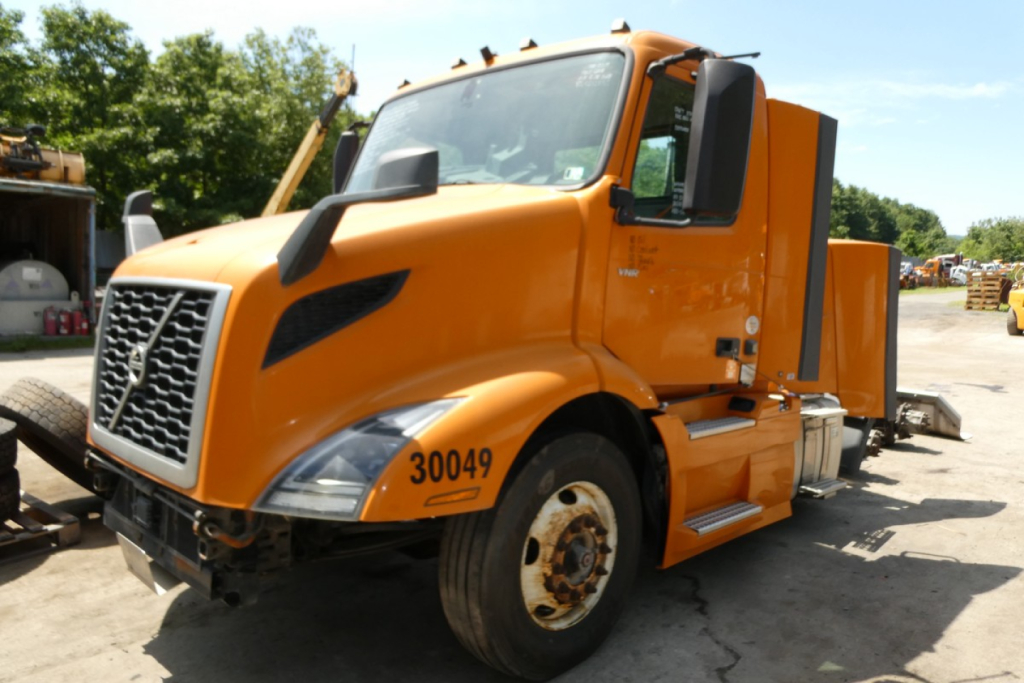
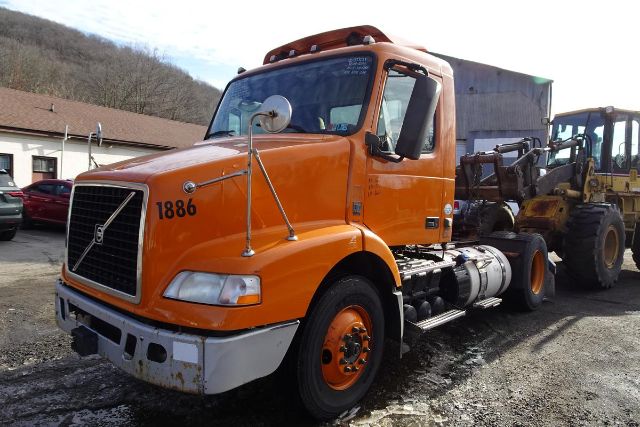
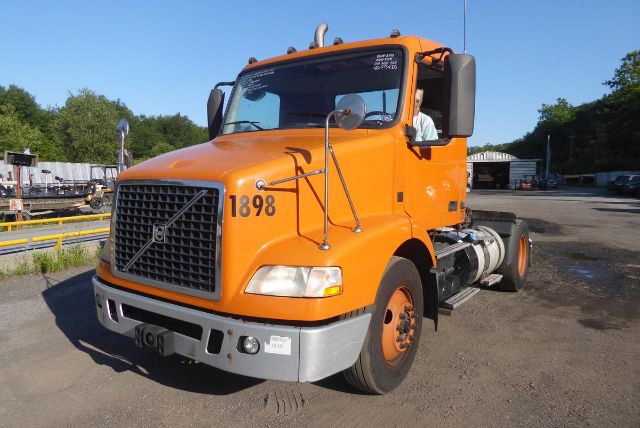
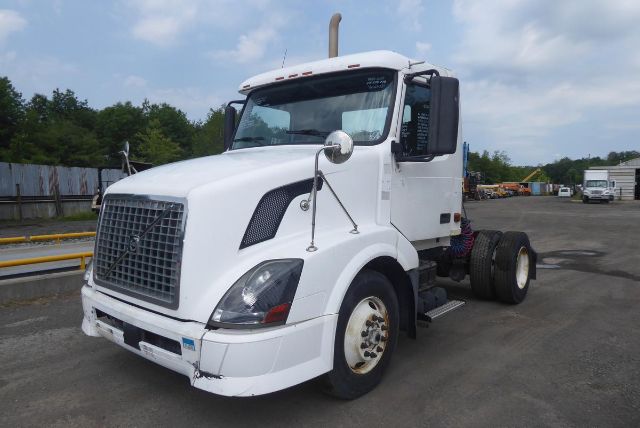
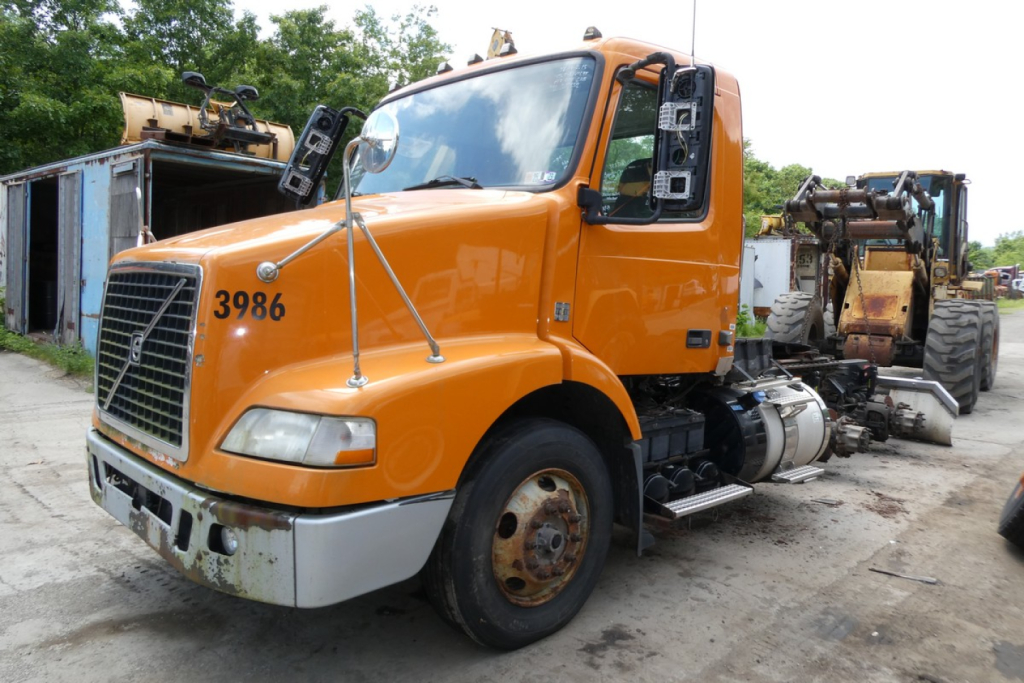
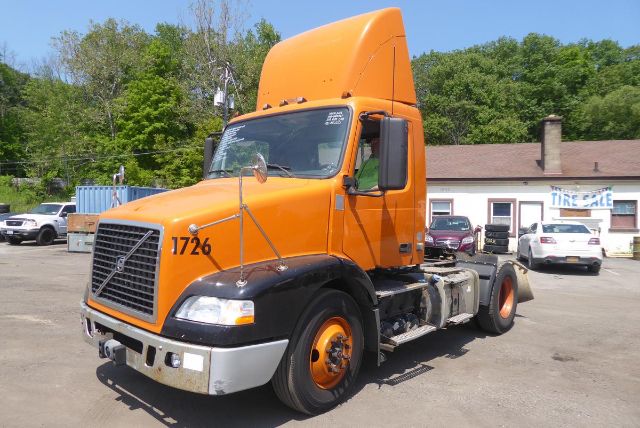
Showing 29 to 45 of 45 results
Selling a used volvo truck? List your used volvo truck for sale and reach thousands of commercial buyers.
Used Volvo Trucks in New York
Engine and transmission choice is usually the first major decision. Many used Volvo trucks in this class carry a Volvo D11 or D13 diesel engine, often paired with a Volvo I-Shift automated manual or a Fuller manual transmission. The D11 is a practical choice for lighter regional work and lower gross weights, while the D13 is more common in heavier tandem-axle applications that need stronger pulling power and higher horsepower ratings. On used units, it is smart to compare horsepower, rear axle ratio, ECM miles, engine hours, and service history together instead of looking at odometer mileage alone. Ratios such as 3.42 or 2.64 can materially change launch feel, cruise RPM, and fuel economy, especially if the truck will spend most of its time in stop-and-go traffic versus highway lanes.
Chassis details matter just as much as the powertrain. Many Volvo day cabs are spec'd with 154-inch or 174-inch wheelbases, front axles around 12,000 to 12,350 pounds, and rear axle ratings from 20,000 to 40,000 pounds depending on whether the truck is a single axle or tandem. Suspension types often include Volvo air ride systems, with 2-bag setups on lighter trucks and 4-bag air ride on heavier tandem tractors. Air disc brakes are a notable feature on many Volvos and can be a real advantage for stopping performance and serviceability, but buyers should still inspect pad life, rotor condition, and overall brake health. Fifth wheel type also affects usability. A stationary fifth wheel may be fine for a dedicated trailer, while an air slide gives more flexibility for changing kingpin settings and balancing axle weights.
For used Volvo trucks, condition review is critical because these trucks are often sold out of demanding fleet service. Engine warning lights, DEF and SCR system status, transmission engagement quality, and cab electrical functions deserve a close inspection. Look at cold start behavior, idle quality, evidence of oil or coolant leaks, aftertreatment repair history, and whether the truck has a single frame or has been modified for a specialty application. In urban and regional New York service, tire size, turning radius, fairing height, and overall cab-to-axle dimensions can affect dock access and route flexibility more than buyers expect. A well-matched used Volvo truck can be a cost-effective tractor for regional freight, container drayage, vocational pulling, or local trailer work, but the best value comes from matching the chassis and powertrain to the actual load profile and duty cycle.
Frequently Asked Questions about Used Volvo Trucks in New York
What should I look for first when buying a used Volvo truck?
Start with the truck’s intended job, then match that to axle configuration, engine, transmission, and wheelbase. A 4x2 Volvo with a D11 and shorter wheelbase can work well for lighter regional or urban duty, while a 6x4 truck with a D13, heavier rear axles, and a longer wheelbase is better suited for higher gross weights and more demanding pulling. After that, review engine hours, fault codes, aftertreatment condition, brake wear, suspension condition, and any signs of driveline or transmission issues.
Is the Volvo I-Shift a good transmission in a used truck?
The Volvo I-Shift is widely regarded as a strong choice in fleet and owner-operator service because it can improve ease of operation, shift consistency, and fuel efficiency. In a used truck, the key is condition rather than reputation alone. Check for delayed engagement, harsh shifts, abnormal noises when launching, clutch actuator history, and any transmission fault codes. Service records and a proper road test are important, especially on higher-mileage units.
What is the difference between a Volvo D11 and D13 in used Volvo trucks?
The D11 is a smaller displacement engine that is often spec'd for lighter weight applications and regional hauling where fuel economy and lower acquisition cost are priorities. The D13 is a larger engine with more torque and horsepower potential, making it better suited for tandem-axle tractors, heavier trailers, and routes with more grade or sustained gross weight. The best choice depends on the truck’s actual workload, not just the engine badge.
Are Volvo day cab trucks a good choice for New York operations?
Yes, Volvo day cabs are commonly used in New York because they combine a relatively tight chassis package with a comfortable cab and good visibility. That makes them practical for city delivery, drayage, regional freight, and terminal-to-terminal work. Buyers should still verify wheelbase, height, axle spread, and turning needs against the routes they plan to run, since bridge laws, yard access, and dense urban streets can make chassis dimensions a major factor.
Why do rear axle ratio and fifth wheel type matter on a used Volvo tractor?
Rear axle ratio affects how the truck accelerates, climbs grades, and cruises at highway speed. A numerically higher ratio like 3.42 generally favors pulling power and launch performance, while a lower numerical ratio like 2.64 can support lower engine RPM at road speed. Fifth wheel type matters because a stationary fifth wheel is simple and suitable for dedicated trailer use, while an air slide allows adjustment for trailer fit, kingpin setting, and axle weight distribution.