
Volvo Trucks For Sale in Tennessee
Browse Volvo trucks for sale in Tennessee, including day cabs, sleepers, vocational and heavy-duty models built for regional and local work.
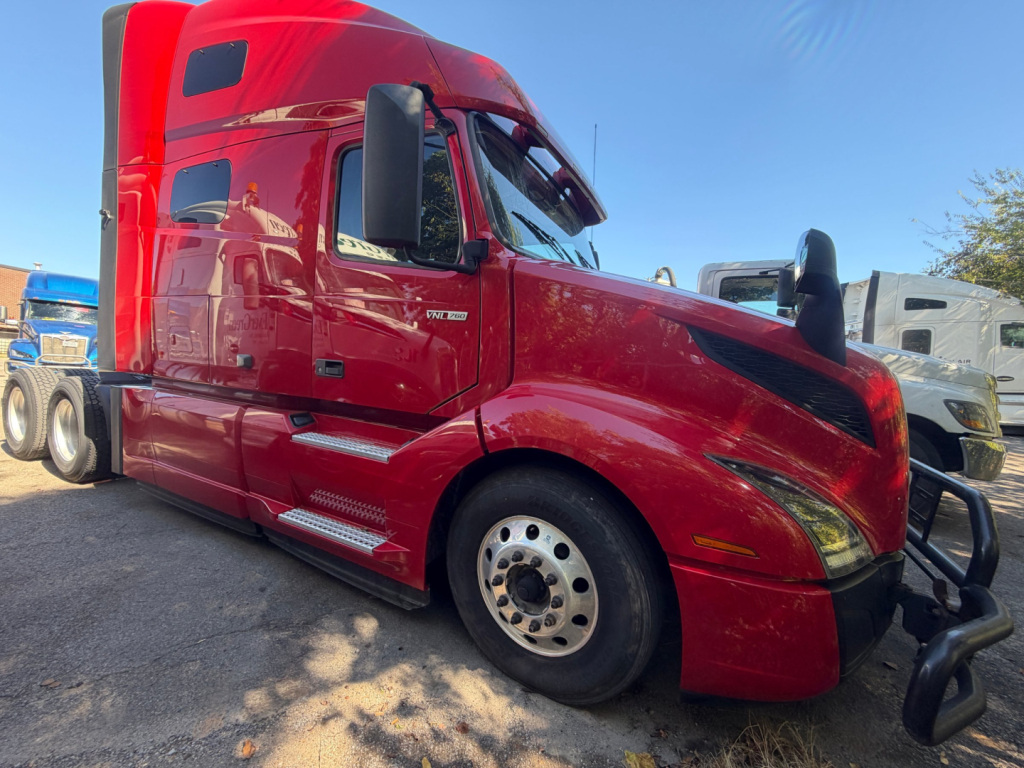
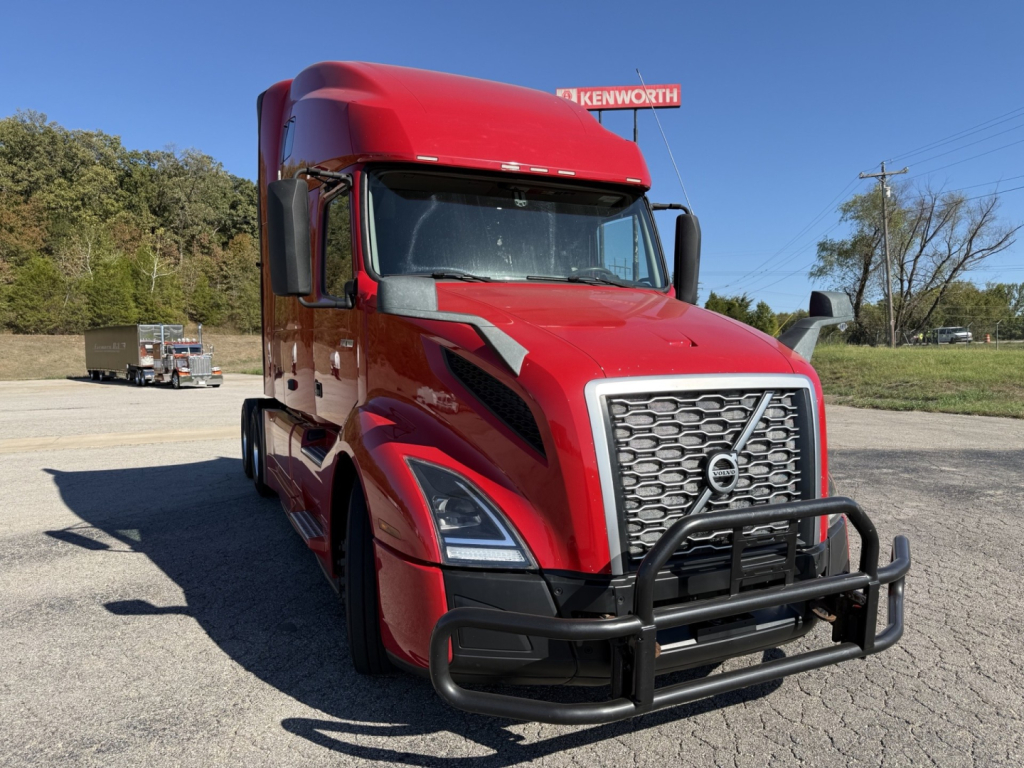
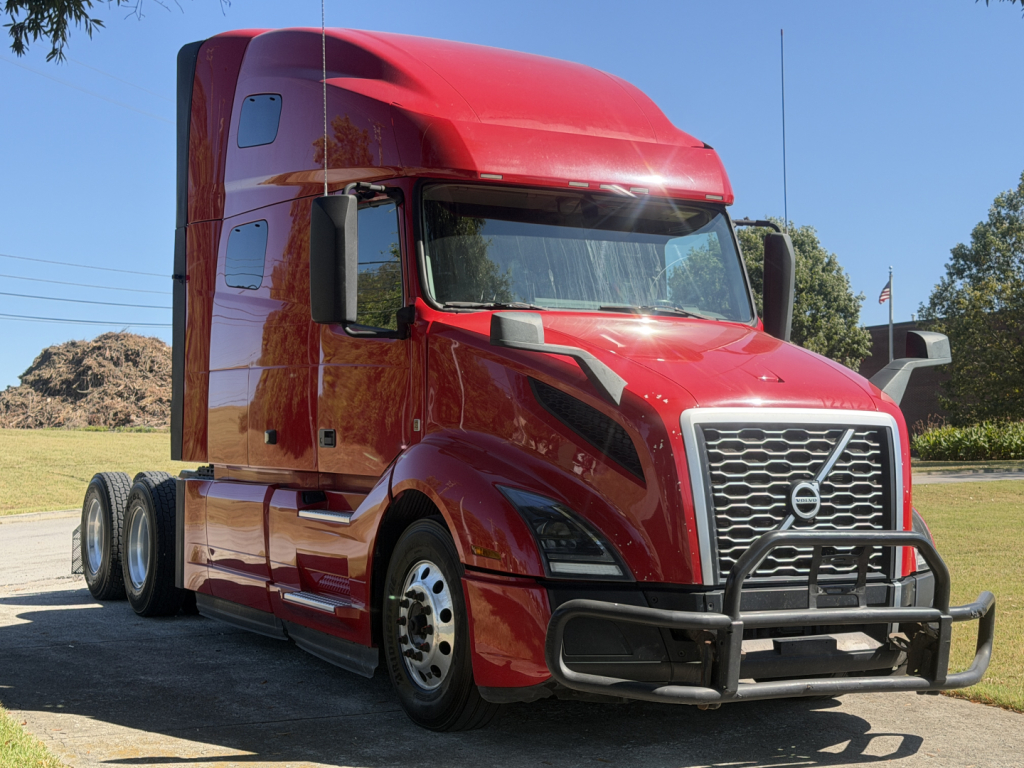
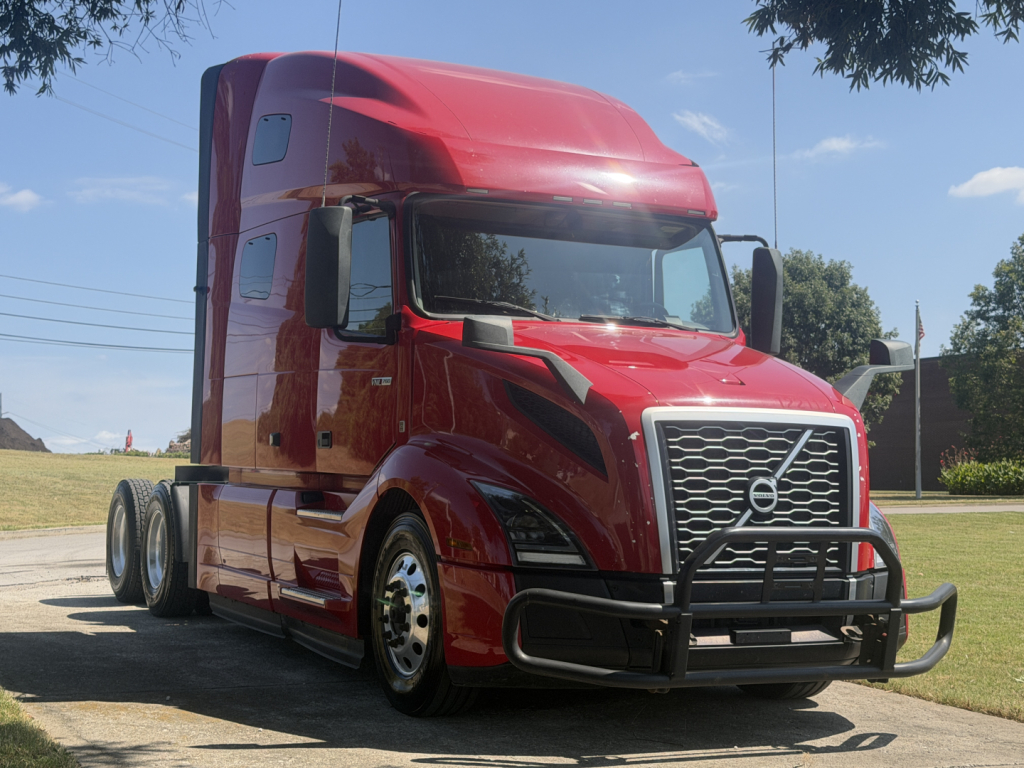
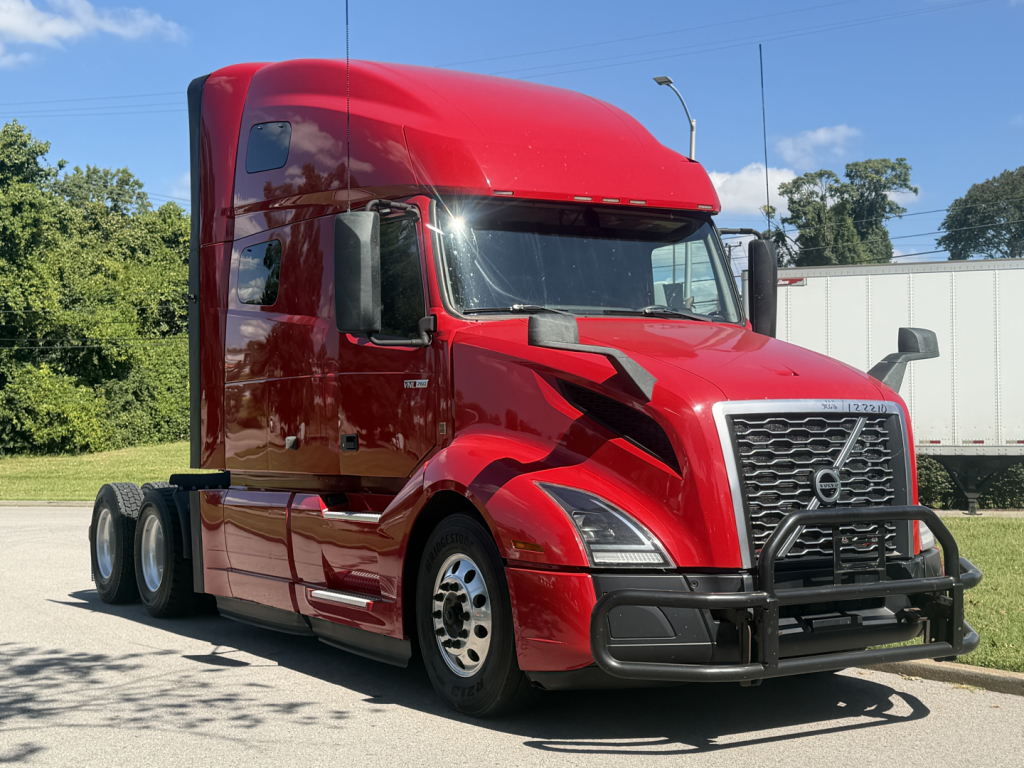
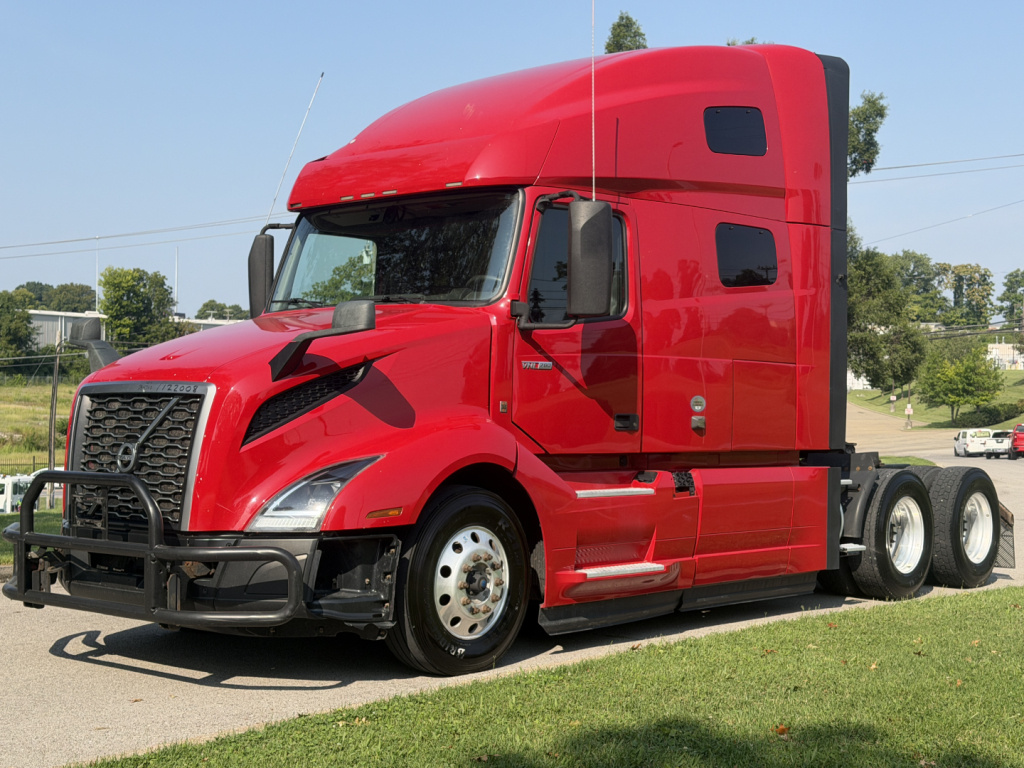
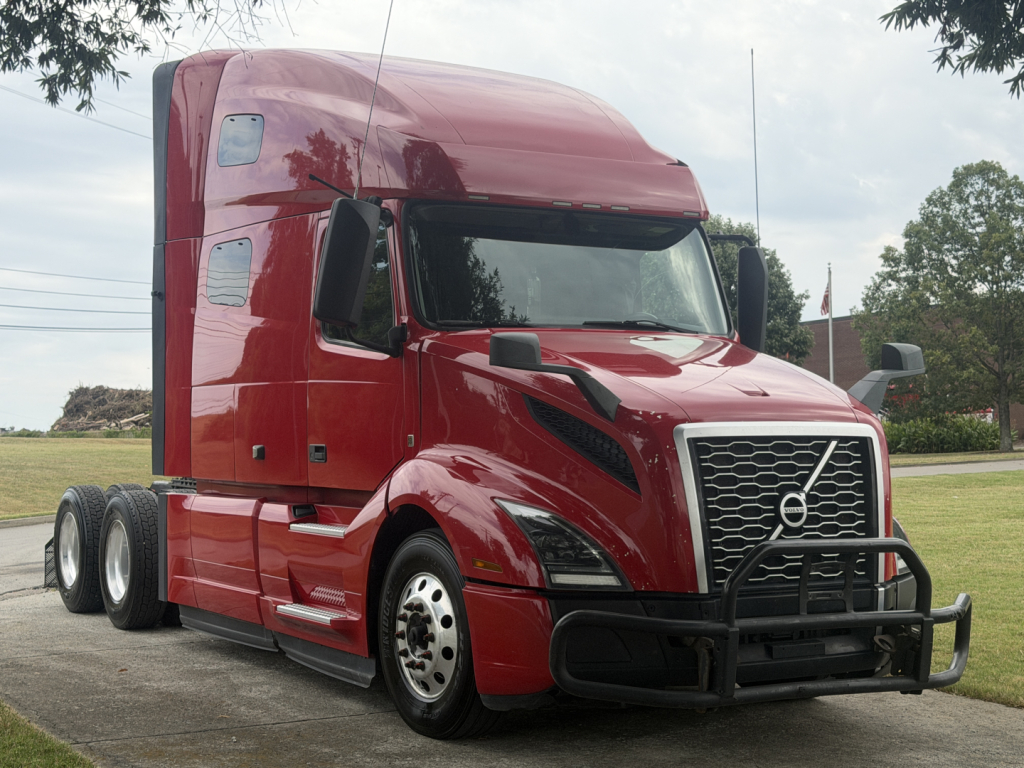
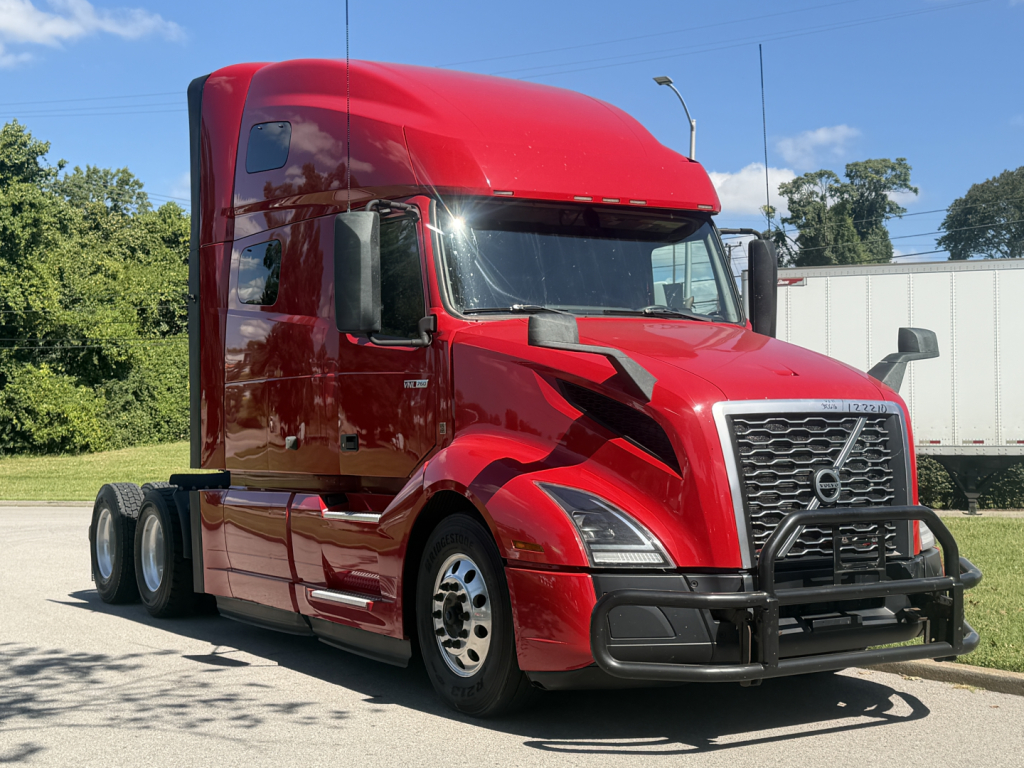
Selling a volvo truck? List your volvo truck for sale and reach thousands of commercial buyers.
Volvo Trucks in Tennessee
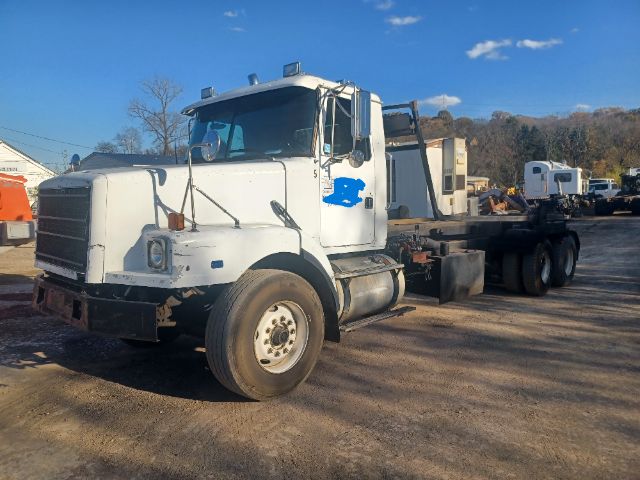
The first buying decision is usually application. For interstate freight on I-40, I-24, and I-75 corridors, a VNL or VNR spec with an aerodynamic cab, integrated sleeper options, and efficient axle ratios can help lower fuel cost per mile. For construction, waste, or container handling, a Volvo vocational truck may be equipped with heavier suspension, double frame sections, PTO capability, lift axles, or roll-off hoists. Engine and transmission combinations vary by year, but buyers will often find Volvo D11, D13, or Cummins power, paired with manual, automated manual, or automatic transmissions depending on the job. A used vocational unit may also carry equipment from a body manufacturer, so the chassis condition and the condition of the installed gear both matter.
Cab configuration, wheelbase, and axle layout should be matched to route density and payload. Tennessee buyers running local or regional lanes often prefer day cabs for lower weight and easier maneuverability, while sleeper tractors make more sense for multi-state freight. Check front axle capacity, rear axle ratio, and suspension rating against the loads you actually haul. On vocational units, review hoist or body ratings, hydraulic system condition, frame integrity, PTO engagement, and signs of hard jobsite use. Brake type, tire condition, DEF and emissions system status, and service history are especially important on later-model trucks, while older pre-emissions or early emissions units should be evaluated closely for maintenance quality and parts support.
Volvo has long been known for ergonomic cabs, strong visibility, and safety systems that appeal to fleets trying to reduce driver fatigue and downtime. On used trucks, the real value comes from matching the spec to the work and inspecting the truck as a complete operating package, not just the badge on the hood. A well-spec'd Volvo can serve regional freight, dedicated routes, refuse work, roll-off service, or construction support effectively, but the right choice depends on axle ratings, powertrain, body equipment, and how the truck was maintained in its previous service.
Frequently Asked Questions about Volvo Trucks in Tennessee
What Volvo truck models are most common on the used market in Tennessee?
The most common Volvo trucks on the used market are typically VNL highway tractors, VNR regional haul trucks, and VHD vocational models. Tennessee buyers may also find older Volvo models and specialty trucks built on Volvo chassis for roll-off, refuse, dump, or municipal work. The model that fits best depends on whether the truck will spend most of its time on interstate freight routes, city delivery, or jobsite and container service.
Are Volvo trucks good for vocational work like roll-off or construction service?
Yes. Volvo vocational chassis are widely used for heavy-duty applications such as roll-off, dump, refuse, and municipal service. Buyers should focus on frame strength, suspension capacity, PTO setup, hydraulic condition, axle ratings, and the condition of the installed body or hoist. A vocational truck can be productive for years if the chassis and the upfit equipment were both maintained properly.
What should I check first on a used Volvo truck?
Start with the truck's intended application, then verify the core specs match that job. Review engine make and horsepower, transmission type, axle ratio, wheelbase, suspension rating, brake system, and any body equipment ratings. After that, inspect service records, emissions components, tires, frame condition, and signs of heavy wear in the cab, driveline, and hydraulic systems. On a vocational truck, the body equipment inspection is just as important as the chassis inspection.
Do Volvo trucks commonly come with Volvo engines only?
No. Many Volvo trucks are equipped with Volvo D11 or D13 engines, but some used units, especially older or vocational trucks, may have Cummins engines or other application-specific setups. Engine choice affects parts strategy, service familiarity, fuel economy expectations, and resale appeal, so it is worth confirming the exact engine model and emissions configuration before buying.
Is a day cab or sleeper Volvo better for Tennessee routes?
A day cab is usually the better choice for local delivery, regional hauling, and operations with regular home time because it reduces weight and improves maneuverability. A sleeper is a better fit for longer multi-state runs or dedicated over-the-road freight where the driver needs rest space and onboard storage. The right answer depends on route length, payload requirements, and how often the truck will be dispatched beyond Tennessee.