
Volvo Trucks For Sale in North Carolina
Browse Volvo trucks for sale in North Carolina, including VNL, VNR, and VNM models with specs for regional haul, local delivery, and sleeper use.
Learn more

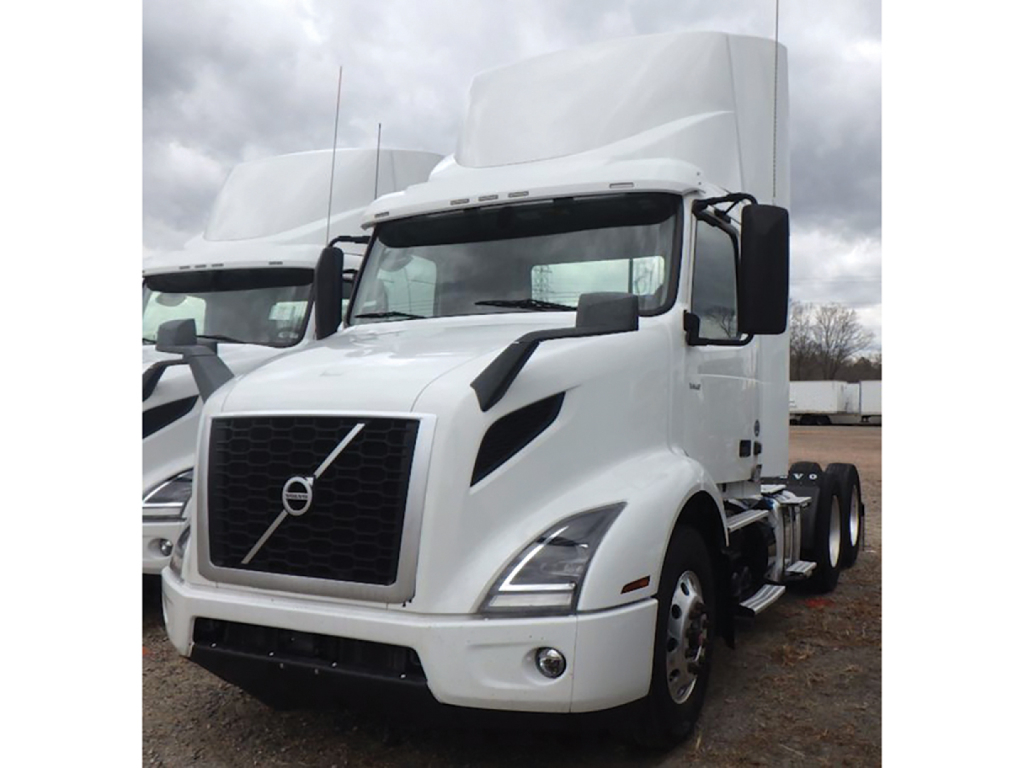
2021 Volvo VNR 300
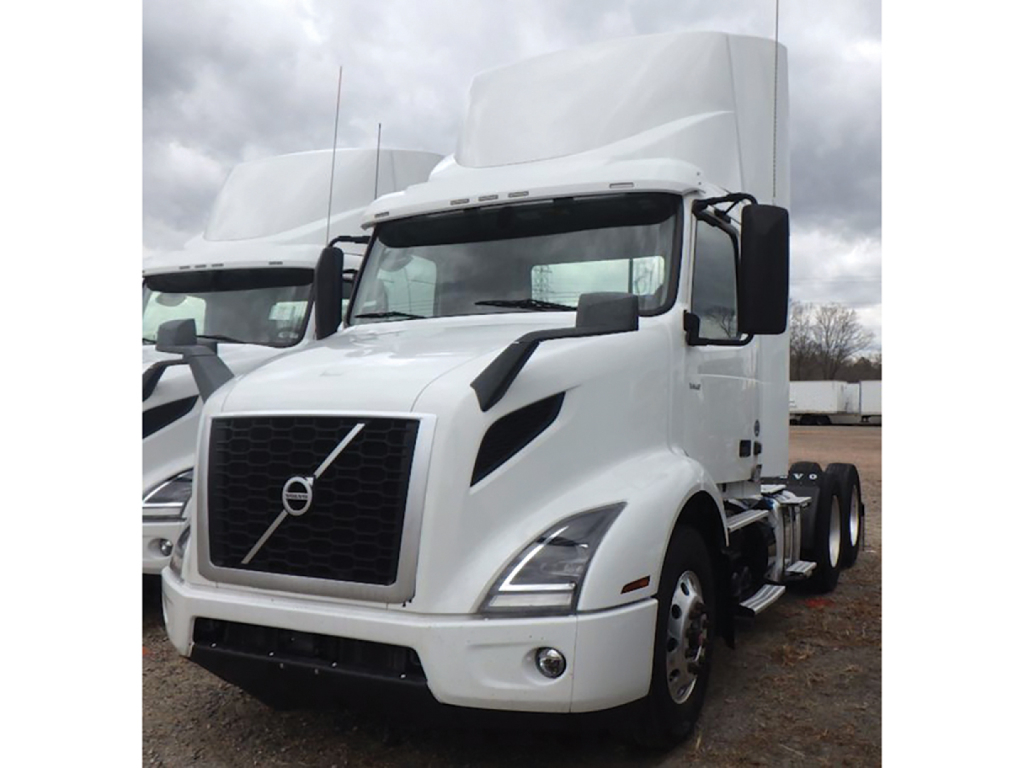
2021 Volvo VNR 300
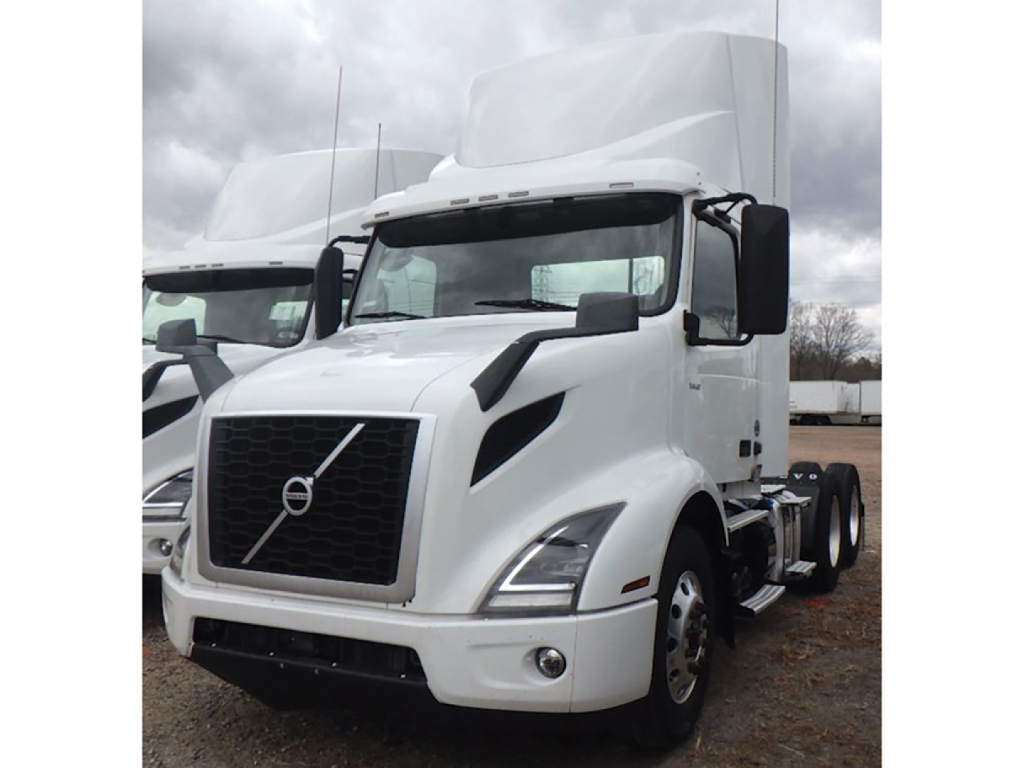
2021 Volvo VNR 300
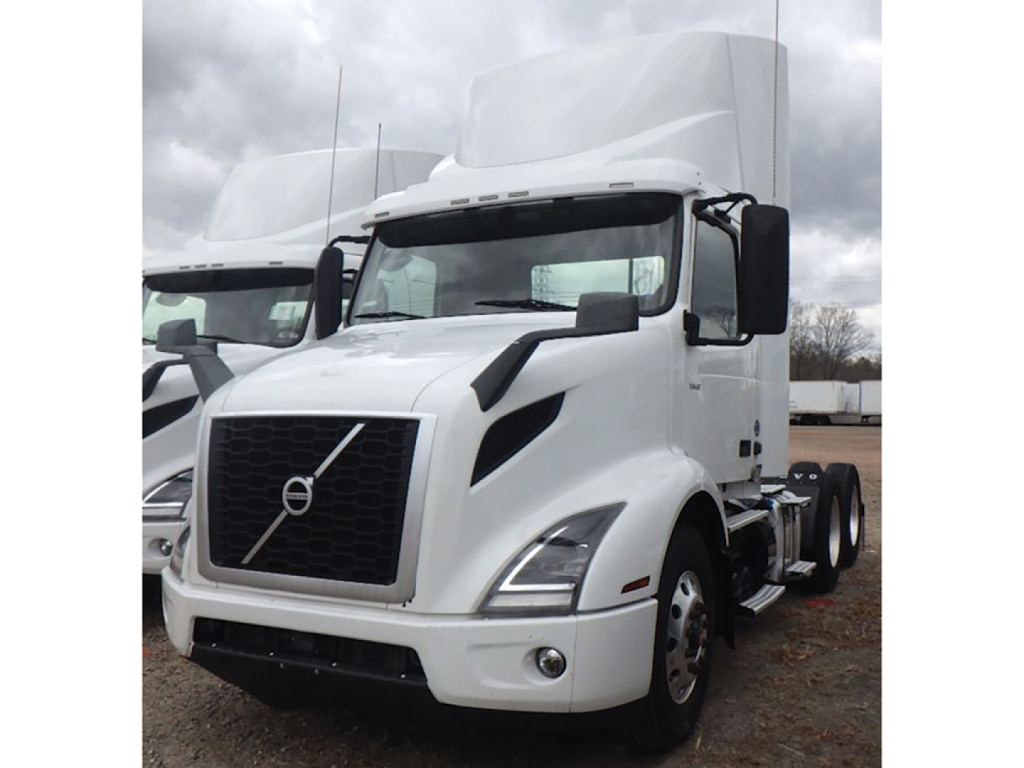
2021 Volvo VNR 300
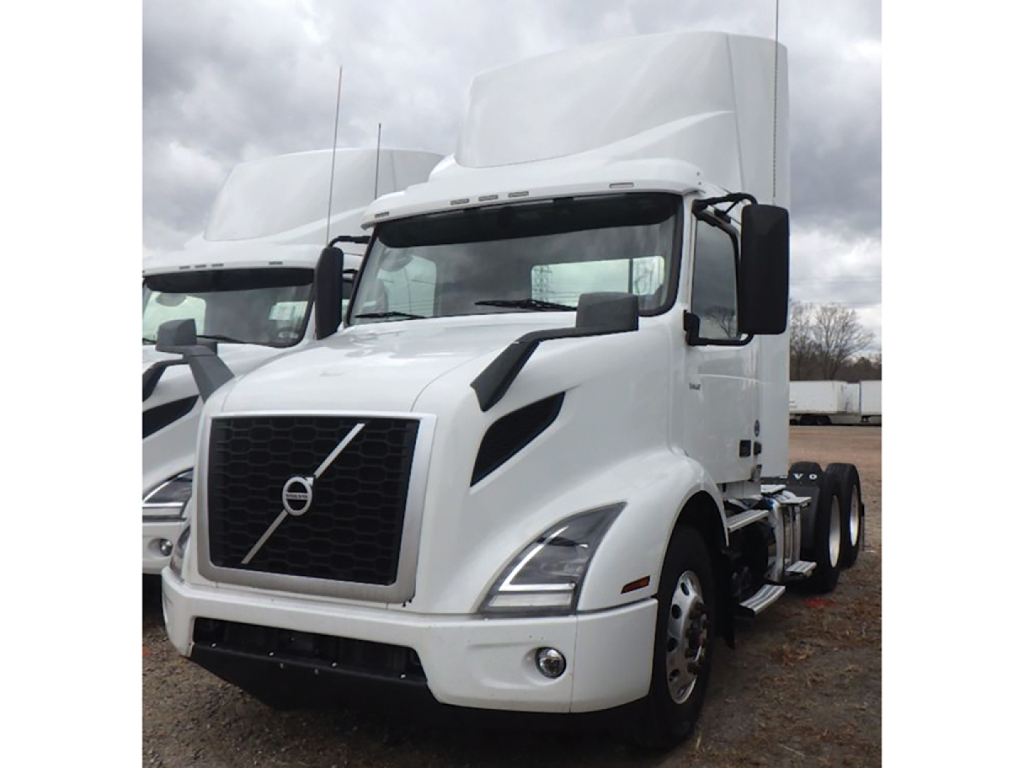
2021 Volvo VNR 300
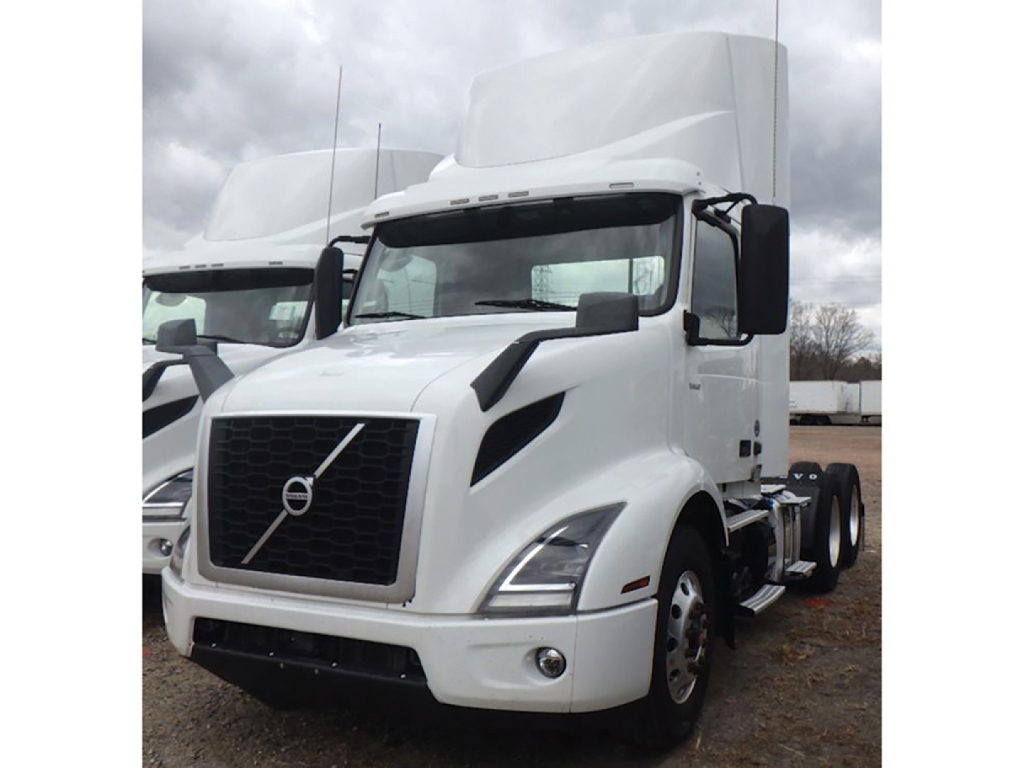
2021 Volvo VNR 300
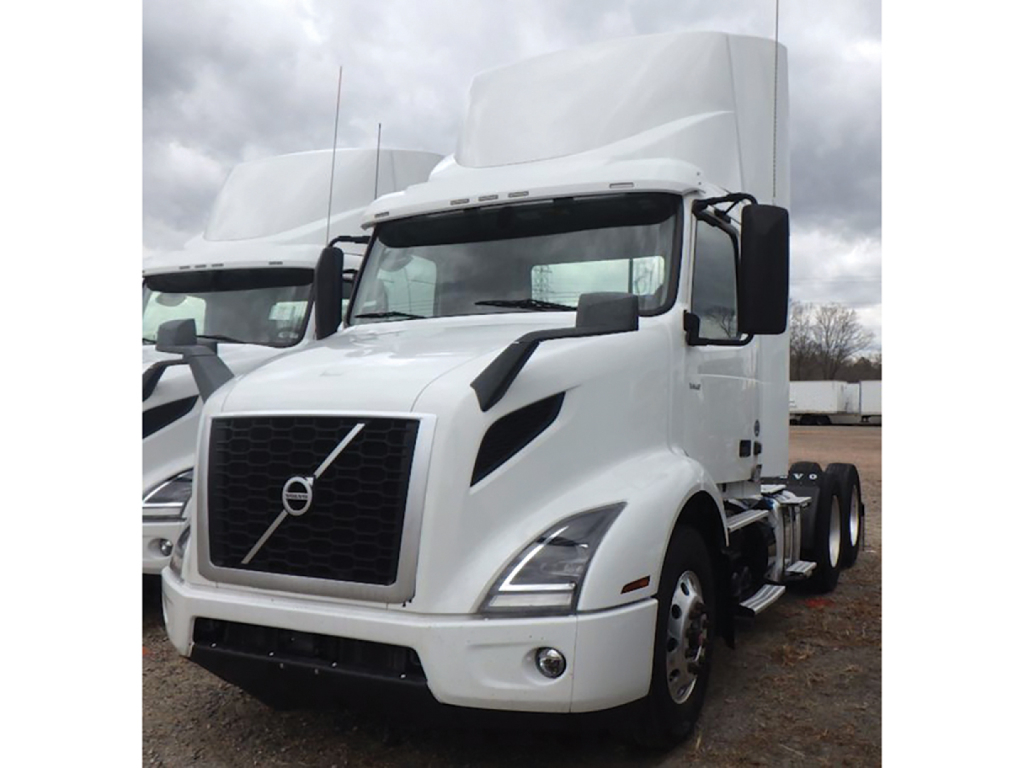
2021 Volvo VNR 300
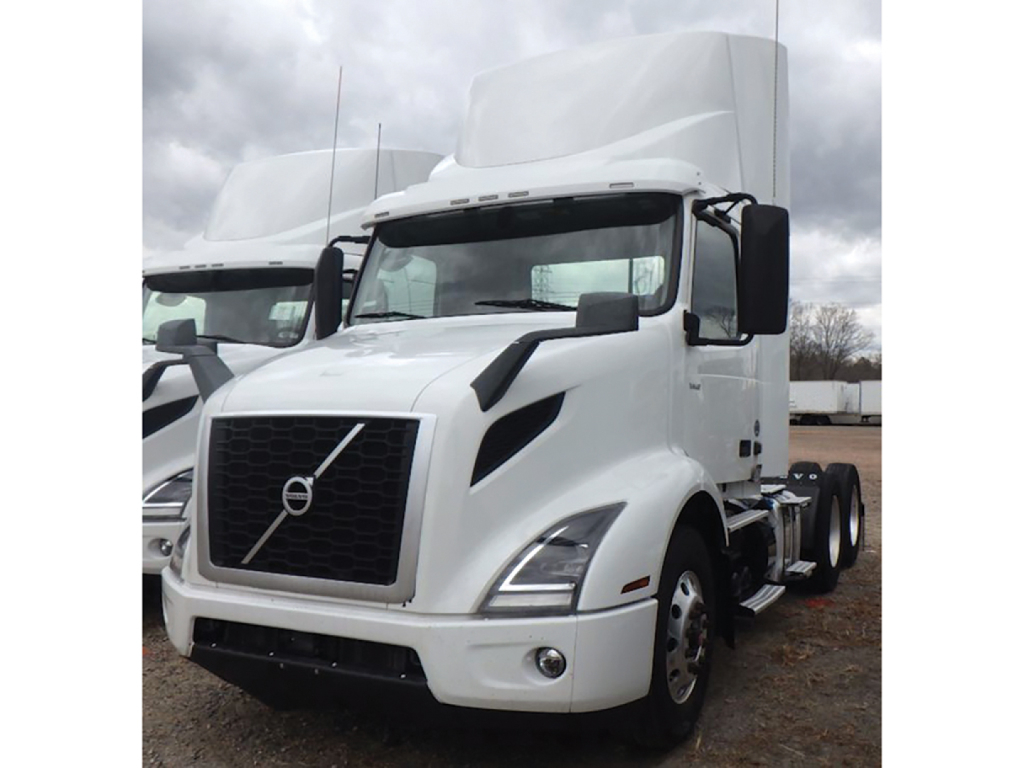
2021 Volvo VNR 300
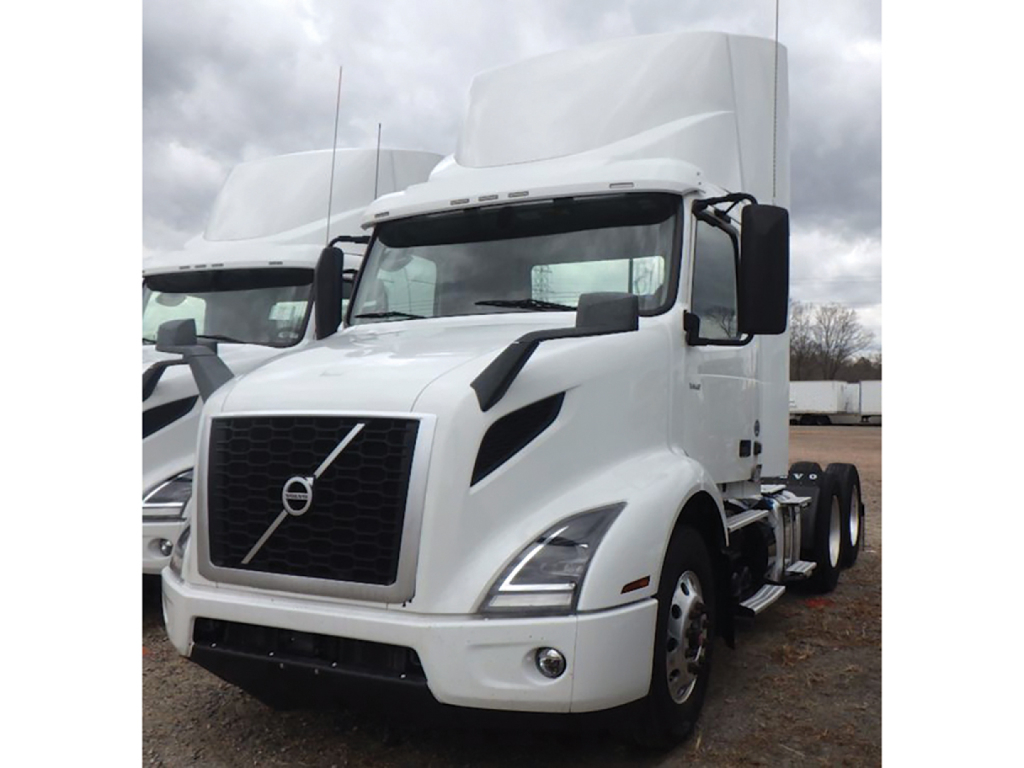
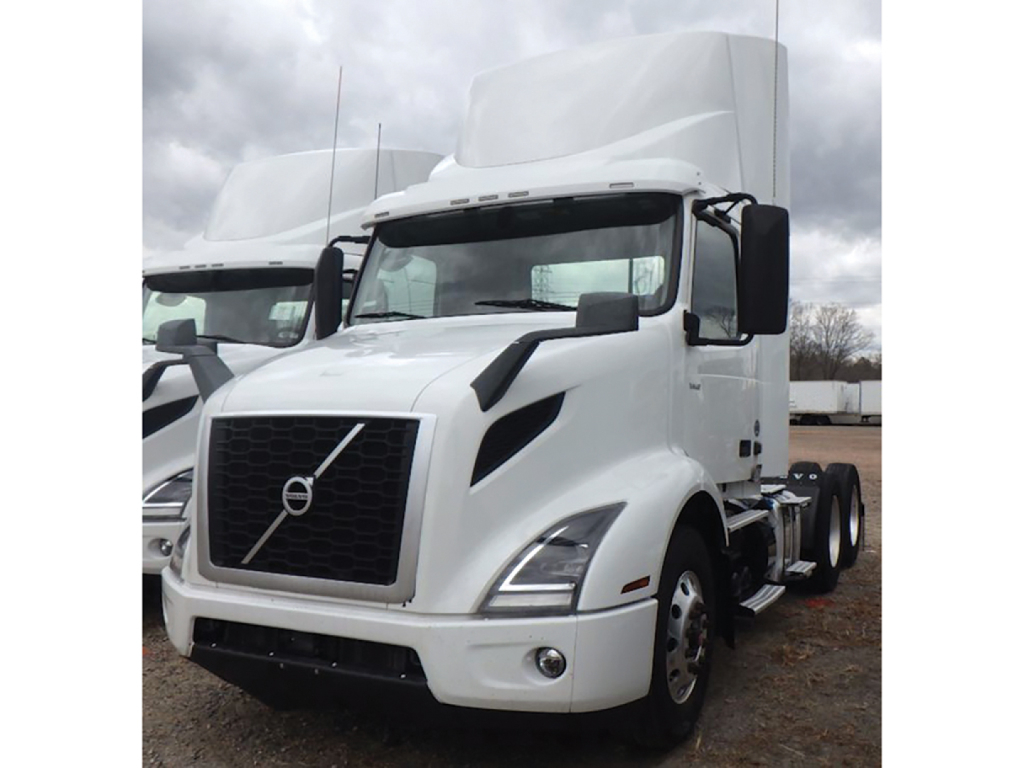
Showing 1 to 12 of 18 results
Have volvo truck to sell? List it here to reach thousands of buyers.
About Volvo Trucks in North Carolina
The biggest buying decision usually starts with application. A Volvo VNL sleeper is built for highway mileage, often with a high-roof cab, integrated fairings, larger fuel capacity, and a tandem axle setup rated around 40,000 pounds. These trucks are commonly spec'd with Volvo D13 engines in the 425 to 455 horsepower range and paired with the Volvo I-Shift automated transmission, a combination known for smooth shifting and good fuel economy on long runs. A VNR day cab is more at home in regional distribution and short-haul freight, where visibility, tighter turning, and easier dock access matter. Older VNM day cabs are often found with manual transmissions, single axles, spring suspension, and faster rear axle ratios or, in some cases, deeper ratios depending on how they were used.
Specs matter more than badge alone on a used Volvo. Buyers should pay close attention to axle configuration, wheelbase, rear ratio, suspension type, and fifth-wheel setup. Single-axle day cabs can be a practical choice for lighter freight, short regional lanes, and operations where lower empty weight and easier maneuvering are important. Tandem-axle sleepers and heavier day cabs are better suited for higher gross weights and regular trailer interchange. In a state like North Carolina, where trucks may move between mountain grades, metro congestion, and coastal corridors, the right ratio and transmission calibration can make a noticeable difference in drivability and fuel burn. Disc brakes, air ride suspension, engine brakes, and sliding fifth wheels are all features that add value depending on the route structure.
Volvo also has a strong reputation for cab ergonomics and safety technology, which is a real factor in driver retention and uptime. Newer trucks often include integrated automated manual transmissions, improved interior layouts, and aerodynamic packages that support lower operating costs. Older Volvo models can still be attractive to buyers who want proven platforms with less electronic complexity and lower acquisition cost. The right choice comes down to matching engine horsepower, transmission type, axle rating, and cab configuration to the freight you plan to pull, not just choosing the newest truck available.
Frequently Asked Questions
What are the main differences between Volvo VNL, VNR, and VNM trucks?
The Volvo VNL is primarily an on-highway sleeper and highway tractor platform designed for long-haul freight, with aerodynamic bodywork, larger sleepers, and specs commonly built around fuel economy. The VNR is a regional haul and urban-focused conventional that typically offers better maneuverability and shorter wheelbase options while still supporting tandem axle and higher GVW applications. The older VNM is a smaller conventional platform often found as a day cab, frequently used in local or regional service where a compact chassis, simpler spec, and lower acquisition cost are priorities.
Is the Volvo I-Shift a good transmission for a used Volvo truck?
The Volvo I-Shift is widely regarded as one of the stronger automated manual transmissions in the Class 8 market when it has been maintained properly and matched to the right application. It helps reduce driver fatigue, supports fuel economy, and generally provides consistent shift logic for regional and highway use. On a used truck, the key is service history, software updates, clutch condition, and how the truck was spec'd, especially axle ratio and engine rating, because those factors affect how well the transmission performs under load.
What should I look for when buying a used Volvo day cab in North Carolina?
Start with the route profile and freight type. For local and regional work, wheelbase, axle rating, rear ratio, and suspension type are often more important than raw horsepower. A single-axle Volvo day cab may be ideal for lighter trailer work and tighter operating areas, while a tandem-axle setup is the better choice for heavier freight and broader trailer compatibility. In North Carolina, buyers should also consider how often the truck will see mountain grades versus flat interstate miles, because that will influence the best engine brake, transmission, and rear axle ratio combination.
Are older Volvo trucks with manual transmissions still a practical choice?
Yes, older Volvo trucks with manual transmissions can still make sense for fleets and owner-operators who want a lower purchase price, simpler driveline components, and a truck intended for limited mileage or specialized local use. Many of these units are straightforward to spec for single-axle day cab work and can be a good fit where electronic complexity is not a priority. The tradeoff is that condition becomes more important than age alone, so driveline wear, clutch condition, suspension condition, and any engine history should be reviewed carefully.
What engine and horsepower range is common in Volvo highway tractors?
A common engine in later-model Volvo highway tractors is the Volvo D13, often rated around 425 to 455 horsepower for a balance of fuel economy and usable torque. Older Volvo trucks may also be equipped with Detroit engines, especially in legacy day cab configurations. The right horsepower rating depends on trailer weight, terrain, cruise speed expectations, and rear axle ratio, so a higher horsepower number is not automatically the best choice if the truck is intended for lighter regional freight.