
Volvo Conventional Sleeper Trucks For Sale in North Carolina
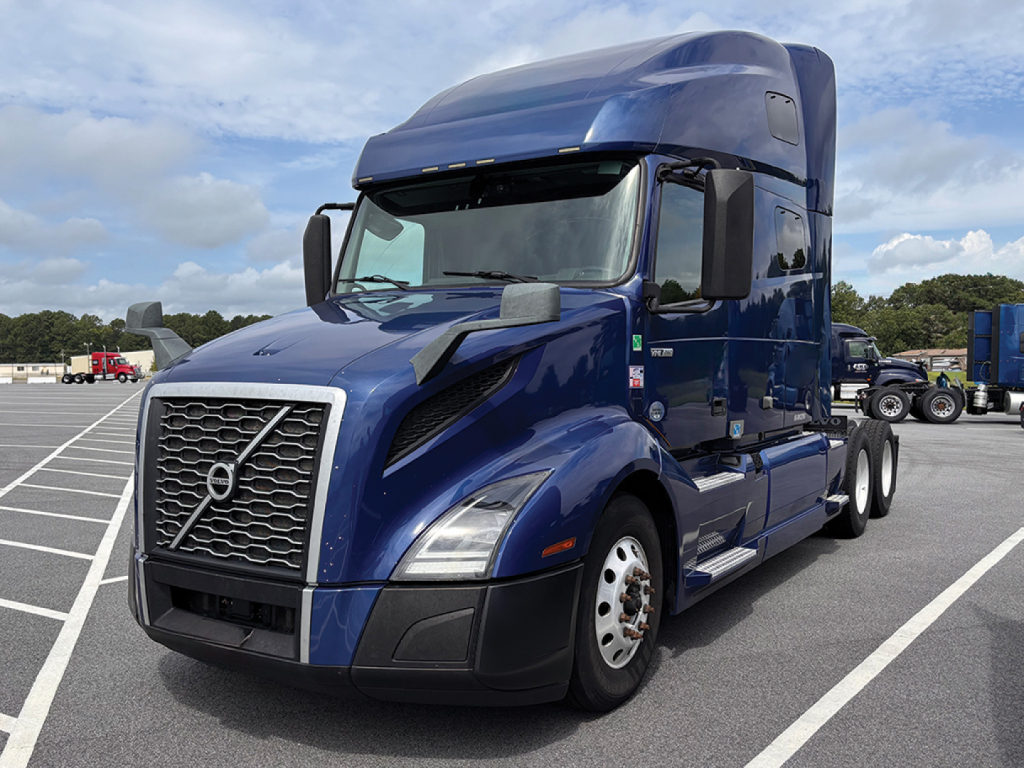
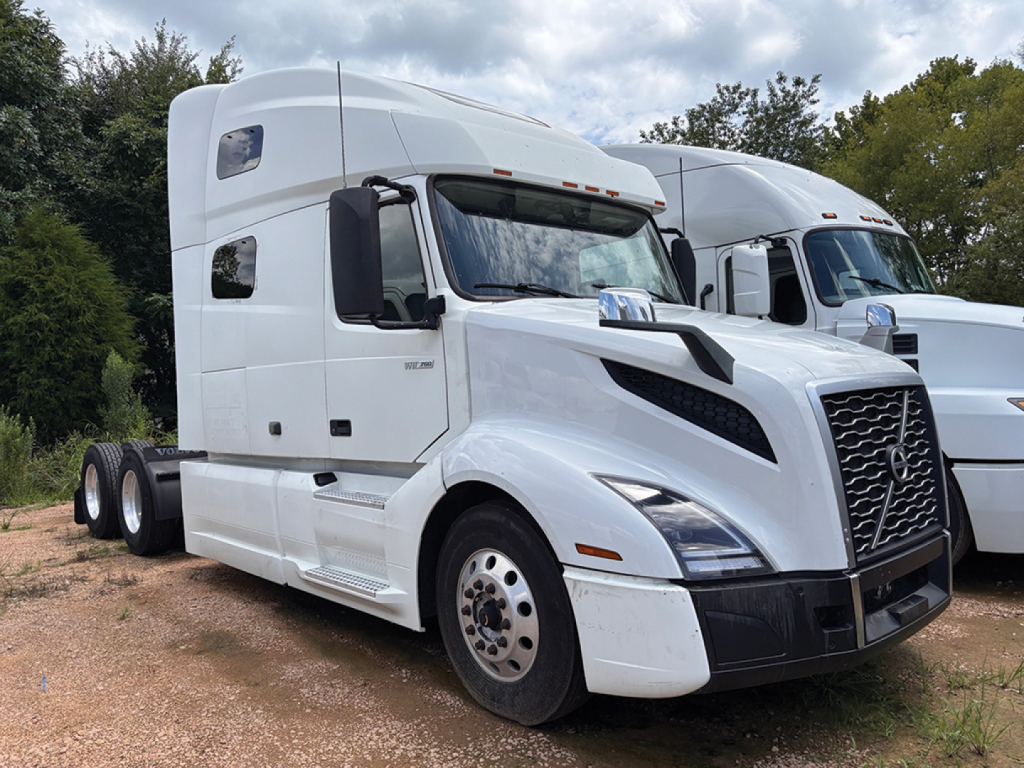
Have volvo conventional sleeper truck to sell? List it here to reach thousands of buyers.
Volvo Conventional Sleeper Trucks in North Carolina
Under the hood, many Volvo sleepers in this class carry the Volvo D13, usually in the 405 to 425 horsepower range, though older units may be spec'd with Cummins ISX engines at higher horsepower. Transmission choice is another major dividing line. Volvo I-Shift automated manuals are popular for fuel economy, reduced driver fatigue, and easier driver onboarding, while 10-speed and 13-speed manual transmissions still appeal to fleets and owner-operators that want a more traditional driveline. Common tandem ratings are 40,000-pound rears with air ride suspension, and axle ratios like 2.47, 2.64, and 3.42 each point to a different application. A 2.47 or 2.64 ratio generally supports fuel-efficient highway cruising, while a 3.42 ratio is better suited to heavier loads, more varied terrain, or operations that value pulling power over the last fraction of mpg.
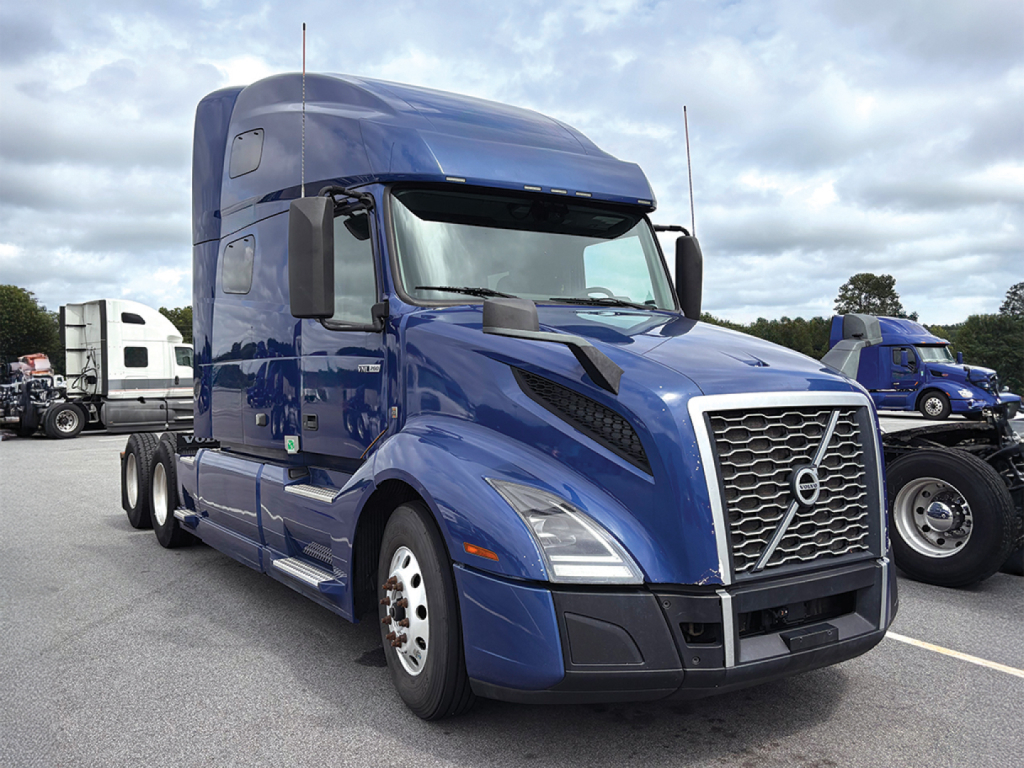
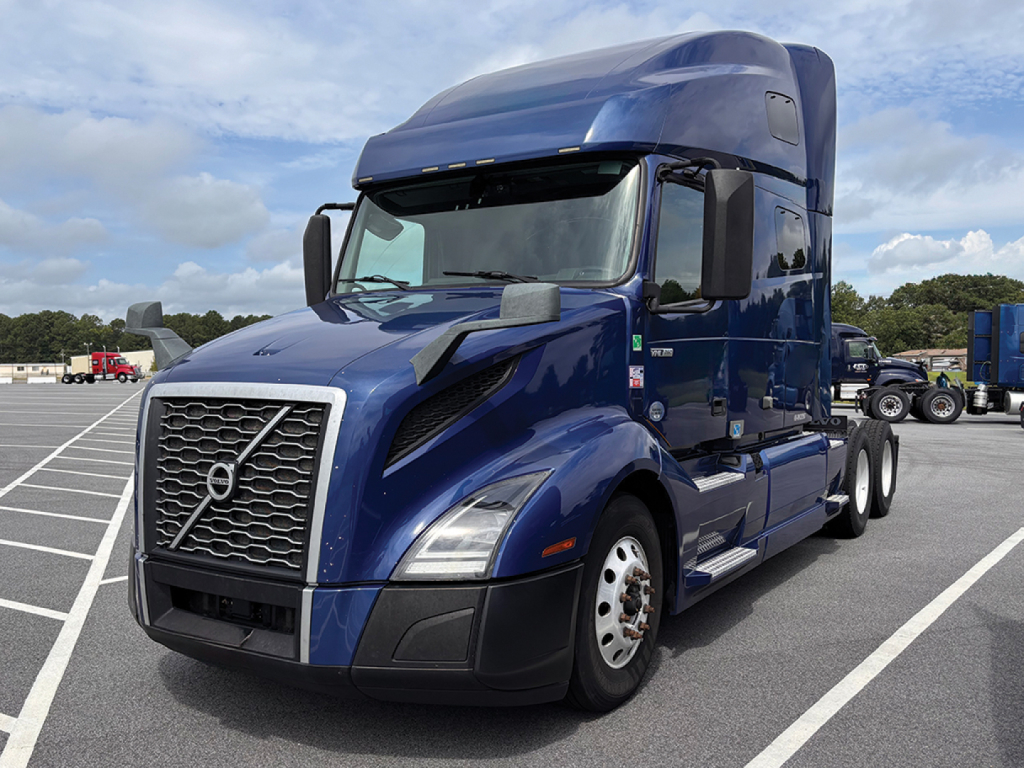
Cab and chassis details deserve close attention on any Volvo conventional sleeper. Wheelbases in the 218-inch to 240-inch range are common, and that measurement affects trailer gap, ride quality, and turning radius. Air slide fifth wheels add flexibility for mixed trailer fleets, while side fairings, cab extenders, quarter fenders, and horizontal exhaust setups help keep the truck aerodynamic and practical for linehaul use. Inside the sleeper, upper bunks, bunk heaters, APUs, power windows, tilt and telescoping steering columns, and upgraded interiors can make a meaningful difference in driver retention and idle time. On later VNL models, disc brakes and low-profile 22.5 tires are also worth noting for stopping performance and service planning.
A good Volvo sleeper truck fit comes down to matching the spec to the freight. For dry van and reefer carriers running steady interstate miles, a D13 with I-Shift, mid-roof or full sleeper, and a fast rear ratio is often the right balance. For heavier freight or mixed regional work, buyers may lean toward a shorter ratio, manual transmission, or higher-horsepower engine. Service history, emissions system condition, mileage, and cab interior wear should carry as much weight as model year. Volvo conventional sleepers have a strong reputation for driver-focused ergonomics, aerodynamic design, and efficient long-distance operation, but the best purchase is always the one with a drivetrain and sleeper configuration that matches the job.
Frequently Asked Questions about Volvo Conventional Sleeper Trucks in North Carolina
What are the most common Volvo conventional sleeper models?
The most common Volvo conventional sleeper trucks are from the VNL series, especially the VNL 670, VNL 760, and VNL 780. The main differences are sleeper size, interior room, and overall configuration for regional or over-the-road use. A VNL 670 is often chosen as a practical long-haul spec, while the VNL 760 and 780 typically offer more living space and premium sleeper accommodations.
Is the Volvo I-Shift a good transmission for a sleeper truck?
The Volvo I-Shift is widely regarded as a strong choice for sleeper applications because it helps improve fuel economy, reduces driver fatigue, and simplifies training for fleets with multiple drivers. It is especially well-suited to highway freight and consistent long-distance routes. Buyers should still confirm service records, clutch and calibration history, and how the transmission was spec'd with the rear axle ratio and engine power rating.
What rear axle ratio should I look for in a Volvo sleeper?
Rear axle ratio should match the freight and route profile. Ratios such as 2.47 or 2.64 are common in fuel-mileage-focused highway tractors that spend most of their time at cruising speed with standard van or reefer loads. A 3.42 ratio is typically better for heavier loads, more stop-and-go work, hillier terrain, or operations that need stronger low-speed pulling performance. The right answer depends on gross weight, average speed, and trailer type.
What should I inspect first on a used Volvo conventional sleeper truck?
Start with engine and emissions history, transmission performance, and signs of excessive idle time or poor maintenance. Then look at the sleeper condition, bunk equipment, APU operation if equipped, suspension wear, brake type and remaining life, tire condition, and fifth wheel operation. On long-haul tractors, interior wear can also reveal how hard the truck was used and whether it was maintained with driver comfort in mind.
Are Volvo conventional sleepers good for North Carolina and Southeast freight lanes?
Yes. Volvo conventional sleeper trucks are a good fit for North Carolina and broader Southeast operations because they are commonly spec'd for highway efficiency, driver comfort, and regional-to-OTR flexibility. They work well for carriers moving freight through major corridors like I-40, I-77, I-85, and I-95, especially in dry van, reefer, and general freight service where aerodynamic spec choices and sleeper comfort directly affect operating cost and uptime.