
Volvo Trucks For Sale in New York
Browse Volvo trucks for sale in New York, including VNM and VNR day cabs with D11 or D13 power, I-Shift or manual transmissions.
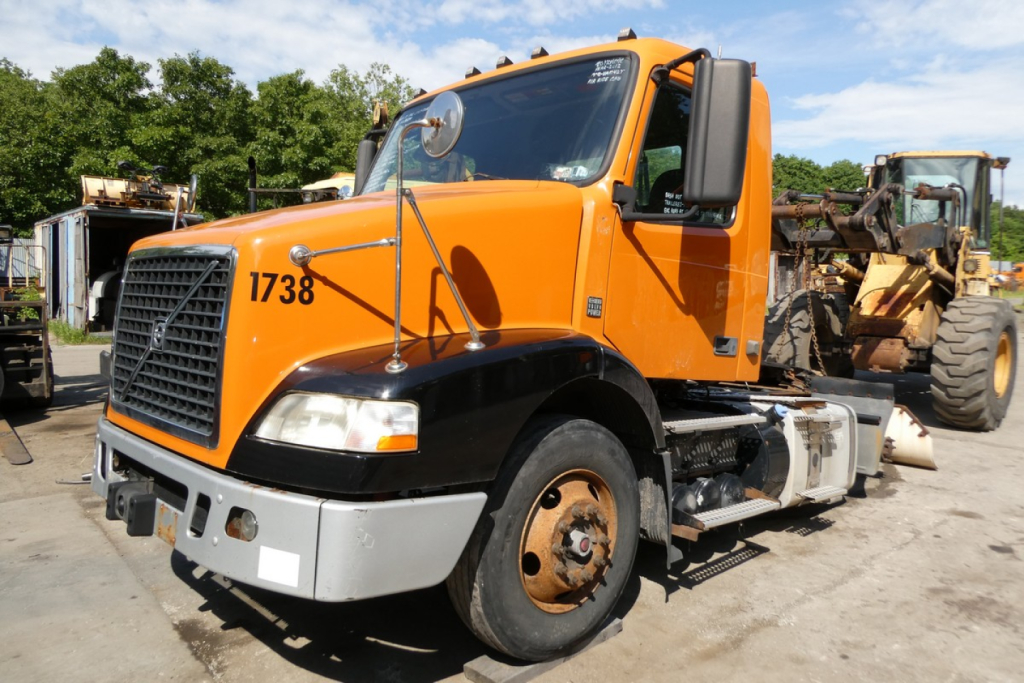
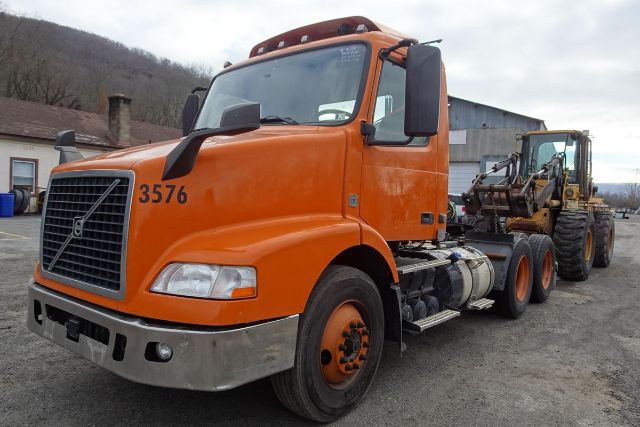
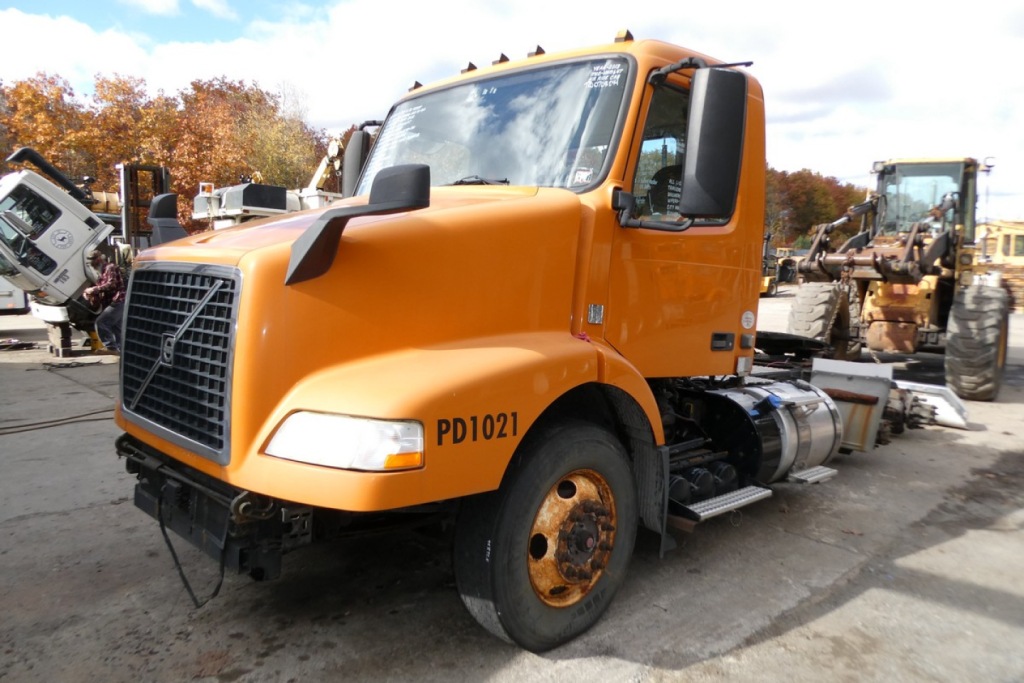
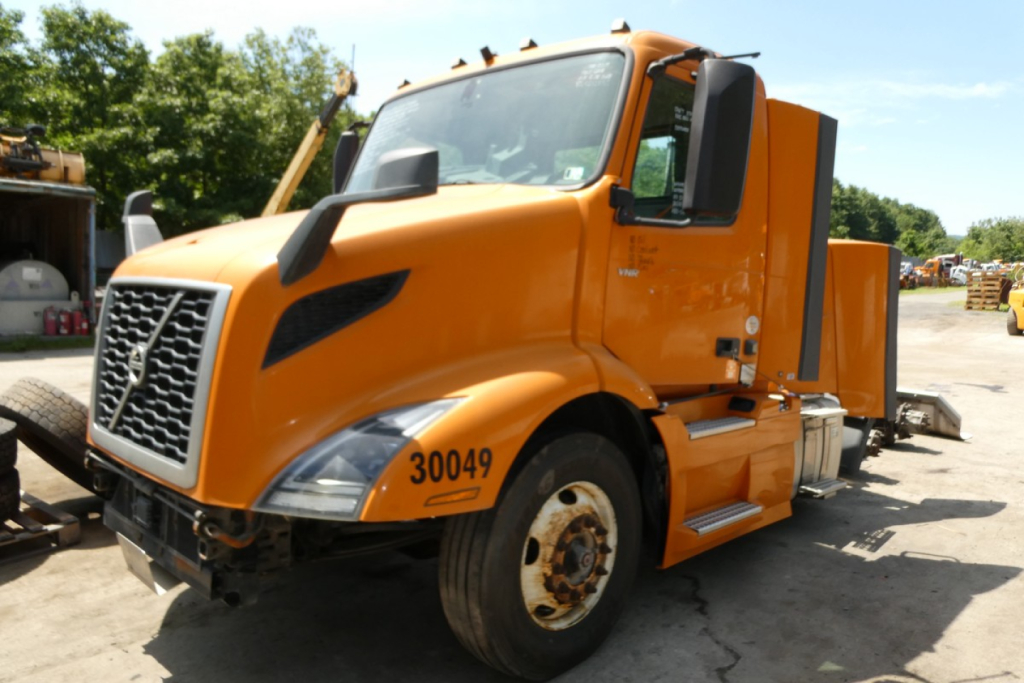
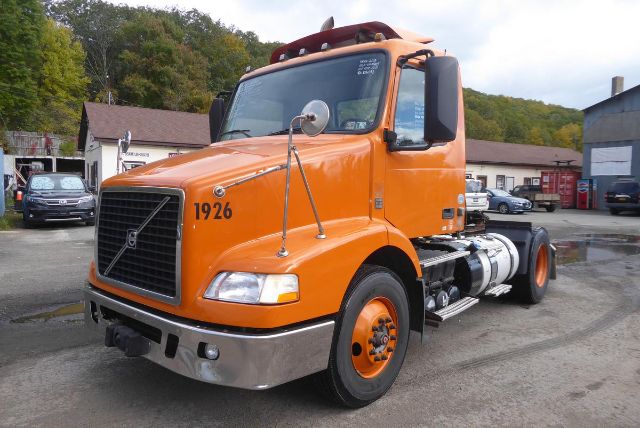
2018 Volvo VNM64T
783,596 mi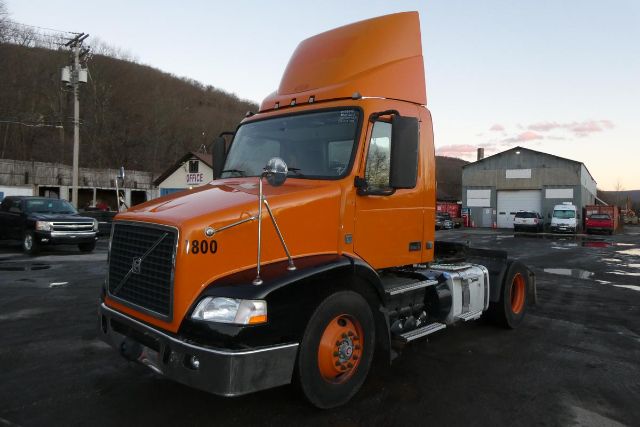
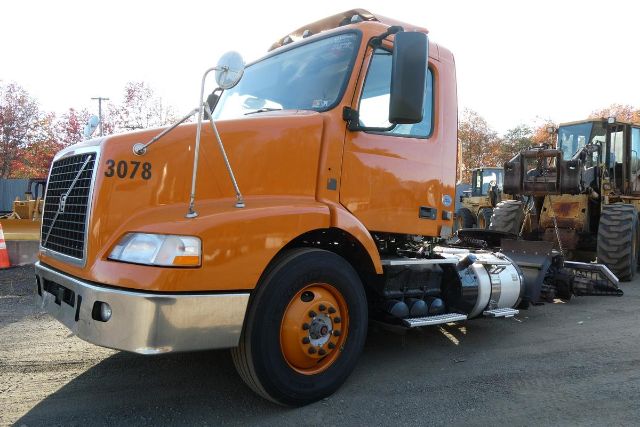
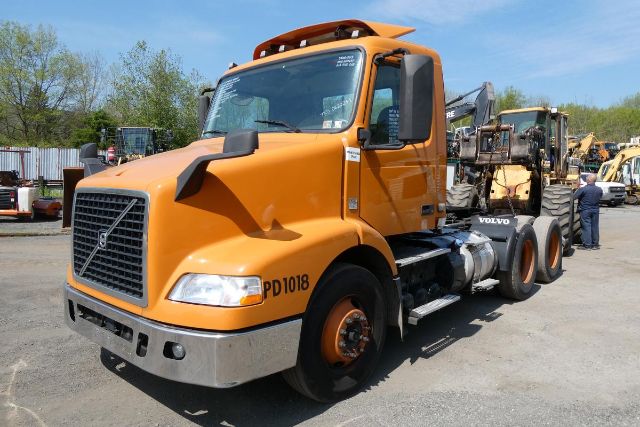
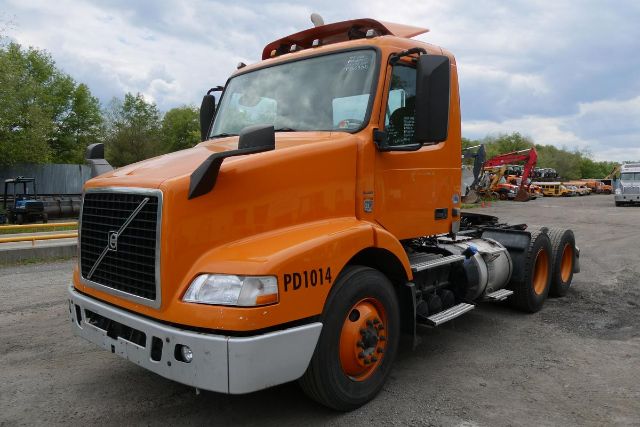
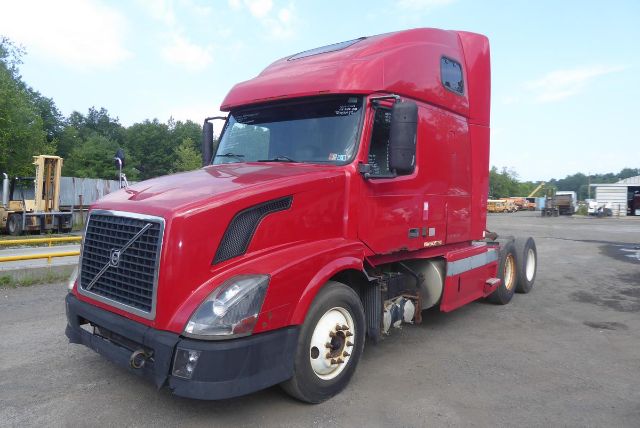
2016 Volvo VNM64T
737,314 mi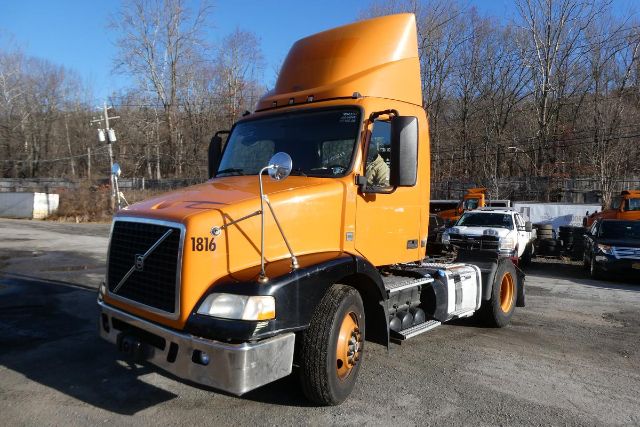
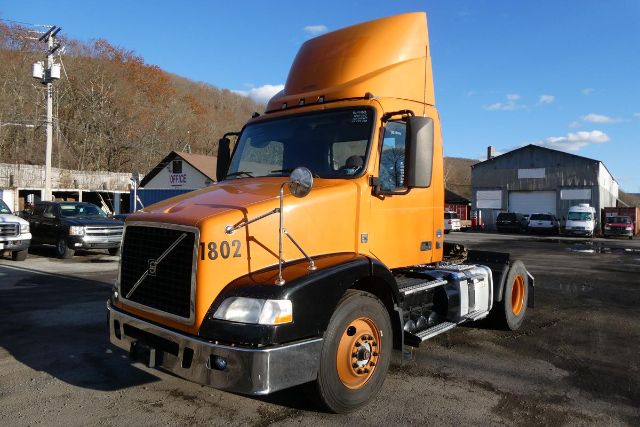
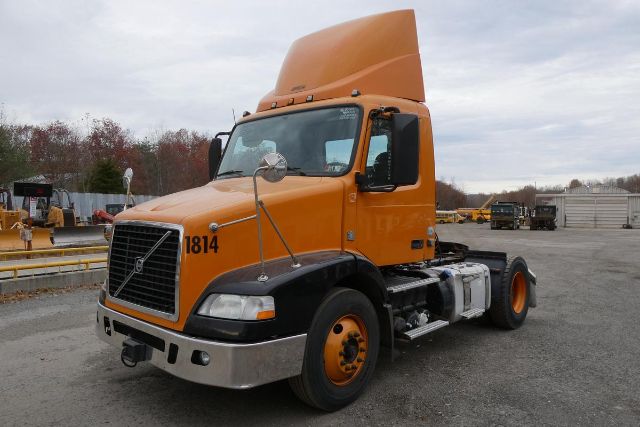
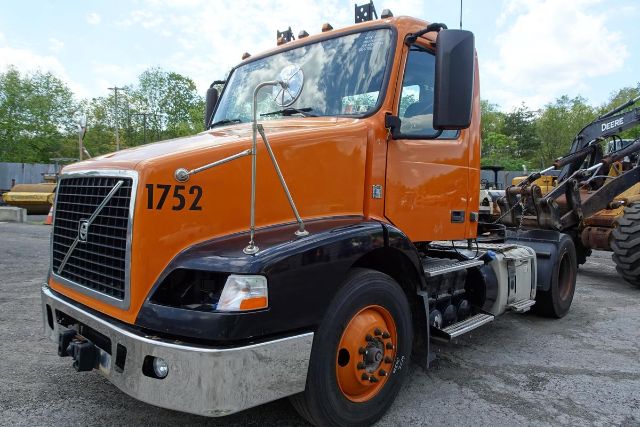
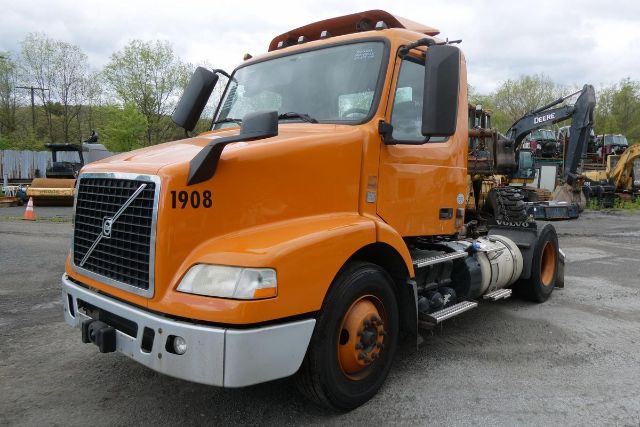
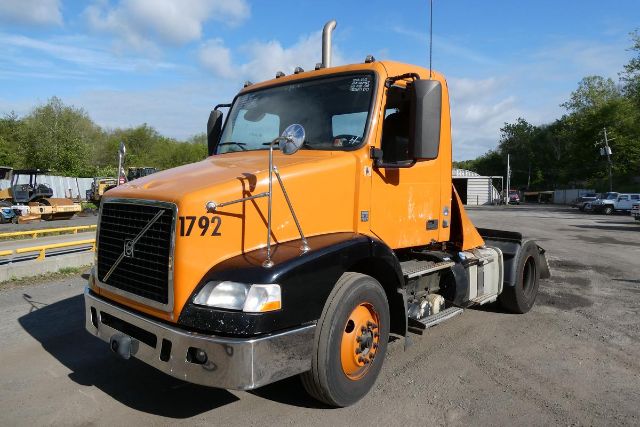
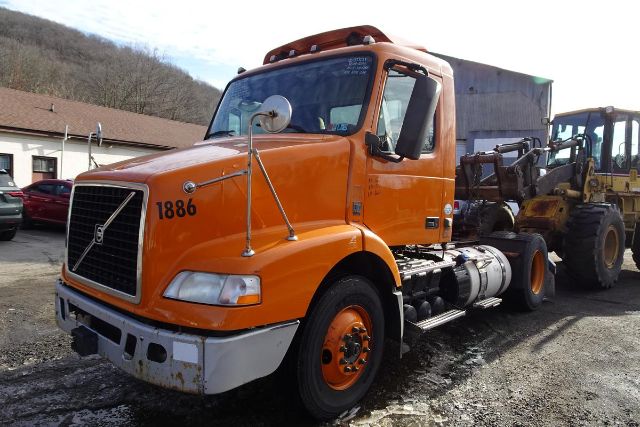
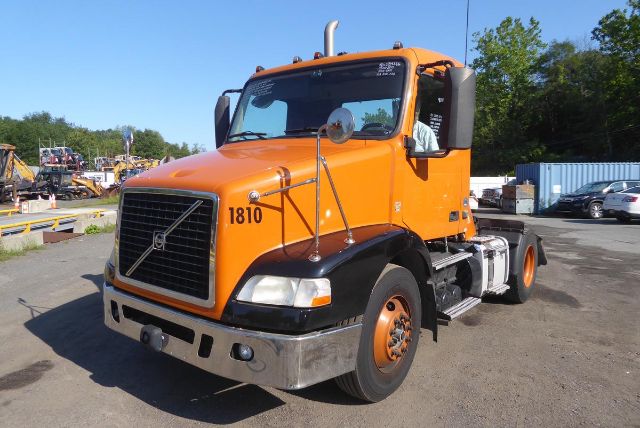
2013 Volvo VNM42T
631,801 mi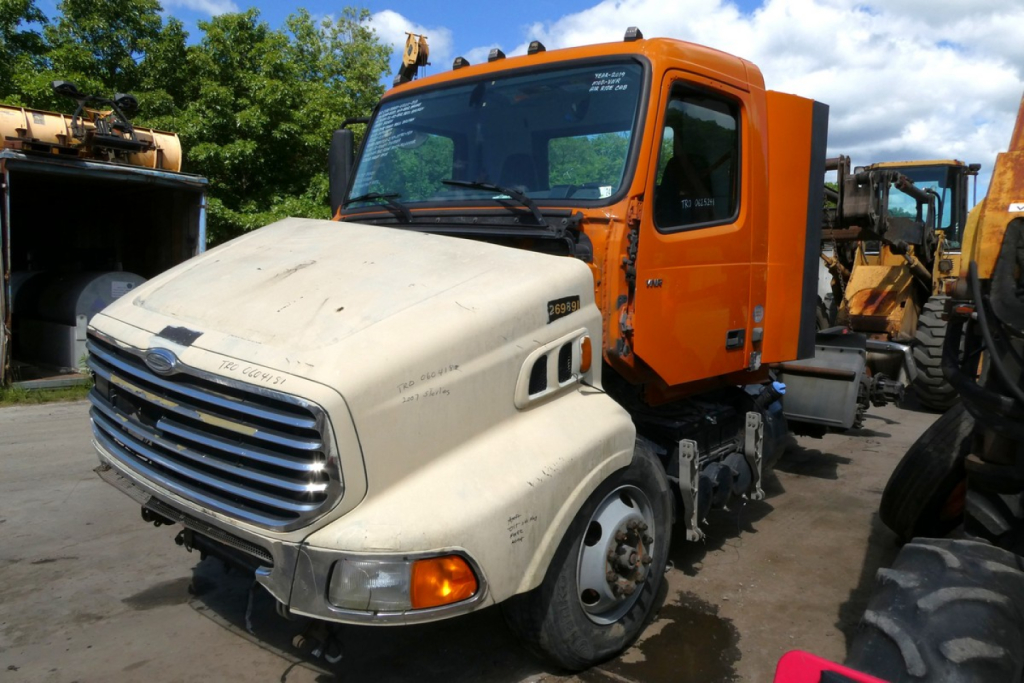
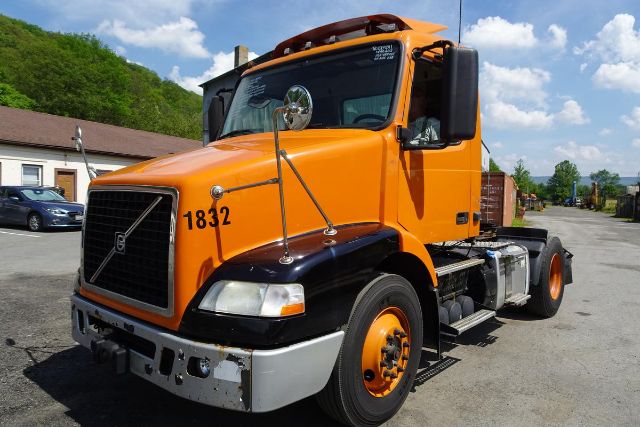
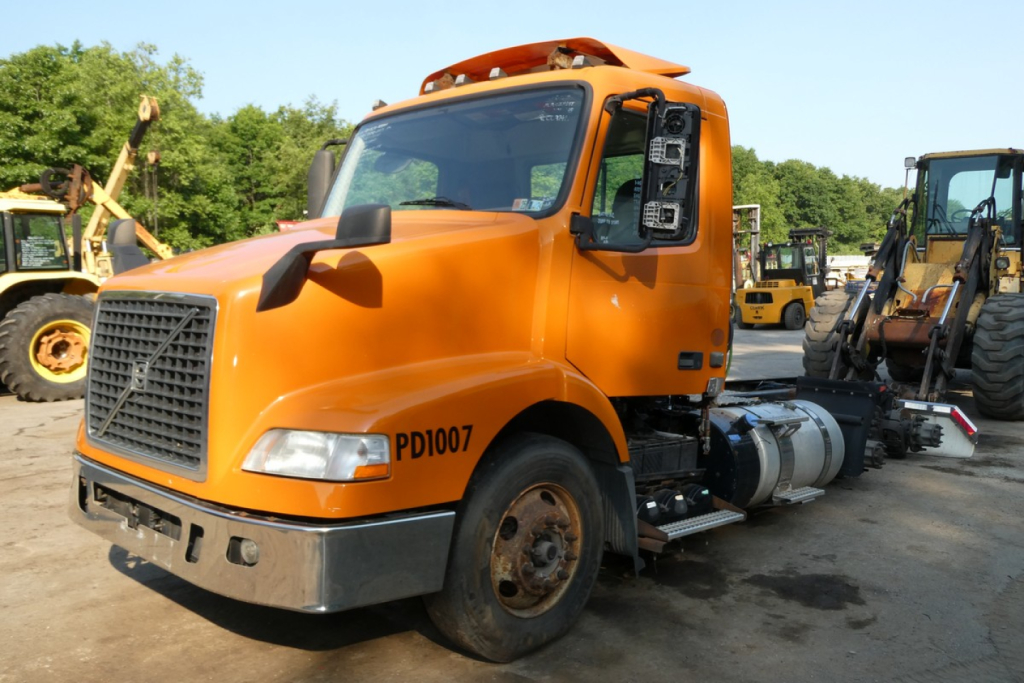
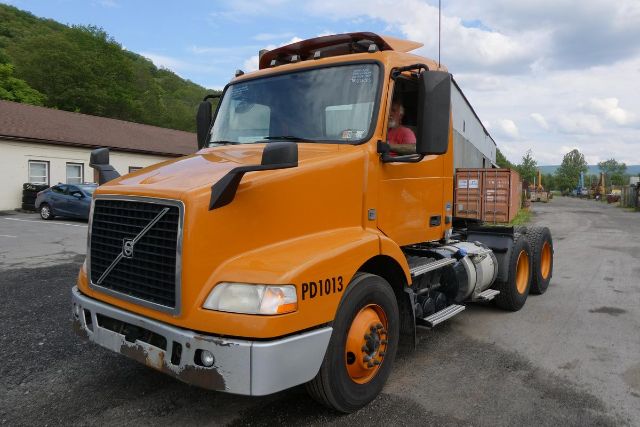
Showing 25 to 48 of 52 results
Have volvo truck to sell? List it here to reach thousands of buyers.
Volvo Trucks in New York
Engine and drivetrain choices are a major dividing line in this category. Many Volvo trucks on the used market are equipped with Volvo D11 or D13 diesel engines, typically paired with either a Volvo I-Shift automated manual or a traditional Fuller manual transmission. The D11 is often selected for weight-sensitive or medium-duty tractor applications, while the D13 is the more common option for higher GCW demands and sustained highway use. Horsepower in this class often falls in the 385 to 455 HP range, with rear axle ratios such as 2.47, 2.64, or 3.42 changing how the truck behaves under load, at highway speed, and in stop-and-go service. A lower numerical ratio usually supports fuel economy on faster routes, while a deeper ratio can be more useful where startability and low-speed pulling power are priorities.
Chassis details deserve close attention on any Volvo truck purchase. Common specs in this segment include 12,000 to 12,350 lb front axles, 20,000 lb single rear axles on lighter 4x2 tractors, and 40,000 lb tandem rears on 6x4 units. Volvo air ride suspensions are popular because they help with ride quality and trailer protection, and many buyers specifically look for air disc brakes, air slide fifth wheels, and hub-piloted steel wheels in fleet day cabs. Wheelbase and cab-to-axle dimensions matter if the truck will be matched to a specific trailer length, body install, or terminal dock environment. On regional tractors, a shorter wheelbase can improve maneuverability in crowded yards and city streets, while a longer wheelbase may offer better ride and packaging for certain vocational setups.
Used Volvo trucks can be strong value buys, but condition matters more than badge alone. Buyers should pay particular attention to emissions system history, fault codes, transmission operation, clutch actuation on I-Shift units, steering components, air system performance, and brake wear. Review engine hours alongside odometer mileage, and compare ECM data when available. It is also smart to confirm rear axle model, suspension capacity, fifth wheel type, and whether the frame is single or double based on the intended application. For a fleet buyer or owner-operator shopping Volvo trucks in New York, the best unit is usually the one with the right wheelbase, axle rating, and drivetrain spec for the route, not simply the newest truck on the page.
Frequently Asked Questions about Volvo Trucks in New York
What are the most common Volvo truck models buyers look at for regional day cab work?
The Volvo VNM and Volvo VNR are two of the most common models in this category. The VNM is known for a compact, practical day cab layout that fits regional haul and local freight well, while the VNR is designed for regional applications with updated aerodynamics, cab ergonomics, and efficiency-focused spec options. Both are commonly found in 4x2 and 6x4 tractor configurations and are often used in distribution, drayage, tanker, and dedicated route service.
Is a Volvo D11 or D13 engine better for a used day cab tractor?
It depends on the job. The Volvo D11 is a good fit when lighter weight and moderate power needs are more important than maximum pulling capacity, and it is often seen in single-axle or lighter regional tractors. The Volvo D13 is the more common choice for tandem-axle day cabs, heavier trailer work, and routes that demand stronger torque and broader performance under load. Buyers should match engine choice to gross combination weight, terrain, stop frequency, and expected annual mileage.
What should I check on a used Volvo truck with an I-Shift transmission?
Start with shift quality from a stop, clutch engagement, fault codes, and any signs the transmission defaults to manual-only operation or has launch hesitation. On a Volvo I-Shift truck, it is important to inspect the transmission control system, clutch wear data if available, driveline condition, and related electrical communication issues. A road test under load is ideal because some problems show up only during low-speed takeoff, grade changes, or repeated shifting in traffic.
Are Volvo day cabs a good fit for New York operations?
Yes, especially when the truck is spec'd with the right wheelbase and axle configuration. New York operations often involve tighter streets, terminal congestion, bridge and weight considerations, and frequent stop-and-go driving. A shorter wheelbase Volvo day cab can be easier to maneuver in urban and port environments, while a tandem-axle setup may be necessary for heavier freight or broader trailer interchange needs. The right spec matters more than the nameplate alone.
What axle ratios are common on Volvo regional tractors, and why do they matter?
Ratios such as 2.47, 2.64, and 3.42 are common depending on engine, transmission, and intended use. A 2.47 or 2.64 ratio is often chosen for regional highway work where lower cruising RPM and fuel economy are important, especially with an automated manual transmission. A 3.42 ratio is deeper and can improve low-speed pulling performance and startability, which may be more useful in certain local, vocational, or weight-sensitive applications. The best ratio depends on route speed, payload, and transmission calibration.