
Volvo Trucks For Sale in Florida
Browse Volvo trucks for sale in Florida, including VNL day cabs and sleepers with D13 engines, I-Shift transmissions, and fleet-ready specs.

Selling a volvo truck? List your volvo truck for sale and reach thousands of commercial buyers.
Volvo Trucks in Florida
A lot of buyers start with the powertrain, and that is where Volvo usually stands out. The Volvo D13 is the engine most buyers will see in late-model VNL listings, typically rated around 405 to 425 horsepower in fleet spec, though higher horsepower ratings are available. Many trucks are paired with the Volvo I-Shift automated manual transmission, a setup that has become popular for linehaul, regional haul, and dedicated freight because it delivers consistent shifting, solid fuel economy, and easier driver onboarding than a traditional manual. Rear axle ratios such as 2.64 or 2.80 are common on highway-oriented specs, and they usually indicate a truck built for efficient cruising rather than heavy vocational work.
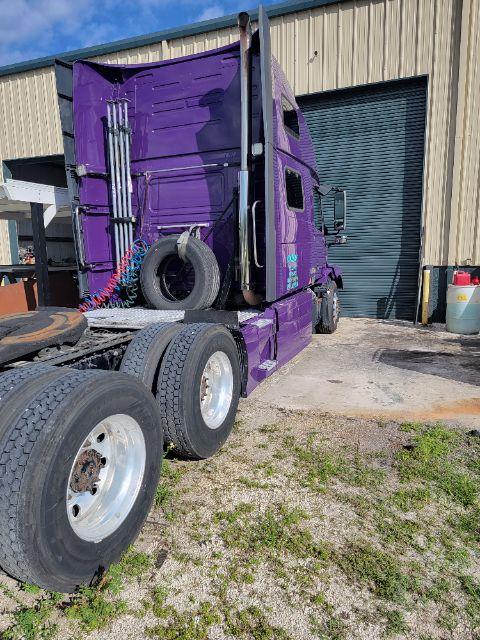
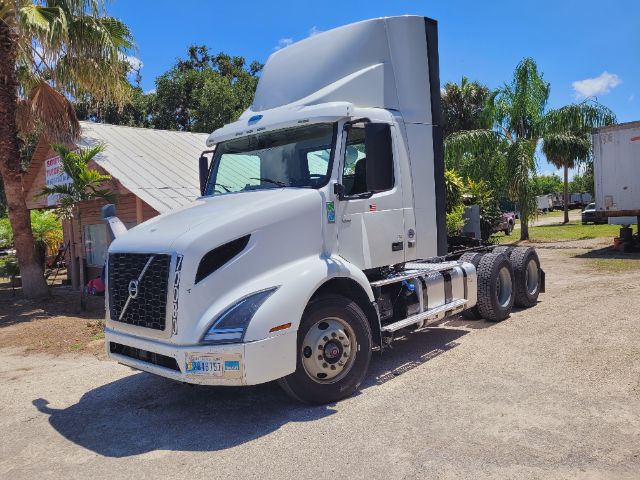
Cab style and axle configuration matter just as much as engine and transmission. Volvo day cabs are well suited for local and regional freight, drayage, dedicated routes, and operations where sleeper space is unnecessary. Buyers should compare wheelbase, fifth wheel type, suspension, fuel capacity, and whether the truck is a tandem, single drive axle, or single axle with air tag. Air ride suspension, disc or drum brake setups, aluminum wheels, low-profile 22.5 tires, and aerodynamic fairings are all common spec points that affect ride quality, maintenance cost, and payload flexibility. For Florida operations, details like air conditioning performance, corrosion condition, and cooling system service history deserve extra attention because of heat, humidity, and stop-and-go traffic.
When comparing used Volvo trucks, focus on application fit more than model year alone. A VNL spec built for over-the-road fuel economy may not be the best match for heavy urban hauling, while a day cab with the right axle, ratio, and fifth wheel setup can be highly productive in regional service. Service records, emissions system history, transmission calibration updates, tire wear patterns, and signs of consistent preventive maintenance are important on any used Volvo. Buyers looking at sleeper models should also evaluate bunk condition, inverter setup, HVAC performance, and interior wear, since these trucks are often chosen as much for driver retention as for operating cost.
Frequently Asked Questions about Volvo Trucks in Florida
What are the most common Volvo truck models buyers look for in Florida?
The Volvo VNL series is the most common model family in the highway truck market, with VNL 300 day cabs frequently showing up in regional and local applications. Sleeper versions of the VNL are also popular for long-haul freight. Day cabs are typically chosen for dedicated routes, drayage, and terminal-based work, while sleeper trucks fit carriers running interstate lanes or teams that need extended bunk space and driver amenities.
Is the Volvo D13 and I-Shift combination a good choice for used truck buyers?
The Volvo D13 paired with the Volvo I-Shift automated transmission is widely considered a strong spec for fuel-efficient highway and regional hauling. The D13 has been a mainstay in Volvo road tractors for years, and the I-Shift is valued for smooth operation, reduced driver fatigue, and consistent shift logic. On a used truck, the key is not just the engine and transmission model, but documented maintenance, software updates, clutch condition, and emissions system service history.
What should buyers check on a used Volvo day cab?
A used Volvo day cab should be evaluated for wheelbase, rear axle rating, axle configuration, suspension type, and fifth wheel setup so it matches the intended trailer and lane. Buyers should also inspect brake type, tire wear, frame condition, cooling system health, and the condition of cab components such as seats, HVAC, steering, and electronics. If the truck was used in high-stop or urban service, pay close attention to suspension wear, transmission behavior at low speeds, and any signs of excessive idle hours.
Are Volvo trucks good for fuel economy?
Volvo trucks have a strong reputation for fuel economy, especially in aerodynamic VNL highway specs with the D13 engine, I-Shift transmission, and fast rear axle ratios like 2.64 or 2.80. Actual fuel performance depends on speed, payload, terrain, idle time, and driver habits, but the platform is commonly selected by fleets trying to control operating costs. Fairings, cab extenders, low-rolling-resistance tires, and proper drivetrain spec all play a role in how efficiently the truck performs.
What matters most when choosing between a Volvo day cab and sleeper?
The decision comes down to route length, driver needs, and revenue model. A day cab usually makes more sense for local and regional work because it is lighter, simpler, and easier to maneuver in tight areas. A sleeper is the better fit for over-the-road applications where drivers need bunk space, storage, and extended comfort features. Buyers should also consider wheelbase, fuel capacity, tare weight, and how the truck’s spec lines up with the trailers and freight they plan to pull.