
2026 Volvo Trucks For Sale
Compare 2026 Volvo trucks by spec, from VNL sleepers to VNR regional and VNX heavy haul. Focus on weight, cooling, frame strength, corrosion, uptime.
Learn moreBrowse Volvo Trucks by Category
60 Listings
Showing 49 to 60 of 60 results
Have 2026 volvo truck to sell? List it here to reach thousands of buyers.
About 2026 Volvo Trucks
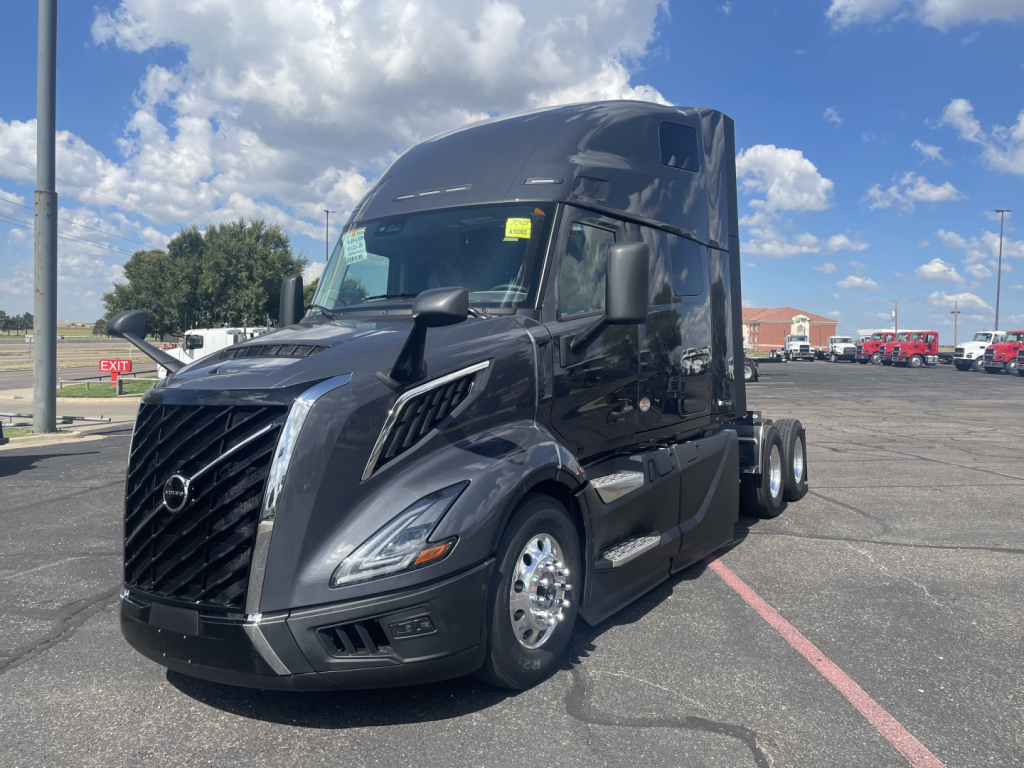
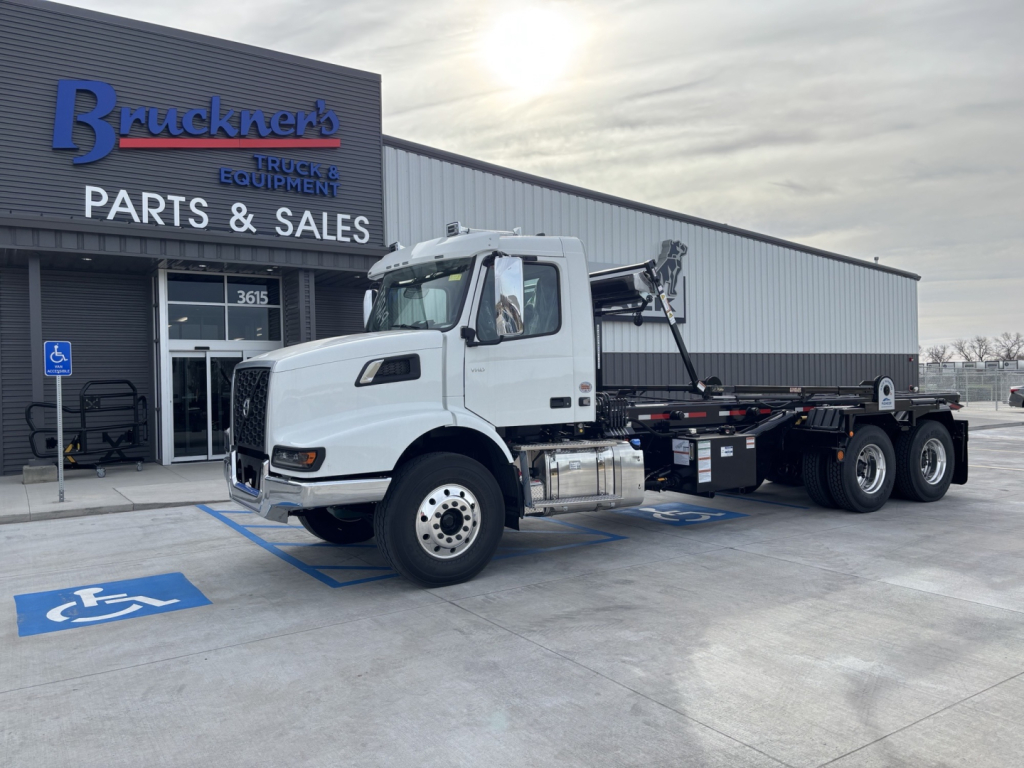
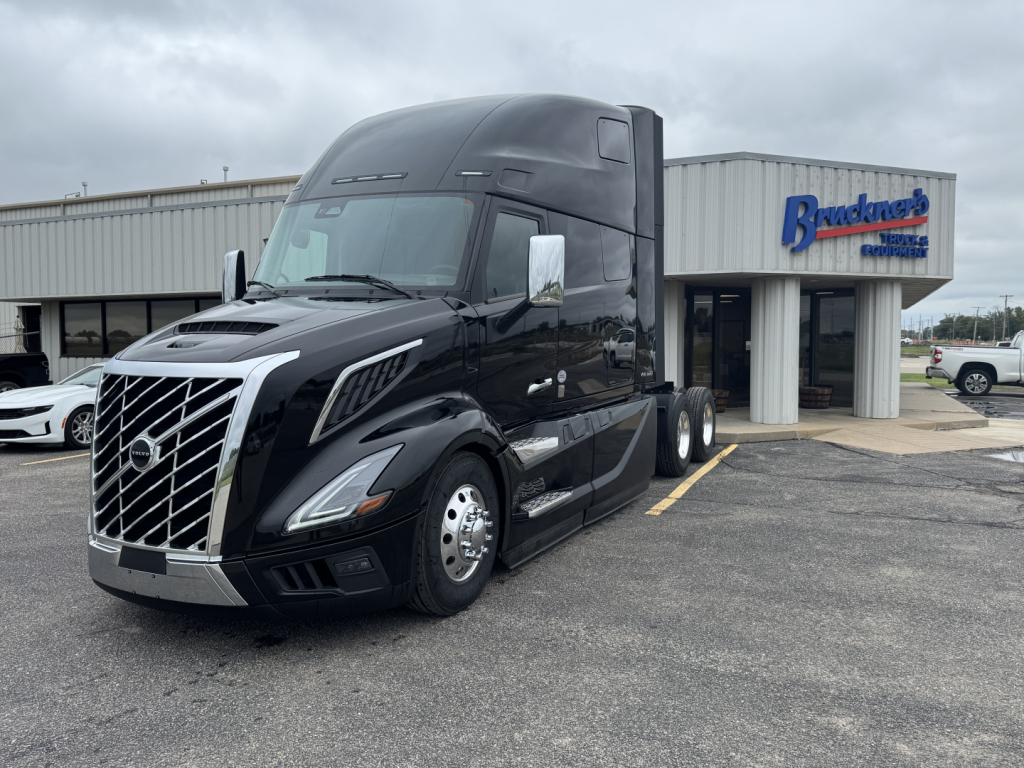
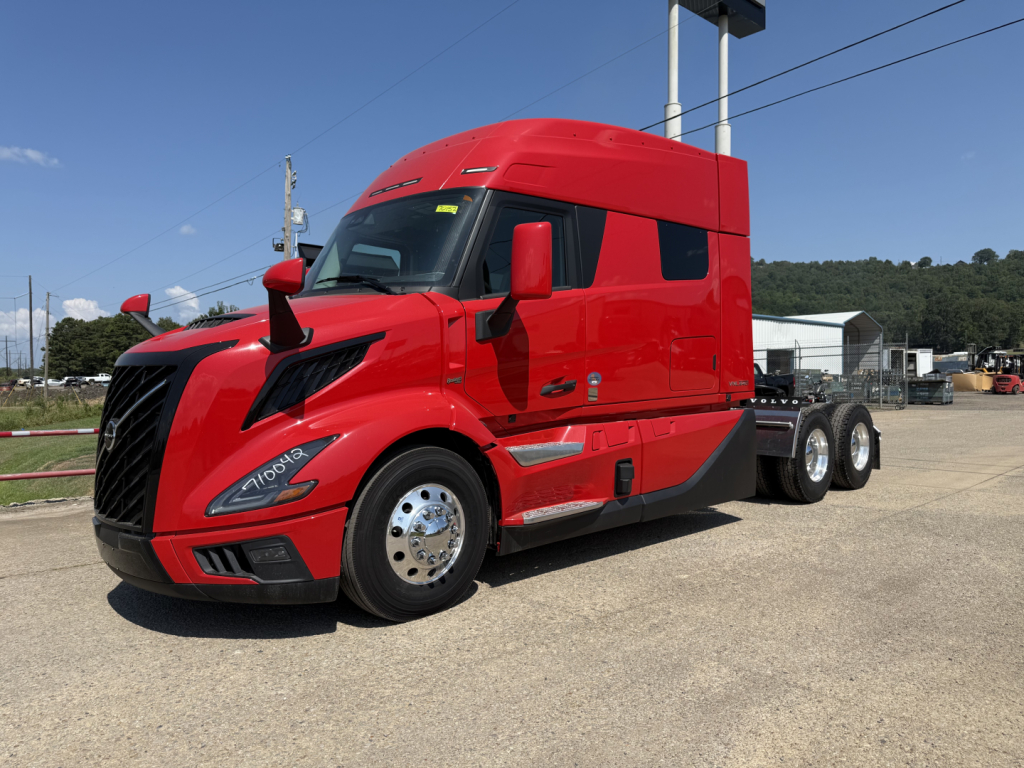
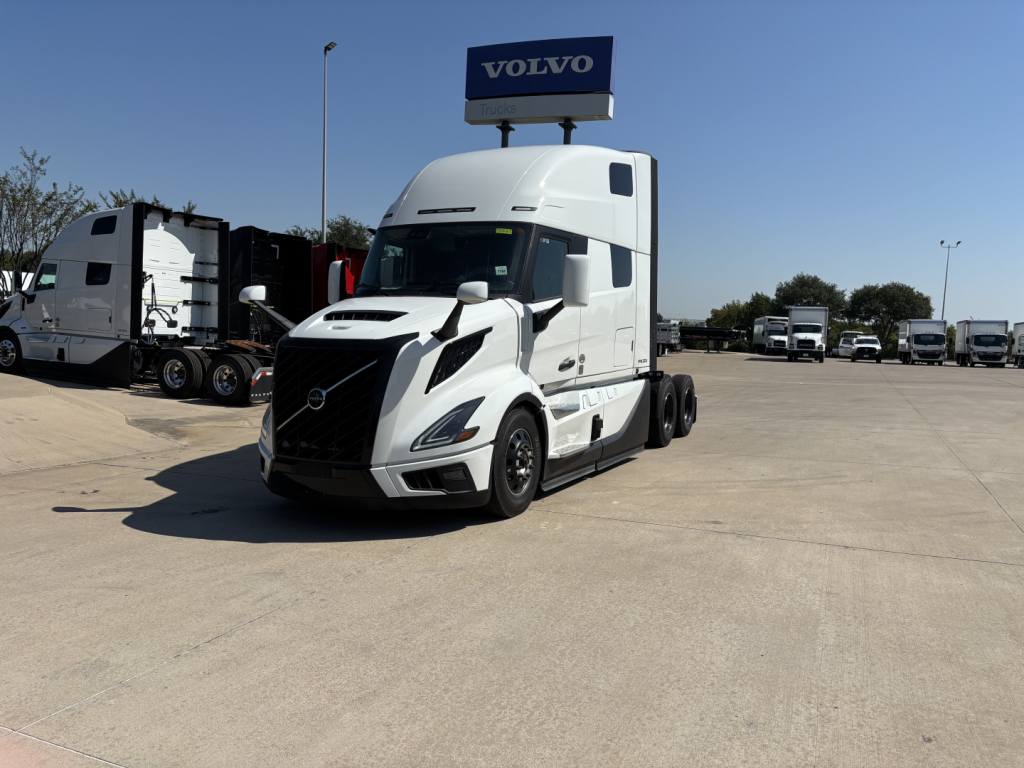
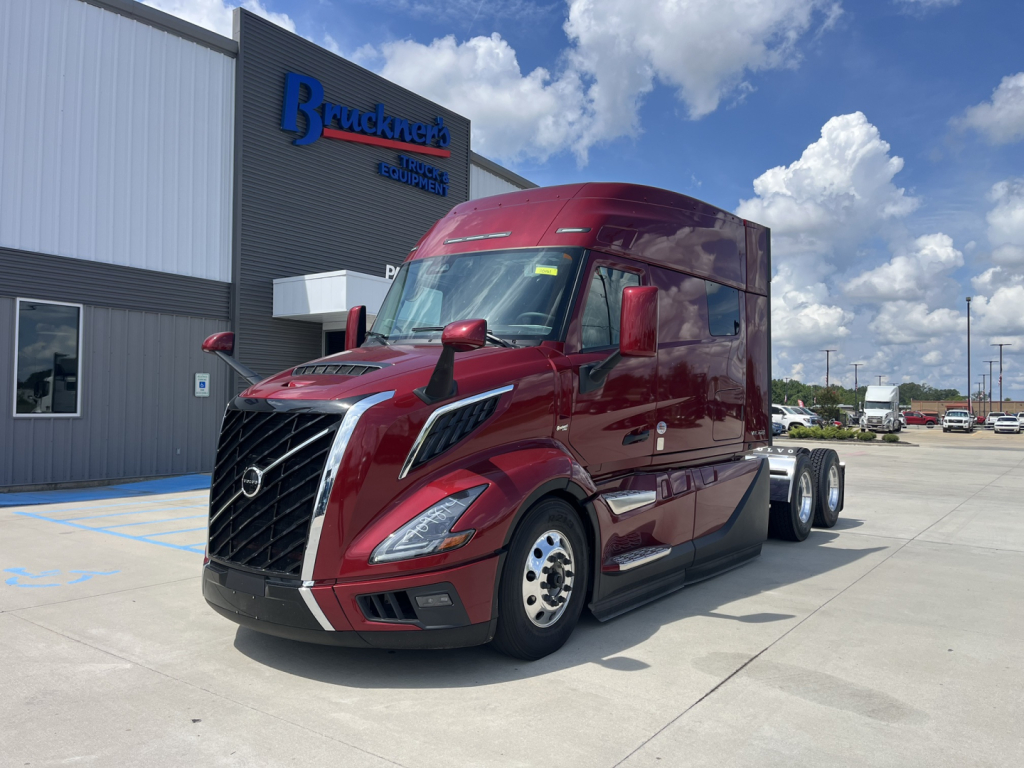
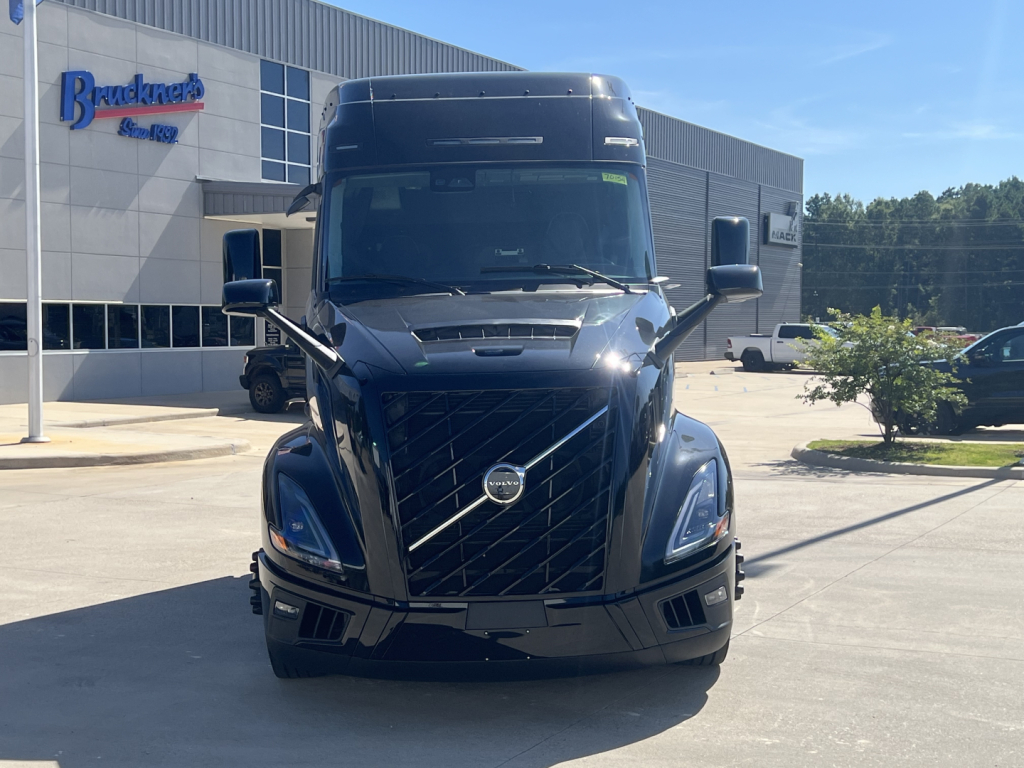
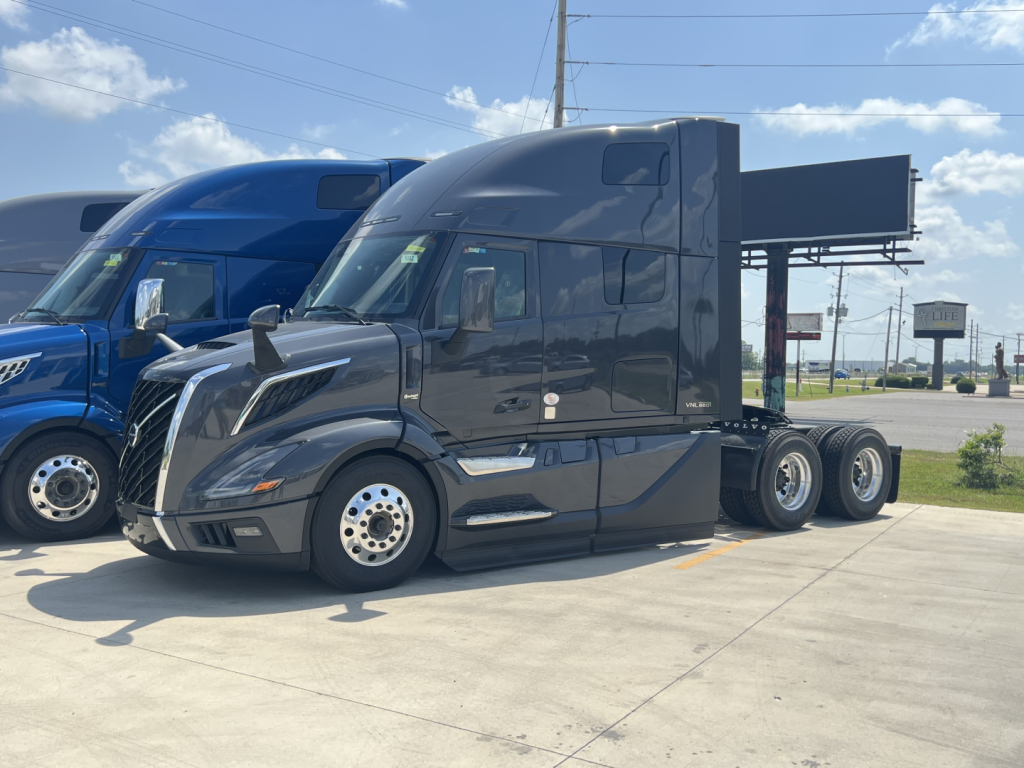
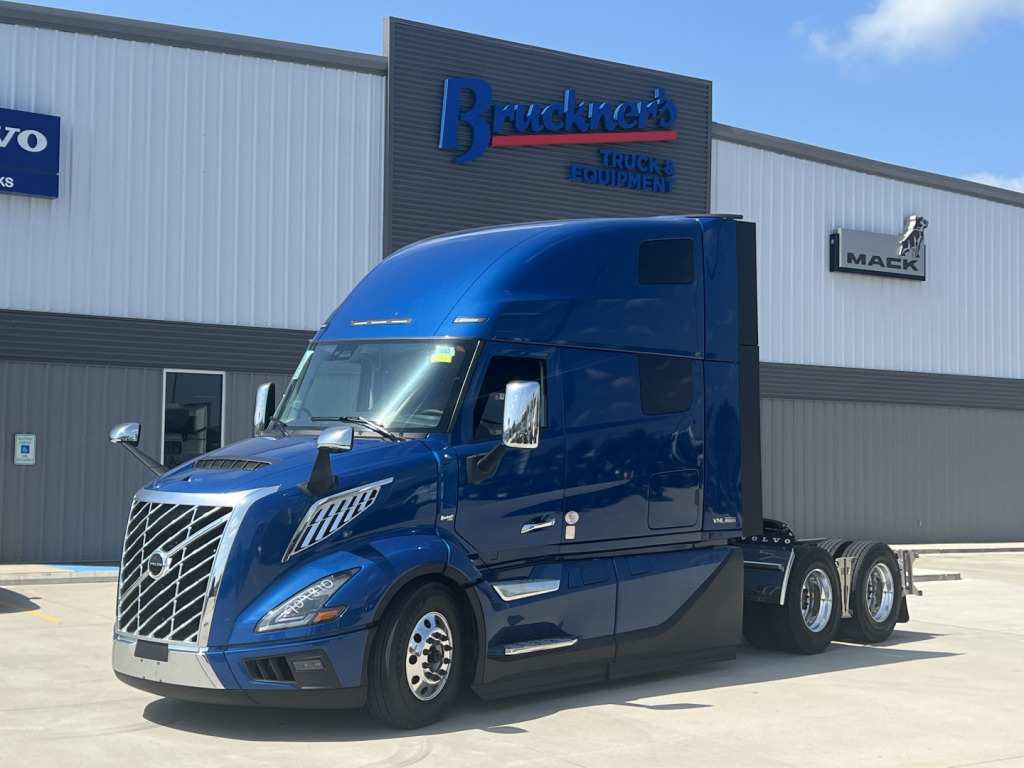
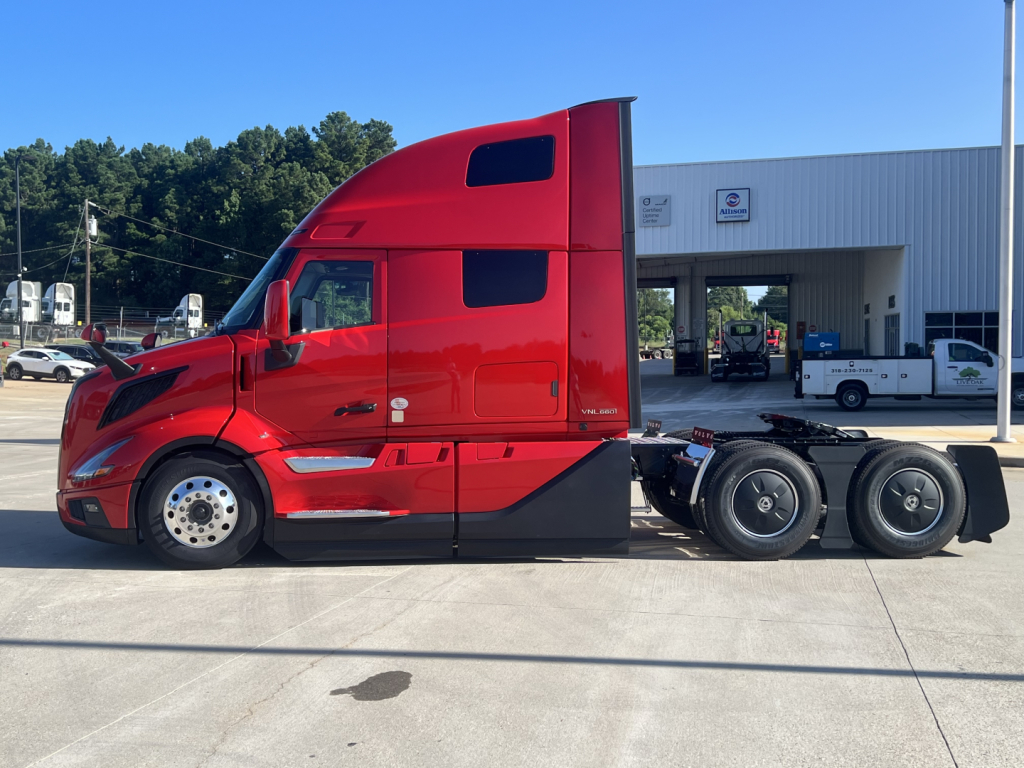
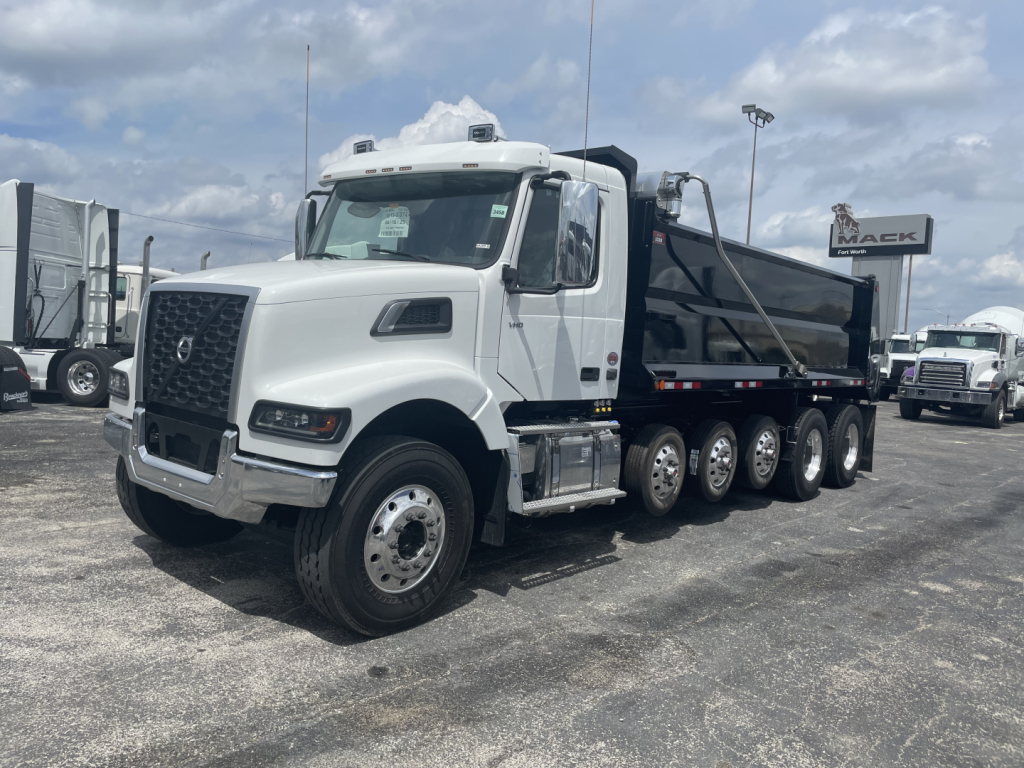
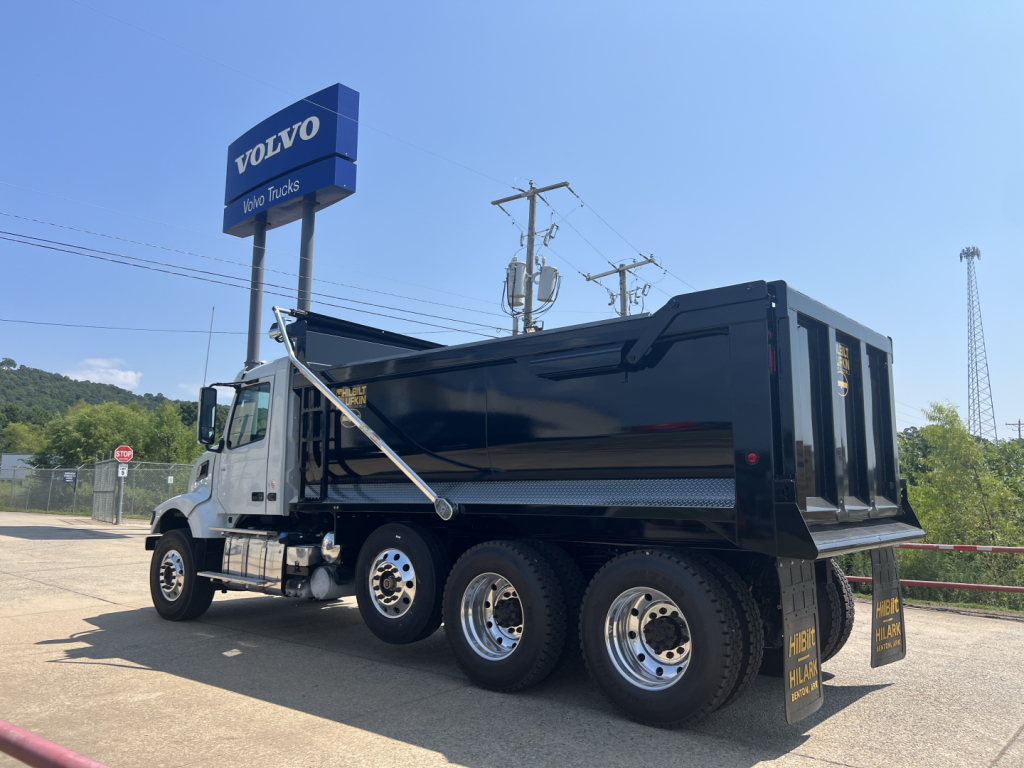
2026 Volvo trucks center on integrated powertrains and aerodynamics that cut fuel burn while protecting uptime. The VNL targets long haul with refined airflow around bumper, hood, and cab, the VNR focuses on regional agility, and the VNX addresses heavy haul and vocational duty. Common specs include the Volvo D13 with Turbo Compound for high cruise efficiency, the D11 for lighter regional work, and I-Shift automated transmissions with economy or crawler ratios to match GCW. Collision mitigation, adaptive cruise, lane keeping support, and side object detection are widely available, and connectivity enables remote diagnostics and over the air updates to shorten dwell time.
Tare weight and structural integrity drive total cost. Aluminum wheels, hubs, air tanks, and battery boxes, plus disc brakes and a 6x2 with a liftable axle or wide base singles, can remove several hundred pounds compared with traditional specs. Buyers can expect well spec’d 6x4 sleepers to land near the high 18,000 to low 19,000 pound range without bodies, and day cabs can be lighter, subject to wheelbase and axle choices. Frame rail RBM and section modulus matter for durability under high pin loads and torsion. Volvo offers single or double frame options on vocational and VNX chassis, with heavier crossmember spacing where needed. Fifth wheel rail thickness, slider locking design, and deck plate details influence load transfer and service life, and adequate fifth wheel slide travel makes it easier to hit bridge and kingpin settings with multiple trailer types.
Thermal integrity shows up in both cooling capacity and cab efficiency. 2026 cooling modules are sized for sustained grades and higher torque density, with robust charge air and EGR cooling that preserves power in heat and altitude. Aftertreatment thermal management is tuned to maintain catalyst light off with fewer forced regens, which stabilizes fuel economy. Cab insulation, door seals, and sleeper HVAC reduce heat soak and load on idle free systems, cutting diesel APU runtime. Factory electric HVAC and battery based parking climate can significantly lower fuel use in long layovers. On VNR Electric, liquid cooled battery packs, inverter thermal loops, and heat pump HVAC maintain range consistency in extreme temperatures.
Corrosion resistance sets the tone for resale. E coated frames, powder coated crossmembers, stainless or treated fasteners, sealed harness connectors, and composite exterior panels slow rust creep in salt and coastal environments. Aluminum cabs and fuel tanks resist oxidation, while sealed hubcaps and premium wheel end coatings help brake and bearing components live longer. For severe service, consider double frame liners with isolators, galvanized suspension brackets, and undercarriage treatment that extends wash interval protection. Pairing low rolling resistance tires with tire inflation systems or TPMS preserves tread life and fuel economy, and spec choices that balance tare weight, floor and frame strength, thermal performance, and corrosion control will yield lower cost per mile across the 2026 Volvo portfolio.
Tare weight and structural integrity drive total cost. Aluminum wheels, hubs, air tanks, and battery boxes, plus disc brakes and a 6x2 with a liftable axle or wide base singles, can remove several hundred pounds compared with traditional specs. Buyers can expect well spec’d 6x4 sleepers to land near the high 18,000 to low 19,000 pound range without bodies, and day cabs can be lighter, subject to wheelbase and axle choices. Frame rail RBM and section modulus matter for durability under high pin loads and torsion. Volvo offers single or double frame options on vocational and VNX chassis, with heavier crossmember spacing where needed. Fifth wheel rail thickness, slider locking design, and deck plate details influence load transfer and service life, and adequate fifth wheel slide travel makes it easier to hit bridge and kingpin settings with multiple trailer types.
Thermal integrity shows up in both cooling capacity and cab efficiency. 2026 cooling modules are sized for sustained grades and higher torque density, with robust charge air and EGR cooling that preserves power in heat and altitude. Aftertreatment thermal management is tuned to maintain catalyst light off with fewer forced regens, which stabilizes fuel economy. Cab insulation, door seals, and sleeper HVAC reduce heat soak and load on idle free systems, cutting diesel APU runtime. Factory electric HVAC and battery based parking climate can significantly lower fuel use in long layovers. On VNR Electric, liquid cooled battery packs, inverter thermal loops, and heat pump HVAC maintain range consistency in extreme temperatures.
Corrosion resistance sets the tone for resale. E coated frames, powder coated crossmembers, stainless or treated fasteners, sealed harness connectors, and composite exterior panels slow rust creep in salt and coastal environments. Aluminum cabs and fuel tanks resist oxidation, while sealed hubcaps and premium wheel end coatings help brake and bearing components live longer. For severe service, consider double frame liners with isolators, galvanized suspension brackets, and undercarriage treatment that extends wash interval protection. Pairing low rolling resistance tires with tire inflation systems or TPMS preserves tread life and fuel economy, and spec choices that balance tare weight, floor and frame strength, thermal performance, and corrosion control will yield lower cost per mile across the 2026 Volvo portfolio.