
2026 Volvo Trucks For Sale in Illinois
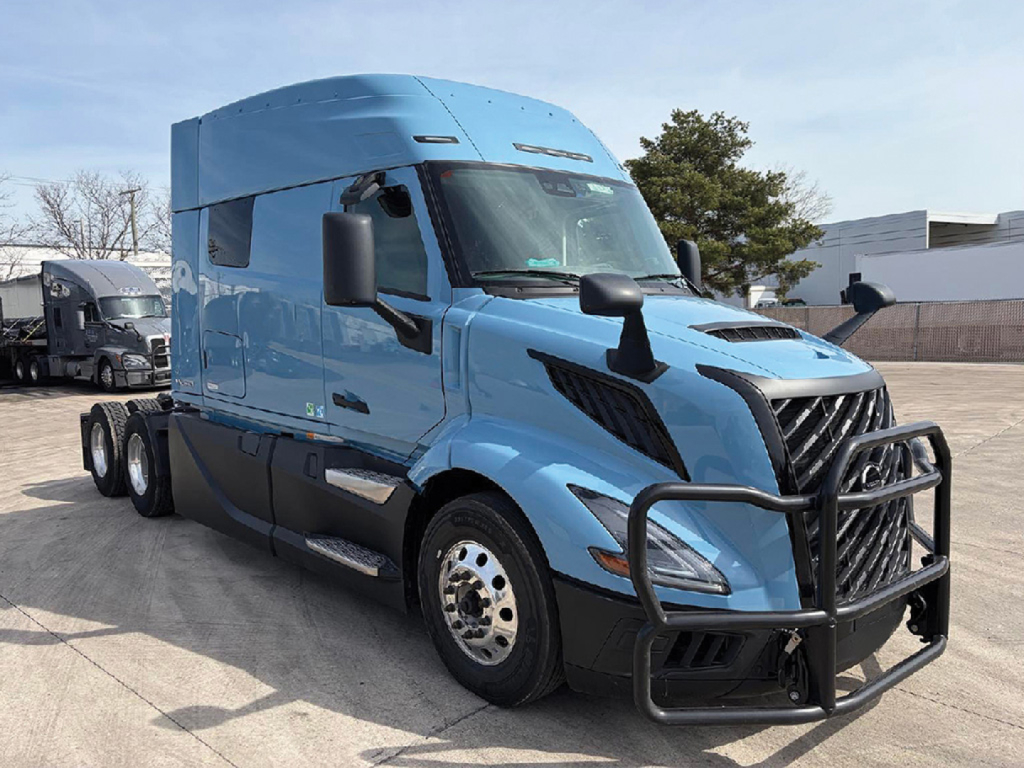
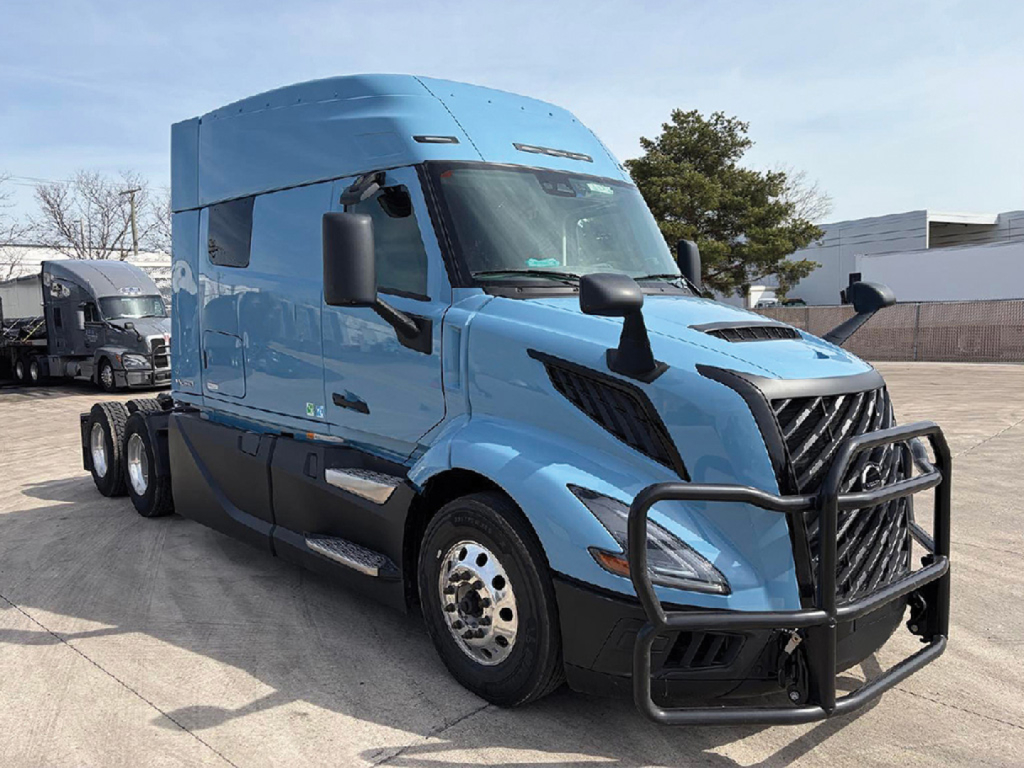
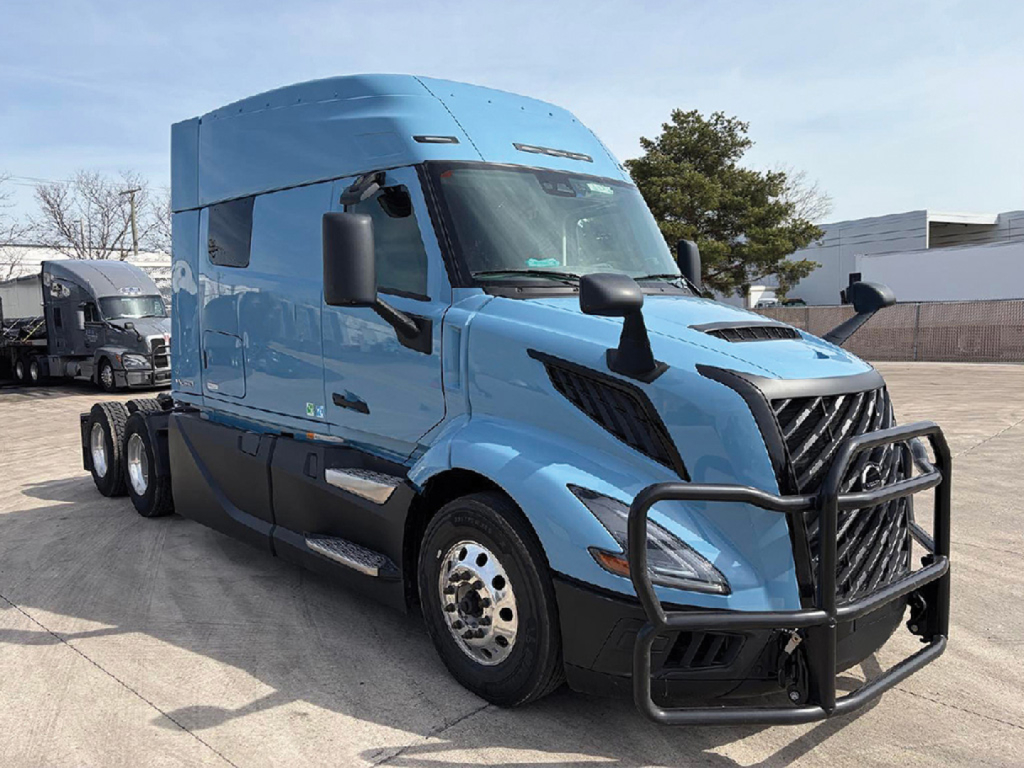
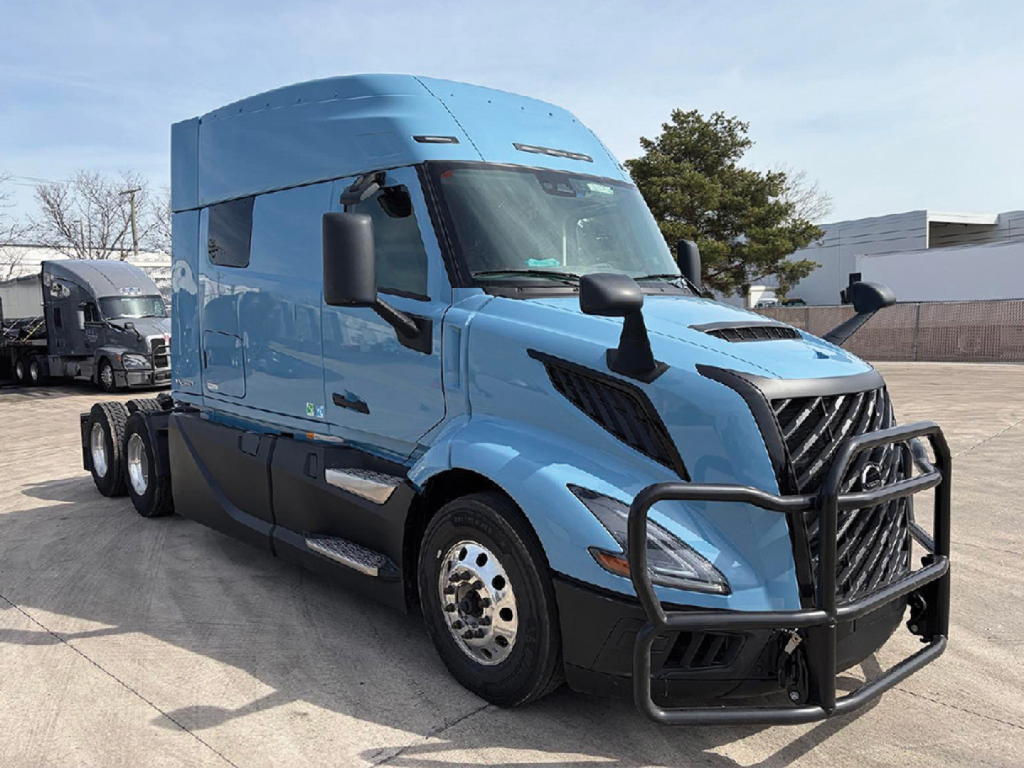
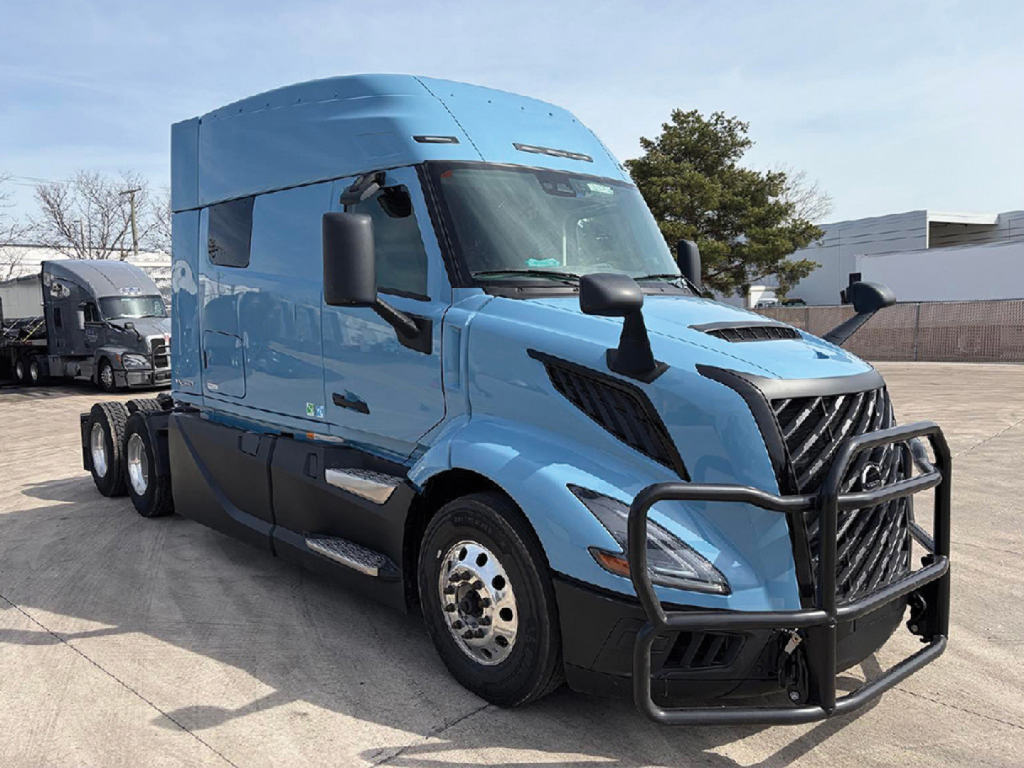
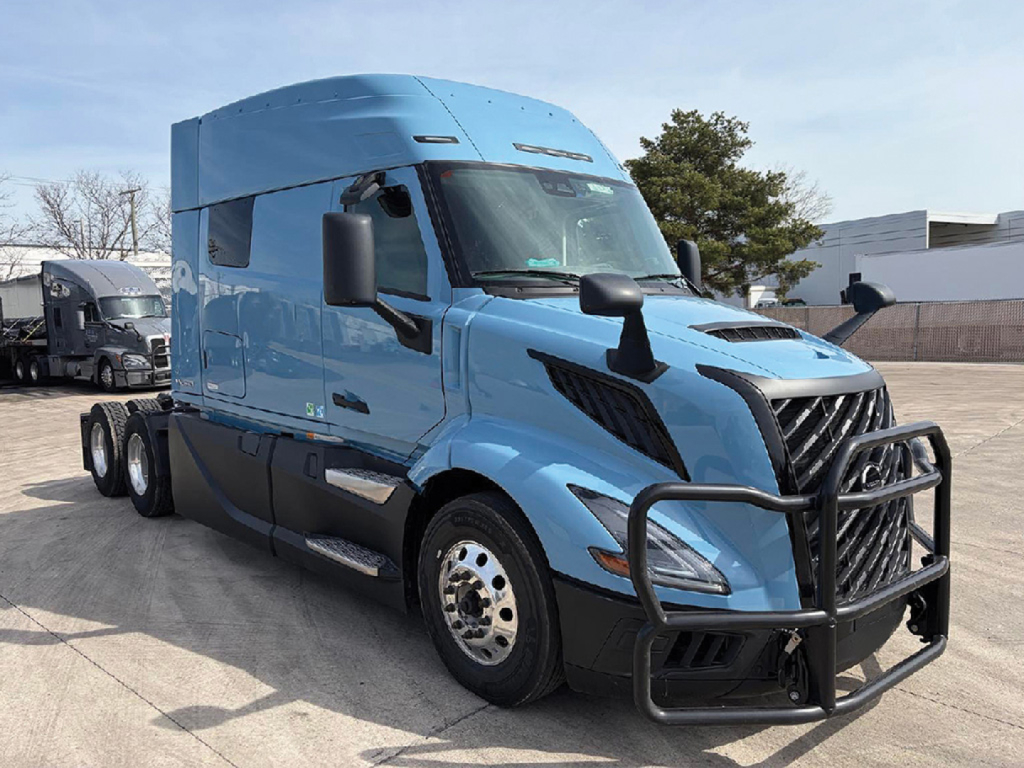
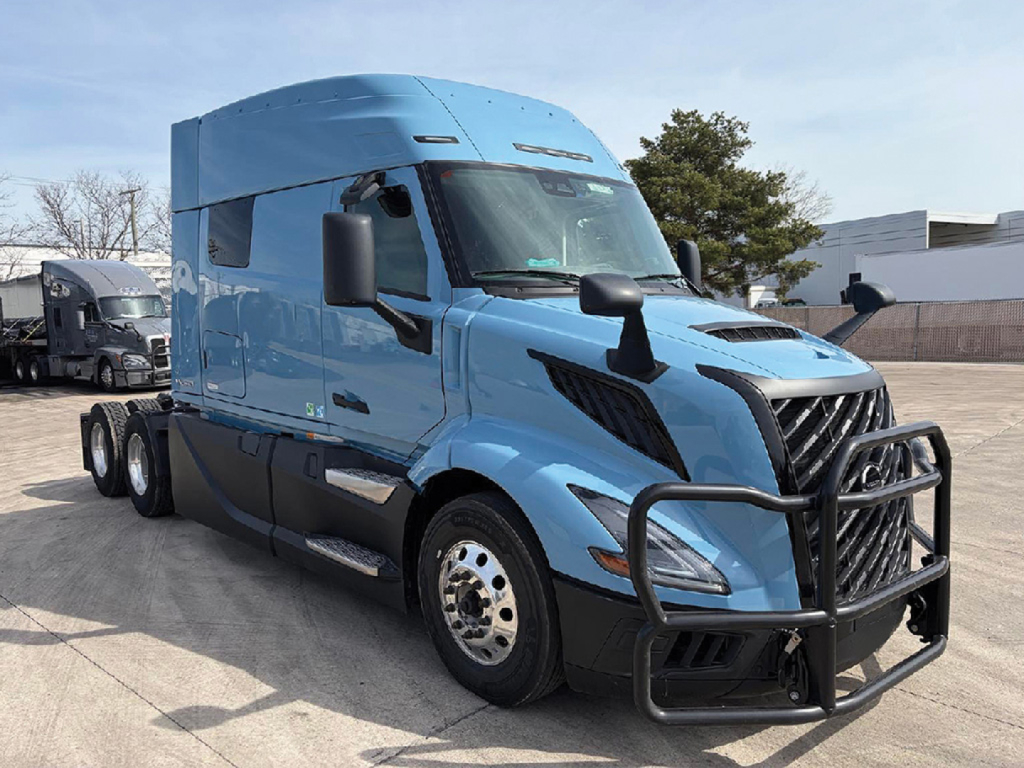
Have 2026 volvo truck to sell? List it here to reach thousands of buyers.
2026 Volvo Trucks in Illinois
On current Volvo highway trucks, the most common engine choice is the Volvo D13, often spec'd in the 425 to 455 horsepower range for general freight, with automated Volvo I-Shift transmissions handling most applications. That pairing is popular because it balances fuel efficiency with drivability and works well with downsped specs such as 2.15, 2.47, or 2.64 rear ratios depending on tire size, average gross weight, and cruising speed. A VNL sleeper with a 224-inch wheelbase and 40,000-pound rears is a common over-the-road setup, especially for van and reefer work. A VNR or VNL day cab in the 176 to 178-inch range is more typical for regional freight, short-haul, and drop-and-hook operations where turning radius and yard maneuverability matter more than sleeper space.
The 2026 model year also matters for technology. Volvo trucks in this class are often equipped with digital dash layouts, collision mitigation systems, engine brakes, disc brakes, and integrated aerodynamics such as side fairings, cab extenders, and roof fairings. Those features are not just comfort upgrades. They can reduce driver fatigue, improve stopping consistency, and help total operating cost on long interstate runs across Illinois and the Midwest. Sleeper buyers should pay attention to bunk length, upper bunk layout, refrigerator availability, bunk heaters, and fuel capacity. Day cab buyers should look closely at fifth wheel type, frame layout, axle spacing, and whether the truck is set up for van, reefer, tanker, or dedicated vocational use.
A good 2026 Volvo truck spec is the one that matches lane profile and maintenance priorities. For heavy highway freight, buyers usually want a D13, I-Shift, full fairings, and a ratio that keeps engine rpm low at cruise. For regional work, a shorter wheelbase VNR or VNL day cab with an adjustable or air-slide fifth wheel can be the better fit. In either case, it is smart to review brake type, suspension, tire setup, fuel tank sizing, and available safety systems before comparing price alone. Volvo has a strong position in the aerodynamic conventional market because the platform is designed around fuel economy, uptime, and driver retention, which are the three factors that tend to decide long-term value more than badge preference alone.
Frequently Asked Questions about 2026 Volvo Trucks in Illinois
What is the difference between a 2026 Volvo VNL and a 2026 Volvo VNR?
The Volvo VNL is primarily the long-haul highway platform and is commonly found as a sleeper or larger day cab with specs aimed at over-the-road efficiency. The Volvo VNR is a regional haul truck with a shorter overall package, making it better suited for urban delivery, dedicated routes, and operations that need tighter maneuverability. Buyers usually choose the VNL for maximum sleeper comfort and interstate miles, while the VNR is often preferred for shorter routes and frequent stop-and-go work.
What engine and transmission are most common in 2026 Volvo trucks?
The most common setup is the Volvo D13 diesel engine paired with the Volvo I-Shift automated transmission. In linehaul and regional freight applications, horsepower ratings often fall in the 425 to 455 horsepower range. This combination is popular because it supports fuel-efficient downsped drivetrains, consistent shift quality, and broad parts and service familiarity across the Volvo network.
What rear axle ratio is best in a 2026 Volvo truck?
The right rear axle ratio depends on average gross weight, tire size, terrain, and cruising speed. Ratios like 2.15 are usually selected for fuel-efficient highway use with lighter rolling resistance and lower engine rpm at speed. Ratios such as 2.47 or 2.64 can make more sense for regional work, heavier loads, or routes with more starts, grades, and mixed-speed driving. The best choice is the one that keeps the engine in its efficient operating range for the actual lane the truck will run.
Are 2026 Volvo trucks good for Illinois and Midwest freight?
Yes. Volvo highway trucks are well suited for Illinois and surrounding Midwest lanes because they are commonly spec'd for interstate speed, regional distribution, and all-season operation. Features such as collision mitigation, engine brakes, aerodynamic fairings, bunk heaters, and disc brakes are useful on long I-55, I-57, I-70, and I-80 runs as well as shorter terminal-to-terminal freight. The platform is especially attractive for fleets trying to balance fuel economy with driver comfort and safety.
What should buyers inspect first on a 2026 Volvo day cab or sleeper?
Start with the drivetrain spec and confirm that the engine rating, I-Shift transmission model, rear ratio, and wheelbase match the intended application. After that, review brake type, suspension, fifth wheel style, fuel tank capacity, tire configuration, and any safety technology installed. On sleepers, add bunk layout, HVAC, refrigerator, and idle-management features to the checklist. Those details affect operating cost and resale value more than cosmetic condition alone.