
2026 Volvo Conventional Sleeper Trucks For Sale in Illinois
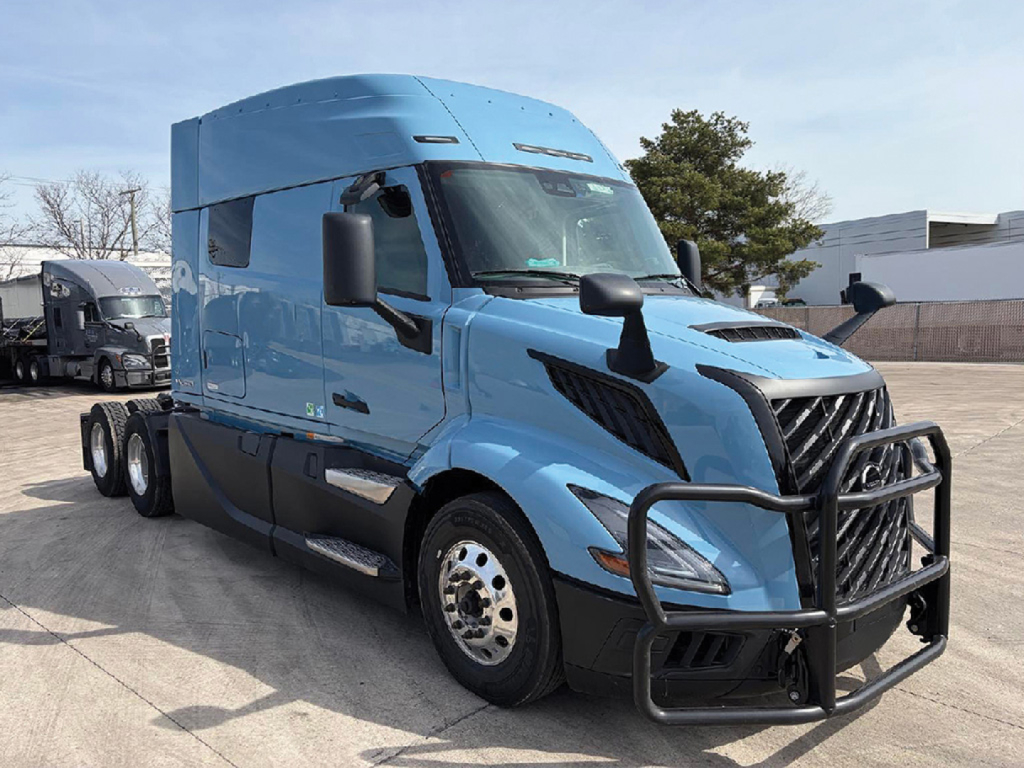
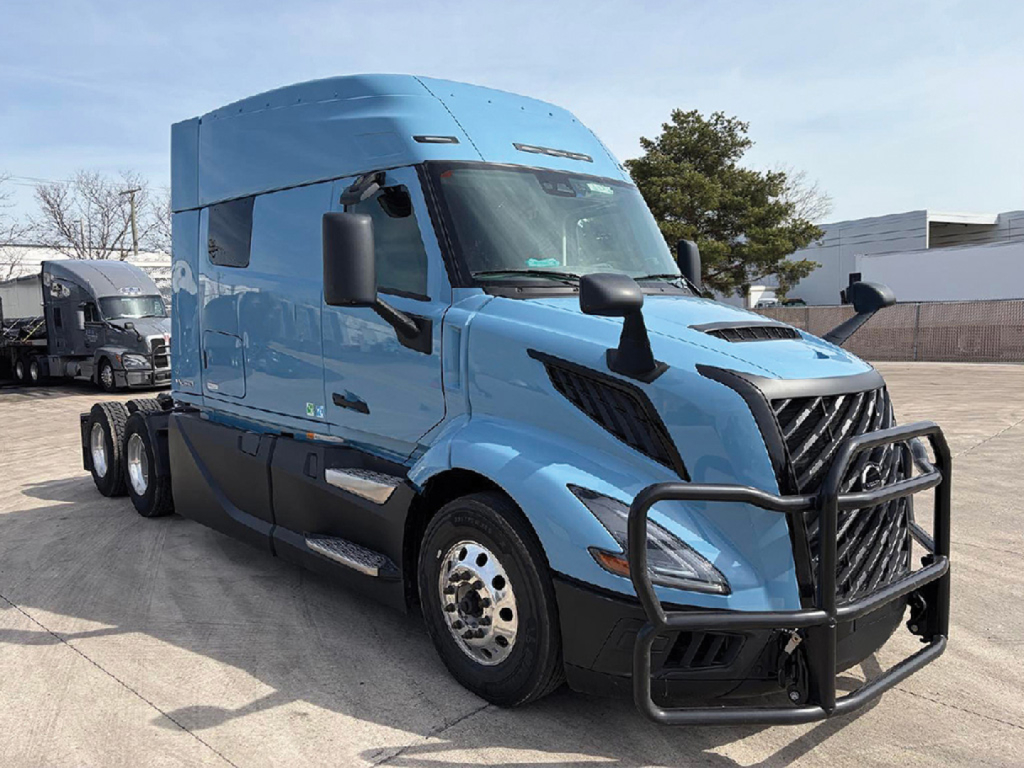
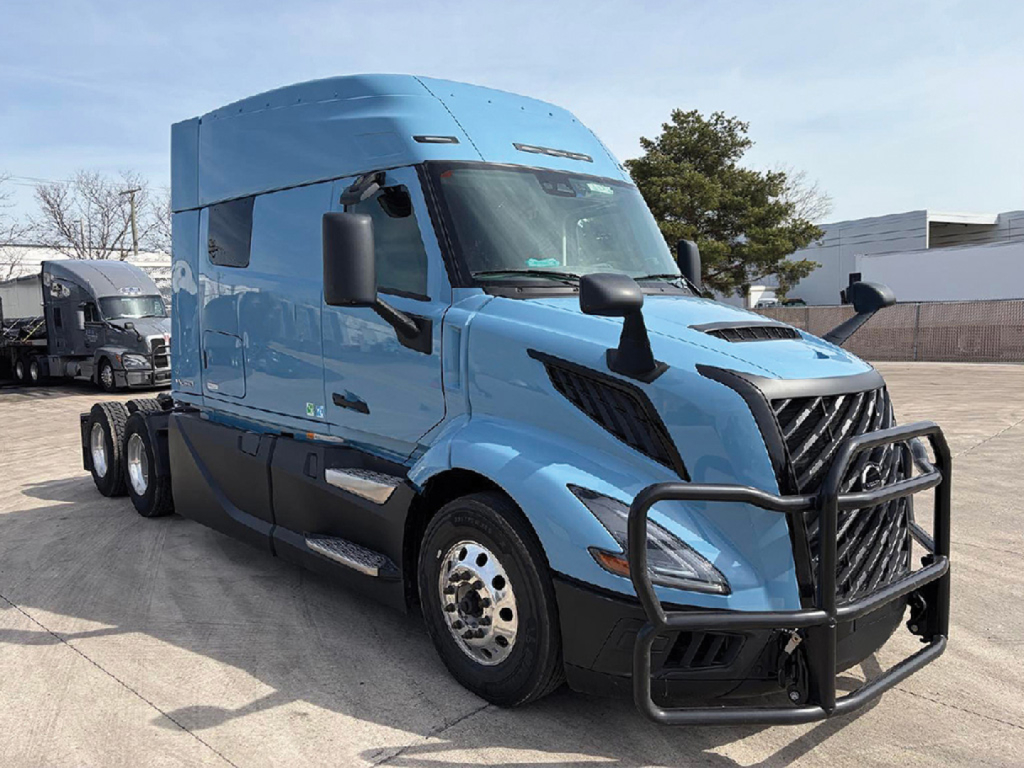
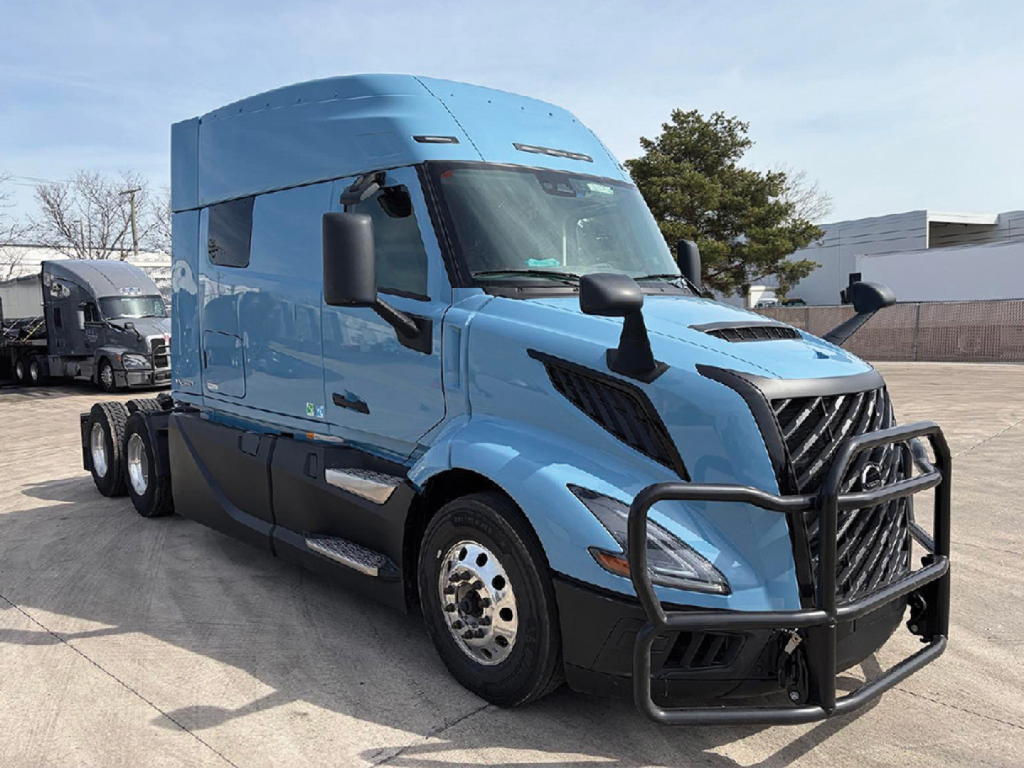
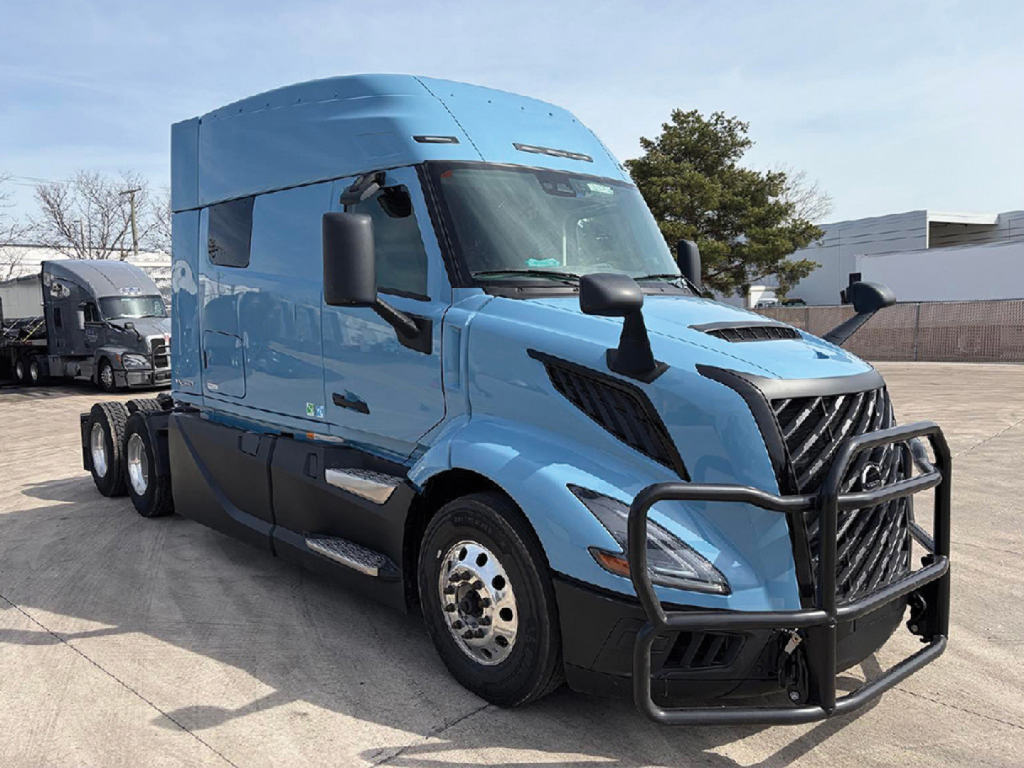
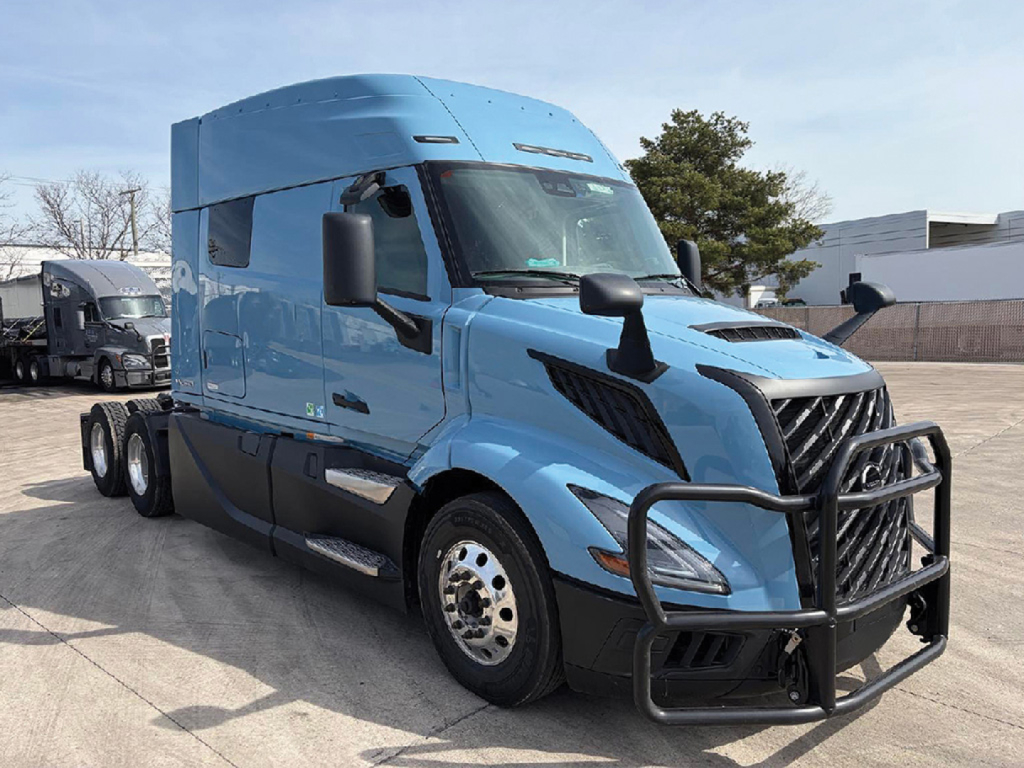
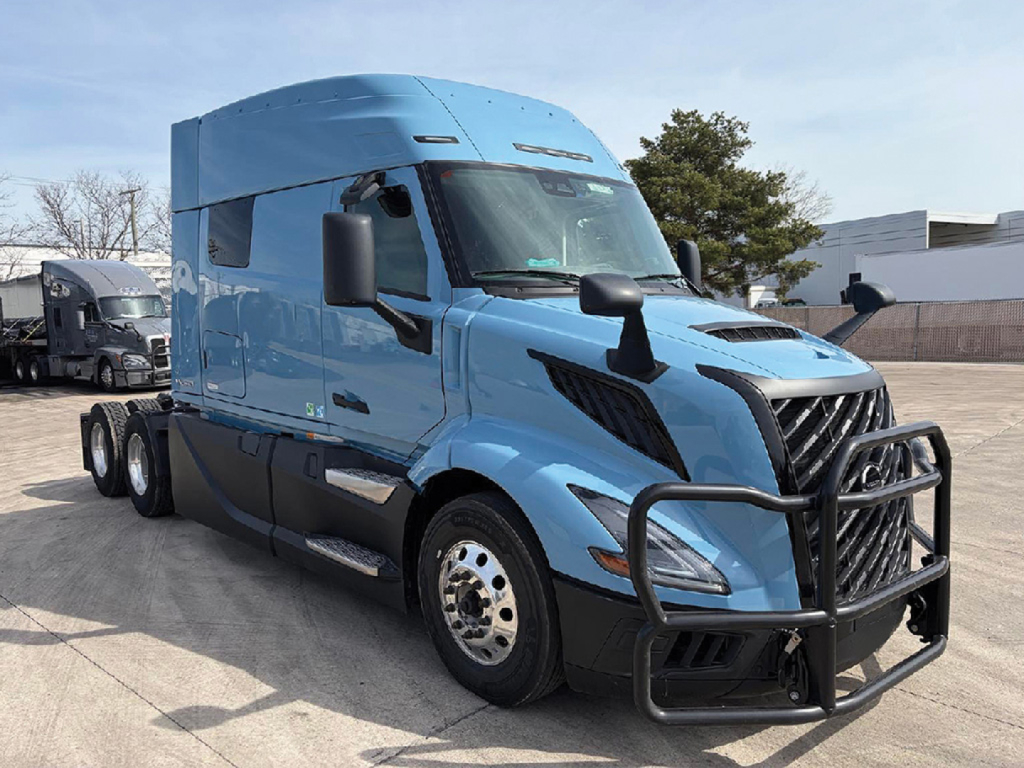
Have 2026 volvo conventional sleeper truck to sell? List it here to reach thousands of buyers.
2026 Volvo Conventional Sleeper Trucks in Illinois
The first spec decision is usually sleeper size and wheelbase. A VNL 740, 760, or 840 can serve very different operations depending on bunk layout, cabinet space, and overall tractor length. Fleets running irregular route lengths or team applications often look closely at upper bunk availability, refrigerator prep or installed refrigerators, bunk heaters, and interior storage. Wheelbase, fifth wheel travel, and fairing package also matter because they affect trailer gap, bridge law compliance, and how easily the truck can be matched to dry van, reefer, or dedicated lane work.
Powertrain specs on Volvo conventional sleeper trucks tend to center on 455 horsepower ratings, automated 12-speed or 13-speed I-Shift transmissions, and rear axle ratios selected for highway fuel economy. Ratios such as 2.15, 2.64, 3.08, and 3.25 each tell a different story about intended use, from downsped over-the-road service to more flexible regional hauling. Buyers should compare tandem axle versus specialty single-drive and pusher axle layouts, rear axle capacity, suspension type, and brake spec. Air ride suspension, air slide fifth wheels, disc brakes, low-profile 22.5 tires, and aluminum wheels are all common details that can influence payload planning, maintenance cost, and ride quality.
For Illinois buyers, climate and route profile are practical considerations. Cold-weather features such as bunk heaters and APUs can reduce idle time and improve driver comfort through Midwest winters, while collision mitigation systems, digital dash layouts, and modern visibility packages support safety on dense freight corridors. Volvo sleeper conventionals are also known as highway sleeper tractors or road tractors, and they remain a strong fit for van, reefer, and general freight operations that want a modern aerodynamic tractor with a driver-friendly cab.
Frequently Asked Questions about 2026 Volvo Conventional Sleeper Trucks in Illinois
What are the most common engine and transmission specs in a Volvo conventional sleeper truck?
Most Volvo conventional sleeper trucks in this class are built around the Volvo D13 or D13 Turbo Compound engine and the Volvo I-Shift automated transmission. A 455 horsepower rating is very common in long-haul applications because it provides a strong balance of fuel economy and pulling power. The I-Shift is popular because it reduces driver fatigue, supports fuel-efficient shift logic, and works closely with Volvo engine and safety systems.
What is the difference between Volvo VNL 740, 760, and 840 sleeper models?
The main differences are sleeper space, interior layout, and how the truck fits the operation. A VNL 740 is often chosen for a practical balance of maneuverability and sleeper comfort, while a VNL 760 typically adds more premium living space for long-haul work. A VNL 840 is aimed at buyers who want maximum sleeper room, which can matter in team operations or in fleets where driver retention is tied to cab comfort and amenities.
Which rear axle ratio is best for a Volvo sleeper tractor?
The right ratio depends on route profile, trailer weight, and cruising speed. Lower numerical ratios such as 2.15 or 2.64 are often used in downsped highway applications where fuel economy is the priority. Ratios like 3.08 or 3.25 can be a better fit for mixed terrain, heavier average loads, or regional work where the truck sees more starts, stops, and speed variation.
Are Volvo conventional sleeper trucks a good fit for long-haul freight in the Midwest?
Yes. Volvo sleeper tractors are widely used in Midwest freight because they pair aerodynamic design with driver comfort and efficient highway powertrains. Features such as bunk heaters, collision mitigation systems, air ride suspension, and integrated automated transmissions are especially useful for long interstate runs, winter operation, and high annual mileage.
What should buyers inspect first on a used Volvo VNL sleeper tractor?
Start with the powertrain spec and service history, then verify axle configuration, wheelbase, and sleeper layout against the intended freight. On a Volvo VNL, it is also smart to review brake type, fifth wheel setup, tire configuration, emissions system history, and operation of cab electronics and safety systems. A truck can be clean cosmetically but still be a poor fit if the axle ratio, bunk setup, or wheelbase does not match the lanes it will run.