
2013 Volvo Trucks For Sale
Explore 2013 Volvo trucks, including VNL, VNM, VHD and VAH. Learn common specs, D11/D13/D16 engines, I-Shift, fuel economy, emissions and buying tips.
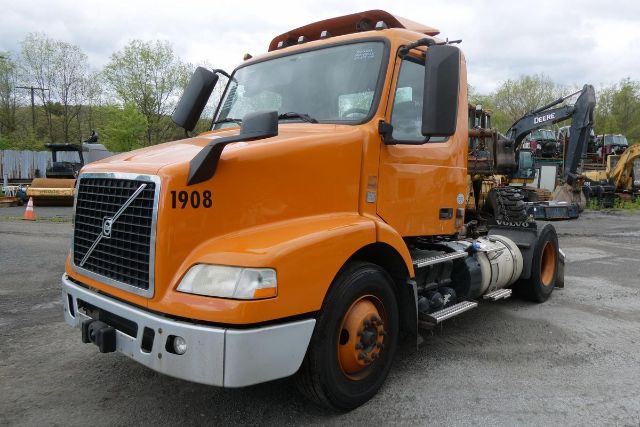
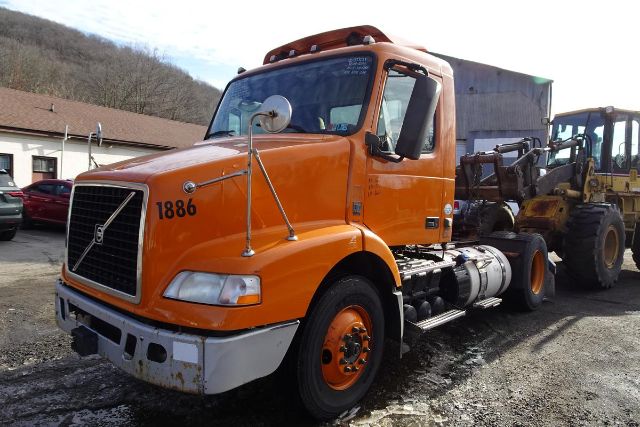
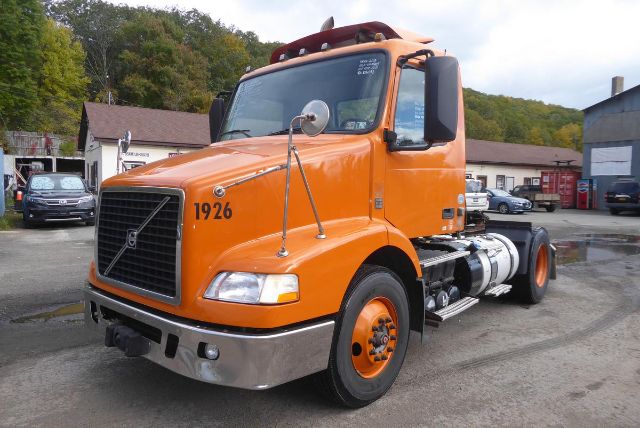
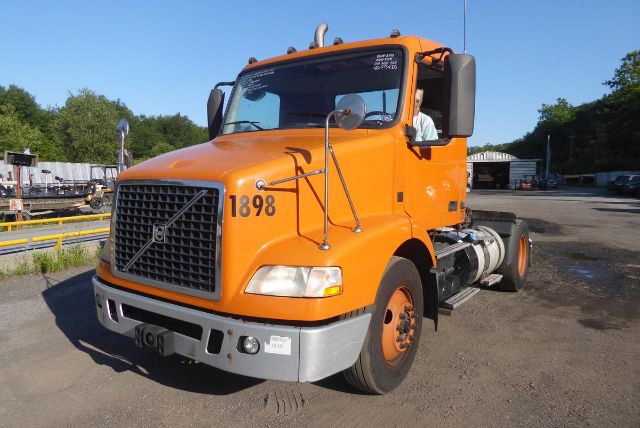
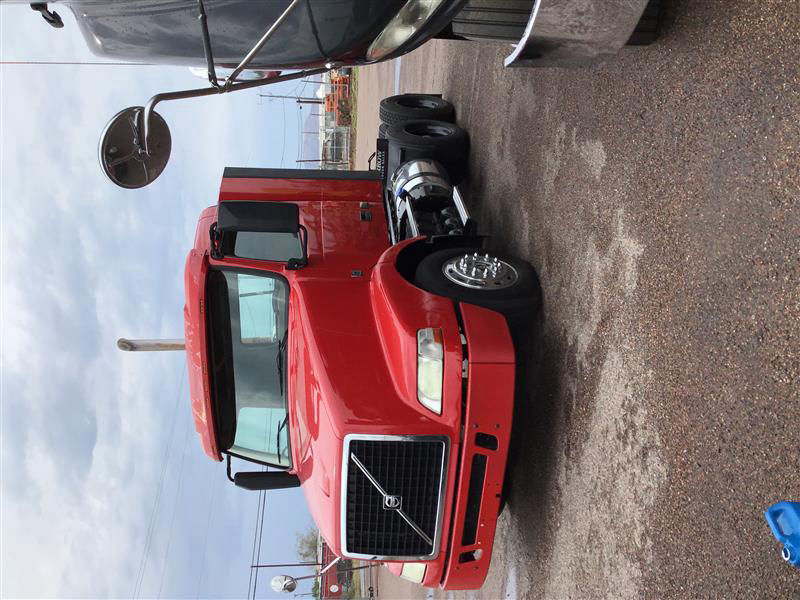
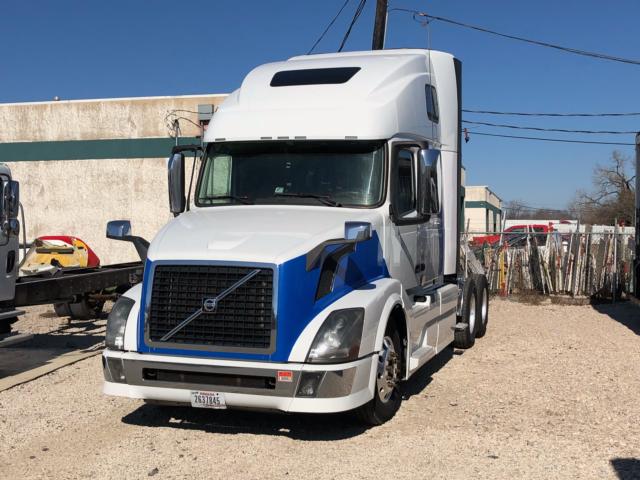

Selling a 2013 volvo truck? List your 2013 volvo truck for sale and reach thousands of commercial buyers.
2013 Volvo Trucks
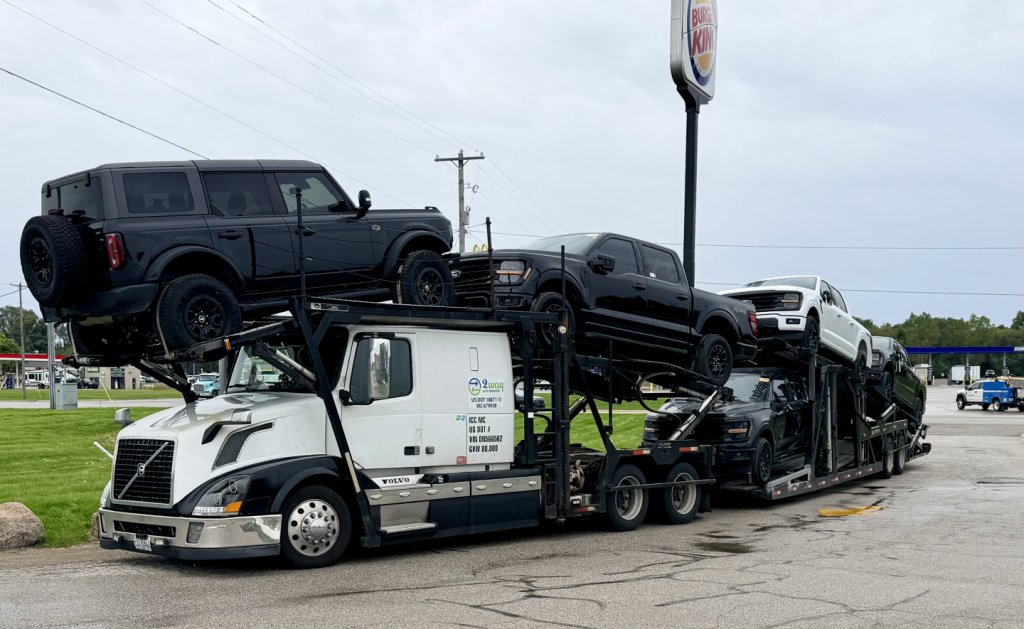
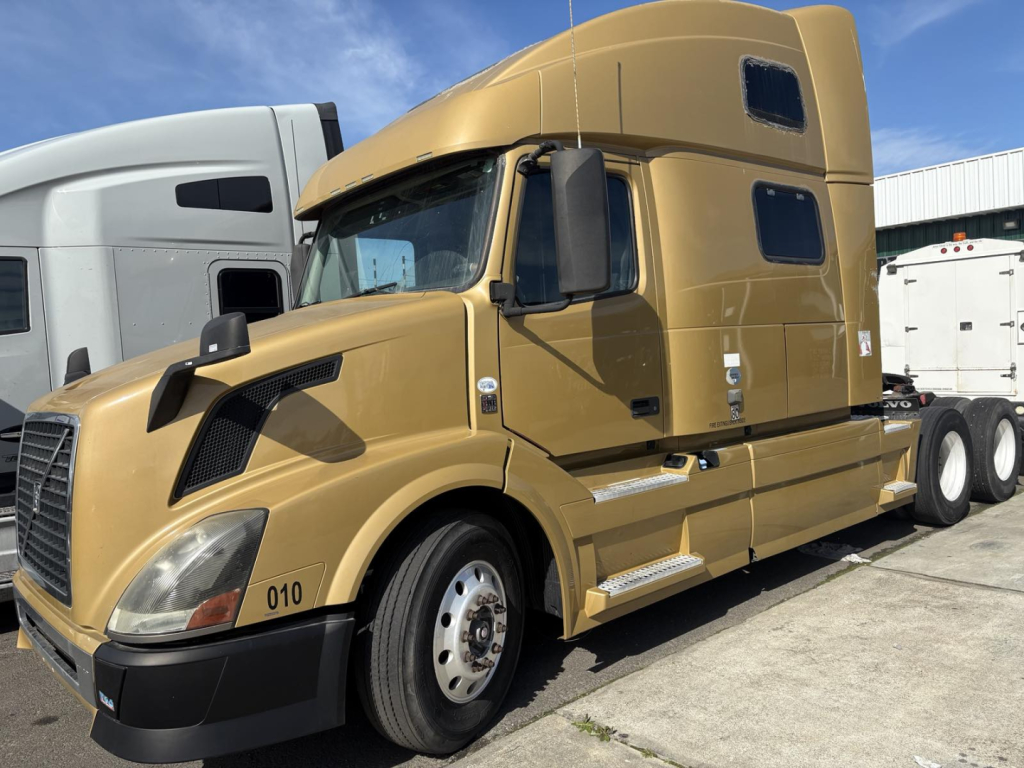
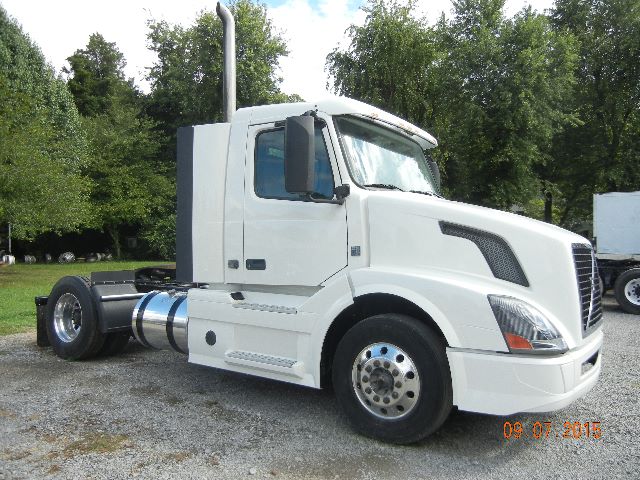
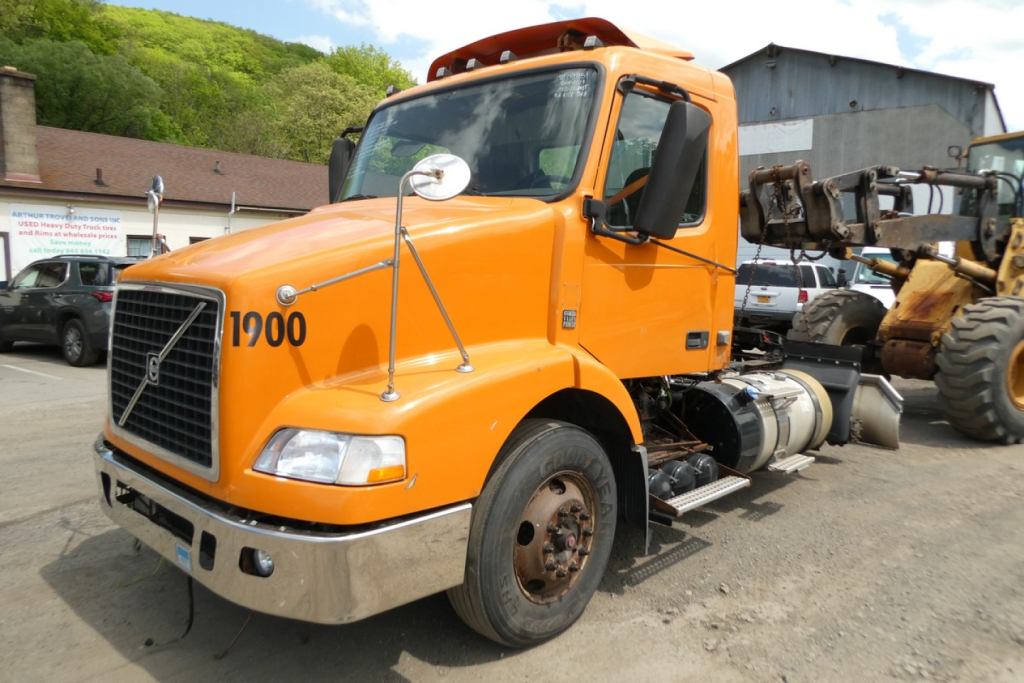
Model coverage spans highway, regional, and vocational niches. VNL day cabs and sleepers are common, including mid-roof and high-roof variants such as the VNL670 and VNL780 for over-the-road teams or solo drivers who need ample storage and a quiet cab. The VNM serves regional and city routes with shorter BBC for tighter turns. Vocational buyers look to the VHD for dump, mixer, and crane work with rugged frames, 40K-46K rears, double-frame options, full-locking differentials, and PTO-friendly transmissions. Specialty VAH auto haulers use low cab and ride heights to meet rack clearances. Pay attention to wheelbase, fifth wheel height, and fairing packages if you must meet shipper SmartWay or overall length requirements.
Every 2013 Volvo uses EPA 2010 emissions tech with SCR and a DPF. DEF consumption generally runs about 2-3 percent of diesel volume. Reliability improved by this model year, but due diligence matters: confirm DPF cleaning intervals, check for DEF doser, NOx sensor, and differential pressure sensor replacements, and review any forced-regeneration history. On I-Shift units, inspect clutch life, software calibration, and evidence of proper driveline angles. Braking may be drum or air-disc; air-disc improves stopping and fade resistance but costs more to service. Volvo’s safety cage cab, VEST electronic stability control, and options like lane departure alerts were available and can be difference-makers for insurance and uptime.
Used-truck condition varies with route and maintenance culture. Oil samples, overhead set history on the D13, coolant and EGR-cooler checks, tight steering components, and clean wiring at the aftertreatment and chassis harnesses are good indicators. Look for even tire wear that matches alignment records, tight torque rods and cab mounts, and dry wheel ends. For vocational VHDs, inspect crossmembers, frame liners, suspension bushings, and evidence of off-road stress. For long-haul VNLs, evaluate sleeper HVAC performance and the integrity of side fairings, belly skirts, and bumper air dams, which affect fuel economy in the 6.5-8.5 mpg range depending on weight, terrain, and speed.
Frequently Asked Questions about 2013 Volvo Trucks
Which 2013 Volvo models are common and what applications do they fit?
The VNL line covers highway work with day cabs and mid- to high-roof sleepers such as the VNL670 and VNL780. The VNM targets regional and city routes with a shorter BBC for tighter turns. The VHD is the vocational platform for dump, mixer, refuse, and crane applications with heavier rears, rugged frames, and PTO provisions. The VAH serves auto-haul operations with low cab height and specialized geometry for rack clearance.
What engines and transmissions are typical on 2013 Volvo trucks?
Most listings feature the D13 at 405-500 hp and up to 1,750 lb-ft with the 12-speed Volvo I-Shift automated manual. The D11 is common in regional trucks for lighter weight and shorter routes. The D16 appears in niche heavy-haul specs with higher torque ratings. Some units use Eaton Fuller manuals or Allison automatics in vocational builds. Match engine torque to rear axle ratios and tire size so cruise rpm and startability meet your lanes and grades.
How fuel-efficient is a 2013 Volvo VNL with a D13 and I-Shift?
Real-world results vary by weight, terrain, and speed, but many fleets report 6.5-8.5 mpg. Trucks with aerodynamic fairings, a well-maintained D13, low-rolling-resistance tires, and fast rear ratios (such as 2.47-2.64 as part of fuel-focused specs) can do better on flat, moderate-weight routes. Proper alignment, clean aftertreatment, and disciplined cruise speeds are critical to maintaining strong mpg.
Are 2013 Volvo trucks compliant with California emissions rules?
Yes. 2013 engines meet the EPA 2010 standard with SCR and a DPF, which satisfies the California Truck and Bus Rule for most operations. Drayage and specialty segments can have additional requirements, so verify port or fleet policies on emissions equipment and aerodynamic components before purchase.
What maintenance items should I prioritize when evaluating a 2013 Volvo?
Request service records for DPF cleanings and aftertreatment components like the DEF doser and NOx sensors. Inspect I-Shift clutch life and calibration, check for coolant-intrusion or EGR-cooler issues, and review alignment history and tire wear. For vocational units, look closely at frames, crossmembers, and suspension bushings. A thorough road test to confirm shift quality, turbo response, and stability control function is recommended.