
Used Vacuum Trucks For Sale
Browse used vacuum trucks for sewer cleaning, hydro excavation, and municipal service. Compare blower, debris body, water, and chassis specs.
Learn moreBrowse Vacuum Trucks by Make
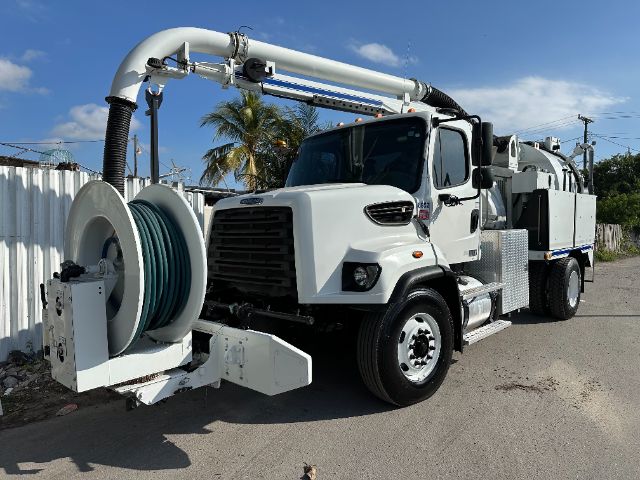
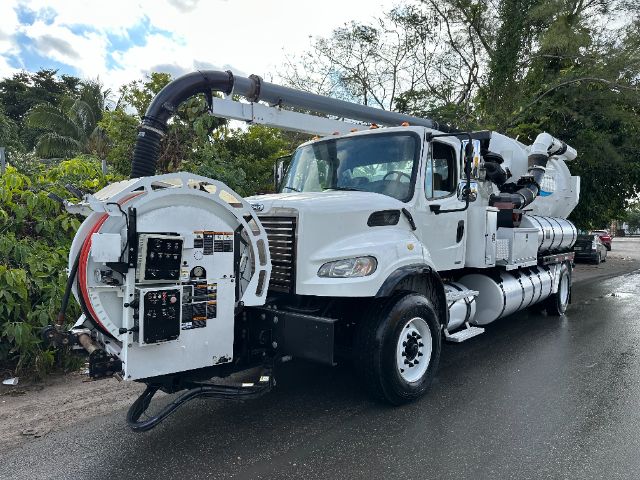
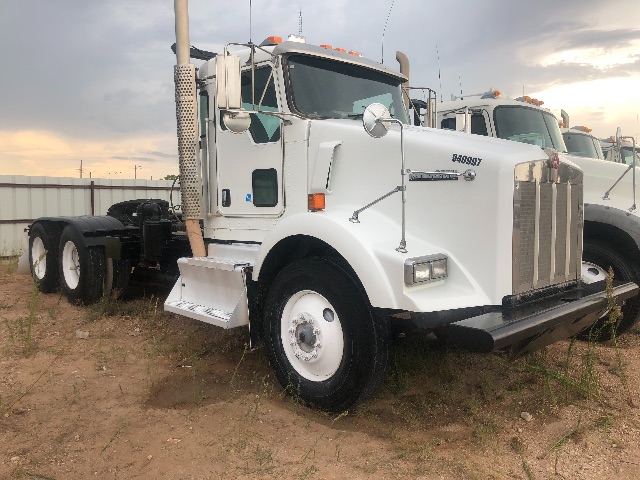
Showing 25 to 27 of 27 results
Have used vacuum truck to sell? List it here to reach thousands of buyers.
About Used Vacuum Trucks
Frequently Asked Questions
What is the difference between a vacuum truck and a vacuum-jetter combo truck?
A vacuum truck is designed primarily to suction and store liquid, sludge, slurry, or debris. A vacuum-jetter combo truck adds a high-pressure water pump and fresh water tank so the operator can jet sewer lines and then recover the loosened material. For municipal sewer cleaning, storm drain work, and line maintenance, a combo unit is usually the more versatile choice. For straight recovery work, industrial cleanup, or applications where jetting is not required, a standard vacuum truck may be the better fit.
What specs matter most when buying a used vacuum truck?
The core specs are debris body capacity, fresh water capacity if equipped, blower or fan type, water pump output, hose reel setup, and overall GVWR. Buyers should also verify engine hours on the vacuum system or pony motor, not just chassis miles. A truck with low miles can still have significant vacuum system use. On combo units, common benchmarks include debris bodies from about 5 to 12 cubic yards, fresh water tanks around 800 to 1,500 gallons, and jetting performance in the range of roughly 50 to 80 GPM at 2,000 to 3,000 PSI, depending on the application.
Are ex-municipal vacuum trucks a good buy?
Ex-municipal vacuum trucks can be a strong value because many were maintained on schedule and operated by trained crews. They also tend to have detailed service histories. The tradeoff is that municipal duty cycles often include long idle periods, PTO use, repeated stop-and-go operation, and seasonal corrosion exposure. Buyers should inspect the debris tank, subframe, rear door, boom structure, hose reels, and water system for rust, repairs, and wear. Maintenance records matter, but physical condition of the vacuum package matters more.
What should I inspect on a used vacuum truck before purchase?
Start with the expensive components: blower or fan, hydrostatic or hydraulic systems, water pump, PTO, boom, rear door seal, tank integrity, and dump body operation. Check for rust-through in the debris body, pitting in water tanks, cracked welds, weak vacuum performance, and oil contamination in hydraulic circuits. Confirm the hose reels operate smoothly and that safety locks, latches, and interlocks function correctly. On the chassis side, verify axle ratings, brake condition, suspension wear, transmission operation, and engine emissions equipment status, especially on newer diesel platforms.
What size vacuum truck is best for municipal and utility work?
The right size depends on route density, disposal access, and the type of material being collected. A 5-yard class unit is often easier to maneuver in urban streets and tighter job sites. A 10- to 12-yard unit reduces dump trips and suits heavier municipal sewer and catch basin programs. Utility contractors also need to consider bridge laws, axle spacing, and full-load weight because water, sludge, and wet debris add weight quickly. Matching body volume and water capacity to legal payload is just as important as choosing the truck’s vacuum performance.