
Used 2016 Vacuum Trucks For Sale
Browse used 2016 vacuum trucks for sale, including combo jetter units with common tank sizes, blower types, PTO systems, and municipal-ready specs.
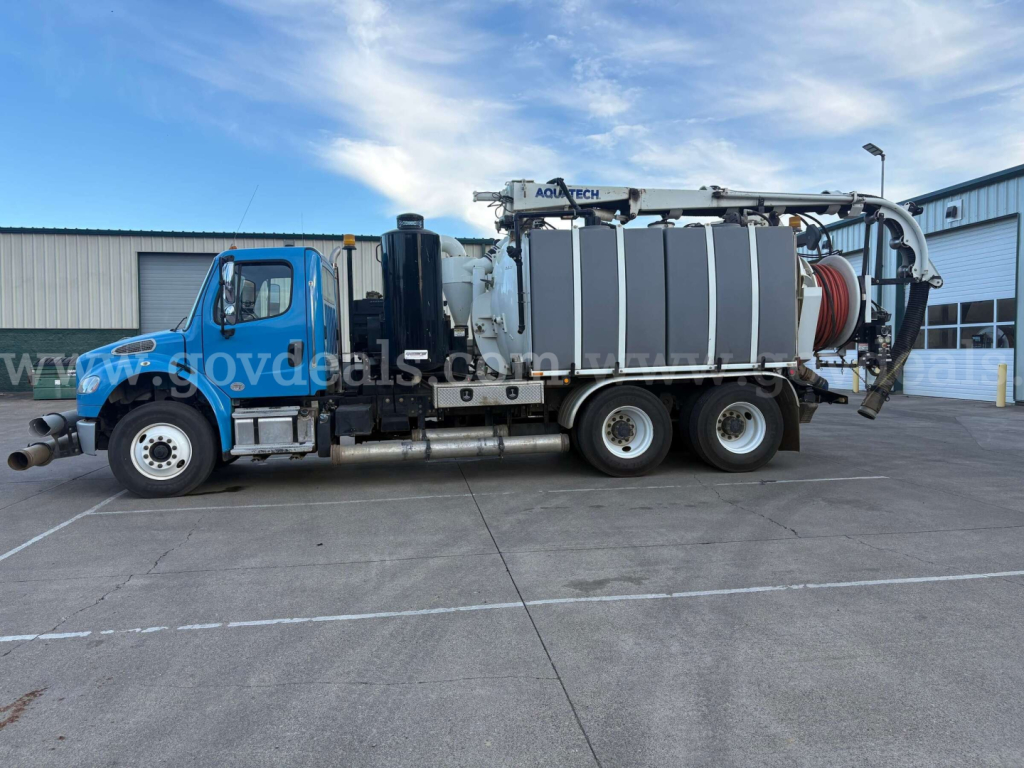
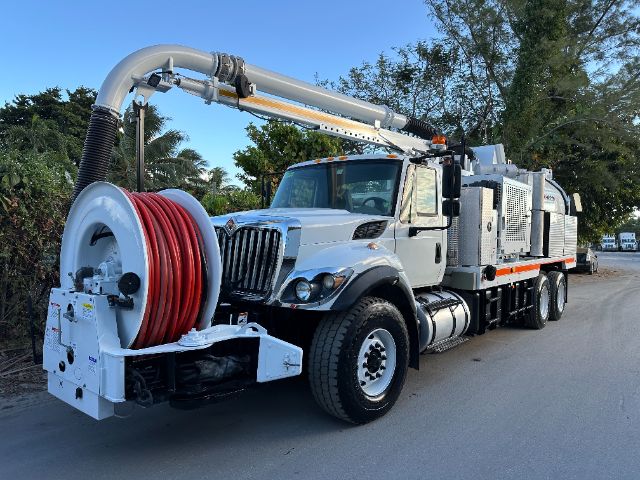
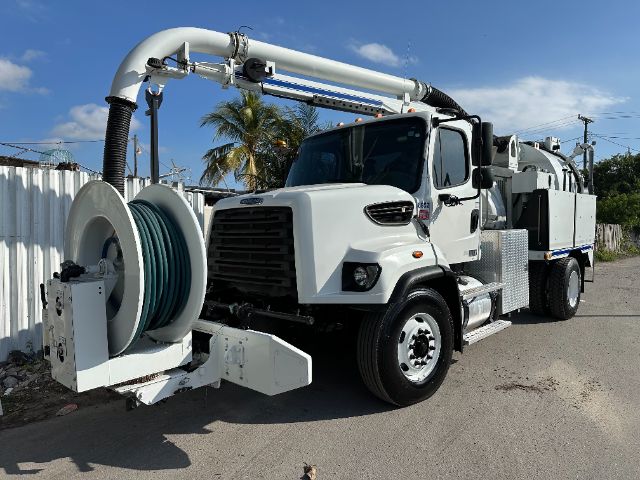
Selling a used 2016 vacuum truck? List your used 2016 vacuum truck for sale and reach thousands of commercial buyers.
Used 2016 Vacuum Trucks
On 2016 vacuum trucks, debris body capacity often falls in the 8 to 12 yard range, with freshwater tanks commonly around 900 to 1,300 gallons on combo units. Vacuum systems usually center on positive displacement blowers or high-capacity fan systems, and that choice matters. PD blowers are common on sewer and industrial work where long hose runs and sustained vacuum performance are important. Fan systems can offer fast airflow and strong production in certain applications, especially where high lift is less critical. Jetter packages in this category frequently run around 50 to 70 GPM and 2,000 to 3,000 PSI, which is a practical range for line cleaning, washdown, and municipal maintenance. Many trucks also include hydraulic hose reels, hydraulic rear door locks, dump bodies, top-mounted or articulating booms, and pony motors or PTO-driven systems for independent operation.
The chassis side deserves as much attention as the vacuum package. A 2016 unit may carry a diesel engine from Cummins, Mack, or other common vocational platforms, paired with an automatic or automated transmission suited for stop-and-go route work. Ex-municipal trucks are common in this category and can be attractive because they were often serviced on schedule, but buyers should still compare miles, engine hours, blower hours, pump hours, and idle history. Frame condition, corrosion around the body saddles, rear door sealing surfaces, boom wear points, and hydraulic leaks tell more than odometer readings alone. On emissions-equipped 2016 trucks, it is also smart to review DPF and SCR service history, regen issues, and PTO engagement performance under load.
A good buying decision comes down to matching the truck to the work. Sewer contractors may prioritize rodder hose length, water pressure, reel controls, and rear hose access. Hydro excavation and utility support work may lean harder on boom reach, spoil capacity, filtration, and vacuum recovery speed. Industrial cleanup buyers often focus on blower condition, tank integrity, door seal condition, and how easily the body dumps and washes out. On any used 2016 vacuum truck, inspect the debris tank interior, verify blower and pump operation at working RPM, check for title or body serial documentation, and confirm parts support for the vacuum system brand. The truck chassis can usually be serviced anywhere, but uptime often depends on the condition and supportability of the vacuum package mounted behind the cab.
Frequently Asked Questions about Used 2016 Vacuum Trucks
What should I check first on a used 2016 vacuum truck?
Start with the vacuum package, not just the chassis. Verify debris tank condition, rear door seals, blower performance, water pump output, hydraulic functions, boom operation, and hose reel operation. Then compare engine miles to total hours, because vacuum trucks often spend long periods idling or running PTO equipment. Service records for the blower, pump, hydraulics, and emissions system are especially valuable on a 2016 model.
What is the difference between a vacuum truck and a vacuum jetter combo truck?
A straight vacuum truck is built mainly to recover liquids, sludge, slurry, or dry material through the vacuum system. A vacuum jetter combo truck adds a high-pressure water system for sewer line cleaning and washdown. Combo units are common in municipal and sewer maintenance fleets because they can jet a line and recover debris with one truck. Freshwater tank size, GPM, and PSI are the key specs that separate a true combo unit from a standard vacuum truck.
Are ex-municipal 2016 vacuum trucks a good buy?
They often are, because many municipal fleets follow regular maintenance schedules and retire units on replacement cycles rather than catastrophic failure. The tradeoff is that municipal trucks can have high idle hours, frequent PTO use, and corrosion from wet service environments. A clean service file, good tank condition, and documented blower and pump maintenance matter more than a low purchase price alone.
What tank and water capacities are common on 2016 vacuum trucks?
Many 2016 combo vacuum trucks fall into the 8 to 12 yard debris body range, with freshwater capacity commonly around 900 to 1,300 gallons. That size works well for sewer cleaning, storm drain work, and general municipal service. Exact usable capacity depends on tank layout, divider design, legal axle weights, and how the truck is spec'd for road travel versus jobsite productivity.
Is a PTO-driven system better than a pony motor on a vacuum truck?
Each has advantages. A PTO-driven system can simplify operation and reduce the number of separate engines to maintain, but it ties auxiliary performance to the truck drivetrain and PTO setup. A pony motor allows the vacuum and jetting systems to operate independently of the main engine, which can be useful on long stationary jobs. On a used 2016 truck, condition and service history usually matter more than the basic configuration, provided the setup matches the intended work.