
Used 2016 Vacuum Trucks For Sale in Florida
Shop used 2016 vacuum trucks in Florida. Compare combo jetter specs, debris body size, water capacity, blower type, and municipal-ready setups.
Learn more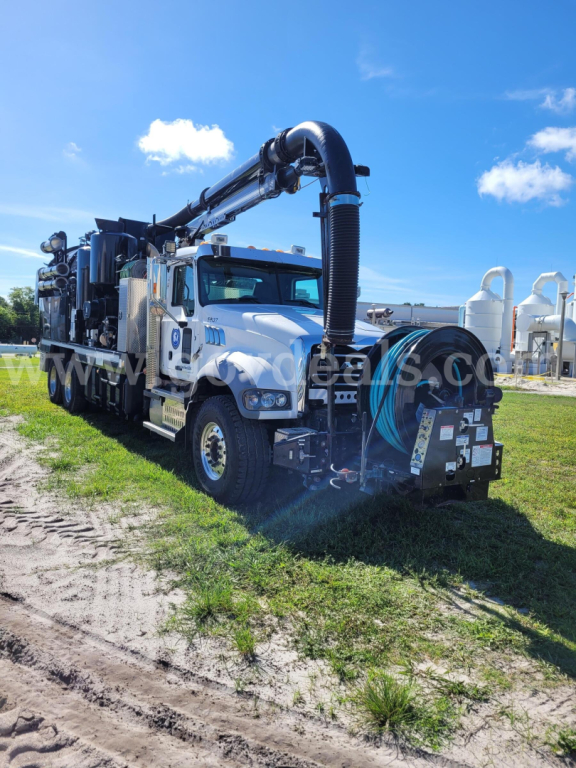
Have used 2016 vacuum truck to sell? List it here to reach thousands of buyers.
About Used 2016 Vacuum Trucks in Florida
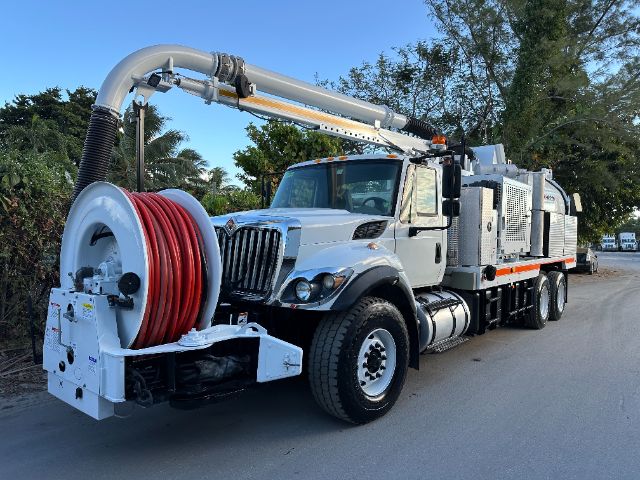
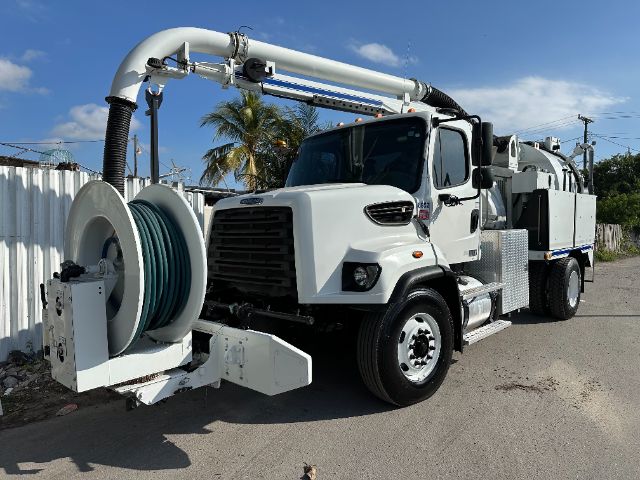
For a 2016 model, common chassis choices include severe-duty or medium-heavy platforms from International, Freightliner, Peterbilt, Kenworth, Mack, and similar municipal-spec trucks. Buyers should look closely at engine hours, PTO hours, and actual blower or pump hours, not just odometer mileage. A vacuum truck can show relatively low road miles and still have significant wear in the vacuum system, water pump, hoses, boom pivot points, and hydraulic components. Typical configurations in this class often include 10 to 12 yard debris bodies, roughly 900 to 1,500 gallons of fresh water, positive displacement blowers such as Roots units, and jetting performance around 70 to 80 GPM at 2,000 to 2,500 PSI. Automatic transmissions are common because these trucks spend much of their life in stop-and-go municipal or contractor service.
The most important buying decision is matching the truck’s vacuum and jetting package to the work. A combo truck with a high-capacity water system and strong pressure rating is better suited for sewer line cleaning and grease blockage removal. A unit with a robust boom arrangement, practical hose reel placement, and easy debris dumping may be a better fit for catch basin cleaning, sludge removal, and lift station service. Check debris tank material, rear door locking system, dump angle, filtration layout, and access for cleanout. Ex-municipal 2016 vacuum trucks can be attractive because they are often on scheduled maintenance programs, but buyers should still inspect service records, fan or blower condition, pump rebuild history, and any evidence of hard use in sandy or abrasive material environments.
Florida buyers should also think about licensing, axle ratings, bridge law considerations, and where the truck will operate most often. A truck working in urban sewer districts may benefit from a shorter wheelbase and easier maneuverability, while highway drainage or county utility work may favor more body capacity and water volume. Verify GVWR, front and rear axle ratings, suspension condition, and brake life because these trucks routinely operate near their working limits. On a used 2016 vacuum truck, a careful inspection of the vacuum producer, water pump, hydraulic dump system, rear door seal, boom controls, and hose reels usually tells more about remaining value than paint or cab cosmetics.
Frequently Asked Questions
What should I check first on a used 2016 vacuum truck?
Start with the vacuum system, water pump, hydraulics, and operating hours. Odometer mileage matters less than blower hours, PTO hours, and evidence of maintenance on the jetter pump, hoses, valves, filters, and rear door seals. A full function test should confirm vacuum performance, water pressure, hose reel operation, boom movement, dump cycle, and rear door locking and release.
What is the difference between a vacuum truck and a vacuum jetter combo truck?
A basic vacuum truck is designed primarily to recover liquids, sludge, or debris through suction. A vacuum jetter combo truck adds a high-pressure water system for cleaning sewer lines and breaking up blockages before recovery. Many used municipal units in this market are combo trucks because they handle sewer cleaning and debris removal in one machine.
Are ex-municipal 2016 vacuum trucks a good buy?
They often can be, because municipal fleets usually follow scheduled preventive maintenance and document service intervals. The tradeoff is that municipal work can involve long idle periods, frequent PTO use, and repetitive stop-and-go operation. Buyers should review maintenance records and inspect the blower, pump, hydraulics, tank, and corrosion-prone areas rather than assuming a clean appearance means low wear.
What size debris body and water capacity are common on 2016 vacuum trucks?
Many 2016 combo vacuum trucks fall in the 10 to 12 yard debris body range with fresh water capacity around 900 to 1,500 gallons. That setup is common for sewer cleaning, storm drain work, and municipal utility service because it balances working time on site with legal weight and chassis maneuverability. Exact capacity should be matched to route density, disposal access, and whether the truck will focus more on jetting or on material recovery.
Why do hours matter more than miles on a used vacuum truck?
Vacuum trucks spend much of their service life operating stationary equipment through the PTO rather than accumulating highway miles. The blower, water pump, hydraulic systems, and engine can see substantial wear while the truck is parked and working. That is why engine hours, PTO hours, and service history usually give a more accurate picture of remaining life than mileage alone.