
Used Kenworth Vacuum Trucks For Sale
Browse used Kenworth vacuum trucks, including sewer vac and hydro excavation units, with specs on chassis, tanks, pumps, blowers, and PTO setups.
Learn more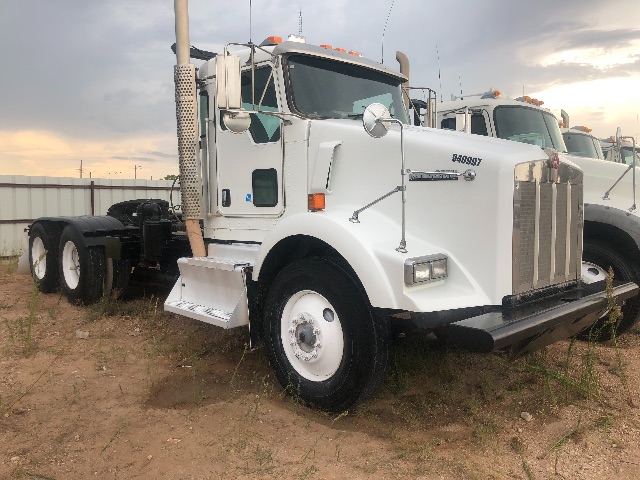
Have used kenworth vacuum truck to sell? List it here to reach thousands of buyers.
About Used Kenworth Vacuum Trucks
The first buying decision is usually the vacuum package, not just the cab and chassis. Combination sewer vacuum trucks typically include a debris body, fresh water capacity, a high-pressure water pump rated by PSI and GPM, and a boom with large-diameter suction hose. Hydro excavation configurations may add a side hose reel, excavation wand package, and winterizing features for cold-weather use. Important used-truck checkpoints include blower or fan hours, pump condition, hose and flange wear, boom function, tank integrity, rear door seal condition, and evidence of repairs around the debris body and subframe. On a Kenworth chassis, also pay attention to PTO engagement, cooling system performance under load, axle ratings, suspension spec, and whether the truck is single purpose or built as a combination unit.
Kenworth vacuum trucks are often spec'd with Cummins power, including ISX15 or X15 engines, paired with Allison automatic or heavy-duty manual transmissions depending on the application. Tandem axle setups are common, and many units carry double-frame construction for body support and off-road durability. GVWR can vary widely based on tank size and intended service, but buyers should compare front axle capacity, rear axle ratings, bridge-law considerations, and legal loaded weight in the states where the truck will run. A truck used for municipal sewer work may have relatively low road miles but high engine, PTO, or fan hours, so maintenance history is often more valuable than odometer alone.
When comparing used Kenworth vacuum trucks, look beyond model year and focus on the complete build: debris body size, fresh water gallons, rodder pump output, vacuum source, boom design, hose reel layout, and access to replacement parts for the vacuum system manufacturer. Units from Vactor, Vac-Con, Super Products, GapVax, and similar body builders all have different service requirements and control layouts. A well-matched used truck can handle municipal jetting, utility daylighting, storm drain cleaning, septic work, or industrial plant cleanup more efficiently than a generic vocational truck, especially when the chassis, PTO setup, and vacuum package were originally spec'd for the exact duty cycle.
Frequently Asked Questions
What should I check first on a used Kenworth vacuum truck?
Start with the vacuum system and body condition before focusing on cab cosmetics. Verify blower or fan hours, rodder pump output, PTO engagement, boom operation, hose condition, rear door sealing surfaces, tank integrity, and any structural repairs to the subframe or debris body. Service records are especially important because many vacuum trucks accumulate operating hours faster than road miles.
What is the difference between a straight vacuum truck and a combination sewer vacuum truck?
A straight vacuum truck is built mainly to suck liquids, sludge, slurry, or dry material depending on its configuration. A combination sewer vacuum truck adds a high-pressure water system, usually with a rodder hose reel, so it can jet sewer lines and vacuum debris in the same job. Combination units are more versatile for municipal and contractor sewer work, but they are also more complex and expensive to maintain.
Are Kenworth T800 and T880 good chassis choices for vacuum truck applications?
Yes. The Kenworth T800 and T880 are widely used in vocational service because they support high axle ratings, heavy body installations, PTO-driven equipment, and severe-duty operation. They are common choices for sewer cleaners, hydro excavators, and industrial vacuum builds where frame strength, cooling capacity, and serviceability matter.
Do miles matter as much as hours on a used vacuum truck?
Not always. Many municipal and utility vacuum trucks spend long periods operating pumps, blowers, and PTO equipment while traveling relatively few miles. Engine hours, fan hours, and maintenance intervals often tell you more about total wear than odometer readings alone. A low-mile truck with poor vacuum-system maintenance can be a risk, while a higher-hour truck with documented service can still be a solid buy.
What specs matter most when comparing used Kenworth sewer vac and hydro excavation trucks?
The key specs are debris body capacity, fresh water capacity, water pump GPM and PSI, vacuum source type, boom reach, hose diameter, axle ratings, GVWR, and PTO configuration. For hydro excavation, buyers should also check winter operation features, excavation hose reel setup, and how the truck is balanced when fully loaded. Matching those specs to your actual work is more important than simply choosing the newest chassis.