
Kenworth Vacuum Trucks For Sale
Shop Kenworth vacuum trucks including T880 and T800 models. Compare hydro excavation, sewer vac, axle ratings, tank sizes, pumps, and PTO setups.
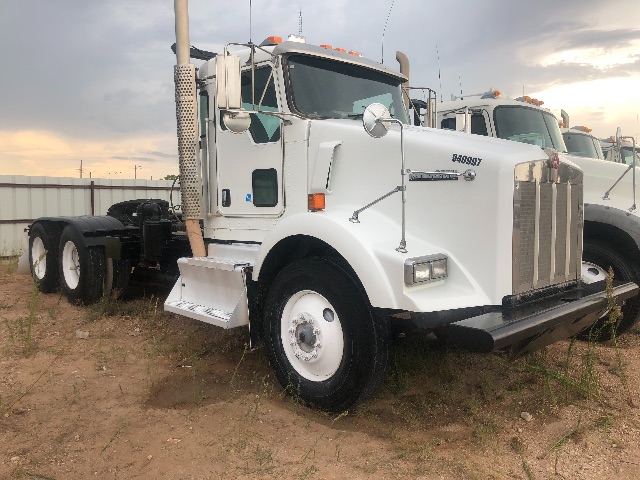
Selling a kenworth vacuum truck? List your kenworth vacuum truck for sale and reach thousands of commercial buyers.
Kenworth Vacuum Trucks
The first buying decision is usually the type of vacuum truck body, not just the truck itself. A combination sewer vacuum truck adds high-pressure water for jetting and line cleaning, while a hydro excavator is set up to cut soil with pressurized water and recover spoil into the debris tank. Industrial vacuum units may focus more on dry material, sludge, or liquid transfer. Key specs to compare include debris tank capacity, fresh water capacity, blower or fan system, boom reach, hose diameter, reel layout, and pump output in GPM and PSI. On used units, engine hours, fan hours, PTO hours, and the service history of suction hoses, elbows, pumps, and control systems matter as much as mileage.
Kenworth vocational chassis are well suited to this work because they typically offer strong front axle ratings, durable suspension options, and good cab ergonomics for long municipal or utility shifts. Common configurations include Cummins power in the 450 to 500 HP range, Allison automatic transmissions for stop-and-go route work, or manual transmissions where operators prefer more control. Buyers should confirm axle ratings, wheelbase, bridge compliance, and legal payload with tanks full, especially on combo units carrying both water and debris. Front axle capacity is particularly important on trucks with heavy front-mounted equipment, booms, or large hose systems.
A smart evaluation of a used Kenworth vacuum truck goes beyond the drivetrain. Check the condition of the debris body, door seals, scuffs in the tank, rodder system, water pump, vacuum blower, filtration components, and hydraulic functions. Ask about recent replacement of suction tubes, hose flanges, elbows, liners, and wear plates, since those are high-use items. If the truck will work in cold climates, confirm winterization features and plumbing protection. If it will run municipal routes or utility contracts, pay attention to operator controls, safety lighting, tool storage, and how easily the unit can be serviced in the field. The best unit is the one matched to the material being recovered, the dump cycle required, and the axle and pump package needed for the job.
Frequently Asked Questions about Kenworth Vacuum Trucks
What is the difference between a combo sewer vacuum truck and a hydro excavation truck?
A combo sewer vacuum truck is designed to jet sewer lines with high-pressure water and then recover debris and wastewater into the tank. A hydro excavation truck uses pressurized water to loosen soil for daylighting utilities, trenching, and non-destructive digging, then vacuums the spoil into the debris body. Some units can perform both roles, but the hose layout, pump output, tank configuration, and boom setup often indicate which application the truck is built around.
What specs matter most when buying a used Kenworth vacuum truck?
The most important specs are debris tank size, fresh water capacity, vacuum source type, water pump rating, front and rear axle ratings, wheelbase, and total GVWR. On a used truck, operating hours on the engine, blower, fan, and PTO are critical because vacuum components can wear independently of chassis mileage. Buyers should also review maintenance records for hoses, seals, elbows, pumps, hydraulic systems, and tank wear items, since those parts directly affect uptime and repair cost.
Are Kenworth T880 and T800 chassis good choices for vacuum truck applications?
Yes. The Kenworth T880 and T800 are both proven vocational platforms with strong frame options, good component access, and axle configurations suited for heavy upfits. They are commonly used for sewer vac, hydro-excavation, and industrial vacuum bodies because they can be spec'd with high front axle capacity, tandem rears, PTO-compatible transmissions, and engines with enough torque for demanding stop-and-go work.
Should I focus more on miles or hours on a vacuum truck?
Hours usually tell more of the story than miles on this type of equipment. Vacuum trucks often spend long periods idling, running PTO equipment, or operating the blower and water system while stationary. A truck with relatively low miles can still have substantial wear in the vacuum body, pump, and hydraulic system if it has high operating hours. The best approach is to compare miles, engine hours, PTO hours, and maintenance records together.
What should I inspect on the vacuum body before buying?
Inspect the debris tank interior, rear door seals, hinges, locks, suction plumbing, boom structure, hose reels, rodder hose condition, water pump, and blower or fan system. Look for corrosion, patched steel, thin wear areas, leaks, cracked welds, damaged controls, and signs of poor cleanout practices. Also verify that all hydraulic functions operate smoothly and that the unit can build and hold vacuum properly, because body and system repairs can be costly even when the chassis is sound.