
Used Mack Vacuum Trucks For Sale
Browse used Mack vacuum trucks built for sewer cleaning, hydro excavation, and municipal service with strong chassis, PTO options, and durable specs.
Have used mack vacuum truck to sell? List it here to reach thousands of buyers.
Used Mack Vacuum Trucks
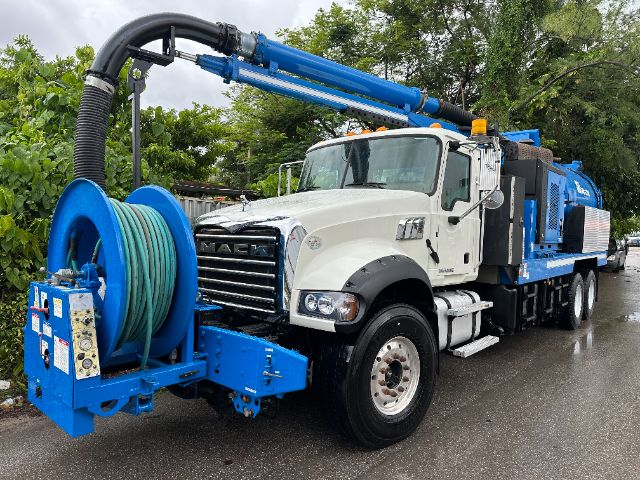
For most buyers, the body and vacuum system matter as much as the truck itself. Common specs in this category include debris bodies around 8 to 12 yards, fresh water capacity in the 1,000 to 1,500 gallon range, hydraulic hose reels, hydraulic dump bodies, and combination sewer jetting systems with high-pressure water pumps. Many used units are equipped with positive displacement blowers or multi-stage fan systems, and some run a separate pony motor to power the vacuum and jetting package. A combo unit can reduce fleet overlap by handling line jetting and vacuum recovery with one truck, but it also adds another layer of maintenance that should be checked closely.
The Mack side of the equation usually appeals to buyers looking for a rugged vocational chassis with good parts support and a reputation for stability under load. Engines such as the Mack MP7 are common in this class, often paired with automatic or automated manual transmissions that make municipal and utility work easier on operators. Wheelbase, axle ratings, and suspension setup should be reviewed against the installed vacuum body, especially if the truck will be used in tight urban environments or on routes with frequent full-load hauling. Tire size, frame condition, PTO setup, and hydraulic performance also deserve close attention because vacuum trucks live a hard life and small issues can become expensive quickly.
A used Mack vacuum truck is usually a better fit when uptime and chassis durability matter more than having the newest emissions package or controls. Ex-municipal units can be attractive because they may have documented service histories and lower mileage for their age, but buyers should still evaluate engine hours, blower hours, pump output, tank integrity, boom wear, hose reel condition, and signs of corrosion from wastewater service. If the truck is a jetter combo, confirm the water pump rating, pressure and flow, and whether the system still delivers the performance needed for the pipe sizes and debris loads you handle.
Frequently Asked Questions about Used Mack Vacuum Trucks
What should I inspect first on a used Mack vacuum truck?
Start with the vacuum body and support systems, not just the chassis mileage. Check debris tank condition, water tank integrity, blower or fan hours, jetter pump output, hydraulic function, hose reel operation, and any pony motor service history. On the chassis side, inspect frame rails, PTO engagement, suspension wear, tire condition, and signs of corrosion or stress from heavy vocational use. A vacuum truck can look good cosmetically and still need major work in the vacuum system.
Are Mack vacuum trucks good for municipal and sewer applications?
Mack vacuum trucks are widely used in municipal, utility, and contractor fleets because Mack chassis are designed for severe-duty service and repeated stop-and-go work. They are commonly used for sewer cleaning, lift station cleanup, catch basin service, hydro excavation support, and industrial vacuum work. Their appeal usually comes from chassis durability, vocational driveline options, and compatibility with major vacuum body manufacturers.
What is the difference between a vacuum truck and a combo jetter vacuum truck?
A standard vacuum truck is designed primarily to suction liquids, sludge, slurry, and debris into a tank. A combo jetter vacuum truck adds a high-pressure water system for cleaning sewer lines and breaking up blockages before vacuum recovery. For buyers handling sewer maintenance or storm drain cleaning, a combo unit can replace two separate pieces of equipment, but it also brings more components to inspect and maintain.
Why do many used vacuum trucks have both miles and hours listed?
Miles only tell part of the story on a vacuum truck because much of its working life is spent stationary while the vacuum, jetter, hydraulics, or auxiliary engine is running. Engine hours help show total chassis use, and blower hours or pony motor hours help show wear on the equipment package itself. A low-mile truck with very high equipment hours may have more wear than a higher-mile unit that saw lighter service.
What specs matter most when comparing used Mack vacuum trucks?
The key specs are debris body capacity, fresh water capacity, vacuum producer type, water pump flow and pressure, axle ratings, wheelbase, transmission type, and the presence of a pony motor or PTO-driven system. Buyers should also confirm hose reel configuration, hydraulic dump function, rear and front tire sizes, and how the truck's GVWR aligns with the upfit. Matching these specs to your work is more important than comparing year models alone.