
Used GMC Vacuum Trucks For Sale
Used GMC vacuum trucks for sewer cleaning, hydro excavation, and debris recovery. Compare chassis, tank, blower, pump, and PTO setups.
Learn more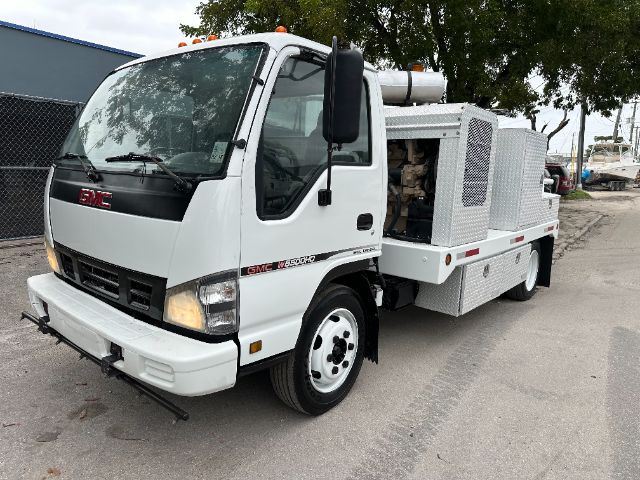
Have used gmc vacuum truck to sell? List it here to reach thousands of buyers.
About Used GMC Vacuum Trucks
A buyer comparing used GMC vacuum trucks should start with application first. Sewer jetter and combo-style units often include fresh water capacity, a high-pressure water pump, hose reels, and a positive displacement blower rated by CFM. Hydro excavation and utility cleanup units may be set up differently, with tank layouts and spoil handling designed around digging productivity rather than line cleaning. Smaller GMC models such as W-Series cabovers can be easier to maneuver in alleys, neighborhoods, and tight municipal job sites, while larger conventional GMC chassis may offer higher GVWR, longer wheelbase options, and more room for heavier vacuum packages. Tank size, fresh water volume, boom configuration, and PTO or pony motor setup all affect job efficiency and operating cost.
Condition matters more on a used vacuum truck than on many other truck classes because the truck and the vacuum system both have wear points. Buyers should inspect blower hours, pump condition, hose reel operation, tank integrity, rear door seals, valves, filtration components, and any signs of corrosion from wastewater or chemical exposure. On the chassis side, pay attention to engine hours versus miles, transmission operation, PTO engagement, brake condition, frame rust, and suspension wear. Service records on the blower, water pump, and hydraulic components can be as important as engine maintenance history. If the truck has a pony motor, confirm cold-start behavior, hour meter accuracy, and parts support.
GMC vacuum trucks can be a practical fit for fleets that want medium-duty serviceability and straightforward cab access, especially in urban and utility applications. A good used unit should be evaluated as a complete working system, not just a truck with a tank. The strongest candidates usually have a chassis rated appropriately for the upfit, a vacuum package sized to the work, and maintenance documentation that shows regular attention to both the truck and the equipment body. Buyers who compare blower capacity, water pressure, spoil capacity, and chassis GVWR side by side will make better decisions than buyers who shop by model year alone.
Frequently Asked Questions
What should I check first on a used GMC vacuum truck?
Start with the vacuum system, not just the chassis. Confirm blower performance, tank condition, water pump operation, hose reel function, valve sealing, and PTO or pony motor engagement. Then inspect the GMC chassis for engine condition, transmission shifting, brake wear, frame corrosion, suspension health, and whether the GVWR matches the installed vacuum body. A vacuum truck is a working system, so a clean cab and low miles do not mean much if the blower, pump, or tank need major repair.
Are GMC vacuum trucks good for municipal and utility work?
Yes, GMC vacuum trucks are often well suited for municipal sewer cleaning, catch basin service, hydro excavation support, and underground utility maintenance. Cabover GMC models can be especially useful where turning radius and visibility matter. Larger GMC chassis are better when the job requires more tank volume, more fresh water, or a heavier upfit. The right match depends on route density, site access, and whether the truck is cleaning lines, recovering slurry, or handling general liquid and debris vacuum work.
What is more important on a vacuum truck, miles or equipment hours?
Equipment hours are often just as important as miles, and sometimes more important. A used GMC vacuum truck may have modest road miles but high blower, pump, or pony motor hours from long periods of stationary operation. High equipment hours can mean more wear on the vacuum system even when the chassis appears lightly used. Buyers should compare odometer mileage, engine hours if available, blower hours, and service records together rather than relying on one number.
How do I choose the right tank and blower size on a used GMC vacuum truck?
Choose tank and blower size based on the material being recovered and the length of each job cycle. Higher CFM and stronger vacuum performance help with faster debris recovery and longer hose runs, while tank capacity affects how often the truck has to dump and return. Fresh water capacity and pump pressure matter more on sewer jetting and combo units than on simple dry or liquid recovery setups. A truck that is too small reduces productivity, but a truck that is too large can add weight, cost, and maneuverability issues.
Why do many used GMC vacuum trucks have body-brand equipment instead of GMC-branded vacuum systems?
Because the vacuum body is typically built by a specialized upfitter, not by the truck manufacturer. GMC provides the chassis, cab, engine, and running gear, while the tank, blower, water system, hydraulics, and controls come from companies focused on vacuum and sewer equipment. That is normal in this category. Buyers should evaluate the GMC chassis and the body manufacturer separately, since parts support, maintenance needs, and resale value can depend on both.