
Used 2008 Vacuum Trucks For Sale
Compare used 2008 vacuum trucks for sale by blower type, jetting output, engine hours, and emissions equipment before choosing a sewer or excavation rig.
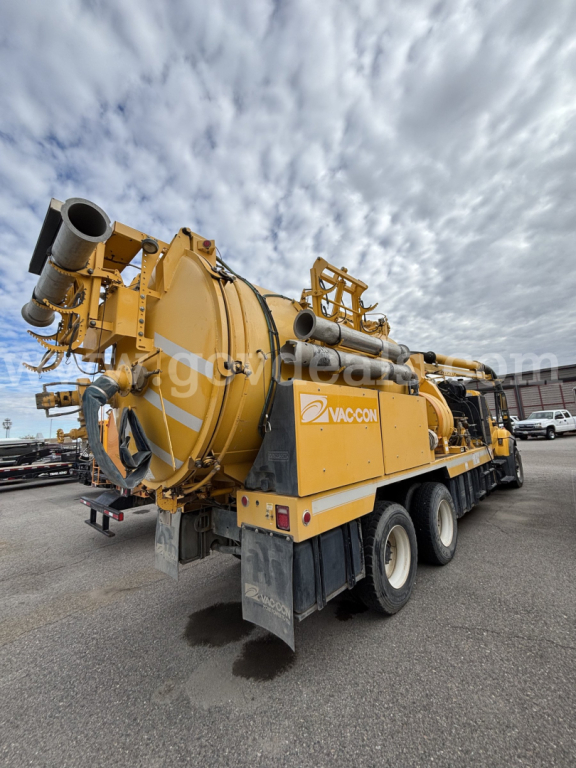
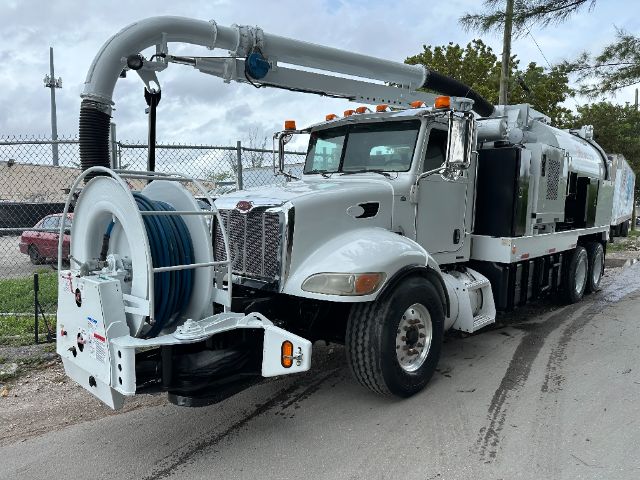

Selling a used 2008 vacuum truck? List your used 2008 vacuum truck for sale and reach thousands of commercial buyers.
Used 2008 Vacuum Trucks
Match the vacuum body to the material before comparing horsepower. Septic and liquid-waste tankers, sewer-cleaning combination trucks, and hydroexcavators perform different jobs despite sharing the vac truck name. A sewer combo needs useful jetting flow at working pressure, sufficient freshwater capacity, and a serviceable hose reel. Hydroexcavation requires a suitable digging system and debris handling, not simply a jetter and suction hose. Across chassis such as the Peterbilt 340, International 7500, and purpose-built cabovers, compare wheelbase, turning clearance, axle ratings, and PTO or auxiliary-engine drive arrangements.
Arrange a working demonstration that includes vacuum generation, water-pump operation if equipped, boom movement, rear-door sealing, and body dumping. Check blower or fan noise, drive belts, hydraulic leaks, vacuum relief operation, hose condition, and accumulated grit in the debris body. Inspect tank supports, frame rails, crossmembers, and rear-door hinges for corrosion or cracking. Tank wall thickness testing is worth considering when service history suggests abrasive or corrosive loads. A repainted body and a clean cab do not establish the condition of the vacuum system.
Usable payload is limited by the truck's certified ratings and legal axle weights, not tank volume alone. Water, wet spoil, and carried equipment can overload an axle before the tank is full. Obtain an axle-by-axle scale ticket and calculate loaded weights for the intended material. Snow Belt and Canadian trucks need close inspection for salt corrosion and freeze damage in pumps, valves, and water lines. Check state or provincial axle limits, seasonal road restrictions, and applicable emissions requirements before assigning routes.
Frequently Asked Questions about Used 2008 Vacuum Trucks
Is a fan or positive-displacement blower better on a 2008 vacuum truck?
A positive-displacement blower is usually better suited to sustained vacuum through long hose runs or greater digging depths; a fan system often favors high airflow on shorter, shallower work. For a used 2008 vacuum truck, compare actual airflow and vacuum ratings at operating speed rather than judging by horsepower. Worn seals, lobes, fan blades, or drive components can reduce the expected performance advantage of either design.
Do I need a tanker endorsement to drive a 2008 vacuum truck?
In the United States, a tank endorsement generally applies to CDL-required vacuum trucks carrying liquids in tanks with individual rated capacities over 119 gallons and an aggregate rated capacity of at least 1,000 gallons. A Class B CDL commonly covers a qualifying straight vacuum truck; towing can change the required class. Air-brake restrictions and hazardous-material requirements are separate issues, and Canadian commercial licence and endorsement rules vary by province.
Can a used 2008 diesel vacuum truck operate in California?
A stock 2008 diesel engine generally does not meet the 2010-or-newer engine requirement that California's Truck and Bus Regulation applies to most trucks over 26,000 pounds GVWR. Verify the engine family, replacement-engine documentation, and the vacuum truck's current compliance status with CARB. Limited-use provisions or other exemptions have specific conditions; a municipal service history or an existing DPF does not by itself establish eligibility for normal California operation.
Can a 2008 sewer-combination vacuum truck be used for hydroexcavation?
Treat a 2008 sewer-combination vacuum truck as hydroexcavation-capable only after verifying manufacturer-approved digging equipment and controls. Sewer jetting pressure is not a safe excavation setting around utilities. Confirm an approved digging nozzle, adjustable water pressure, hose ratings, debris capacity, and safe shutdown controls. Utility-owner procedures and operator training remain necessary even after the vacuum truck's hardware is suitable.