
2008 Vacuum Trucks For Sale
Compare 2008 vacuum trucks for sale by vacuum system, engine hours, emissions equipment, tank condition, and legal payload for sewer or excavation work.
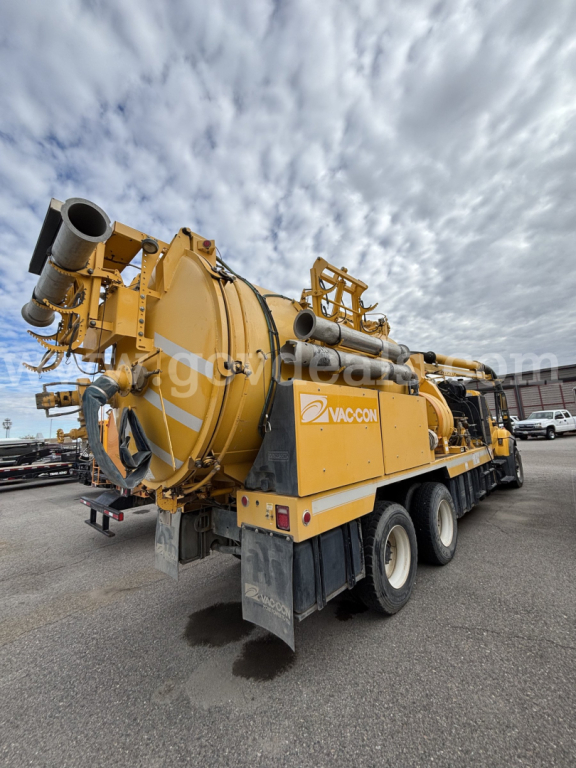
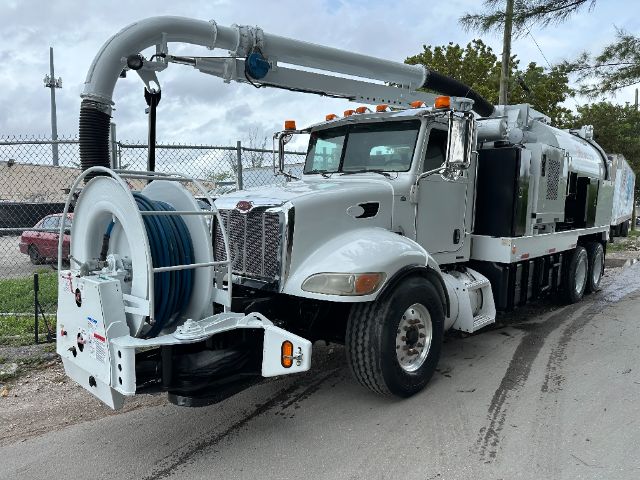

Selling a 2008 vacuum truck? List your 2008 vacuum truck for sale and reach thousands of commercial buyers.
2008 Vacuum Trucks
Vac trucks and sucker trucks range from liquid tankers for septic or industrial service to sewer jetter combinations and purpose-built hydro excavators. Choose tank construction, usable capacity, vacuum source, hose diameter, and discharge arrangement around the material being collected. Sewer cleaning also requires matching water-pump flow, pressure, hose length, and reel placement to the pipe sizes being serviced. A large debris body does not guarantee useful payload: freshwater, collected material, tooling, and crew must remain within GVWR, individual axle ratings, and applicable state or provincial road limits.
A working demonstration should include vacuum operation, jetting equipment where fitted, boom movement, rear-door sealing, and the complete dumping cycle. Inspect tank walls, subframes, door hinges, hydraulic cylinders, and hose reels for corrosion, cracking, leakage, and poor repairs. Salt exposure across northern US states and Canadian provinces can damage chassis wiring, air lines, and body mounts. Freeze damage can split water pumps, valves, and plumbing. Compare ECM hours with chassis and auxiliary-engine meters, and request DPF cleaning, regeneration, cooling-system, vacuum-pump, and blower service records.
A 2008 truck described as new or unused still needs an age-related inspection of tires, seals, hoses, batteries, and stored fluids. Obtain written confirmation of chassis and body warranty coverage instead of assuming original warranties remain valid. For a qualifying first retail sale in the United States, the 12% federal excise tax may apply. Confirm emissions eligibility, registration requirements, and intended cargo compatibility before putting an older chassis into service anywhere in the United States or Canada.
Frequently Asked Questions about 2008 Vacuum Trucks
Should I choose a fan or positive-displacement blower on a 2008 vacuum truck?
A positive-displacement blower is usually the better choice for deeper lifts and longer suction runs, while a fan system favors high airflow on suitable shorter, shallower work. Compare the complete vacuum system rather than horsepower alone. Hose diameter, air leaks, separator condition, and material density affect performance. On a 2008 vacuum truck, verify blower clearances or fan condition and demonstrate performance at a working distance representative of the job.
Can a 2008 vacuum truck operate legally in California?
A 2008 diesel vacuum truck over 26,000 pounds GVWR generally needs a 2010-or-newer emissions-standard engine to satisfy California's Truck and Bus regulation, unless an applicable exemption or provision covers the operation. Chassis model year alone does not establish compliance because an engine replacement may change eligibility. Verify engine documentation, CARB reporting status, and any claimed exemption before purchase; low annual mileage does not automatically make the truck compliant.
Can a 2008 sewer vacuum truck also do hydro excavation?
A sewer vacuum truck can perform hydro excavation only when its body and water system are designed and equipped for that work. A sewer jetter's pressure rating alone does not establish suitability. Verify the manufacturer's approval, excavation wand and nozzle specifications, pressure controls, debris separation, and suitability for abrasive spoil. Cold-weather excavation may also require a properly integrated water heater and freeze-protection system.
What license do I need to drive a 2008 vacuum truck?
A single vacuum truck with a GVWR or actual gross weight of 26,001 pounds or more generally requires a Class B CDL in the United States. A tank endorsement generally applies when qualifying liquid tanks exceed 119 gallons individually and total at least 1,000 gallons. Trailer weight can change the required license class, and air-brake restrictions also matter. Canadian operators must check provincial licensing and air-brake endorsement requirements.
Can any 2008 vacuum truck haul hazardous waste?
No, a vacuum truck's ability to collect waste does not establish approval to transport hazardous material. The tank specification, material compatibility, inspection status, cargo classification, and applicable transport rules determine suitability. Some loads require a specification cargo tank, current testing, placards, and additional driver qualifications. For US or Canadian service, have the intended waste stream classified and verify the tank's certification plate and supporting records before committing to the truck.