
New Mack Vacuum Tank Trucks For Sale
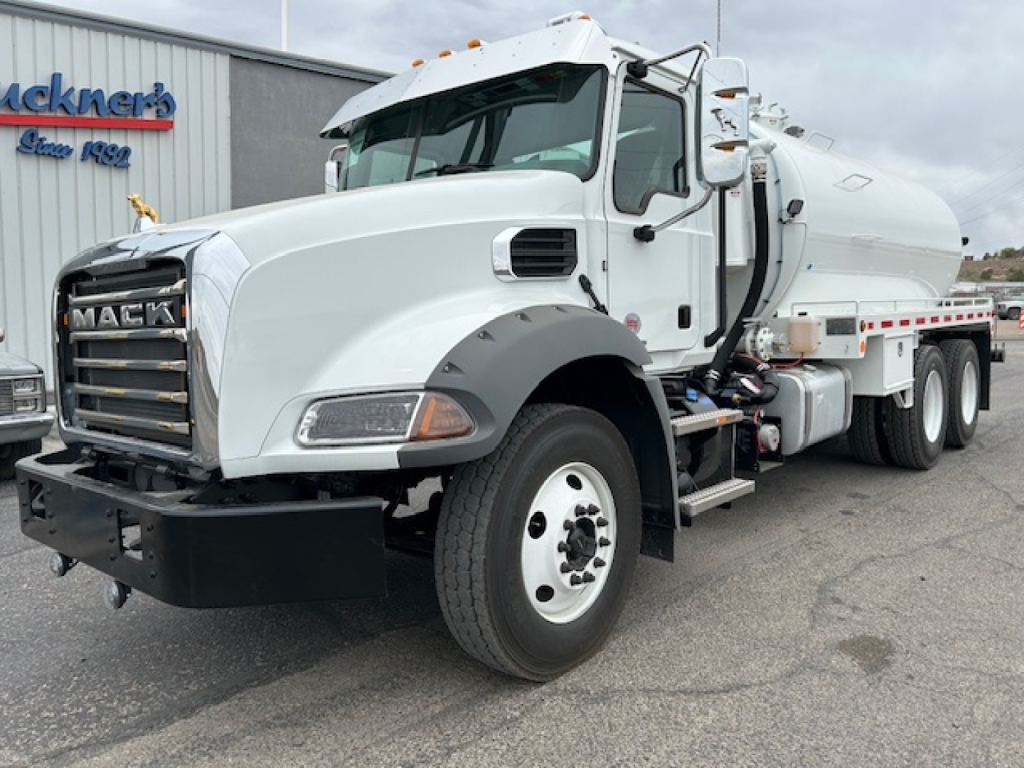
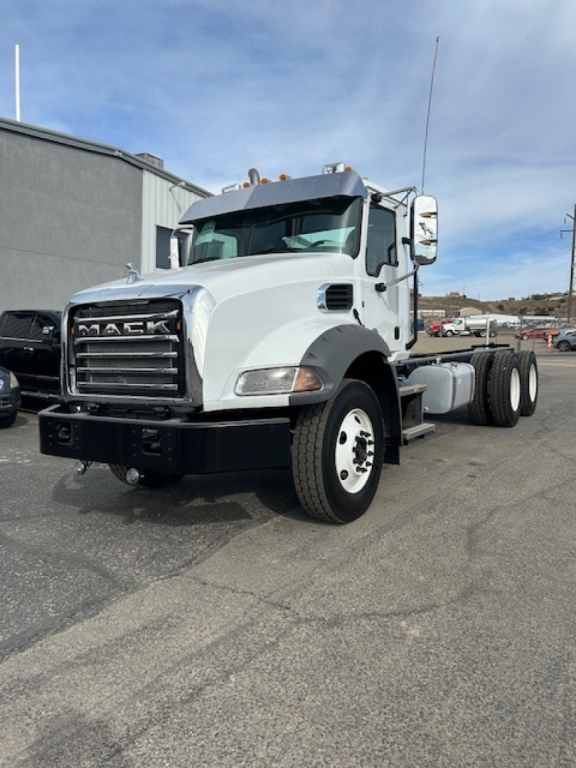
Have new mack vacuum tank truck to sell? List it here to reach thousands of buyers.
New Mack Vacuum Tank Trucks
One of the first decisions is tank capacity and body configuration. Many vacuum tank trucks in this class are built around 80 BBL tanks, but the right setup depends on payload targets, legal road weights, and the type of material being hauled. Buyers should look closely at whether the tank is spec'd as a general service unit or for crude, saltwater, septic, or corrosive material. Tank lining, internal washout needs, rear door style, and plumbing layout all affect service life and turnaround time. Pump choice is just as important. A heavy-duty vacuum pump from a recognized manufacturer is common in this segment, and performance should be matched to the product being moved, expected cycle times, and operating elevation.
On the chassis side, Mack vocational models often show up with MP8 diesel power in the 400-plus horsepower range, paired with the mDrive automated transmission or another heavy vocational transmission setup. That combination is attractive for operators who want strong torque, easier driver training, and precise low-speed maneuvering on lease roads and crowded job sites. Tandem rear axles in the 46,000-pound class, front axles around 14,000 pounds or more, full locking differentials, and Hendrickson or similar severe-service suspensions are common specs to evaluate. A setback front axle can also be a real advantage on vacuum tank trucks because turning radius matters when backing to tanks, navigating disposal sites, or working around production equipment.
A buyer comparing new Mack vacuum tank trucks should pay attention to the details that affect long-term operating cost: frame rating, wheelbase, PTO and hydraulic integration, rear hitch setup for pulling a pup trailer, serviceability of the pump and plumbing, and how easily the truck can be adapted to local regulations or customer requirements. New units also give fleets a cleaner starting point for body spec, corrosion protection, warranty planning, and compliance. For operators running demanding routes and repetitive suction cycles, a properly spec'd Mack vacuum tank truck can be a durable, high-utilization asset with the traction, braking, and driveline protection needed for hard vocational work.
Frequently Asked Questions about New Mack Vacuum Tank Trucks
What are new Mack vacuum tank trucks commonly used for?
New Mack vacuum tank trucks are commonly used in oilfield fluid service, produced water hauling, septic work, industrial vacuum service, environmental cleanup, and other jobs that require loading, transporting, and unloading liquid or semi-liquid material. Their severe-duty chassis makes them especially popular in applications that combine highway travel with rough lease roads, plant yards, and tight job sites.
What specs matter most when buying a Mack vacuum tank truck?
The most important specs are tank capacity, pump model, chassis GVWR, axle ratings, wheelbase, transmission type, suspension, and locking differential setup. Buyers should also confirm whether the tank is lined or unlined, how the plumbing is configured, whether the truck includes a rear hitch for a pup trailer, and whether the chassis was spec'd for the weight distribution and duty cycle of the intended application.
Is an automated Mack mDrive transmission a good fit for a vacuum tank truck?
Yes, in many vocational applications the Mack mDrive is a strong fit because it provides consistent shifting, good low-speed control, and reduced driver fatigue. For vacuum tank service, that matters when operating in stop-and-go conditions, backing into position, or working on unstable surfaces where smooth power delivery is important. Buyers should still verify the exact transmission programming, crawler gear setup, and reverse performance for the work they do.
How important is tank lining on a vacuum tank truck?
Tank lining can be very important depending on the product being hauled. Corrosive fluids, abrasive materials, and repeated chemical exposure can shorten tank life if the interior is not protected appropriately. A buyer should match the lining choice to the commodity, washout procedure, and expected duty cycle rather than treating it as a minor option.
Why do axle ratings and suspension specs matter on vacuum tank trucks?
Axle and suspension specs directly affect legal payload, durability, traction, and stability. Vacuum tank trucks often run with changing liquid loads, off-road travel, and frequent starts and stops, so under-spec'd components can create problems with weight distribution, tire wear, and driveline stress. Heavy front axles, tandem rears, and vocational suspensions are often necessary to support the tank, pump system, and loaded operating conditions.