
Mack Vacuum Tank Trucks For Sale
Shop Mack vacuum tank trucks built for septic, sewer, industrial cleanup, and hydro excavation work with heavy-duty specs and vocational durability.
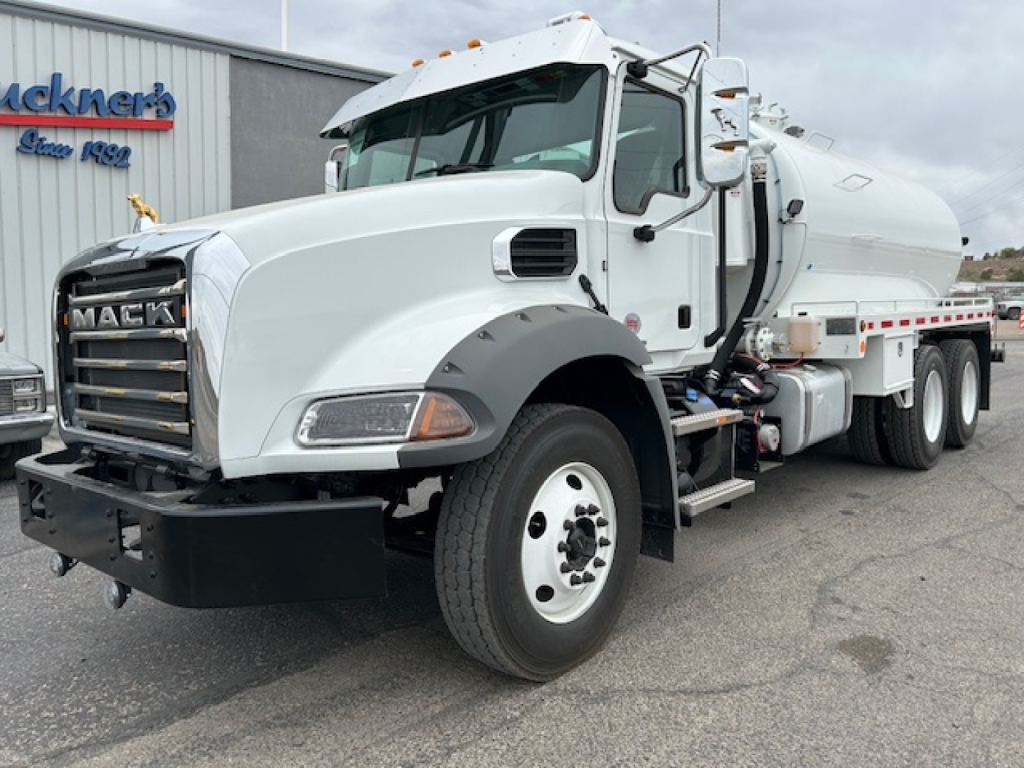
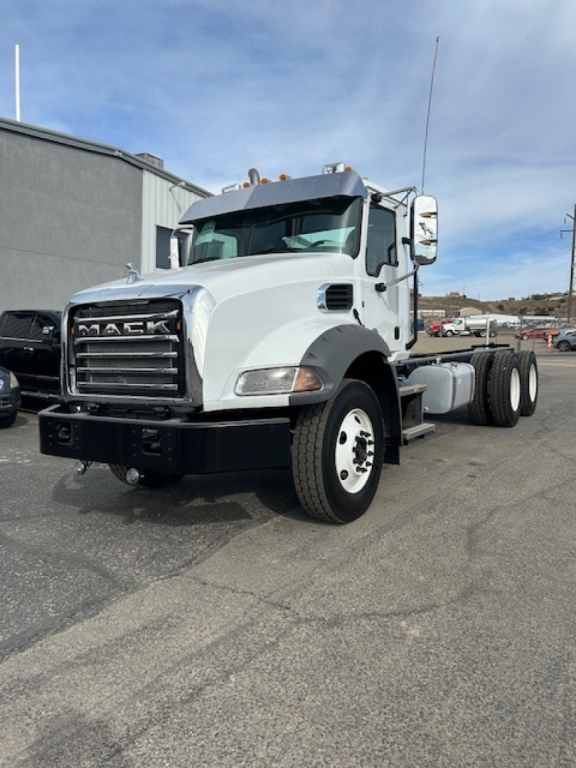
Selling a mack vacuum tank truck? List your mack vacuum tank truck for sale and reach thousands of commercial buyers.
Mack Vacuum Tank Trucks
A good vacuum truck spec starts with the job cycle. For liquid waste and municipal work, tank capacity, pump type, hose storage, and PTO compatibility should be matched to the route and disposal schedule. Chassis specs matter just as much. Many Mack vacuum tank trucks run MP8 diesel power in the 400 to 500 horsepower range, paired with automated manual or heavy-duty manual transmissions that offer deep reduction gearing for crawling into pits, plants, and unpaved sites. Tandem axle setups, wheelbases in the low-200-inch range, and rear axle ratings around 40,000 to 46,000 pounds are common when buyers need payload and stability without giving up maneuverability.
Suspension and axle choices deserve close attention because a vacuum tank truck carries shifting liquid loads and spends a lot of time fully loaded. Heavy vocational suspensions like Hendrickson configurations are popular for durability, and buyers should confirm front axle capacity if the truck will carry a front-mounted hose reel, boom, or additional equipment. Rear ratio selection affects launch, PTO operating range, and road speed between jobs. If the truck will see city work with frequent starts and tight alleys, turning radius and wheelbase can be just as important as gross vehicle weight rating. If the application includes corrosive materials or abrasive debris, ask about tank construction, internal coating, baffle design, and cleanout access.
The best Mack vacuum tank truck is the one spec'd around the pump system and the material being handled, not just the cab and engine badge. Buyers should verify blower or pump brand, vacuum and pressure capability, tank gallon rating, hydraulic requirements, hose diameter, and any filtration or separator components before comparing price. It also helps to confirm legal loaded weight in the states where the truck will run, because usable payload can change quickly once tank size, water capacity, and installed equipment are added. A properly matched Mack vacuum truck can deliver long service life in demanding municipal, environmental, and industrial fleets while keeping operators productive in tight, dirty, low-speed work.
Frequently Asked Questions about Mack Vacuum Tank Trucks
What are Mack vacuum tank trucks commonly used for?
Mack vacuum tank trucks are commonly used for septic pumping, sewer and catch basin cleaning, grease trap service, industrial vacuum work, sludge hauling, and some hydro excavation support roles. The exact application depends on the tank, pump, and plumbing package installed on the chassis. Buyers should match the truck to the material being handled, because liquid waste, slurry, dry debris, and hazardous industrial residue place different demands on the vacuum system and tank construction.
Why is chassis spec so important on a vacuum tank truck?
Chassis spec directly affects payload, durability, maneuverability, and PTO performance. A vacuum truck spends much of its life starting, stopping, idling, operating auxiliary equipment, and carrying heavy, shifting loads. Engine torque, transmission gearing, axle ratings, wheelbase, suspension, and rear ratio all influence how well the truck performs on city routes, landfill approaches, plant sites, and off-road service calls. A strong vocational chassis is often more important than top-end horsepower alone.
What should I check besides the Mack cab and engine?
The vacuum package is just as important as the truck itself. Buyers should confirm tank capacity, tank material, pump or blower type, vacuum and pressure ratings, hose reel setup, filtration system, separator design, and PTO or hydraulic requirements. It is also smart to review baffle layout, rear door or cleanout design, and service access for routine maintenance. These details determine how efficiently the truck loads, unloads, and handles the specific waste stream.
Are tandem axle Mack vacuum tank trucks better than single axle units?
Tandem axle Mack vacuum tank trucks are often preferred when higher tank capacity, better load distribution, and greater legal GVWR are required. They are common in municipal and industrial applications where the truck operates fully loaded and needs stronger rear suspension and traction. Single axle units can still make sense for lighter septic routes or tighter urban work where maneuverability and lower operating cost matter more than maximum payload. The right choice depends on route density, disposal distance, and legal weight limits.
What transmission and gearing work best for vacuum truck applications?
Vacuum tank trucks benefit from transmissions and axle ratios that support low-speed control, PTO operation, and reliable launch under load. Heavy-duty automated manuals and manual transmissions with deep reduction gearing are common because they help the truck move smoothly in yards, plants, alleys, and soft ground. Buyers should not look at gear count alone. The important factors are creep capability, reverse performance, PTO compatibility, and whether the rear ratio keeps engine speed in the right range during both pumping operations and road travel.