
Used 2025 Commercial Trucks For Sale in North Carolina
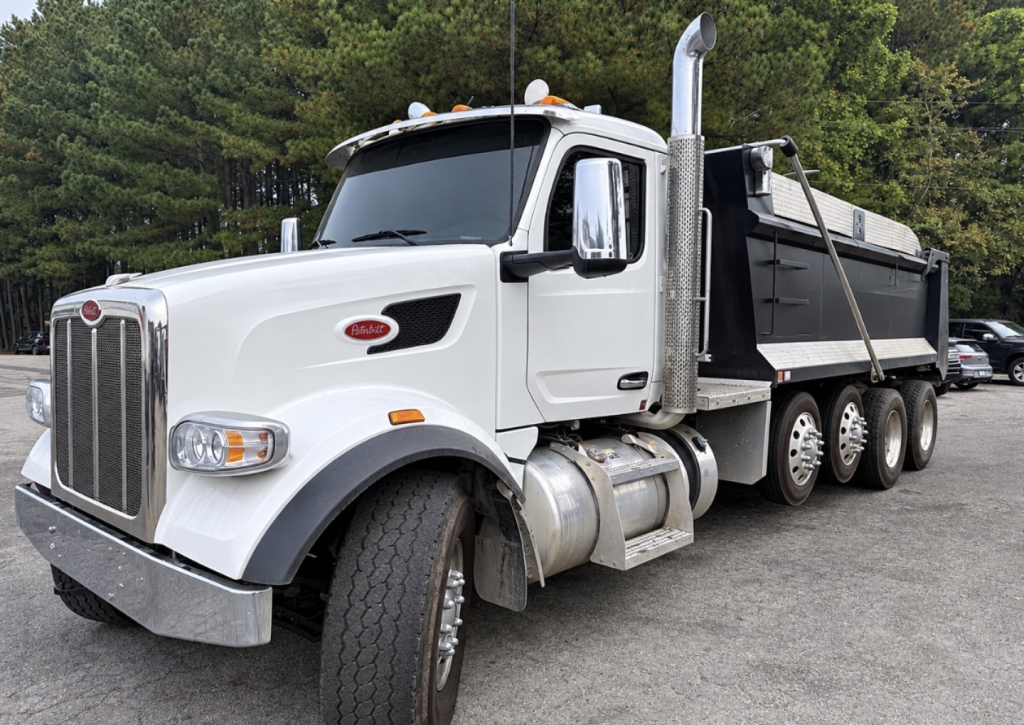
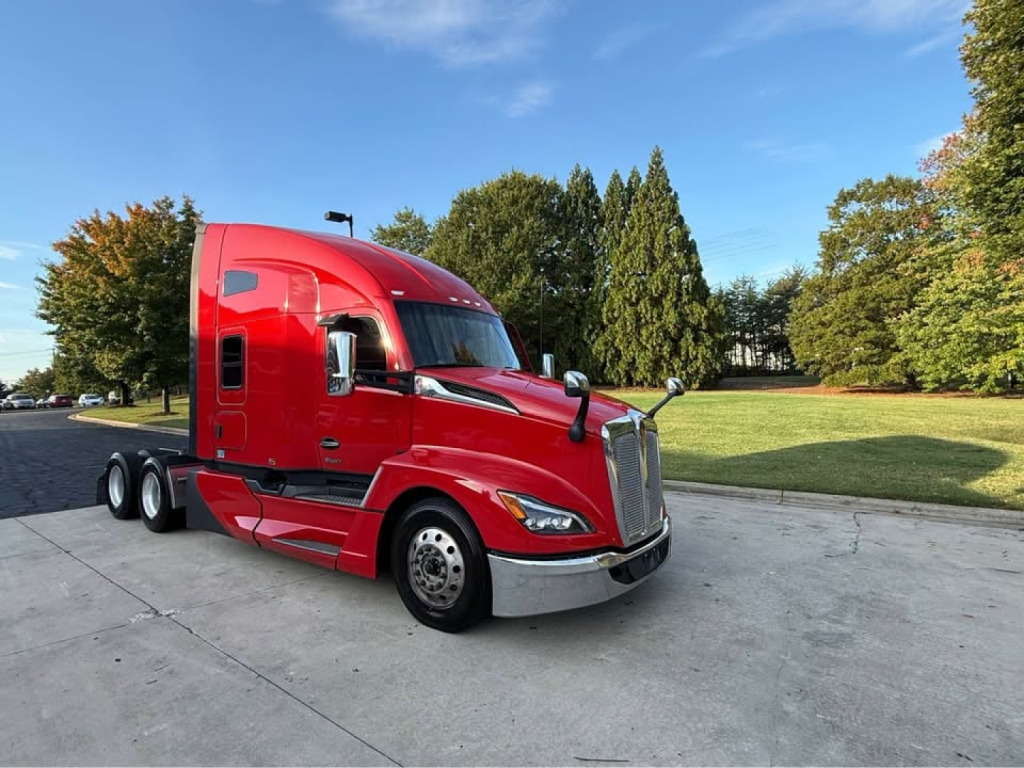
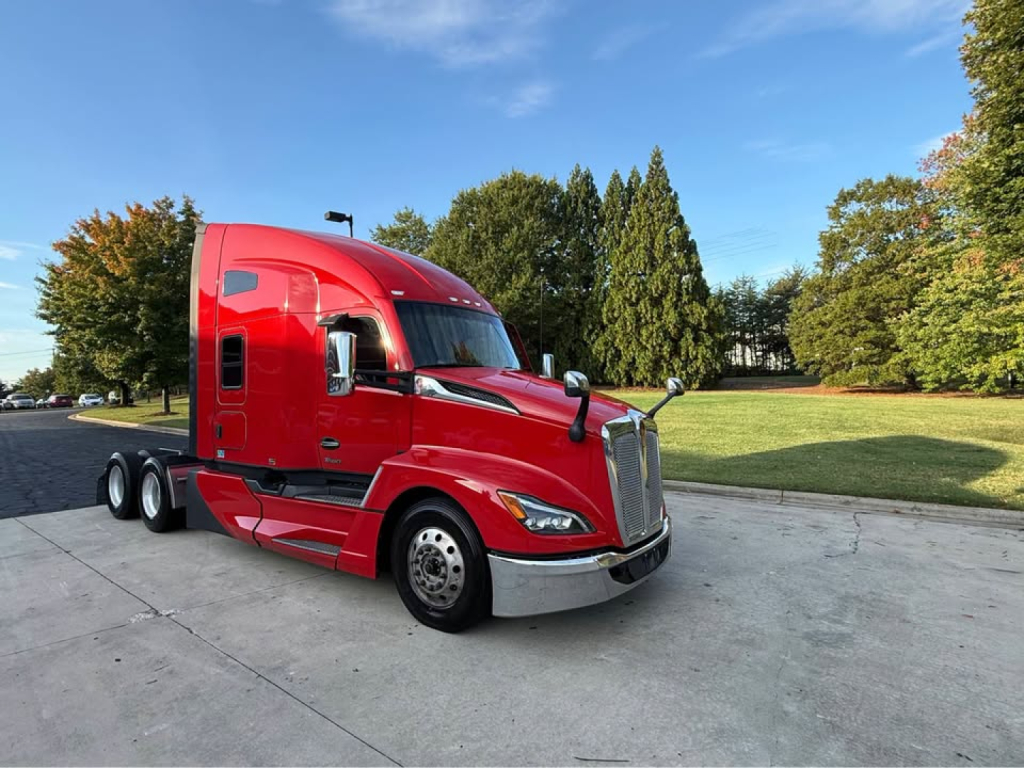
Shop used 2025 trucks for sale in North Carolina, including day cabs, sleepers, dump trucks, and vocational models for regional or local work.
Selling a used 2025 commercial truck? List your used 2025 commercial truck for sale and reach thousands of commercial buyers.
Used 2025 Commercial Trucks in North Carolina
For over-the-road and regional buyers, 2025 used trucks often include automated manual transmissions, aerodynamic packages, collision mitigation, lane departure warning, optimized idle management, and telematics-ready electrical architecture. Engine ratings commonly vary by duty cycle, with lighter regional tractors often spec'd for fuel economy and heavier haul units ordered with higher torque and more aggressive rear axle ratios. In North Carolina, that matters because operating conditions can shift from dense urban freight in Charlotte or Raleigh to port-related moves, construction work, agriculture, and mountain grades in the western part of the state. A truck that is ideal for flat interstate lanes may not be the best fit for stop-and-go vocational duty or repeated climbs with a loaded trailer.
Condition on a used 2025 truck should be judged by more than odometer reading. Buyers should review engine hours, idle hours, maintenance records, warranty status, tire life, brake condition, emissions system service history, and any signs of prior vocational stress such as frame modifications, PTO use, body mounting changes, or corrosion exposure. On tractors, look closely at sleeper size, bunk heater or APU presence, fifth wheel condition, fairings, and wheelbase relative to trailer swing clearance. On straight trucks and vocational chassis, confirm body upfit quality, hydraulic operation if equipped, front axle capacity, and whether the truck was built for the payload you plan to carry rather than simply priced attractively.
North Carolina buyers also benefit from paying attention to registration class, bridge-law implications, and route demands before narrowing down listings. A 2025 used truck can be a strong choice for fleets that want current-generation technology without the cost of new equipment, but the best purchase is the one with the right spec, documented service history, and a duty cycle that matches your business. When comparing trucks in this category, prioritize drivetrain compatibility, axle and suspension ratings, safety systems, and overall maintenance evidence ahead of cosmetics.
Frequently Asked Questions about Used 2025 Commercial Trucks in North Carolina
What should I look for first when buying a used 2025 truck in North Carolina?
Start with the truck's intended job, then verify the core chassis and drivetrain specs match that work. Check GVWR or GCWR, axle configuration, engine rating, transmission type, suspension, wheelbase, and PTO capability if vocational equipment is involved. After that, review miles, engine hours, idle hours, maintenance records, emissions service history, tire and brake condition, and any remaining factory or extended warranty coverage. A newer model year does not automatically mean the truck is correctly spec'd for your operation.
Are used 2025 trucks likely to have advanced safety and fuel-efficiency features?
Yes. Many 2025 trucks were ordered with current-generation driver-assistance and fuel-saving technology, especially in fleet tractor applications. Common features include collision mitigation, adaptive cruise control, lane departure warning, automated manual transmissions, predictive cruise, idle management, and aerodynamic packages. Buyers should still confirm which systems are actually installed on a specific truck, because feature content can vary significantly by make, model, and original fleet order.
Does mileage matter more than engine hours on a used 2025 truck?
Neither should be viewed alone. Mileage helps measure chassis use, but engine hours and idle hours often give a better picture of total engine wear, especially on trucks used for city delivery, utility work, or jobs with long stationary PTO or idle time. A truck with moderate miles but very high hours may have seen harder service than a higher-mile highway unit that ran mostly steady interstate routes. The best evaluation uses mileage, hours, maintenance records, and operating history together.
What types of used 2025 trucks are common in this category?
This category can include highway tractors such as day cabs and sleeper trucks, along with straight trucks and vocational units like dump trucks, utility trucks, hooklift trucks, and other work-truck configurations. The 2025 model year spans both freight and vocational applications, so buyers should expect wide variation in axle ratings, cab style, body equipment, and drivetrain spec. That is why body type and intended use should be clarified before comparing prices across listings.
Is buying a used 2025 truck a good alternative to ordering new?
For many buyers, yes. A used 2025 truck can offer current technology, newer emissions systems, and modern cab features without the price or lead-time burden of a new order. The advantage is strongest when the truck already matches your lane, payload, and driver requirements. The key is to verify service documentation, inspect for damage or hard vocational use, and confirm the spec fits your operation so you are not paying for a late-model truck that still requires costly changes after purchase.