
Used 2025 Commercial Trucks For Sale in Nebraska
Shop used 2025 trucks for sale in Nebraska, including day cabs and sleepers with modern powertrains, aero specs, and fleet-ready configurations.
Selling a used 2025 commercial truck? List your used 2025 commercial truck for sale and reach thousands of commercial buyers.
Used 2025 Commercial Trucks in Nebraska
The first decision is application. Day cabs fit regional haul, shuttle work, dedicated lanes, and ag or industrial freight where drivers return home daily. Sleeper trucks fit longer over-the-road runs and dedicated freight that demands bunk space, onboard storage, and higher fuel capacity. Common specs in this class include 12 to 15 liter diesel engines, 425 to 505 horsepower, 40,000 lb tandem rear axles, air ride suspension, and automated transmissions such as Detroit DT12, Volvo I-Shift, or PACCAR automated gearboxes. Nebraska buyers often pay close attention to rear axle ratio because it directly affects cruise RPM, fuel economy, startability, and how well the truck matches typical Midwest interstate speeds and payload expectations.
A used 2025 truck should also be evaluated by cab configuration and chassis details, not just make and engine badge. Wheelbase matters for bridge law compliance, trailer swing clearance, and maneuverability in yards, elevators, and tighter customer docks. Fifth wheel type matters too. A stationary fifth wheel can make sense for consistent trailer dimensions, while an air slide adds flexibility across mixed trailer fleets and kingpin settings. Buyers should also look for practical spec items such as engine brake strength, disc versus drum brakes, fuel tank capacity, fairings, cab extenders, collision mitigation systems, bunk heaters, APUs, refrigerator prep, and tire setup including low-profile drives or super singles.
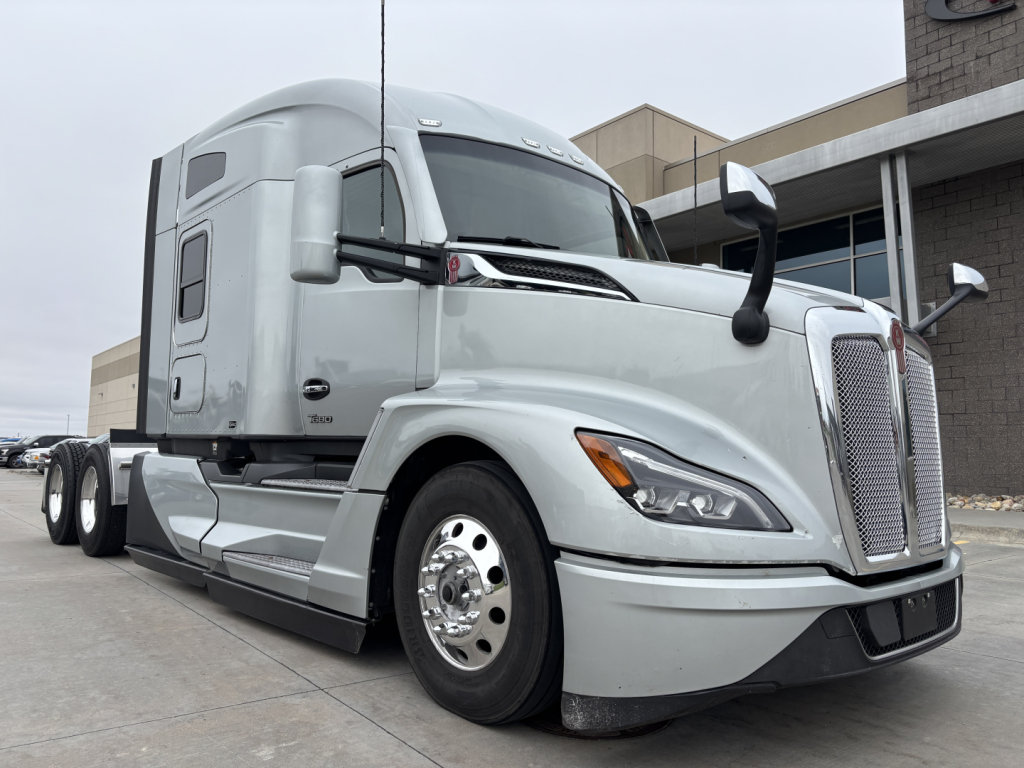
Nebraska truck buyers often operate in a mix of interstate linehaul, agricultural freight, livestock support, construction supply, and regional distribution, so durability and service access count as much as headline horsepower. Late-model Freightliner Cascadia, Peterbilt 579, Volvo VNL, Kenworth T680, and similar conventional tractors remain popular because parts support is strong and most shops are familiar with their emissions, electrical, and aftertreatment systems. When comparing used 2025 trucks, focus on engine hours versus miles, maintenance history, transmission calibration, DPF and SCR service records, brake and tire condition, and signs of prior fleet maintenance discipline. A well-spec'd truck in this category should match the lane before it matches the paint color.
Frequently Asked Questions about Used 2025 Commercial Trucks in Nebraska
What is the difference between a used 2025 day cab truck and a sleeper truck?
A day cab is built for local and regional work where the driver does not need living space, so it typically has a shorter wheelbase, lower empty weight, and easier maneuverability. A sleeper truck adds a bunk area and often more fuel capacity, which makes it better for over-the-road freight, longer dispatches, and teams. The right choice depends on average length of haul, customer dwell time, and whether the truck needs to support overnight operation.
What engine and transmission specs are common in used 2025 highway trucks?
Most used 2025 highway tractors in this segment are equipped with 12 to 15 liter diesel engines rated around 425 to 505 horsepower and paired with automated manual transmissions. Common platforms include Detroit DD13 or DD15 with DT12, PACCAR MX engines with automated PACCAR transmissions, and Volvo D13 with I-Shift. These specs are chosen for fuel economy, driver acceptance, and easier fleet standardization compared with older manual-transmission setups.
Why does rear axle ratio matter when buying a used 2025 truck in Nebraska?
Rear axle ratio affects cruise RPM, grade performance, low-speed startability, and fuel consumption. Numerically lower ratios like 2.64 or 2.79 are common in linehaul tractors designed to run efficiently at highway speed with automated transmissions. Buyers hauling heavier freight, operating in more stop-and-go service, or running specific trailer combinations should confirm that the ratio matches the engine torque curve, tire size, and actual route profile.
What should I inspect first on a used 2025 truck?
Start with maintenance records, engine hours, and aftertreatment history because those items tell you how the truck was operated and maintained. Then inspect tires, brakes, suspension, steering components, fifth wheel, and signs of collision or frame repair. It is also smart to check for fault codes, verify that all safety systems function properly, and review any remaining factory or extended warranty coverage tied to the VIN.
Are used 2025 trucks a good fit for fleet buyers as well as owner-operators?
Yes, used 2025 trucks can fit both groups, but the buying criteria differ. Fleet buyers often prioritize spec uniformity, telematics compatibility, safety systems, and service history across multiple units. Owner-operators may focus more on powertrain brand preference, sleeper amenities, fuel economy, and flexibility for different freight lanes. In either case, a late-model truck with the right wheelbase, axle ratio, and maintenance background is usually a stronger value than a newer truck with the wrong spec.