
Used 2024 Commercial Trucks For Sale in Colorado
Browse used 2024 trucks for sale in Colorado, including day cabs and sleepers with modern powertrains, emissions systems, and fleet-ready specs.
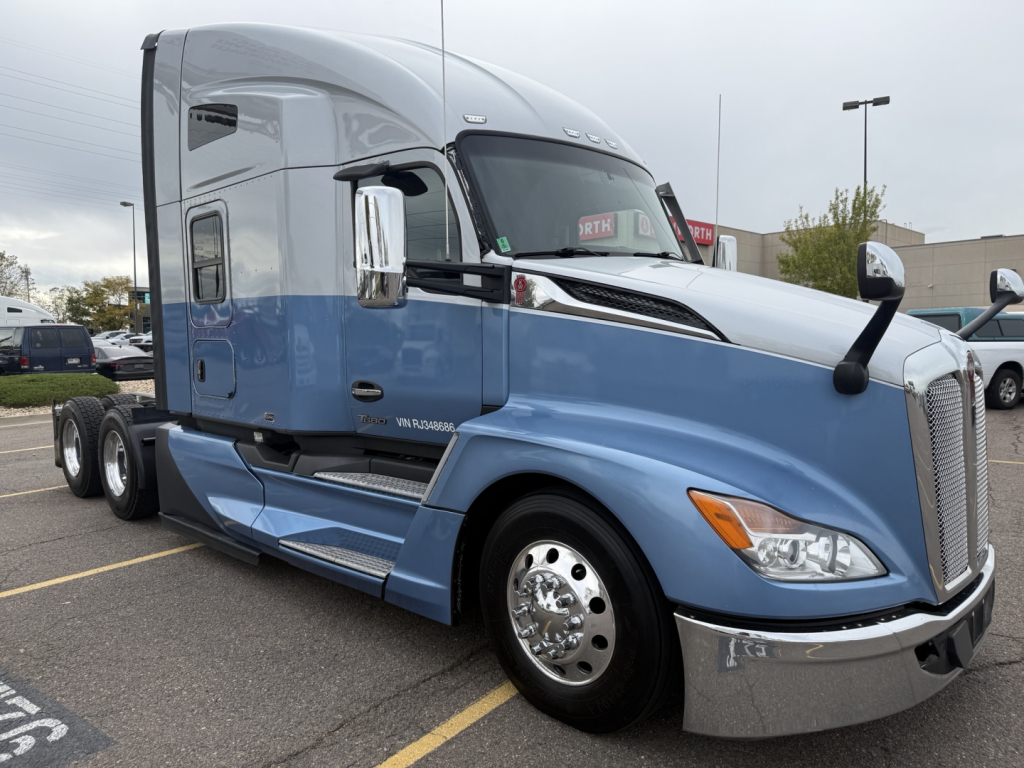
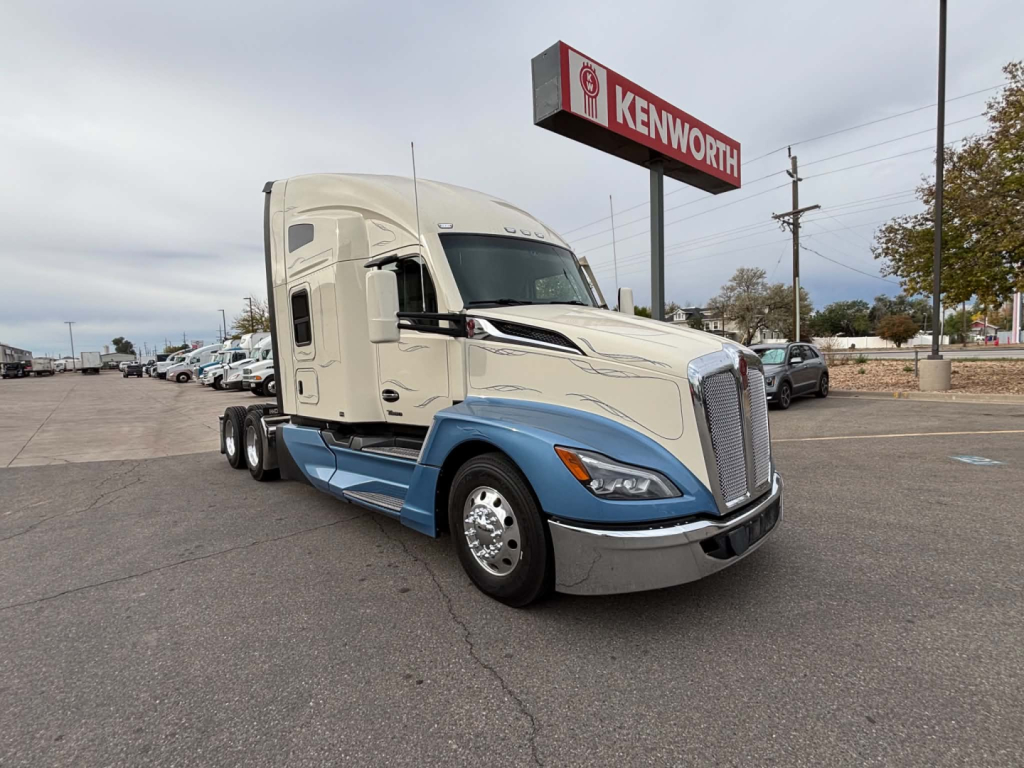
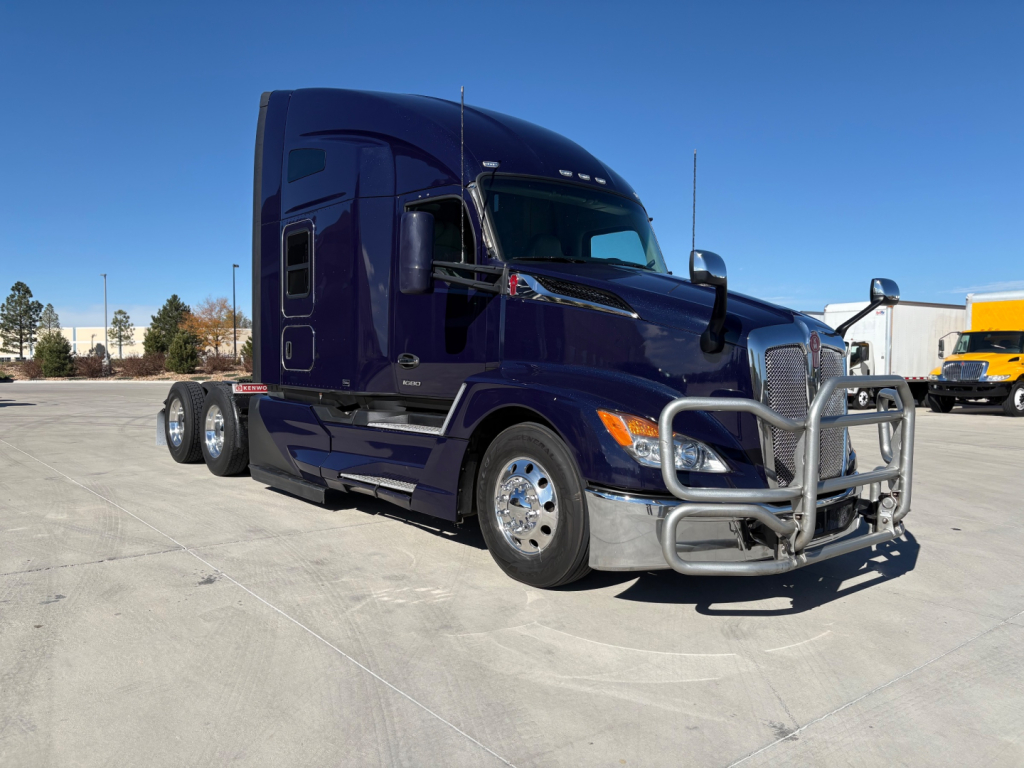
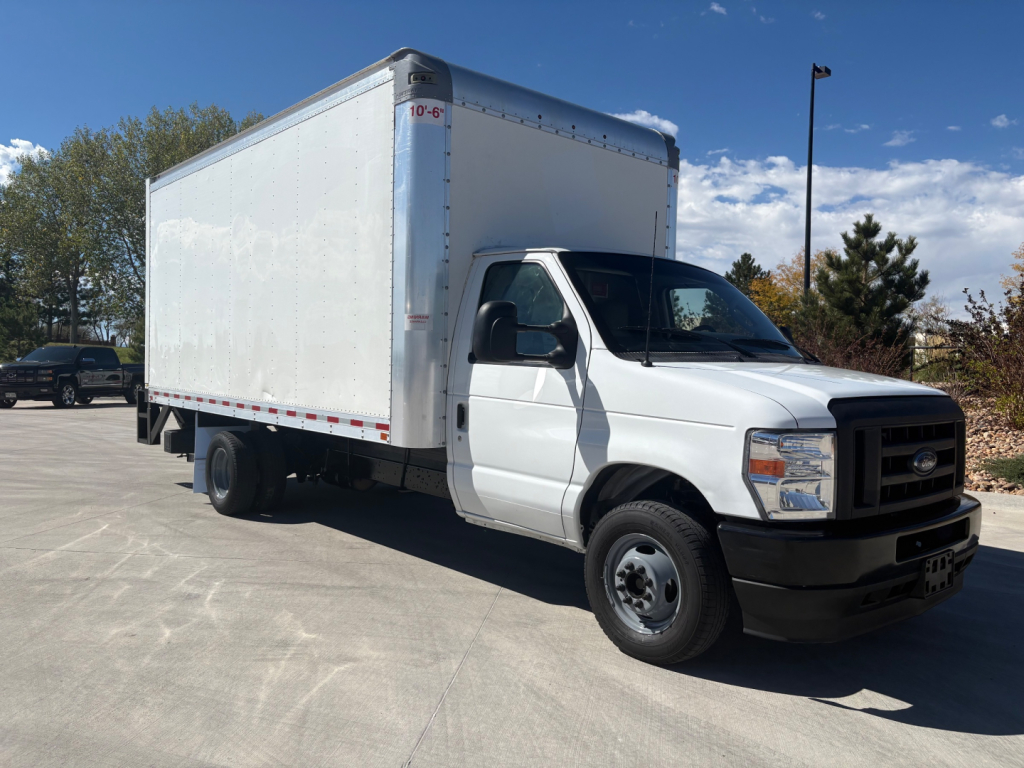
Selling a used 2024 commercial truck? List your used 2024 commercial truck for sale and reach thousands of commercial buyers.
Used 2024 Commercial Trucks in Colorado
For powertrain, 2024 used trucks commonly show up with 11- to 13-liter diesel engines from major OEMs, usually in the 400 to 500 horsepower range with torque matched to automated manual transmissions. Automated gearboxes remain the standard in many late-model fleet trucks because they reduce driver fatigue, help with fuel management, and simplify hiring across mixed driver experience levels. A buyer should look closely at rear axle ratio, GCWR, and whether the truck is set up as a fuel-economy highway spec or a more versatile grade-pulling spec. In Colorado, that distinction matters. A tall ratio may run efficiently on flatter corridors, but fleets working the Front Range, I-70, or heavier gross weights often prefer a more balanced ratio and a strong engine brake package.
Cab and chassis details make a major difference in day-to-day usability. Day cabs are common for local and regional work, port-style shuttles, and short-haul dedicated routes. Sleeper trucks, including mid-roof and raised-roof conventionals, fit over-the-road applications where wheelbase, bunk layout, fuel capacity, and fairing condition affect both comfort and operating cost. On late-model trucks, buyers should also inspect ADAS calibration status, disc versus drum brake spec, tire condition, wheel material, fifth wheel type, suspension setup, and the condition of emissions components such as the DPF, SCR, and DEF system. A 2024 truck may still be low-mileage by industry standards, but uptime depends on service history, software updates, and fault-code discipline as much as odometer reading.
Colorado buyers should also think about application fit beyond the badge. A used 2024 truck can be configured as a fleet tractor, regional hauler, long-haul sleeper, or vocationally adjacent highway unit depending on wheelbase, PTO capability, axle layout, and frame spec. If the truck will see mountain weather, idle management, bunk heater operation, traction setup, and tire selection deserve attention. If the truck will stay on high-mileage interstate lanes, focus on aero package completeness, transmission behavior, and maintenance documentation. The best value in this category usually comes from matching the truck's original spec to the work it will actually do, not just buying the newest model year available.
Frequently Asked Questions about Used 2024 Commercial Trucks in Colorado
What should I check first on a used 2024 truck in Colorado?
Start with the truck's original application and current spec sheet. Confirm whether it is a day cab or sleeper, then review engine rating, transmission model, axle configuration, rear axle ratio, wheelbase, and suspension. In Colorado, pay close attention to gearing and engine brake performance because mountain routes can expose a highway fuel-mileage spec that is too tall for regular grade work. After that, review service records, fault codes, emissions maintenance, and any remaining factory warranty coverage.
Are used 2024 trucks likely to have automated transmissions?
Yes. Most late-model highway trucks in this year range are equipped with automated manual transmissions from the factory. They are common because they improve shift consistency, reduce driver fatigue, and support fuel-efficiency targets across fleet operations. Buyers should still verify transmission software status, clutch calibration where applicable, and how the transmission is matched to horsepower, torque, and rear axle ratio for the intended route profile.
Is a day cab or sleeper better for a used 2024 truck purchase?
It depends on the freight lane and dispatch pattern. A day cab is generally the better fit for local, regional, and drop-and-hook work where maneuverability, lower weight, and simpler spec matter more than onboard living space. A sleeper is the better choice for over-the-road freight, team operations, or any run where driver comfort, fuel capacity, and bunk amenities affect productivity. The right choice comes down to revenue application, not just purchase price.
How important is emissions system history on a used 2024 truck?
It is critical. Even on a newer used truck, the DPF, SCR, DEF dosing components, sensors, and related software can affect uptime and operating cost. Ask for maintenance records, regen history if available, and any recent repairs tied to aftertreatment. A clean service file and proper preventive maintenance are usually more meaningful than a simple mileage comparison between similar trucks.
What specs matter most for mountain and interstate use in Colorado?
The most important specs are horsepower and torque rating, engine brake performance, rear axle ratio, transmission programming, and axle capacity. For interstate use, fuel economy features such as aerodynamic fairings and taller gearing can be valuable. For mountain work, buyers often favor a spec that holds speed better on grades and provides stronger downhill control. Tire type, brake configuration, and cooling system condition also matter because Colorado duty cycles can shift quickly between high-speed highway miles and steep elevation changes.