
Used 2023 Commercial Trucks For Sale in Tennessee
Shop used 2023 trucks for sale in Tennessee, including vocational and on-road models with specs that fit hauling, construction, and fleet needs.
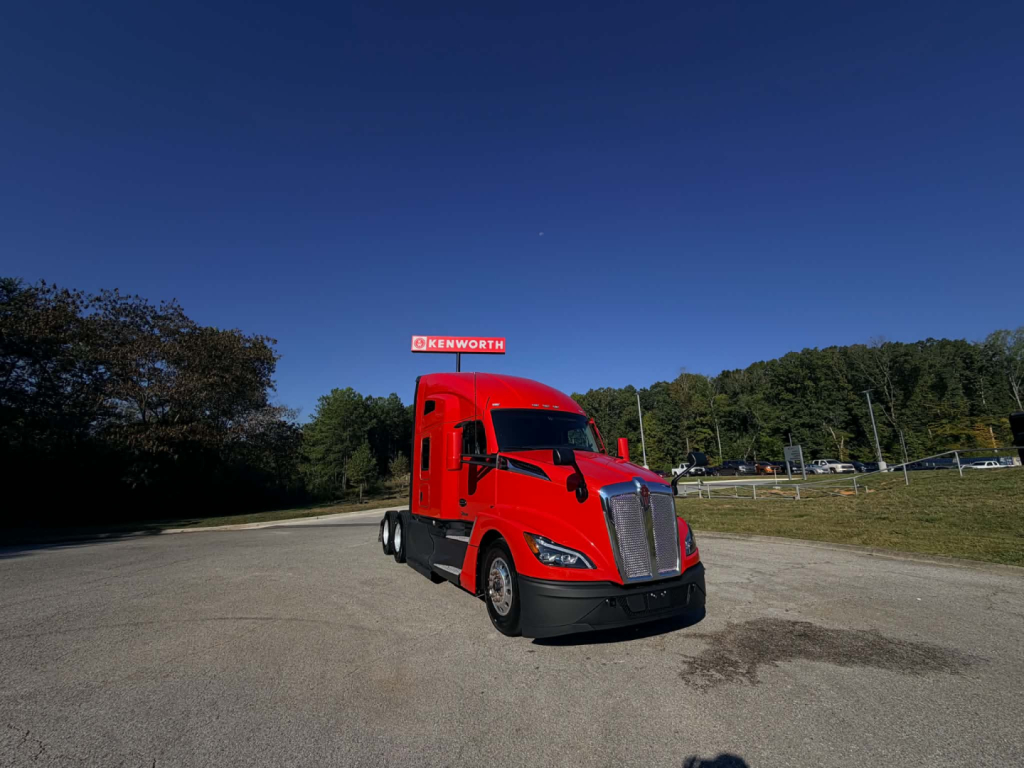
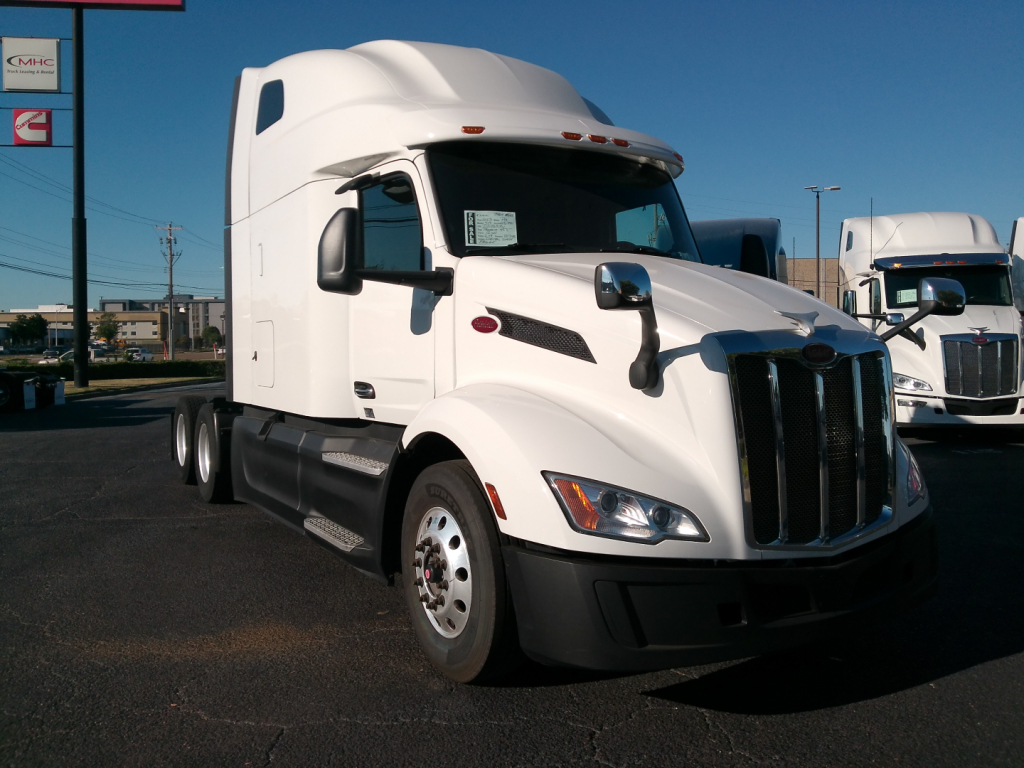
2023 Peterbilt 579
395,000 mi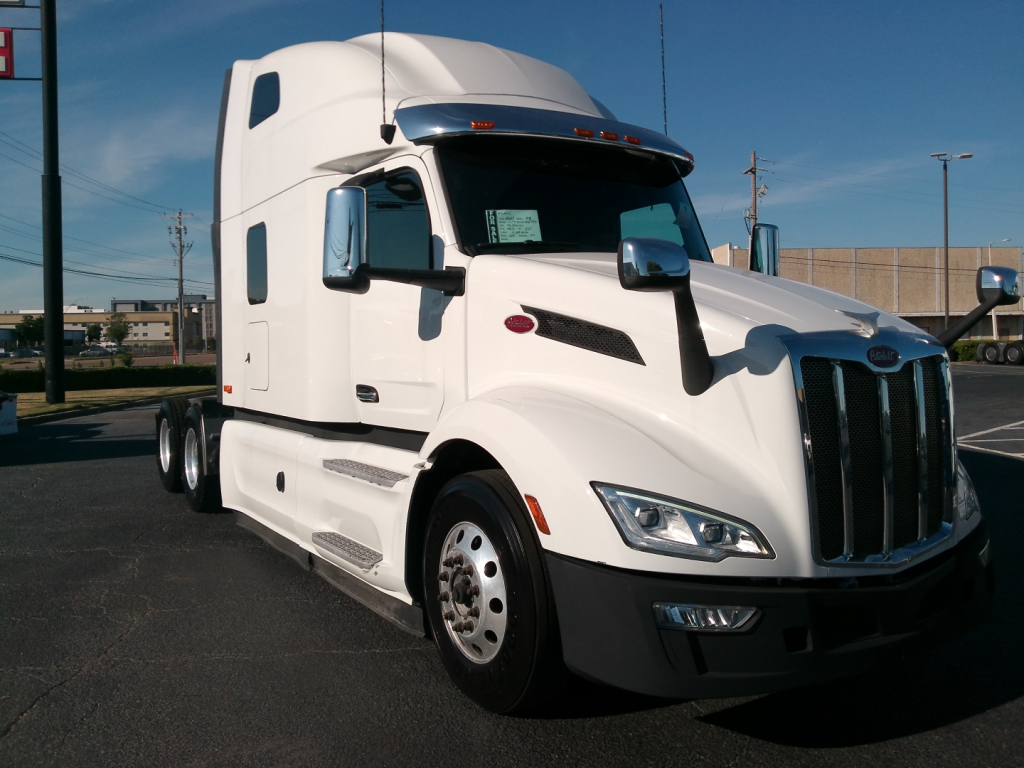
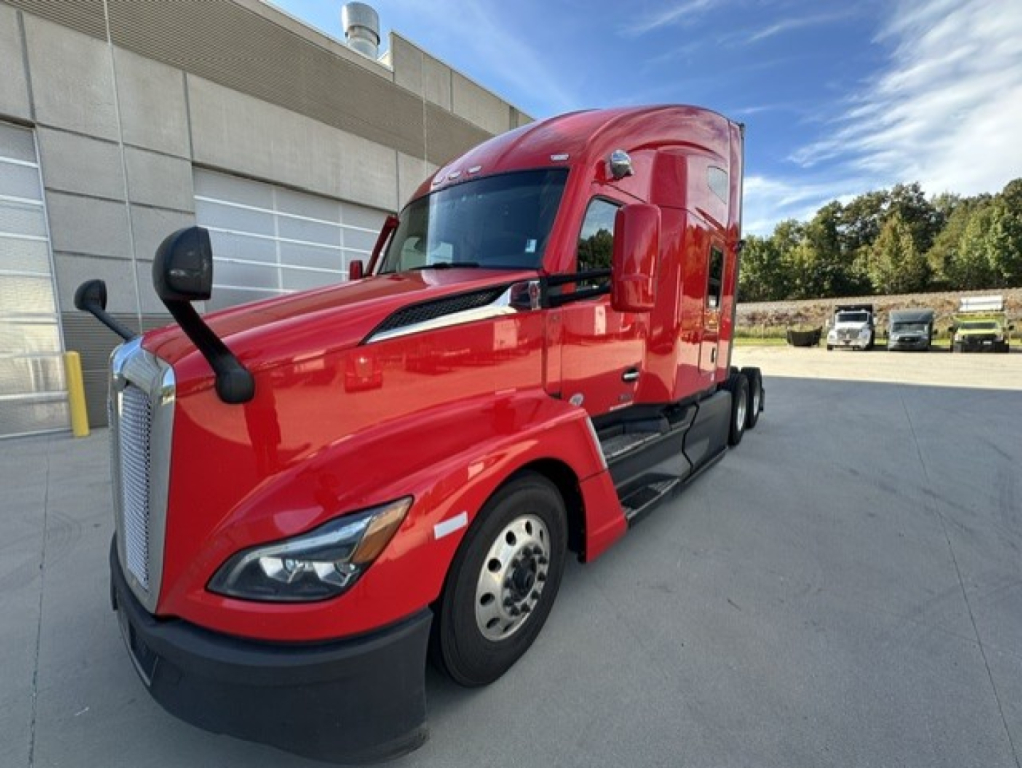
2023 Peterbilt 579
266,487 mi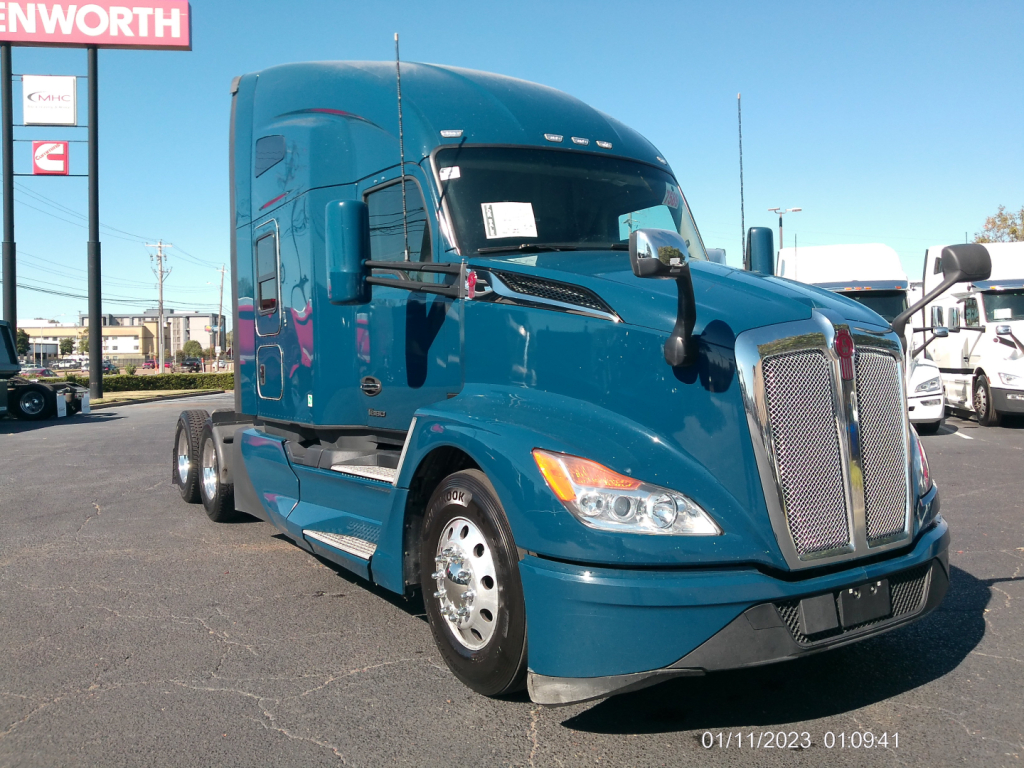
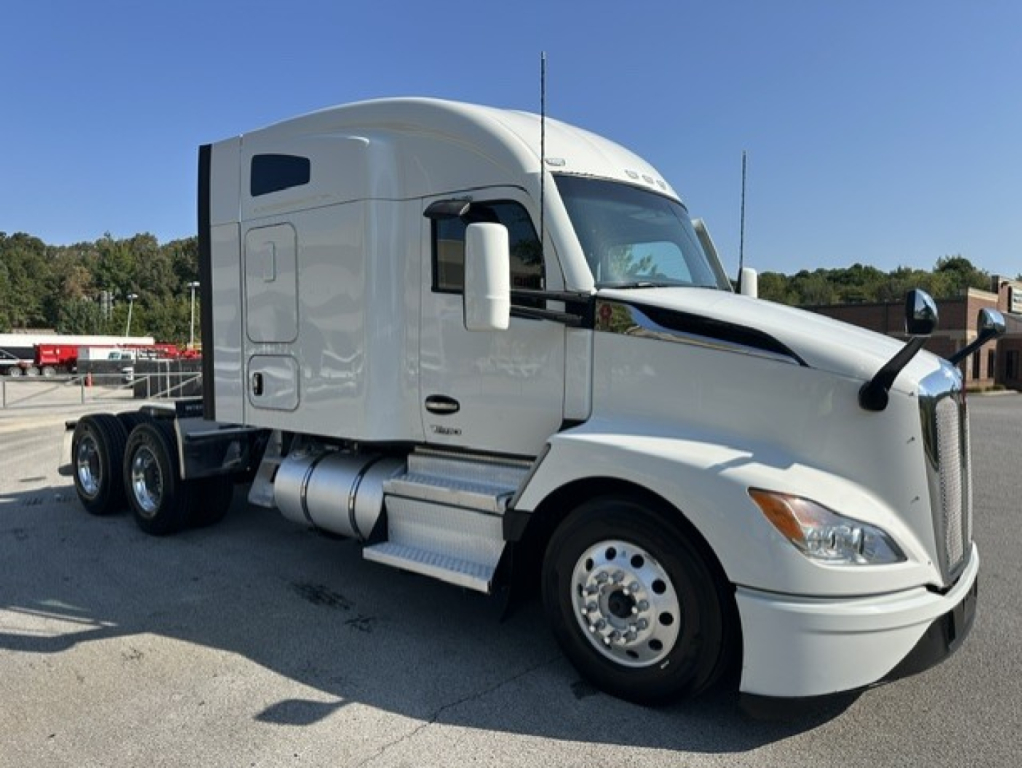
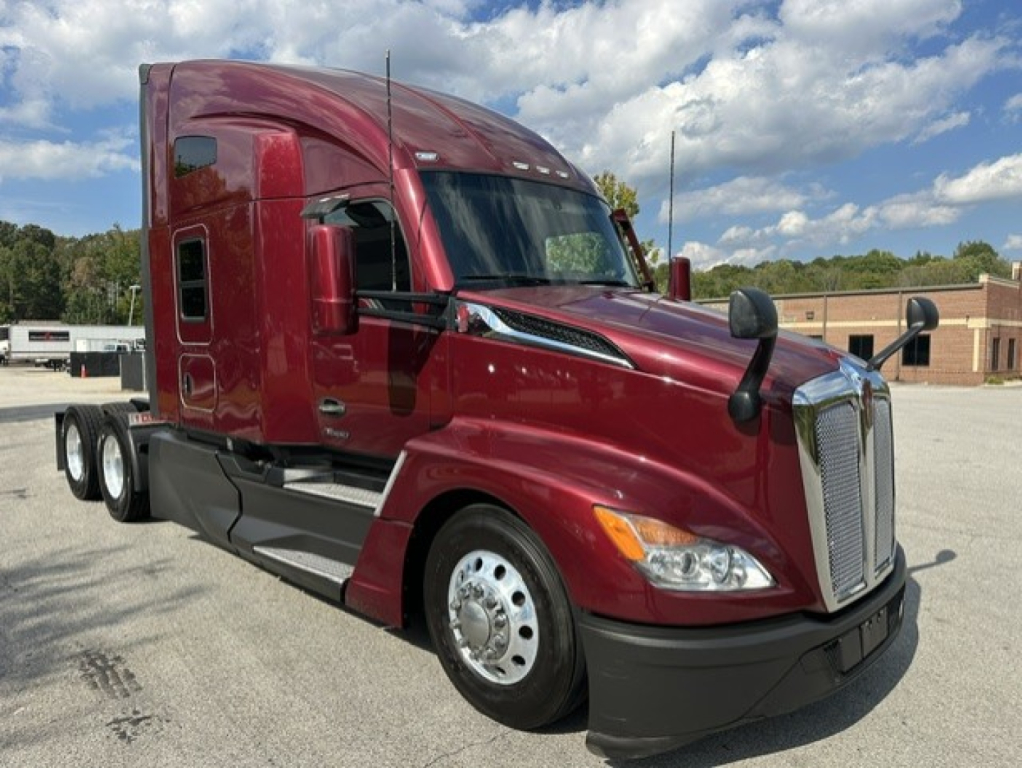
2023 Kenworth T680
531,963 mi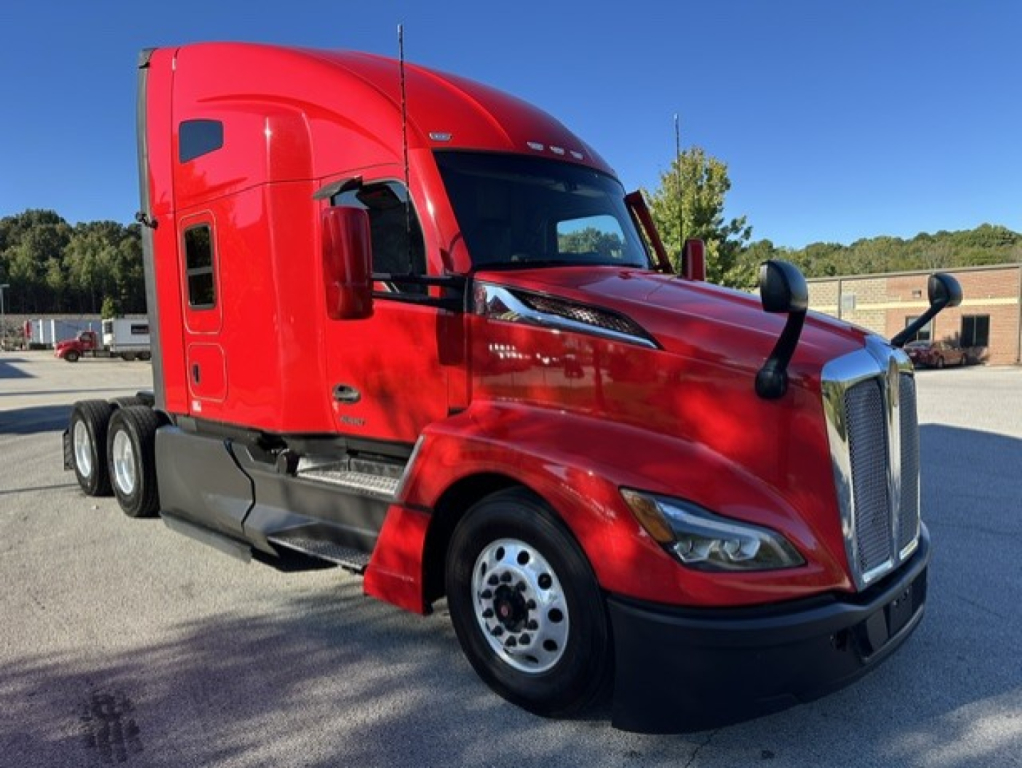
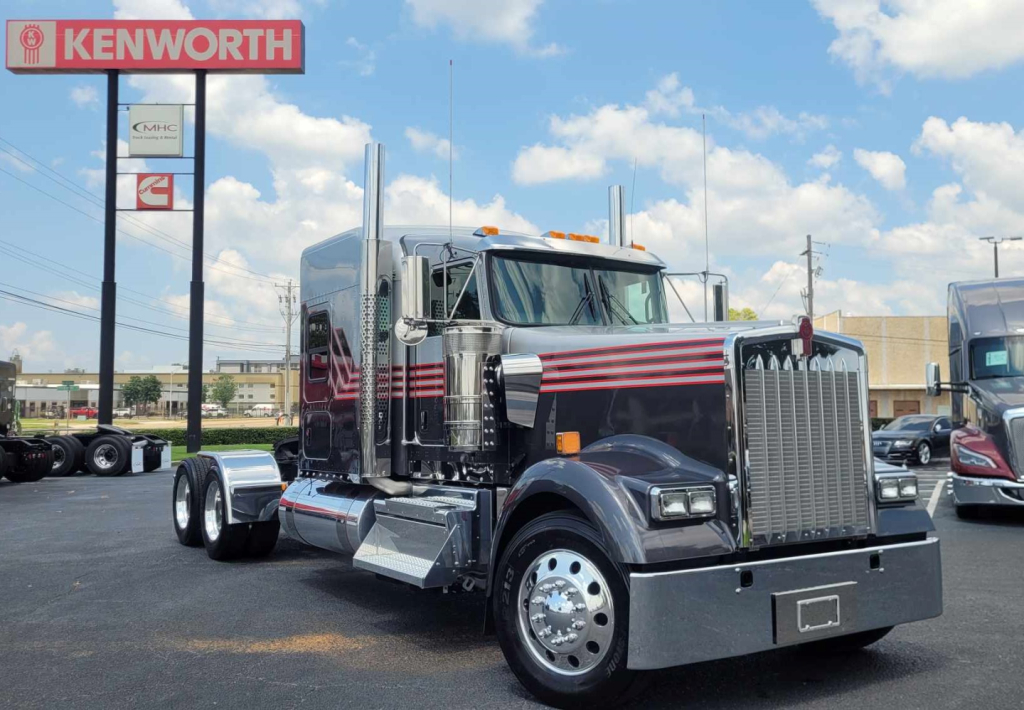
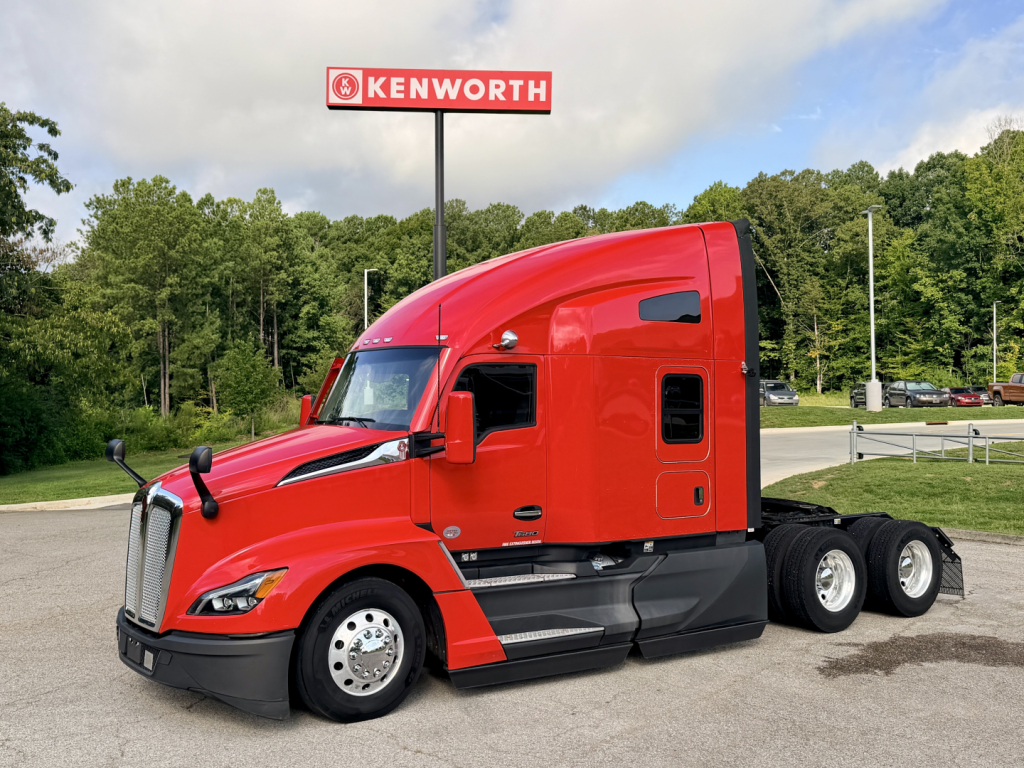
Selling a used 2023 commercial truck? List your used 2023 commercial truck for sale to reach thousands of commercial buyers.
Used 2023 Commercial Trucks in Tennessee
The most important buying factors usually start with application and spec match. Tennessee buyers often need trucks that can handle mixed highway and secondary-road operation, rolling terrain, and regional haul patterns that put stress on gearing, cooling, and brake systems. On-road tractors may be compared by engine rating, transmission type, wheelbase, axle configuration, and rear ratio. Vocational trucks require closer attention to PTO setup, frame reinforcement, suspension capacity, body condition, hydraulic system performance, and front axle loading. If the truck is a cab and chassis, body-ready dimensions such as wheelbase, cab-to-axle, and frame height matter just as much as engine and transmission.
A used 2023 truck should also be evaluated for emissions history, maintenance records, idle hours, and how the truck was previously worked. A regional fleet tractor with mostly highway miles is a different asset from a 2023 dump or vacuum truck that spent its life in stop-and-go, PTO-heavy service. Buyers should look at DPF and SCR service history, brake wear, tire condition, suspension bushings, driveline vibration, and signs of body or frame stress on vocational units. On trucks with automated manuals or full automatics, software calibration, clutch wear data, and shift quality deserve attention. For diesel-powered trucks, engine brake function, coolant condition, and evidence of regular preventive maintenance can tell you a lot about long-term operating cost.
In Tennessee, truck selection is often tied to industry demand from construction, municipal work, agriculture, waste, utilities, and regional freight. That makes used 2023 trucks a broad category rather than a single spec profile. The best purchase is usually the truck with the right axle rating, body configuration, and drivetrain for the work, not simply the newest badge or highest horsepower number. Buyers comparing listings should focus on GVWR or GCWR, axle layout such as 4x2, 6x4, or tri-axle, body equipment, service documentation, and any remaining factory warranty or transferable coverage. A well-matched 2023 truck can deliver strong uptime, easier driver acceptance, and a lower total cost of ownership than an older unit that needs immediate reconditioning.
Frequently Asked Questions about Used 2023 Commercial Trucks in Tennessee
What should I look for first when comparing used 2023 trucks in Tennessee?
Start with the job the truck needs to do, then match the listing to the required configuration. For a tractor, that means axle setup, horsepower, transmission, wheelbase, and rear ratio. For a vocational truck, it means body type, PTO provision, hydraulic performance, axle ratings, and frame suitability. Tennessee terrain and regional hauling conditions make gearing, brake condition, and cooling system performance especially important. A truck that matches the work will usually outperform a higher-spec truck that is wrong for the application.
Is a used 2023 truck a good choice for fleet buyers?
Yes, a used 2023 truck can be a strong fleet purchase because it is still considered late-model equipment while typically costing less than a new unit. Many fleets target this age range to stay current on safety features, driver comfort, and emissions systems without taking the full depreciation hit of a new purchase. It can also help with internal age policies, customer requirements, and maintenance planning if the truck comes with solid service records and a known operating history.
How do I evaluate a used 2023 vocational truck differently from a highway tractor?
A vocational truck should be inspected beyond the engine and transmission. Buyers need to check PTO operation, hydraulic leaks, body mounts, hoists, boom systems, tank or bed condition, frame reinforcement, and front axle loading. Many vocational trucks accumulate fewer road miles but more severe-duty wear from jobsite use, idle time, and repeated stop-start cycles. Service history on the truck chassis and the mounted equipment both matter, because downtime often comes from body or hydraulic issues rather than the powertrain alone.
What maintenance records matter most on a used 2023 diesel truck?
The most useful records show preventive maintenance intervals, emissions aftertreatment service, engine diagnostics, transmission service, brake work, tire replacement, and any warranty repairs. For modern diesel trucks, DPF cleanings, SCR or DEF-related repairs, and fault-code history are especially relevant. Records that document regular oil changes, coolant maintenance, and chassis lubrication help confirm that the truck was not just operated, but maintained correctly. A consistent maintenance file usually reduces uncertainty far more than appearance alone.
Are lower miles always better on a used 2023 truck?
Not always. Lower miles can be positive, but they do not tell the full story. A truck with moderate highway miles may be in better mechanical condition than a low-mile vocational unit with high idle hours, heavy PTO use, or severe stop-and-go service. Buyers should compare miles, engine hours, idle percentage, maintenance history, and visible wear together. The goal is to understand how the truck was used, because duty cycle often predicts future repair cost better than mileage by itself.