
Used 2020 Trucks For Sale in North Carolina
Browse used 2020 trucks in North Carolina, including highway tractors, dump trucks, and vocational models with modern specs and proven value.
Learn more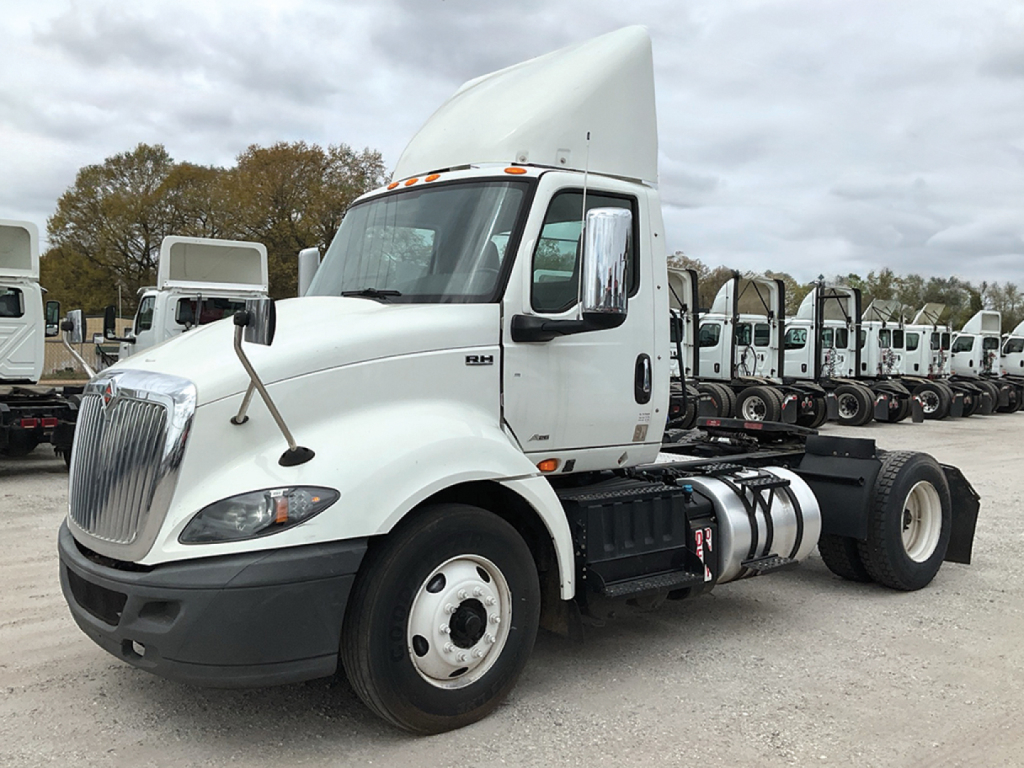
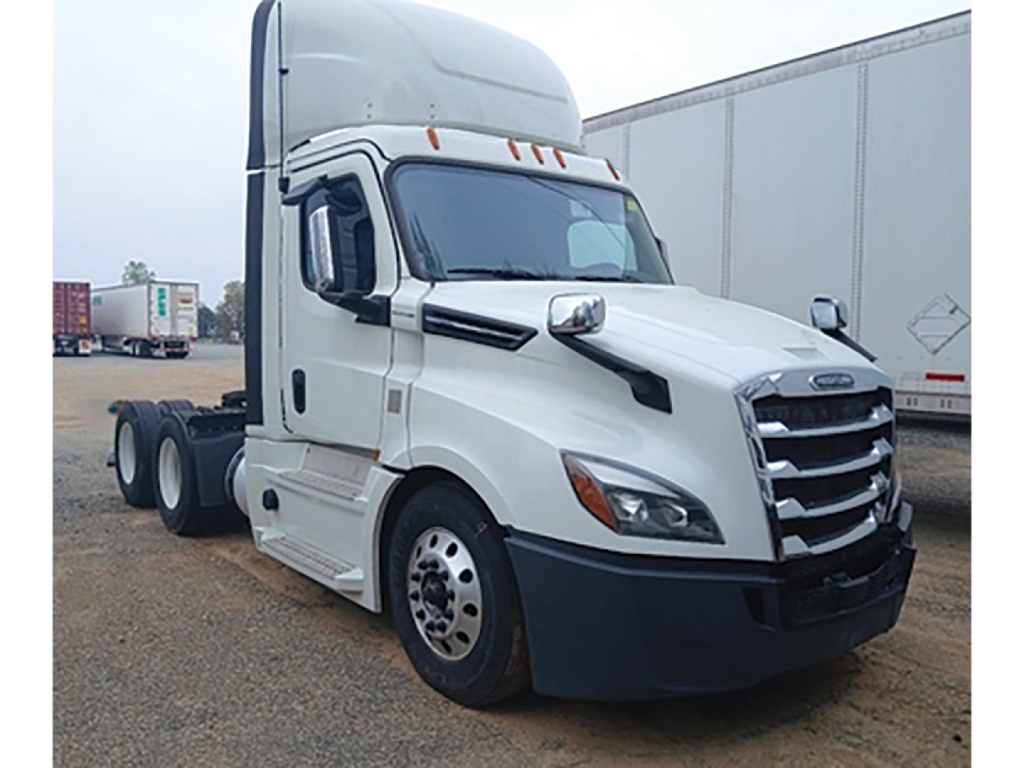
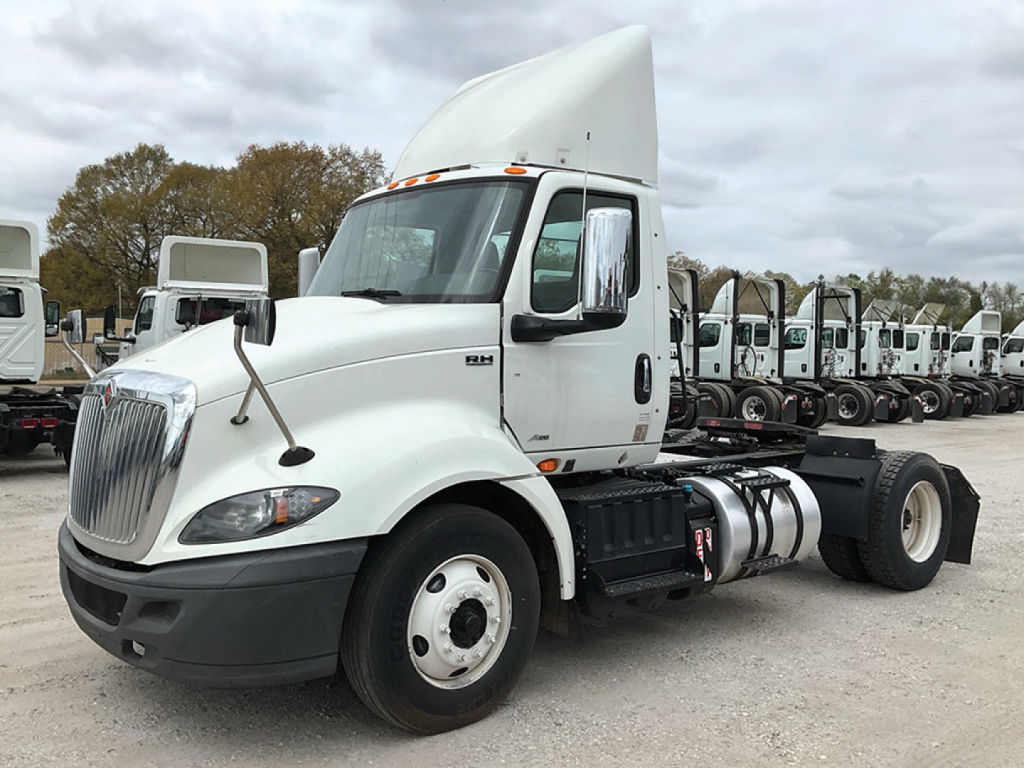
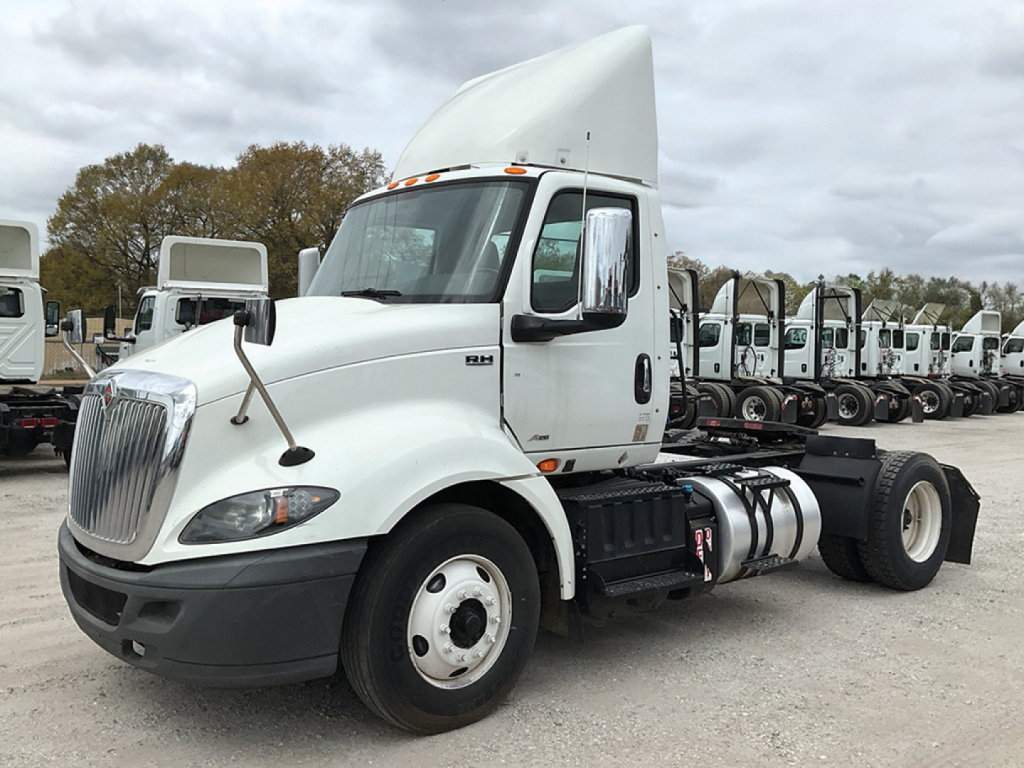

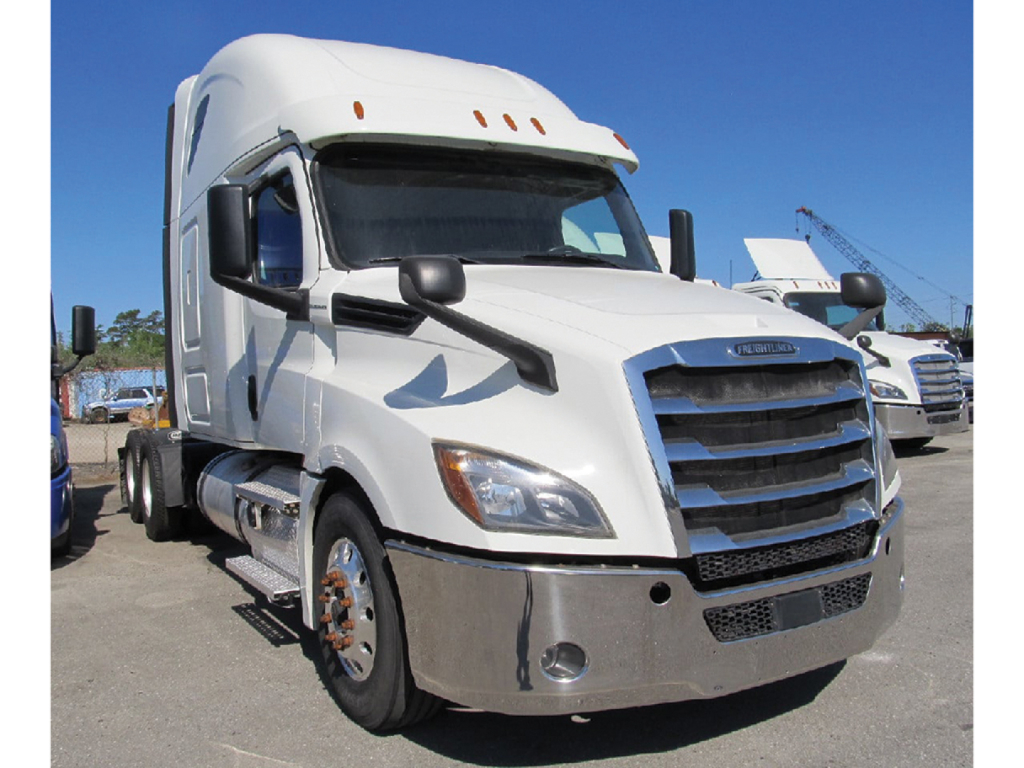
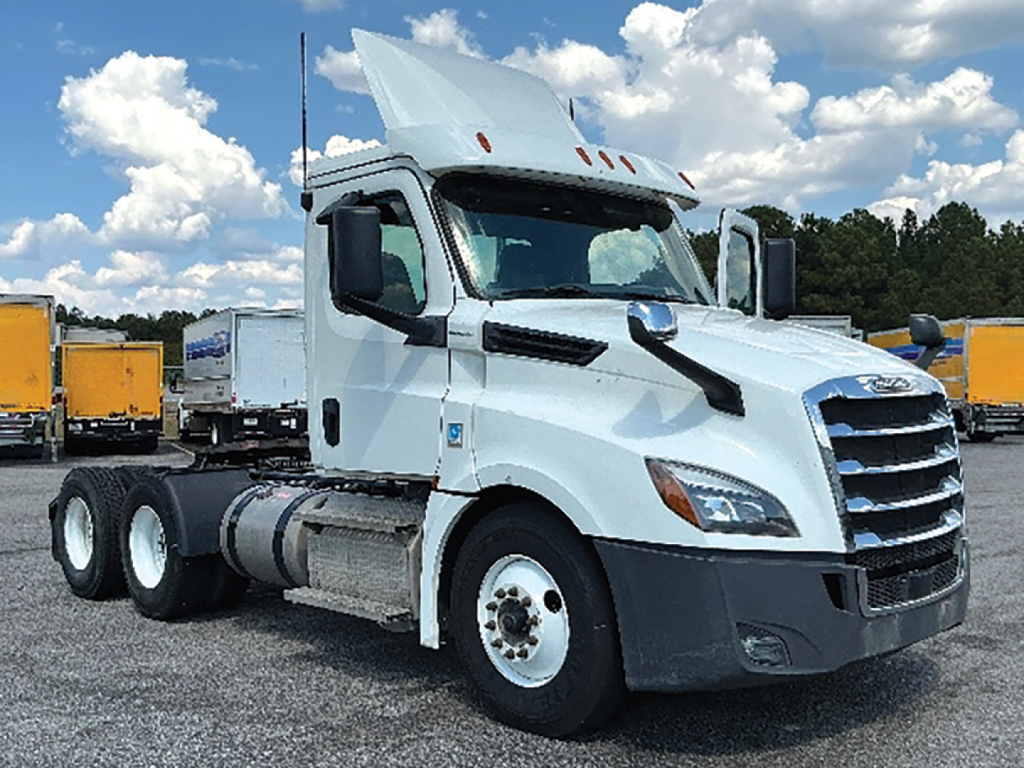
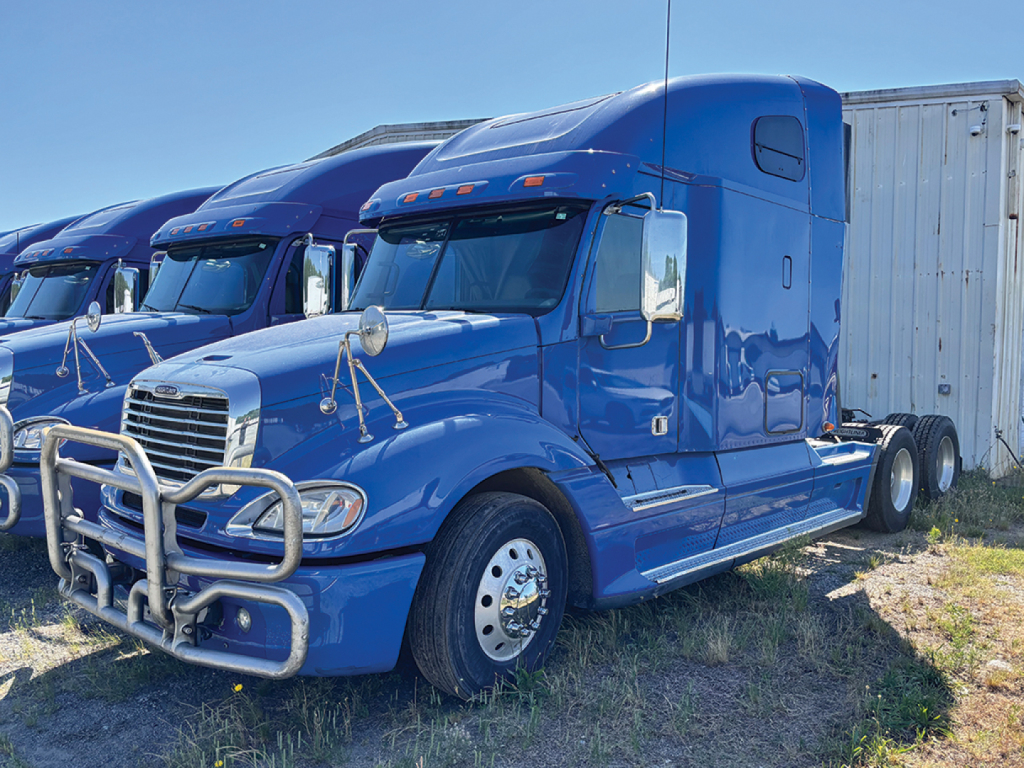
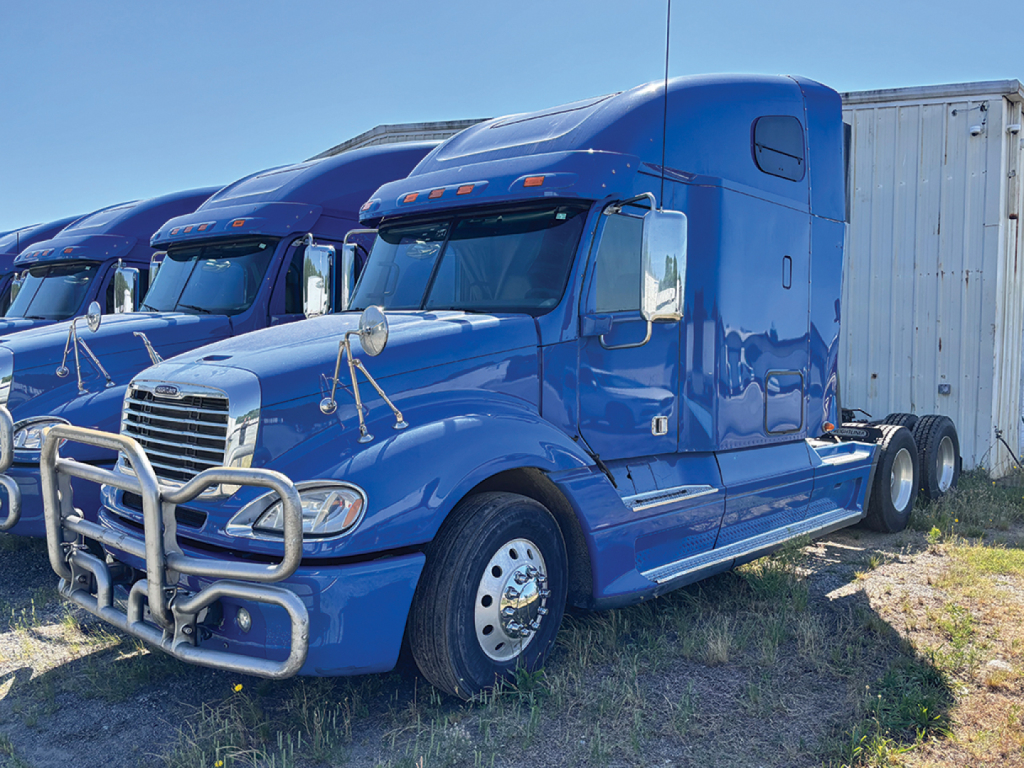
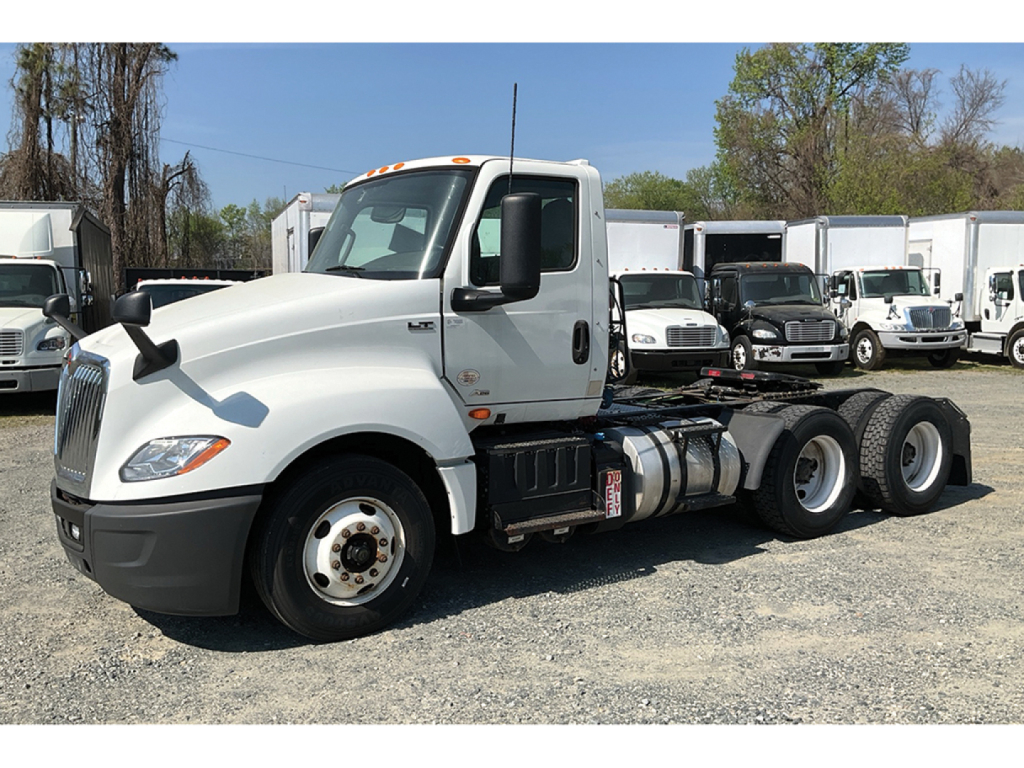
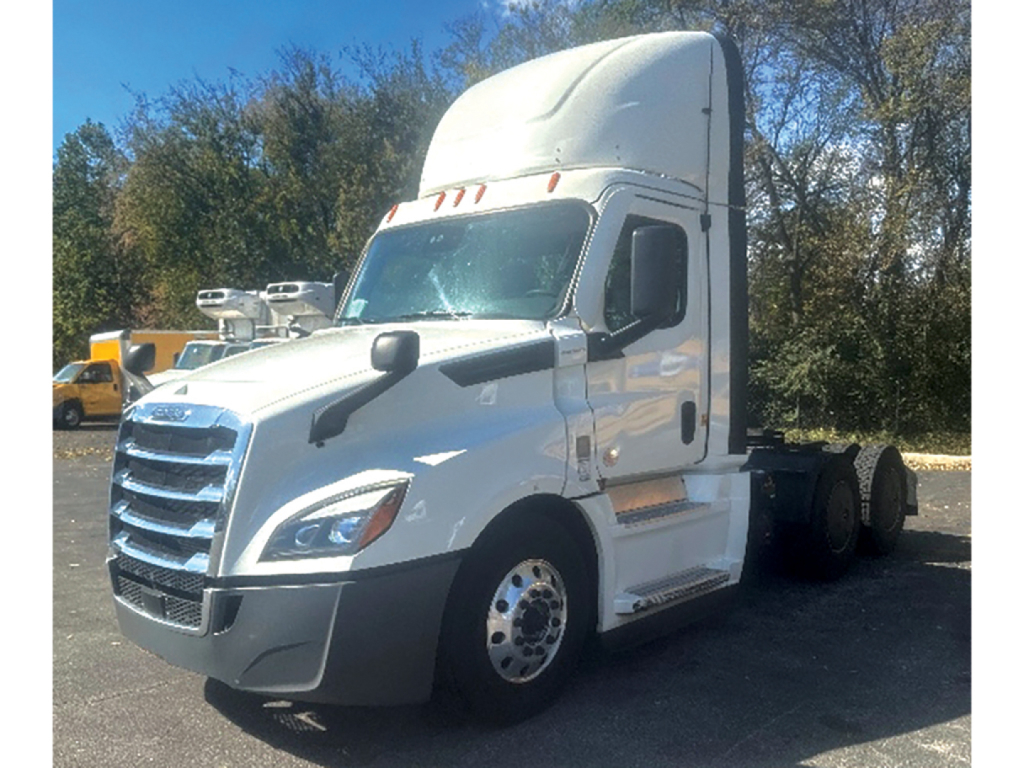
Showing 13 to 24 of 27 results
Have used 2020 truck to sell? List it here to reach thousands of buyers.
About Used 2020 Trucks in North Carolina
For highway use, 2020 trucks often include engines like the Detroit DD15, Cummins X15, Volvo D13, and similar 11- to 15-liter platforms, typically rated from about 400 to 455 horsepower. Automated manual transmissions were common by 2020, including DT12 and I-Shift spec trucks, though some fleets still ordered manual boxes for certain operations. Buyers should pay close attention to rear axle ratio, wheelbase, and fifth wheel setup because those details determine where the truck will perform best. A 2.79 or 3.08 ratio generally fits fuel-conscious linehaul work, while a 3.55 or 3.70 ratio can better support heavier regional hauling, tighter routing, or more stop-and-go work. In North Carolina, where routes can shift from interstate freight corridors to short urban delivery runs or rolling western grades, gearing and engine brake performance matter.
On vocational 2020 trucks, the spec conversation usually shifts to GVWR, axle configuration, body equipment, and PTO compatibility. Dump trucks in this year range may be found as tandem, tri-axle, or quad-axle setups with Allison automatics or manual transmissions, depending on the intended duty cycle. Buyers should inspect hoist condition, body floor wear, frame integrity, suspension type, and signs of hard off-road use. If the truck was used by a municipality or contractor, check closely for corrosion, hydraulic leaks, plow or spreader provisions, and any wiring modifications tied to auxiliary equipment. For fleet buyers, it also makes sense to compare brake type, tire size, maintenance records, and emissions history because downtime costs can quickly outweigh a lower purchase price.
A used 2020 truck can be a smart buy when the spec matches the lane. For over-the-road or regional tractors, focus on powertrain history, idle hours, aftertreatment service, and cab condition. For construction or municipal work, prioritize axle ratings, body condition, PTO operation, and evidence of proper maintenance under load. Across both segments, 2020 trucks often deliver a good balance of driver comfort, parts support, and modern drivetrain efficiency, which is why they remain a practical target year for buyers shopping the North Carolina market.
Frequently Asked Questions
What should I look for when buying a used 2020 truck in North Carolina?
Start with the truck’s original application and current spec. A 2020 highway tractor should be checked for engine hours, idle time, aftertreatment service history, transmission calibration, and wear in the fifth wheel, suspension, and steer axle components. A 2020 dump or vocational truck should be checked for frame condition, body wear, PTO and hydraulic function, axle ratings, and evidence of off-road stress or corrosion. In North Carolina, route mix matters, so buyers should also match gearing, wheelbase, and brake setup to mountain grades, regional freight, or local construction work.
Are 2020 trucks a good balance between price and modern equipment?
Yes. For many buyers, 2020 trucks offer a useful middle ground between older pre-downturn equipment and higher-priced late-model units. Trucks from this year commonly include more refined aerodynamics, automated manual transmissions, better driver comfort, and modern safety electronics, while still being old enough to show a real maintenance pattern. That makes it easier to evaluate total cost of ownership instead of guessing at early-life reliability.
What engines and transmissions are common in used 2020 trucks?
Common engines in 2020 trucks include the Detroit DD13 and DD15, Cummins X15, Volvo D11 and D13, and similar diesel platforms depending on the truck class and vocation. Automated manuals were widespread in on-highway tractors, especially Detroit DT12 and Volvo I-Shift models, while vocational trucks may be equipped with Allison automatics or manual transmissions. The best combination depends on duty cycle, driver preference, terrain, and maintenance support in your operating area.
How important is axle ratio on a used 2020 semi truck?
Axle ratio is one of the most important spec points because it directly affects fuel economy, cruise RPM, startability, and grade performance. Lower numerical ratios such as 2.64, 2.79, or 3.08 are typically chosen for fuel-efficient linehaul work on flatter lanes. Higher ratios such as 3.55 or 3.70 are better suited to heavier loads, more frequent starts and stops, and routes with steeper grades. A truck can look right on paper but still be a poor fit if the rear ratio does not match the freight and terrain.
Do used 2020 vocational trucks need different inspection points than highway tractors?
Yes. Highway tractors are usually judged heavily on engine, transmission, emissions system, aerodynamic spec, and sleeper or day cab condition. Vocational trucks need a more equipment-focused inspection that includes body mounts, hoist operation, hydraulic plumbing, PTO engagement, frame rail condition, suspension wear, and front axle loading. If the truck carried a dump body, plow, spreader, or other work gear, inspect all related controls and wiring because these systems often reveal how hard the truck was used.