
Used 2020 Commercial Trucks For Sale in Georgia
Browse used 2020 trucks for sale in Georgia, including highway, vocational, and cab chassis models with modern specs and strong resale appeal.
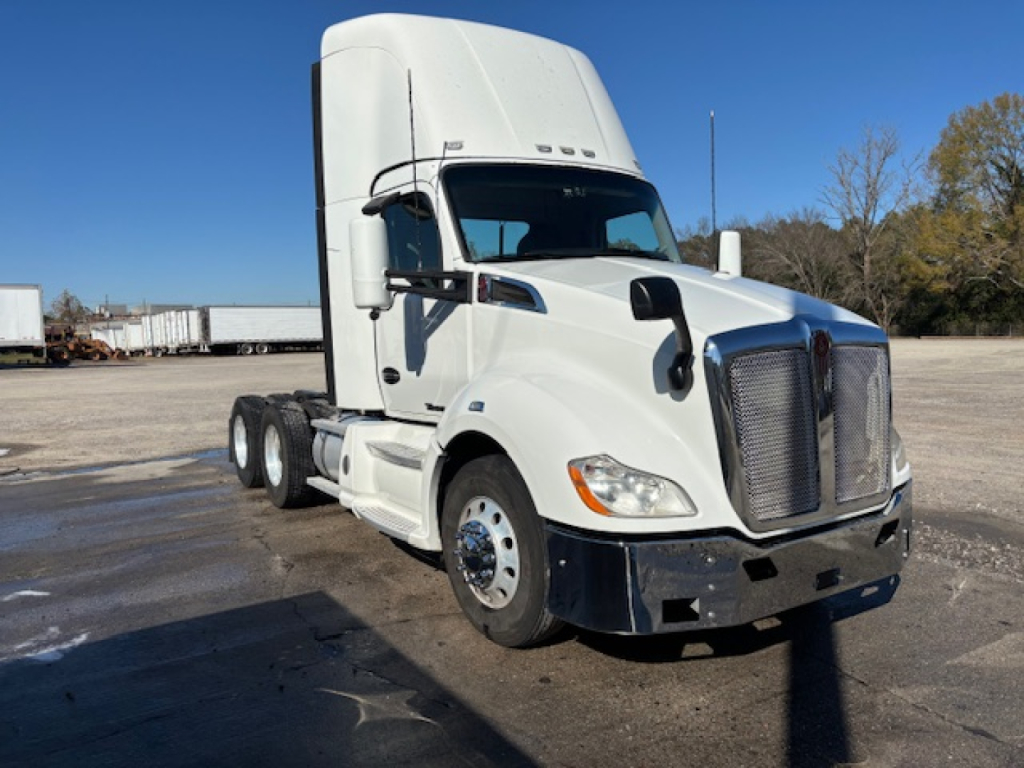
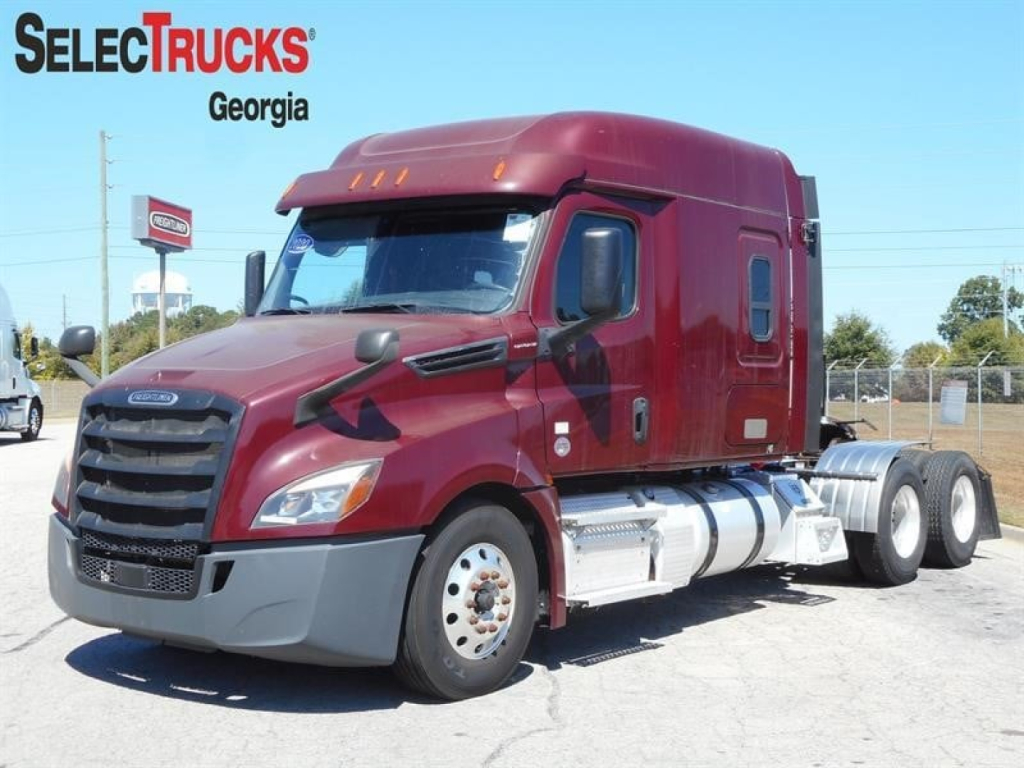
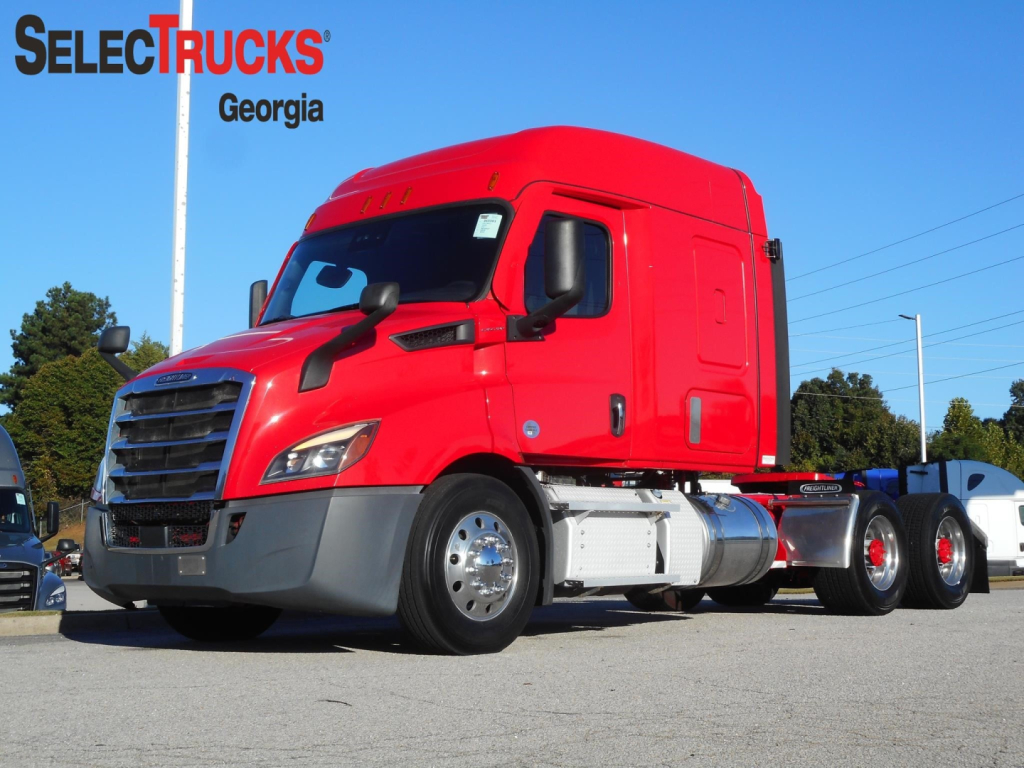
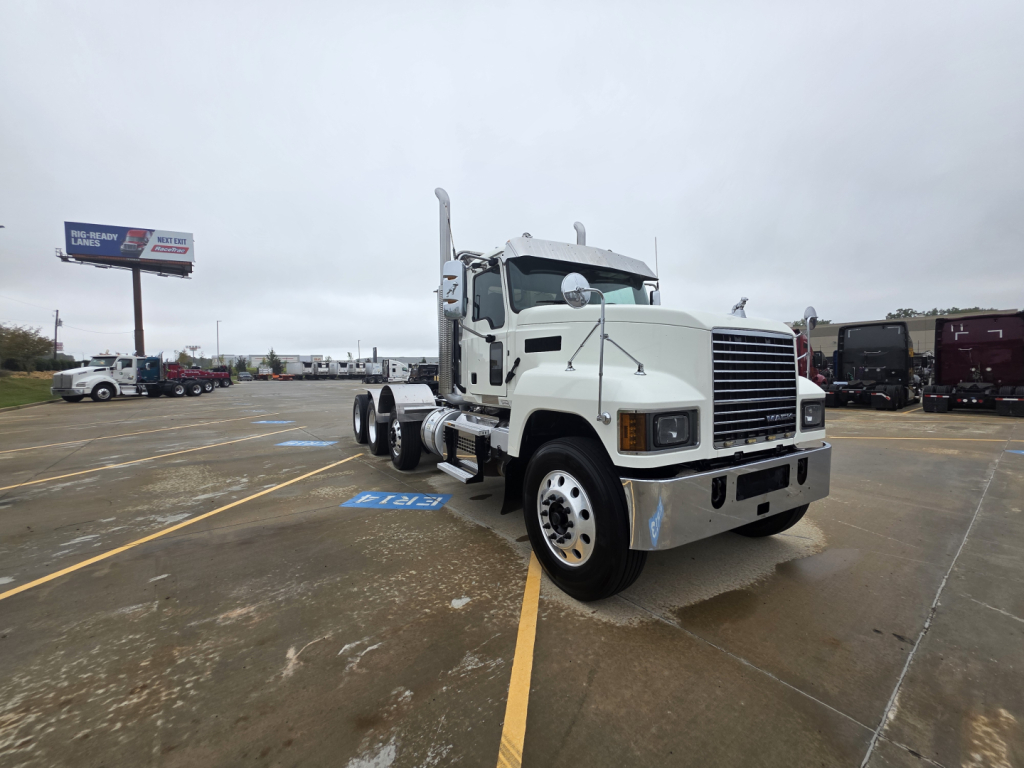
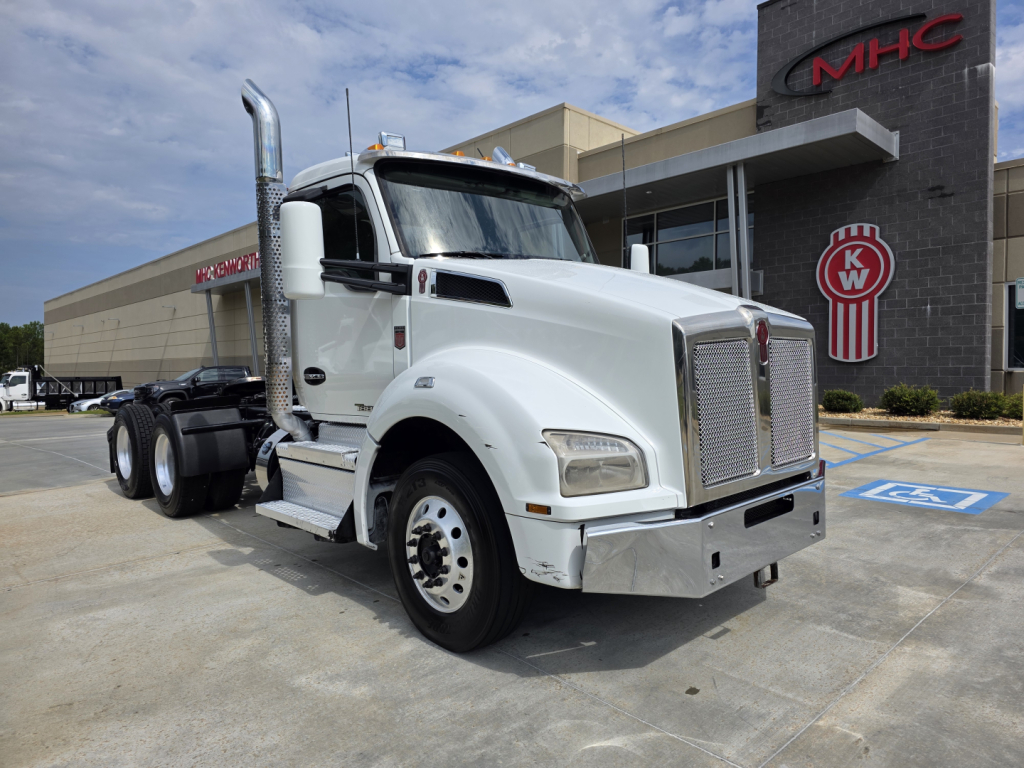
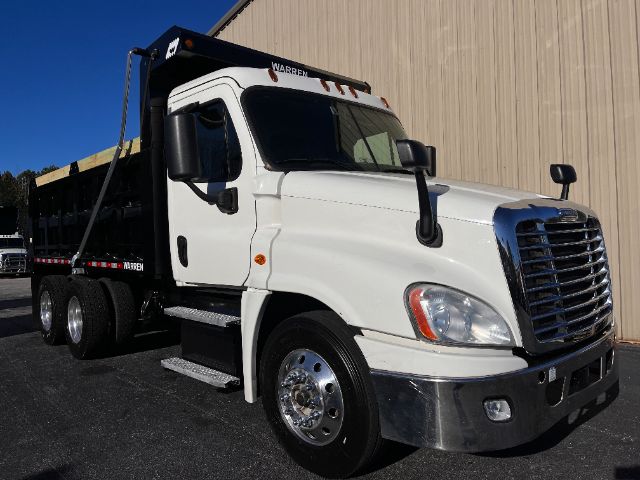
Selling a used 2020 commercial truck? List your used 2020 commercial truck for sale and reach thousands of commercial buyers.
Used 2020 Commercial Trucks in Georgia
The biggest buying decision usually starts with application. On-highway 2020 tractors in Georgia often include 6x4 tandem axle setups, diesel engines from Detroit, Cummins, Paccar, Mack, or Volvo, and manual, automatic, or AMT transmissions. Expect common horsepower ratings in the 400 to 505 range for linehaul and regional haul, with wheelbases, fuel capacity, rear axle ratios, and sleeper size varying by route profile. For vocational work, 2020 trucks may be spec'd with heavier front axles, higher GVWRs, PTO capability, dump bodies, wet kits, locking differentials, and more aggressive gearing. Cab and chassis models from this year are also popular for upfits such as flatbeds, service bodies, roll-offs, hooklifts, and box truck conversions.
A used 2020 truck should be evaluated by spec sheet and by duty cycle, not just by make and model. In Georgia, stop-and-go metro use around Atlanta creates different wear patterns than long interstate miles on I-75, I-85, or port freight moving through Savannah. Buyers should pay close attention to engine hours, idle time, maintenance records, aftertreatment service history, transmission type, suspension, brake system, axle ratings, and tire condition. For vocational units, body manufacturer, hoist setup, frame condition, PTO operation, and hydraulic components matter as much as the chassis itself. On sleeper tractors, practical features like bunk heater, refrigerator, collision mitigation, sliding fifth wheel, and fuel capacity can make a real difference in productivity and driver retention.
Georgia buyers also need to think about registration class, bridge laws, local permitting, and the service network behind the truck. A 2020 model year truck may still line up well with fleet standardization goals because parts availability is generally strong and most major OEM platforms from this period are widely supported. The best choice comes down to matching axle configuration, wheelbase, horsepower, transmission, and body or fifth wheel setup to the freight or jobsite work the truck will actually perform. When those specs line up, a used 2020 truck can deliver a strong balance of uptime, compliance, and resale value.
Frequently Asked Questions about Used 2020 Commercial Trucks in Georgia
What are the main advantages of buying a used 2020 truck?
A used 2020 truck typically gives buyers access to late-model safety technology, updated interiors, and modern diesel powertrains at a lower acquisition cost than newer units. This model year is recent enough to support good parts availability and widespread dealer familiarity, but old enough that fleets and independent buyers can review real-world reliability, common repair trends, and resale performance before making a decision.
What specs matter most when comparing used 2020 trucks in Georgia?
The most important specs depend on the truck's job, but buyers should usually start with axle configuration, GVWR, engine make and horsepower, transmission type, wheelbase, rear axle ratio, suspension, and brake system. In Georgia, operating environment also matters. Regional highway freight, port drayage, construction hauling, and municipal work all place different demands on gearing, axle ratings, PTO capability, and body configuration.
Are used 2020 trucks a good fit for vocational applications like dump or cab and chassis work?
Yes, many 2020 trucks are well-suited for vocational use because they were built with modern emissions systems and can be found in heavy-spec chassis layouts. For dump, cab and chassis, and other work-truck applications, buyers should confirm front axle capacity, frame strength, PTO setup, transmission compatibility, and body integration details. A vocational truck's usefulness comes from the complete spec, not just the badge on the hood.
Should I choose an AMT, automatic, or manual in a used 2020 truck?
AMTs and full automatics were common in 2020 and are often preferred for driver availability, fuel efficiency, and reduced fatigue in traffic-heavy operations. Manual transmissions still appeal in some vocational and specialty applications where drivers want direct control or fleets prefer simpler driveline service. The right choice depends on route type, driver pool, maintenance support, and whether the truck will spend most of its time on the highway or in stop-and-go jobsite conditions.
What should I inspect first on a used 2020 truck before buying?
Start with maintenance records, diagnostic scans, engine hours, and aftertreatment history, then move to tires, brakes, suspension, steering components, and driveline condition. On highway tractors, inspect the fifth wheel, frame rails, and sleeper equipment. On vocational trucks, inspect the body, hoist, hydraulics, PTO function, and any frame modifications. A 2020 truck can look clean and still be wrong for the job if the spec or service history does not match the intended use.