
Used 2017 Commercial Trucks For Sale in Pennsylvania
Browse used 2017 trucks for sale in Pennsylvania, including day cabs, sleepers, utility trucks, and vocational models for regional or fleet use.
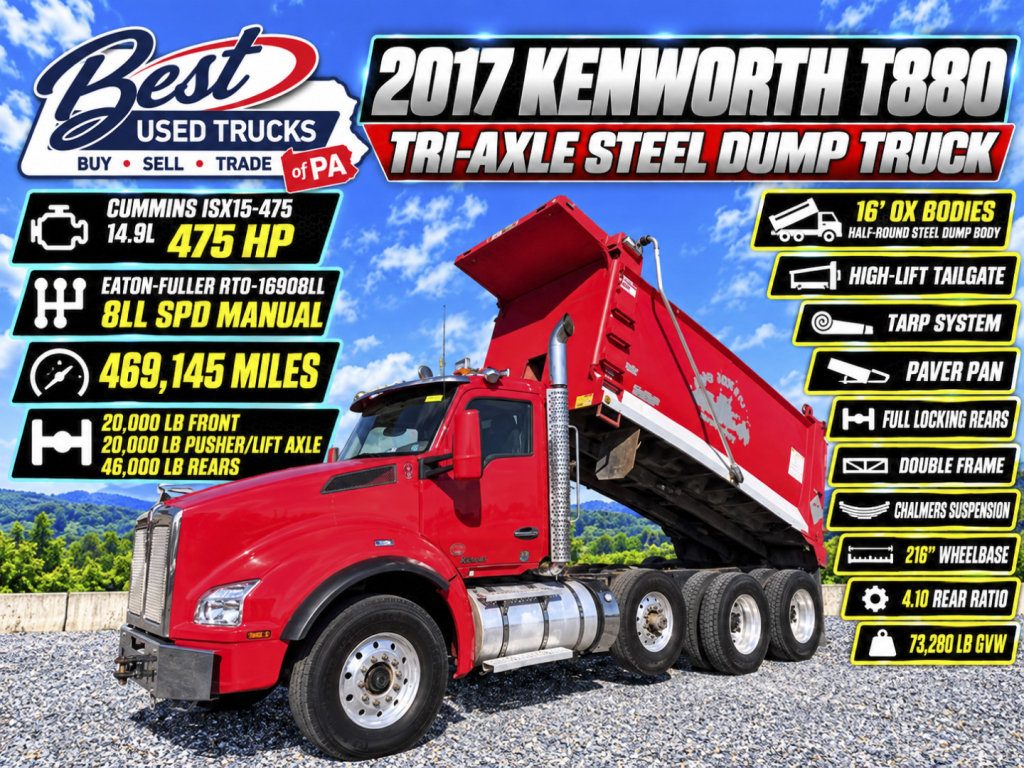
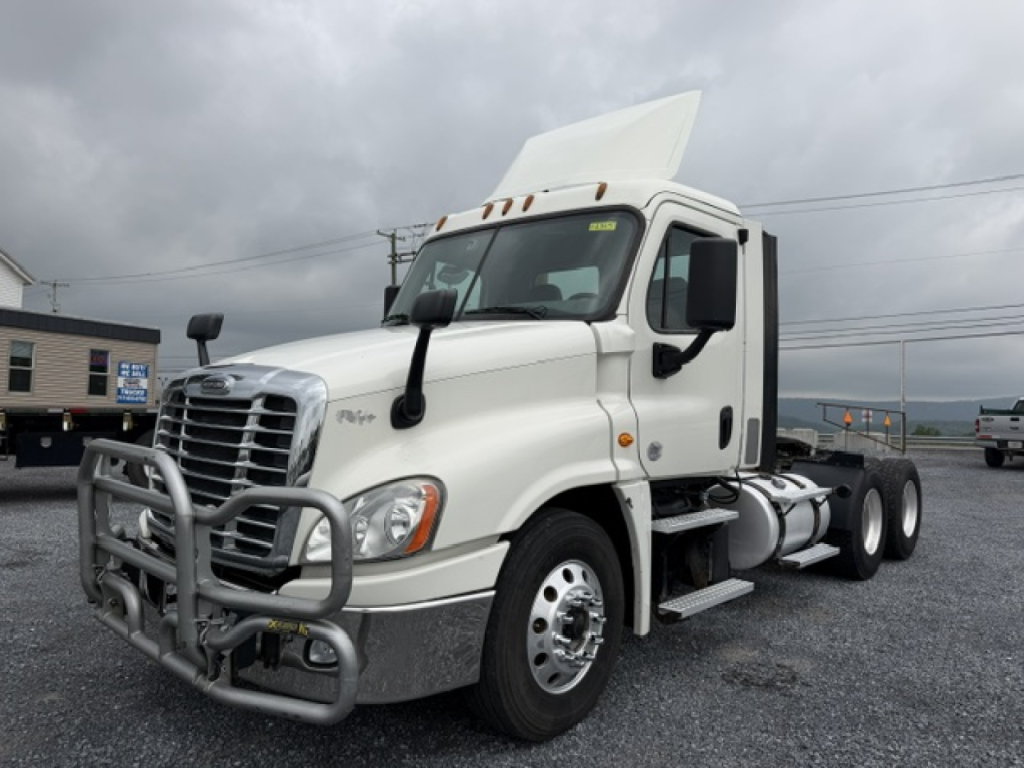
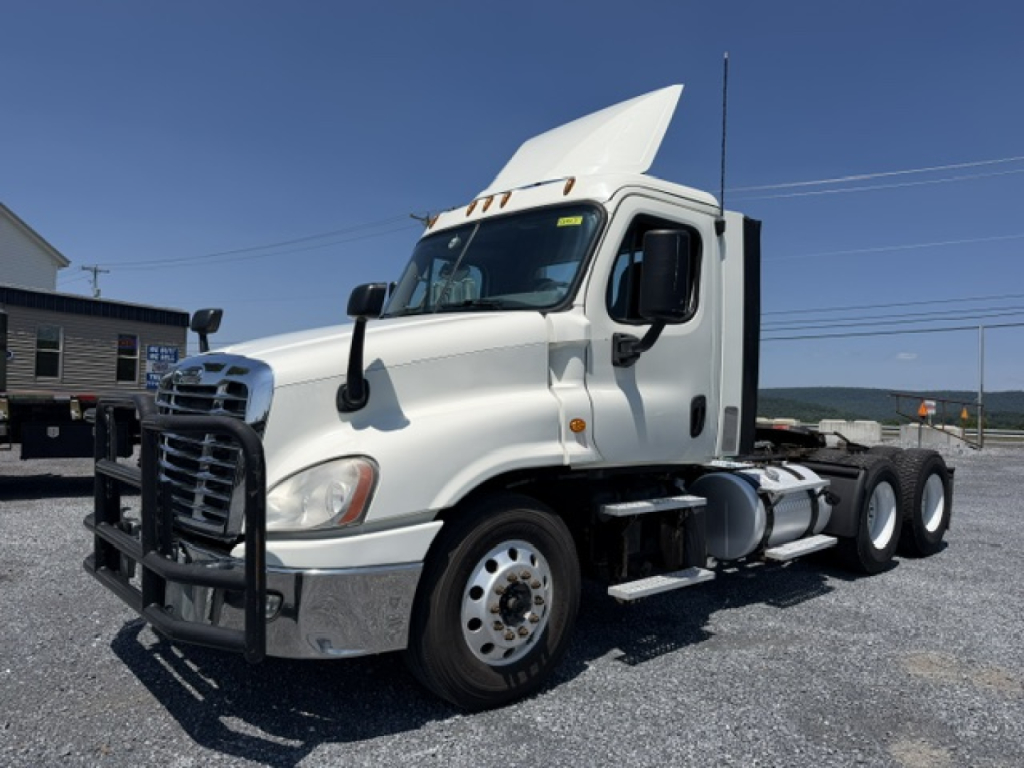
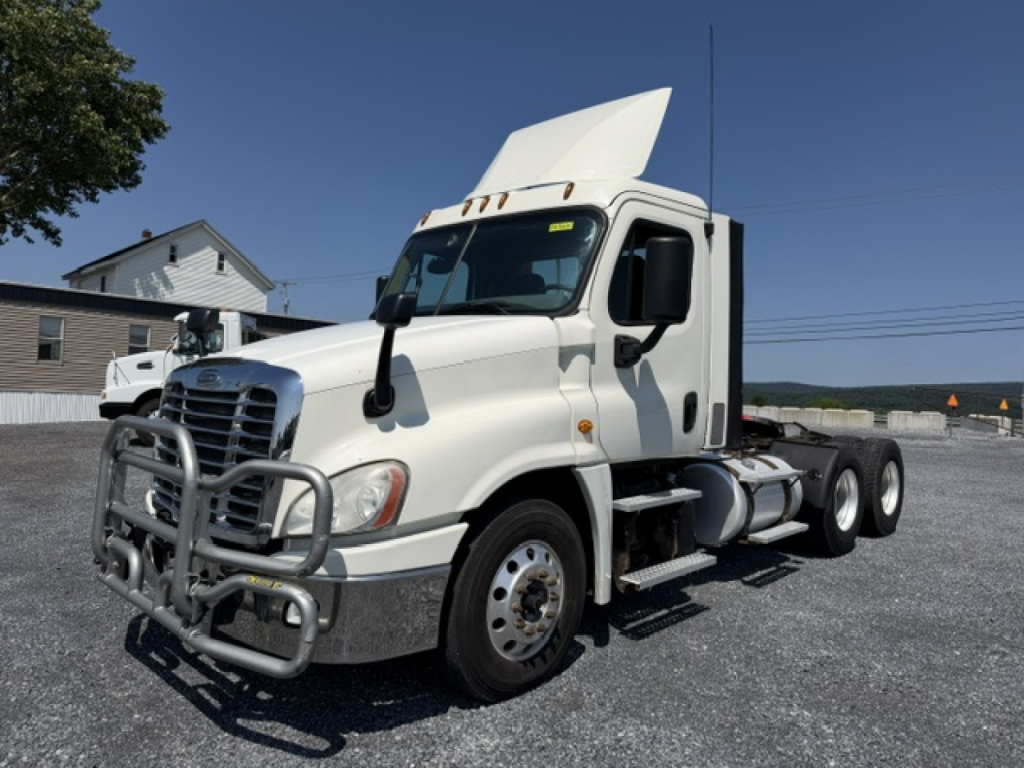
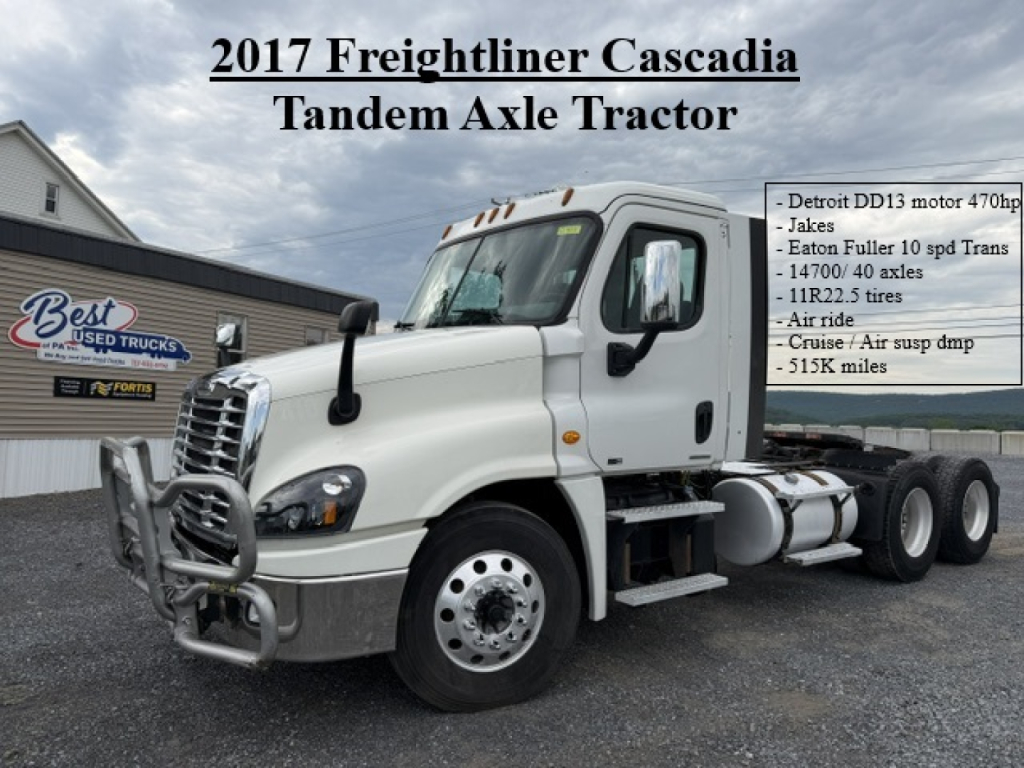
Selling a used 2017 commercial truck? List your used 2017 commercial truck for sale and reach thousands of commercial buyers.
Used 2017 Commercial Trucks in Pennsylvania
The first buying decision is usually application. A 2017 day cab is typically set up for local or regional freight, short wheelbase maneuvering, and frequent drop-and-hook work. A 2017 sleeper truck is better suited for longer lanes, team operations, or owner-operators who need bunk space, larger fuel capacity, and a more road-ready spec. In Pennsylvania, terrain matters. Buyers running western grades, turnpike miles, or heavy payloads should pay close attention to engine brake performance, rear axle ratio, transmission type, and suspension spec. A tall overdrive ratio may favor fuel economy on flatter lanes, while a deeper ratio can be better for starts, hills, and vocational use.
Condition and prior use matter as much as make and model on a used 2017 truck. Highway tractors from this year are commonly equipped with engines such as the Cummins X15 or ISX series, PACCAR MX-13, Detroit DD13 or DD15, and Volvo D11 or D13, depending on brand. Buyers should review maintenance history, engine hours, emissions system service records, clutch life on manual and automated units, brake type, tire condition, and signs of frame or suspension wear. If the truck is a vocational or utility configuration, look closely at PTO operation, body condition, rust exposure, and whether the wheelbase and axle ratings match the intended job. Pennsylvania buyers should also inspect for corrosion from winter road treatment, especially around crossmembers, cab mounts, battery boxes, and wiring.
A well-matched 2017 truck can still be a productive asset if the spec fits the route and the maintenance story is solid. Common features from this model year include air ride suspension, aluminum fuel tanks, power windows, cruise control, engine brakes, disc or drum brake setups, and 10-, 12-, 13-, or 18-speed transmissions depending on duty cycle. For buyers comparing multiple listings, the most important filters are cab type, axle configuration, horsepower, transmission, wheelbase, mileage, and intended use. A lower-priced truck with the wrong ratio, wrong wheelbase, or weak maintenance documentation can cost more in downtime than a better-kept unit with a clearer service history.
Frequently Asked Questions about Used 2017 Commercial Trucks in Pennsylvania
What should I look for first when buying a used 2017 truck in Pennsylvania?
Start with the truck’s intended application, then verify that the spec matches the work. Cab type, wheelbase, axle configuration, horsepower, transmission, and rear axle ratio should all fit the route and payload. After that, focus on maintenance records, mileage and engine hours, emissions system history, rust exposure, tire and brake condition, and any signs of frame, suspension, or wiring issues. In Pennsylvania, corrosion from winter road salt is a major inspection point.
Are 2017 trucks a good value compared with newer models?
For many buyers, 2017 trucks represent a strong value point because they often include modern drivetrains, improved cab ergonomics, and more automated transmission availability without the price premium of very late-model equipment. The tradeoff is that component wear becomes more important, especially on emissions systems, clutches, suspensions, and aftertreatment parts. A properly maintained 2017 truck can still deliver solid service life, but condition matters more than age alone.
What engine and transmission combinations are common in used 2017 trucks?
Common Class 8 engine options in 2017 trucks include the Cummins ISX and X15 families, PACCAR MX-13, Detroit DD13 and DD15, and Volvo D11 or D13, depending on the truck brand and original spec. Transmissions from this model year often include 10-speed manuals, 12-speed automated manuals, and heavier multi-speed options for specialized or heavy-haul applications. The best combination depends on route profile, gross weight, driver preference, and maintenance priorities.
How important is rear axle ratio on a used 2017 highway truck?
Rear axle ratio has a major effect on fuel economy, launch performance, gradeability, and cruising RPM. Numerically lower ratios such as 2.64 or 2.79 are commonly used for fuel-efficient highway operation, especially with overdrive transmissions. Numerically higher ratios can be better for heavier loads, hill country, city work, or vocational service. Buyers in Pennsylvania should think carefully about terrain, average gross weight, and road speed before choosing a ratio.
Is mileage the most important factor on a used 2017 truck?
Mileage matters, but it should not be viewed by itself. Engine hours, idle time, maintenance quality, previous application, and overall chassis condition often tell a more complete story. A higher-mile highway tractor with documented preventive maintenance can be a safer buy than a lower-mile truck with poor service records, corrosion issues, or repeated emissions faults. On used 2017 trucks, service history and inspection results usually carry more weight than odometer reading alone.