
Used 2017 Commercial Trucks For Sale in Michigan
Browse used 2017 trucks in Michigan, including sleepers, day cabs, flatbeds, and medium-duty units with buyer-focused spec insights.
Looking for the easiest place to sell your used 2017 commercial truck? List it here to reach thousands of buyers.
Used 2017 Commercial Trucks in Michigan
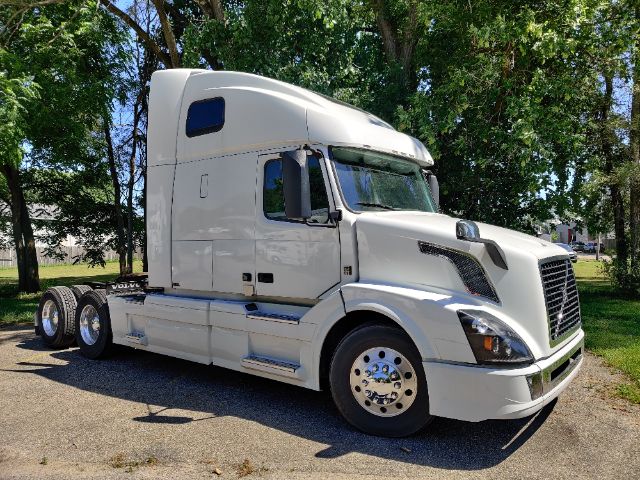
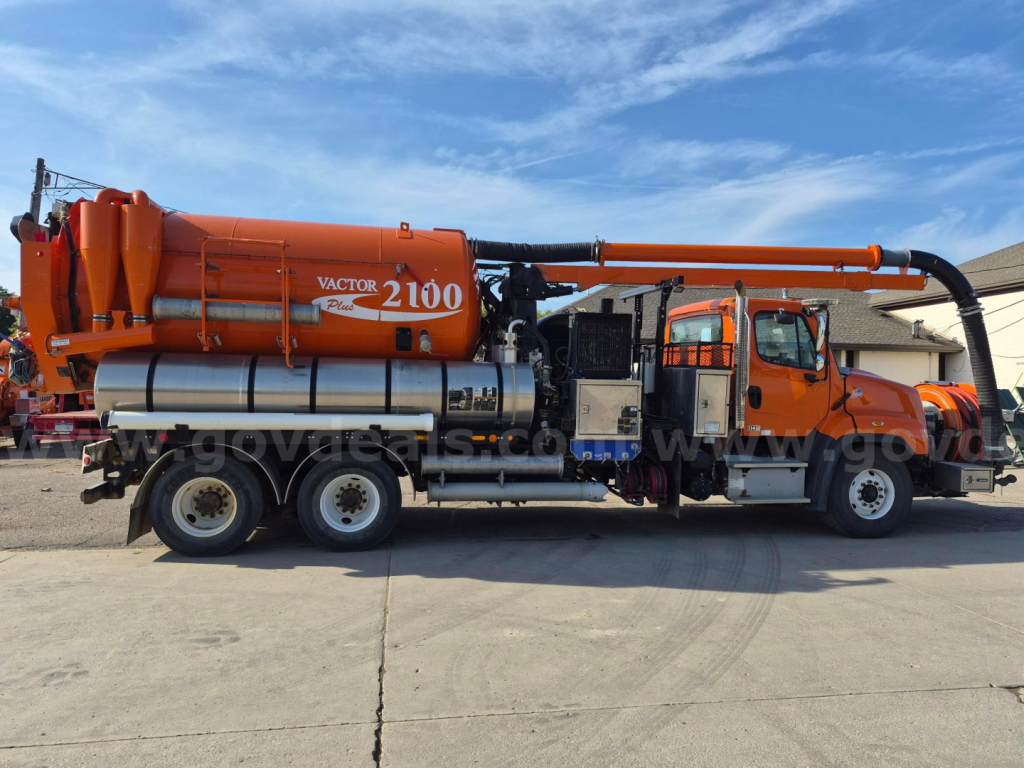
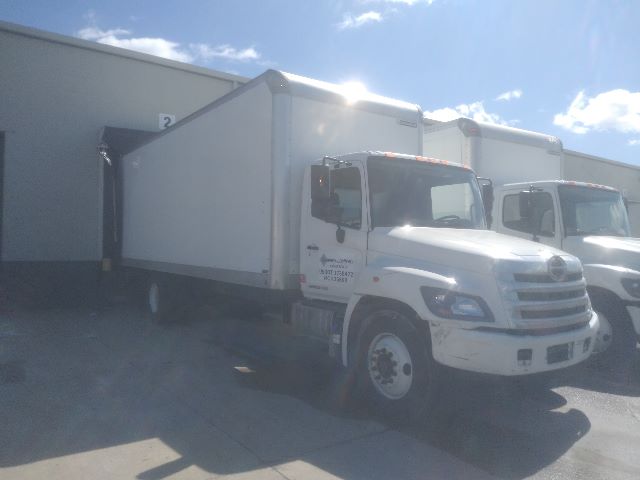
The first decision is usually truck class and job profile. A 2017 sleeper tractor is commonly spec'd for freight lanes with tandem axles, 12,000-pound front axles, 40,000-pound rears, air ride suspension, sliding fifth wheels, and engines in the 400 to 500 horsepower range. Common powerplants from this era include the Cummins ISX15, Detroit DD15, Volvo D13, and PACCAR MX series, paired with manual, automated manual, or full automatic transmissions depending on the application. Buyers shopping straight trucks or medium-duty 2017 models should focus more closely on GVWR, wheelbase, body length, PTO setup, liftgate needs, suspension type, and brake configuration. In a state like Michigan, tire condition, corrosion exposure, frame condition, and heater and HVAC performance deserve extra attention.
A 2017 truck can also be a smart emissions-era buy if service history is clear. By this model year, most manufacturers had several years of experience refining EGR, DPF, SCR, and DEF systems compared with earlier emissions trucks. That does not eliminate maintenance risk, but it makes documentation more important than assumptions. Look for records covering injector work, aftertreatment cleaning or replacement, coolant maintenance, overhead adjustments, transmission service, and any recent work on sensors, dosers, or DEF components. On highway tractors, axle ratio, tire size, and transmission gearing should match the intended freight and terrain. Michigan buyers running heavy loads, cross-border freight, or winter routes may prefer proven driveline specs over aggressive fuel-economy gearing.
Cab layout and driver environment still matter on a used 2017 truck because uptime is tied to comfort and usability. Sleeper models from this year often include higher-roof configurations, dual tanks, inverters, bunk heaters, refrigerators, and integrated collision-mitigation or telematics options depending on the original fleet spec. Day cabs and vocational trucks may prioritize visibility, turning radius, and simpler interiors that are easier to maintain. Buyers should inspect seat base wear, dash electronics, HVAC output, suspension bushings, fifth wheel operation, and any signs of hard regional use such as frame scaling or body rust. The right 2017 truck is less about the badge on the hood and more about finding a spec, maintenance profile, and duty history that fit the work.
Frequently Asked Questions about Used 2017 Commercial Trucks in Michigan
What should I look for first when buying a used 2017 truck in Michigan?
Start with application fit, then verify condition. A buyer should match the truck's axle configuration, horsepower, transmission, wheelbase, suspension, and GVWR or GCWR to the actual work. In Michigan, rust, frame corrosion, electrical condition, heater performance, tire quality, and cold-weather starting history are especially important. After that, service records, engine hours, emissions-system repairs, and signs of fleet maintenance or owner-operator care usually tell more than appearance alone.
Are 2017 trucks a good model year for emissions reliability?
For many buyers, 2017 is a more confidence-inspiring emissions-era model year than earlier DEF and DPF trucks. By this point, most manufacturers had improved calibration, aftertreatment packaging, and component durability. A 2017 truck can still have expensive emissions issues, so the key is documented maintenance. DPF cleaning intervals, SCR and DEF repairs, sensor replacements, coolant service, and fault-code history should all be reviewed before purchase.
Which engines are common in used 2017 trucks?
Common 2017 truck engines include the Cummins ISX15, Detroit DD13 and DD15, Volvo D11 and D13, PACCAR MX-13, and medium-duty options such as the Cummins ISB or ISL depending on truck class. Each has its own strengths in fuel economy, dealer support, torque curve, and service familiarity. The best choice depends on the truck's job, local service access, and whether the buyer prefers a simpler fleet-standard engine platform or a spec aimed at fuel efficiency.
Is an automatic or automated manual transmission better in a 2017 truck?
A 2017 automated manual transmission is often a strong choice for highway freight because it helps with driver consistency, fuel economy, and ease of hiring. Models like Volvo I-Shift, Detroit DT12, and Eaton automated options were well established by this period. For vocational work or certain medium-duty applications, a true automatic such as an Allison may be better because it performs well in stop-and-go service, PTO-related tasks, and municipal or delivery cycles. The right answer depends on terrain, load profile, and who will be driving the truck.
How important are axle ratio and suspension on a used 2017 truck?
Axle ratio and suspension have a direct effect on fuel economy, startability, ride quality, and suitability for the job. A tall ratio may work well for lighter highway freight, while a deeper ratio can be better for heavy loads, regional routes, or hilly terrain. Air ride suspension is common on sleeper tractors because it improves ride and freight protection, while spring suspension may be preferred on some vocational trucks for durability and simplicity. These specs should be checked before brand preference because they affect real-world performance every day.