
Used 2017 Commercial Trucks For Sale in Georgia
Shop used 2017 trucks for sale in Georgia, including highway tractors, vocational trucks, and medium-duty units for regional or local work.
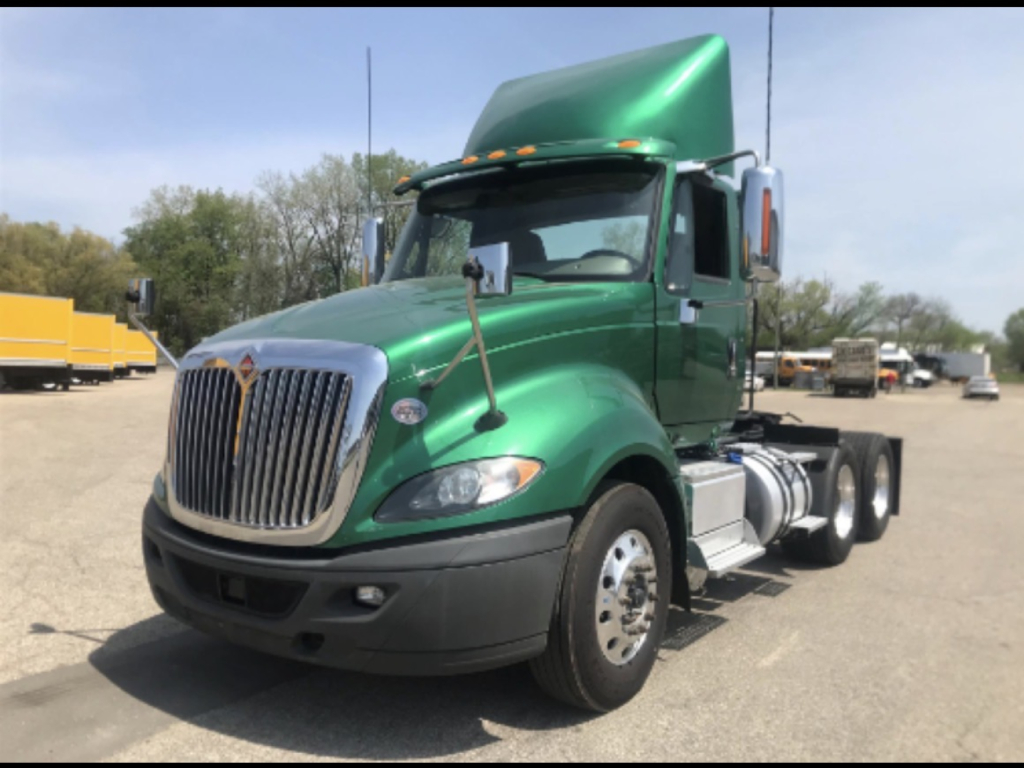
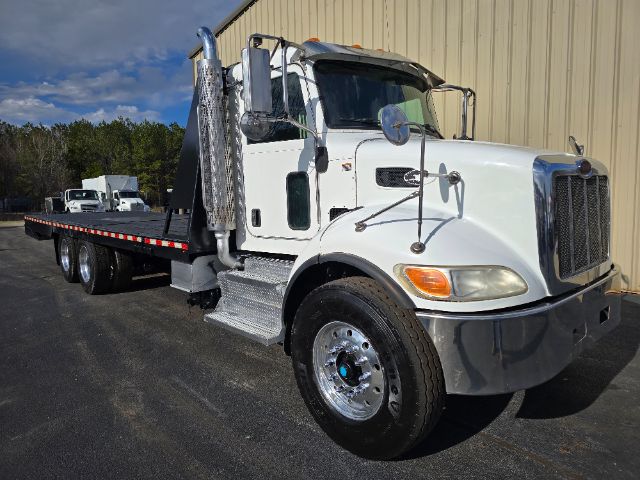
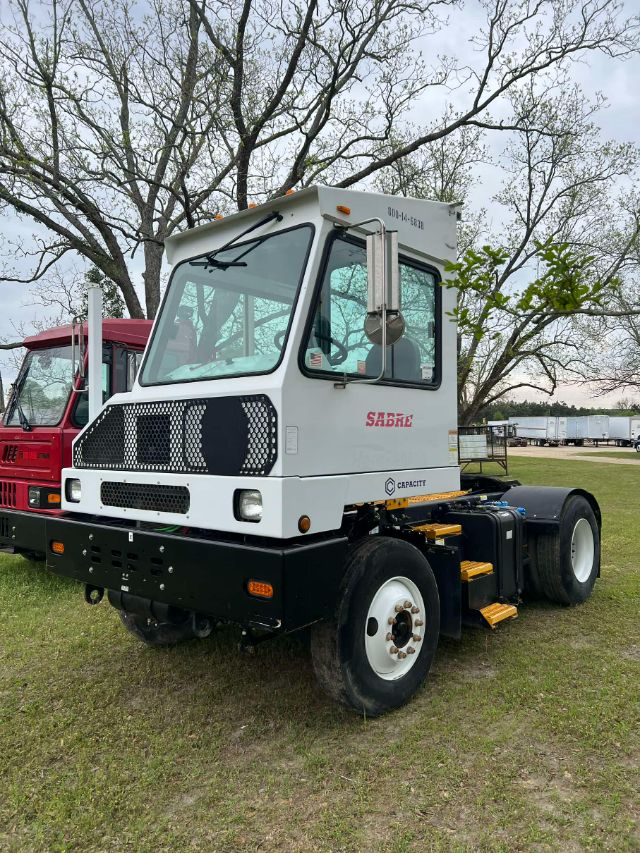
Selling a used 2017 commercial truck? List your used 2017 commercial truck for sale and reach thousands of commercial buyers.
Used 2017 Commercial Trucks in Georgia
The first filter should be truck type and operating profile. If the truck will pull van, reefer, or flatbed freight, a conventional day cab or sleeper with a tandem axle 6x4 setup, air ride suspension, and a 12-speed automated or manual transmission is common. For local or vocational work, buyers often focus on wheelbase, PTO provision, front axle rating, suspension spec, and whether the truck is already upfitted as a bucket truck, service truck, dump, or straight truck. On 2017 trucks, common engine families may include Detroit DD13 or DD15, PACCAR MX series, Cummins ISX or X15, and medium-duty diesel platforms depending on the chassis class. Horsepower and torque need to match the route and payload, not just the badge on the hood.
Condition matters more than age alone on a used 2017 truck. A well-documented fleet-maintained unit with consistent PM records, current DOT inspection status, and recent wear-item replacement can be a better buy than a lower-priced truck with unclear history. Buyers should pay close attention to aftertreatment service records, fault code history, clutch or AMT calibration status, injector or turbo work, and signs of engine derate issues. On vocational and body-equipped trucks, inspect the PTO operation, boom or hydraulic hours where applicable, frame modifications, corrosion around mounts, and any evidence of hard off-road or utility duty. Tire date codes, brake measurements, kingpins, driveline vibration, and suspension bushing wear are still core checkpoints on any 2017 unit.
Georgia buyers also tend to look closely at axle ratios, fuel capacity, and sleeper size because the state supports a mix of local construction, port freight, agriculture, and long-haul lanes across the Southeast. A used 2017 truck can be a strong fit for regional freight if it has the right emissions history, gearing, and cab configuration. For vocational buyers, a 2017 chassis can still offer solid value if the body, hydraulics, and frame spec match the intended job. The best purchase usually comes from matching GVWR, wheelbase, engine rating, and maintenance history to the actual work the truck will do every week.
Frequently Asked Questions about Used 2017 Commercial Trucks in Georgia
What should I check first on a used 2017 truck in Georgia?
Start with maintenance records, engine and aftertreatment history, and the truck’s original application. A 2017 truck may still have good service life left, but emissions-related repairs can be expensive if the DPF, DOC, SCR, turbo, or EGR system has been neglected. In Georgia, cooling system performance and air conditioning condition also matter because trucks see long hot-weather operating periods. A current DOT inspection, clear fault code scan, and evidence of regular PM intervals are strong indicators of a better candidate.
Is a 2017 model year a good value for a used semi truck or vocational truck?
For many buyers, yes. A 2017 truck often sits in a useful middle ground where purchase cost is lower than late-model equipment, but the chassis, cab, and drivetrain can still support productive service if they have been maintained correctly. The value depends less on the calendar year and more on mileage, engine hours, duty cycle, and repair history. A highway tractor with stable regional miles is evaluated differently than a 2017 bucket truck or severe-duty chassis that has spent years in stop-start utility work.
What engine and transmission specs are common on used 2017 trucks?
Specifications vary by class and application, but buyers will commonly see diesel engines such as Detroit DD13 and DD15, Cummins ISX or X15, PACCAR MX engines, and medium-duty diesel platforms on smaller chassis. In highway tractors, 10-speed, 12-speed, and automated manual transmissions are common, along with tandem 6x4 drivetrains and air ride suspension. On vocational trucks, front axle capacity, rear axle ratio, PTO setup, and wheelbase are often more important than raw horsepower because those specs determine body compatibility and jobsite performance.
Are used 2017 trucks in Georgia better suited for regional or local work?
They can fit either role if the configuration is correct. A sleeper tractor with appropriate horsepower, fuel capacity, gearing, and an efficient aero package can still be a practical regional unit across the Southeast. A day cab, cab and chassis, or body-equipped truck may be better suited for local delivery, municipal, utility, or construction work. The key is matching the truck to route density, idle time, payload, and PTO or body requirements rather than assuming all 2017 trucks fit the same operation.
Why does the truck’s prior duty cycle matter so much on a 2017 used truck?
Duty cycle affects wear patterns across the entire truck. Long highway miles usually produce different engine, brake, clutch, and suspension wear than urban pickup-and-delivery, utility, or off-road service. A 2017 tractor that ran steady interstate freight may show high miles but less chassis abuse than a lower-mile vocational truck with heavy idle hours, hydraulic use, and repeated stop-start loading. Understanding prior use helps a buyer judge remaining life, likely repair needs, and whether the spec is suitable for the next job.