
Used 2007 Commercial Trucks For Sale in Ohio
Used 2007 trucks in Ohio, expert guidance on emissions, tare weight, corrosion, floor strength, thermal integrity for tractors and straight trucks.
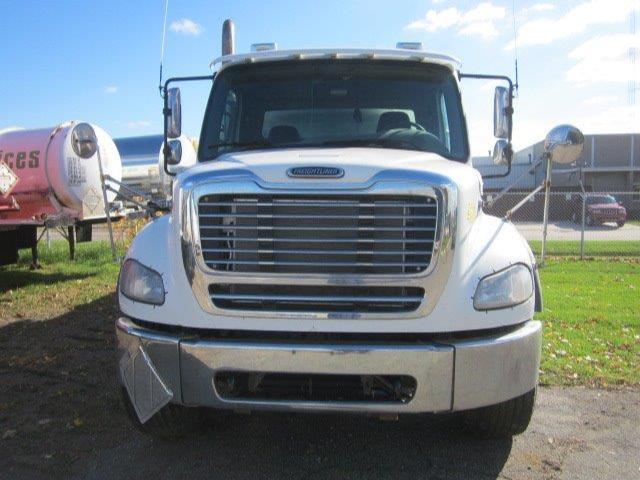

Looking for the easiest place to sell your used 2007 commercial truck? List it here to reach thousands of buyers.
Used 2007 Commercial Trucks in Ohio
For tractors, tare weight and gearing drive your cost per mile. Aluminum wheels, hubs and tanks, low profile 22.5 tires, and a lightweight fifth wheel can trim hundreds of pounds, while large sleepers, APUs, and full fairing packages add weight but can improve fuel burn and driver comfort. Expect 6x4 tandems with 40k rears, 12k or 13.2k steer axles, and ratios in the 3.36 to 3.70 range depending on direct or overdrive top gears. Verify fifth wheel height, wheelbase, and cab extenders for trailer compatibility; check turning clearance with your trailer kingpin settings, and confirm air and electrical for ABS power and pigtail length. If you pull 53 foot vans or reefers, validate swing clearance and bridge compliance on your Ohio routes.
Straight trucks vary widely, so evaluate the body as carefully as the chassis. For dry van and reefer trucks, floor strength comes from material and crossmember spacing; look for 1.25 inch hardwood or laminated floors, 12 inch crossmember spacing for heavy forklift traffic, and intact scuff liners to prevent wall damage. On refrigerated boxes, thermal integrity depends on high density foam insulation, tight rear and side door seals, a clean T floor, and sealed drain lines; run a pull down test, check unit hours and service logs on Carrier Supra or Thermo King truck units, and look for air leaks at hinges and perimeter seams. Dump bodies should be checked for AR steel thickness, bowing, hoist pin wear, and cracking around doghouses and cross sills.
Due diligence pays off. Scan the ECM for fault history, idle percentage, and overspeed events; perform a parked regen to confirm DPF health; pull oil and coolant samples; and measure brake lining thickness and drum or rotor condition. Inspect frames for scale that masks metal loss, especially around suspension hangers and rear body or liftgate mounts. Confirm GVWR and axle ratings match your payload, verify 80,000 pound interstate compliance, and ensure your tractor pairs cleanly with the trailers you run, including adequate power to ABS, clean gladhands, and the harness routing needed when pulling trailers equipped with tire inflation systems.
Frequently Asked Questions about Used 2007 Commercial Trucks in Ohio
Do 2007 trucks have emissions systems that use DEF, or are they pre-emission?
Most 2007 highway trucks run EGR with a diesel particulate filter and no SCR, so no DEF. Early build units titled as 2007 can have 2006 emissions engines without a DPF, which is why you should verify the EPA family label on the valve cover or timing cover and cross check engine serial with OEM documentation. Review regen history, ash load, and sensor replacements, and ensure the DOC and DPF can pass a pressure test. If you operate in California, confirm current CARB compliance before committing.
How should I evaluate corrosion on an Ohio truck before purchase?
Start with the frame flanges, crossmembers, suspension hangers, and fifth wheel plate, then look at brake lines, ABS wiring, fuel tank straps, battery boxes, cab mounts, and aluminum wheels for pitting. Probe scaling to determine real metal loss, not just flake. On straight trucks, check the rear body frame, liftgate mounts, door thresholds, and underbody boxes. Look for delamination on double frame sections and inspect fasteners for seized threads. A fresh coating over heavy scale is a red flag, ask for photos or records from before any repainting.
What specs most affect tare weight and payload on a 2007 tractor?
Aluminum wheels and hubs, smaller fuel capacity, low profile tires, a lightweight fifth wheel, and minimal fairings can remove several hundred pounds. Sleeper size, APUs, headache racks, and heavy bumpers add weight. Disc brakes and 6x2 tandems save weight but were less common in 2007. Match axle ratings and suspension choice to payload, and remember that gearing and tire size influence both tare and performance, so balance weight savings with startability and gradeability for your lanes.
How do I check floor strength and thermal integrity on a 2007 box or reefer truck?
Confirm floor thickness and crossmember spacing, look for crushed boards, loose fasteners, and rail separation. For forklifts, 12 inch crossmember spacing and hardwood or laminated floors are preferred. Walls should have intact scuff liners and secure logistics posts. On reefers, inspect door seals and hinges, test pull down time from ambient to setpoint, verify even airflow across a clean T floor, and check for moisture intrusion at seams and corners. Review reefer unit hours, maintenance logs, and controller alarm history.
Will a 2007 day cab work with modern 53 foot trailers and related systems?
Yes, provided you confirm wheelbase, cab extenders, and fifth wheel position allow proper swing clearance with your trailer’s kingpin settings. Verify fifth wheel height against trailer landing gear settings to maintain correct rake, and ensure your electrical pigtail and gladhand lines reach cleanly. The tractor does not power trailer tire inflation systems directly, but solid air supply and leak free lines help those systems operate as designed. Check that the tractor provides constant power to trailer ABS where required.