
Used 2005 Trucks For Sale in New York
Used 2005 trucks for sale in New York. Pre-DPF diesels, key specs, inspection tips, and regional considerations for day cabs, sleepers, and vocational units.
Learn more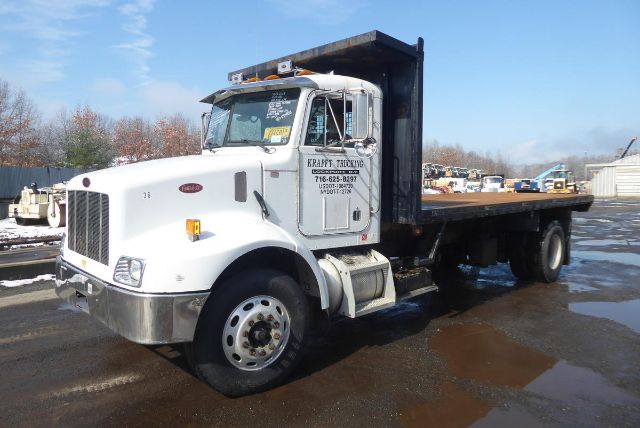
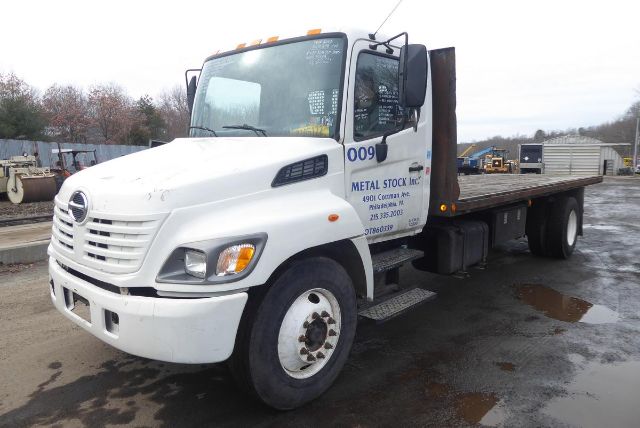

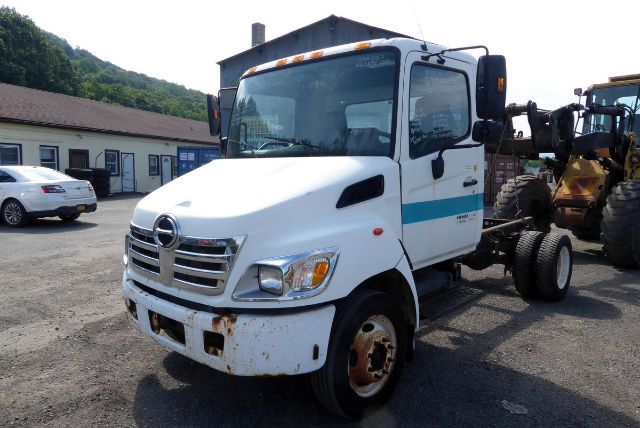
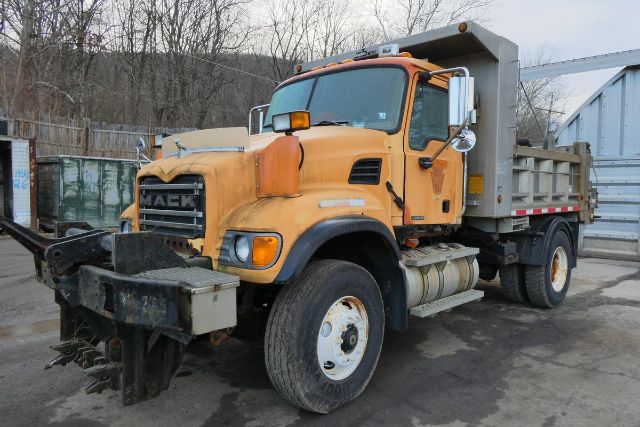
Showing 13 to 17 of 17 results
Have used 2005 truck to sell? List it here to reach thousands of buyers.
About Used 2005 Trucks in New York
Spec choices should match New York routes. For Thruway and I-81 lanes, a highway tractor with a 10 or 13 speed and 3.36 to 3.73 rears keeps RPM in the sweet spot at 65 to 70 mph, while set-back steer axles and tighter wheelbases help with downstate maneuvering and dock approaches. Mountain grades in the Catskills and Adirondacks reward engines with strong engine brakes and properly sized cooling packages. Vocational trucks that run aggregates or refuse typically need heavier front axles, 40k to 46k rears, full locking diffs, double-frame inserts, and spring or reinforced air suspensions. New York imposes the Highway Use Tax above 18,000 pounds, has strict anti-idling enforcement, a 13 ft 6 in height limit on commercial routes, and parkway restrictions that favor set-back steer and shorter wheelbases in urban work.
Straight trucks from 2005 cover dry van, reefer, flatbed, service, and dump applications. Class 6 to 7 box trucks often pair medium-duty engines like DT466, ISC, ISL, or C7 with Allison automatics for stop-and-go routes. Typical body lengths run 24 to 28 feet with rail-lift or tuck-under gates rated 2,500 to 3,300 pounds. Validate liftgate cycle counts, cylinder health, and box integrity, including roof seams, floor wear, and scuff liners. Reefer buyers should focus on unit hours, maintenance logs, and fuel tank condition, plus door seals and insulation continuity. Tire sizes like 11R22.5 or 295/75R22.5 are common, with air ride improving ride quality and freight protection while spring suspensions offer durability on rough sites.
New York winters demand attention to corrosion and cold-start reliability. Inspect frames, crossmembers, cab mounts, brake lines, and battery cables for salt damage. Aluminum tanks and wheels can show pitting, and steel boxes or dump bodies often need gusset and hinge checks. An oil analysis, ECM download for miles and hours, blow-by test, and dyno pull give a clear snapshot of engine health. Most 2005 engines are ELD-required, so confirm a working datalink and connector type for your device. Ensure ABS functions, review clutch wear on manuals and torque converter health on automatics, and match axle ratio to your typical cruise speed to avoid lugging or over-revving. A well-documented 2005 truck can still deliver strong ROI if the spec fits the job and the maintenance story holds up.
Frequently Asked Questions
What emissions systems are on most 2005 diesel trucks and how does that affect ownership?
Most 2005 heavy-duty diesels use cooled EGR without DPF or DEF. The upside is simpler exhaust hardware and generally lower aftertreatment costs. The trade-off is the need to keep EGR components clean and cooling systems in top shape. Fuel economy can vary by calibration and engine family, so verify ECM settings and look for documented EGR and cooling system service.
Which axle ratio and transmission pair well with New York routes?
For highway miles on the Thruway, ratios from 3.36 to 3.73 paired with a 10 or 13 speed keep the engine in an efficient RPM band at legal speeds. Urban and regional work benefits from closer gearing and sometimes a set-back steer axle for tighter turns. Vocational trucks that pull heavier loads or run job sites may need 3.90 or deeper ratios, full lockers, and a 13 or 18 speed for grade control.
What corrosion points should I check on a 2005 truck from snowy states like New York?
Start with frame rails, crossmembers, fifth wheel or body mounts, brake and air lines, spring hangers, and wiring harness connectors. Inspect cab corners, floor pans, battery trays, and aluminum tanks or wheels for pitting. On straight trucks, examine box sills, door frames, hinges, and liftgate pivots. Documented undercoating and regular wash routines are strong positives.
Are 2005 trucks exempt from ELD requirements?
Generally no. The common exemption applies to engines with a model year of 1999 or older. Most 2005 engines require an ELD if the operation falls under the mandate. Verify the engine model year, confirm a working datalink, and check whether your truck has a 6-pin or 9-pin diagnostic connector compatible with your ELD solution.
What service milestones should I anticipate on a 2005 truck?
Expect the possibility of an in-frame overhaul around 700k to 900k miles depending on duty cycle. Pay attention to injector health, turbo condition, EGR components, cooling system integrity, clutch wear on manuals, and suspension bushings. Ask for documentation on any rebuilds, set overheads, dyno sheets, oil analyses, and ECM mileage-hour audits to validate claims.