
Used 1994 Trucks For Sale
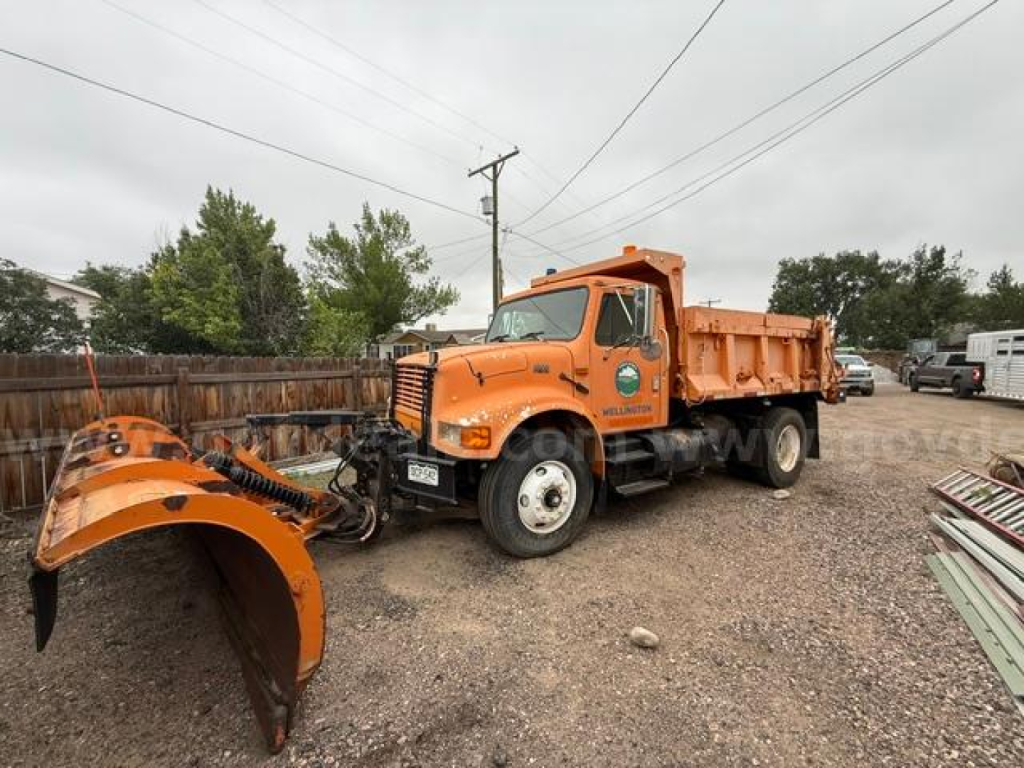
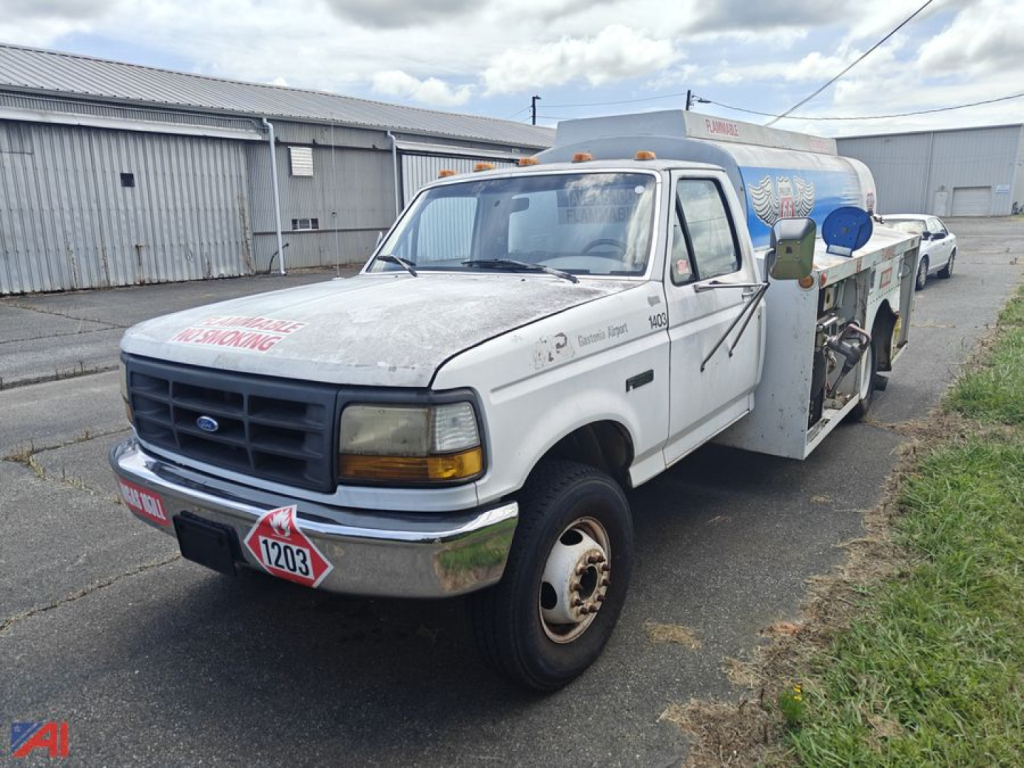
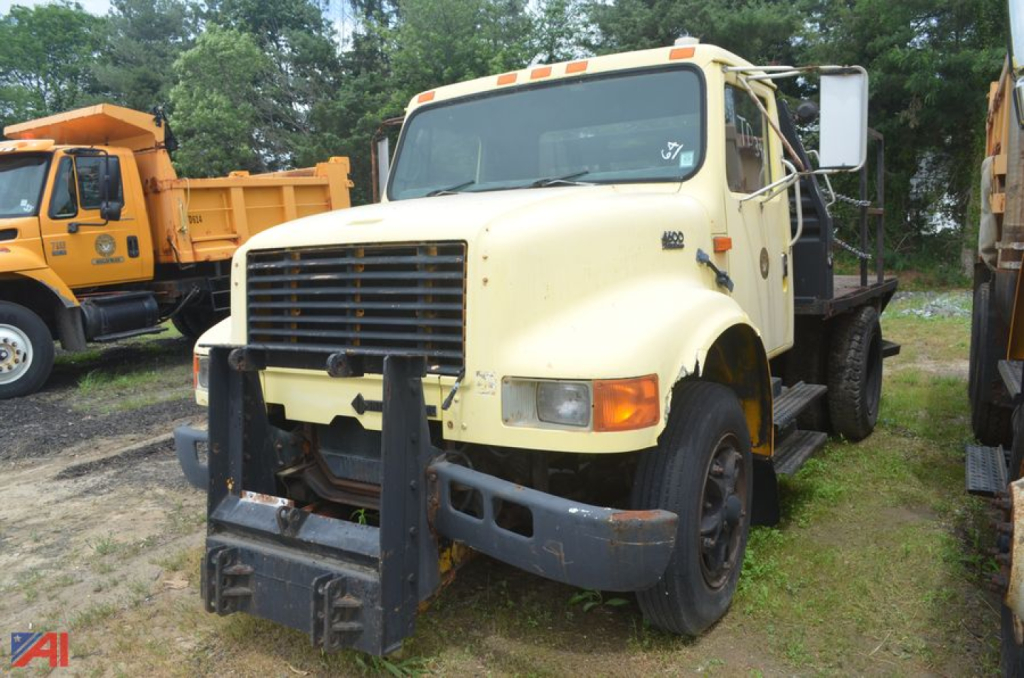
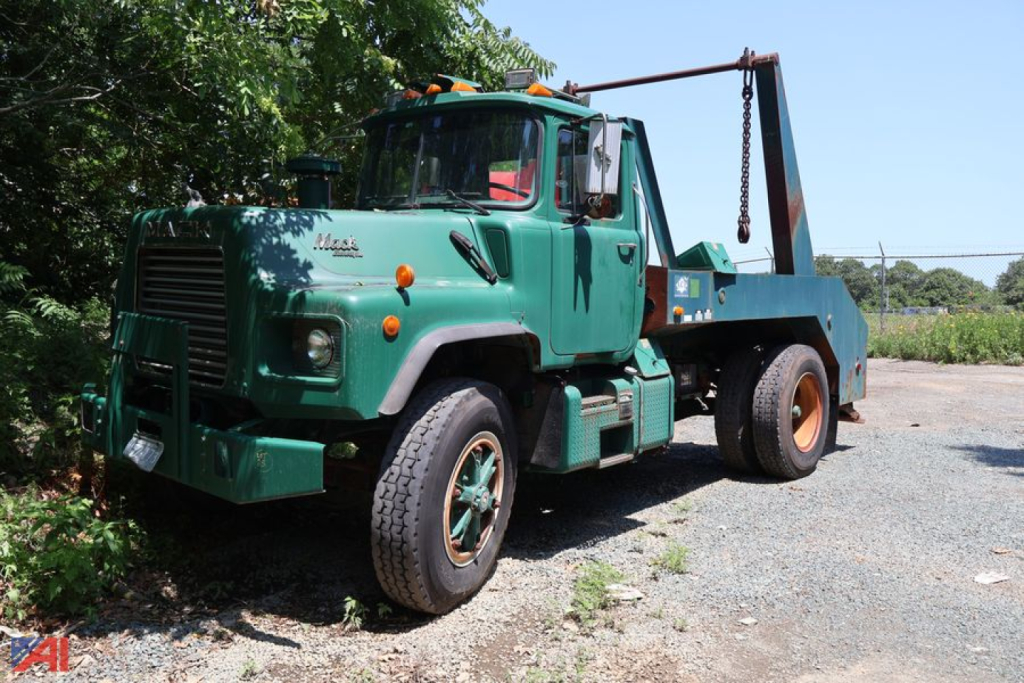
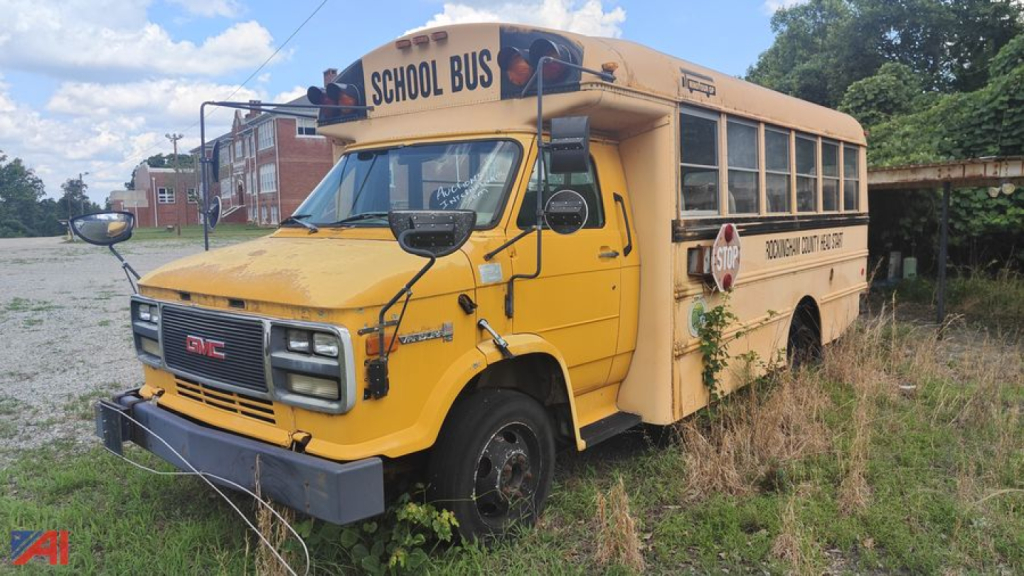
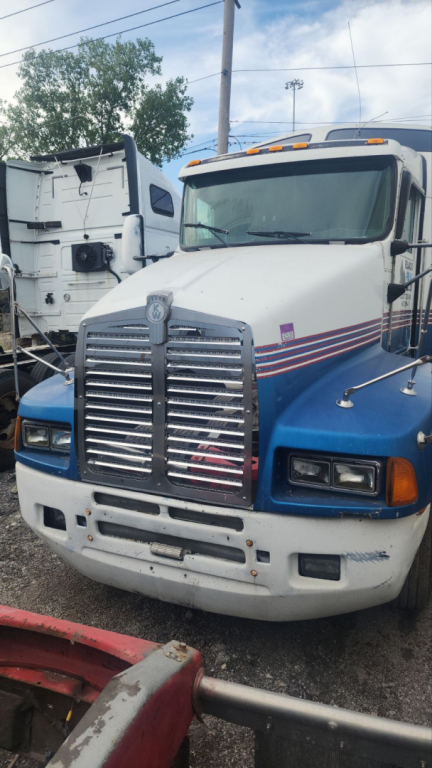
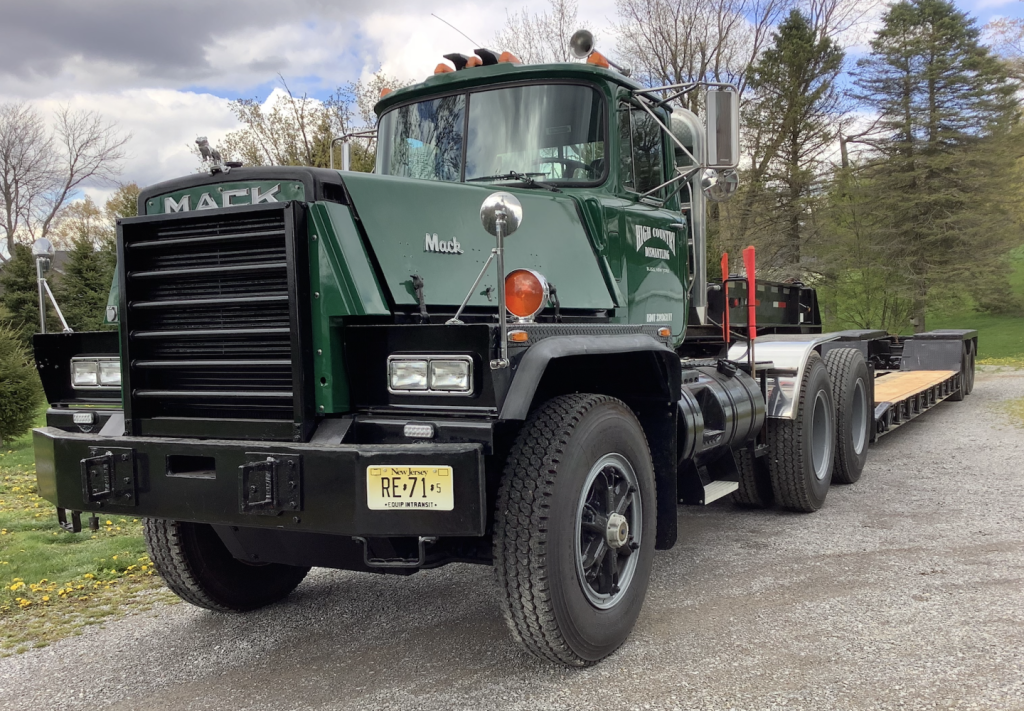

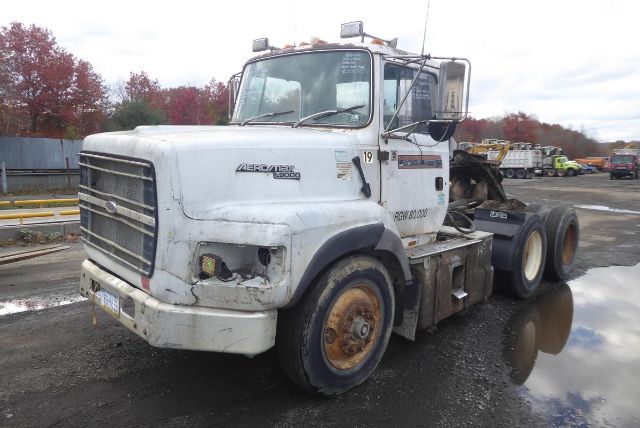
Have used 1994 truck to sell? List it here to reach thousands of buyers.
Used 1994 Trucks
Powertrain choice is usually the center of the buying decision on a 1994 truck. Many trucks from this era were spec'd with mechanical or early electronic diesel engines from Caterpillar, Cummins, Detroit Diesel, International, or Mack, often paired to manual transmissions from Eaton Fuller, Spicer, or Allison automatics in vocational service. Buyers should pay close attention to horsepower and torque ratings, rear axle ratio, and whether the truck was built for highway speed, off-road pulling power, or stop-and-go municipal work. On tractors, tandem rears, 3.55 to 4.11-style gearing, engine brake operation, and fifth wheel condition are key checkpoints. On vocational units, look closely at PTO engagement, hydraulic pump health, frame condition, and any evidence of body upfit stress around crossmembers, hoists, or tank saddles.
A used 1994 truck can still be a productive asset if the chassis matches the job and the maintenance history makes sense. Rust, wiring repairs, brake system condition, suspension wear, steering play, and parts availability should all be part of the inspection. On diesel trucks of this age, buyers often check blow-by, cold-start behavior, coolant condition, oil contamination, clutch wear, driveline slack, and differential noise before worrying about interior trim. Cab condition still matters, especially on older work trucks, because floor corrosion, door hinge wear, cracked dash structures, and neglected HVAC systems can signal a hard life. If the truck carries a specialty body such as a dump, tanker, rollback, or utility body, inspect the body manufacturer, cylinder condition, controls, and any leaks or weld repairs just as carefully as the engine.
Another practical advantage of many 1994 commercial trucks is regulatory simplicity. Pre-emissions diesel platforms are often sought by buyers who want to avoid DPF, DEF, and SCR systems, though local registration, emissions compliance, and operating rules still need to be confirmed before purchase. The best used 1994 trucks are not necessarily the lowest-mile examples. They are the units with the right spec, documented upkeep, and clear evidence that major wear items such as tires, brakes, suspension components, injectors, clutch, or transmission work have been addressed. A well-matched 1994 truck can still serve effectively in farm use, local hauling, construction support, equipment transport, municipal work, and other applications where durability and serviceability matter more than late-model cab technology.
Frequently Asked Questions about Used 1994 Trucks
What should I look for first when buying a used 1994 truck?
Start with the truck’s intended application and chassis spec. Confirm GVWR, axle ratings, wheelbase, suspension type, engine, transmission, and rear axle ratio before focusing on appearance. After that, inspect the frame for cracks or rust, check engine blow-by and cold-start performance, test the transmission and clutch, and evaluate brakes, steering, suspension, and tires. On vocational trucks, the PTO, hydraulics, and body equipment are just as important as the cab and chassis.
Are 1994 trucks easier to maintain than newer trucks?
In many cases, yes. Many 1994 trucks use simpler diesel engines and fewer emissions-related components than newer models, which can make diagnosis and repair more straightforward. That said, age creates its own maintenance demands. Wiring, seals, air system components, bushings, HVAC parts, and cab hardware may need attention simply due to time and use. Ease of maintenance depends heavily on engine make, parts support, and how well the truck was maintained over its life.
Do used 1994 trucks have emissions equipment like DPF or DEF systems?
Most 1994 diesel trucks predate modern aftertreatment systems such as diesel particulate filters and DEF-based SCR systems. That is one reason they remain attractive in certain applications. However, buyers still need to verify state, county, and fleet compliance requirements before purchase, especially in regulated emissions areas. Registration rules and local operating restrictions can vary by location and intended use.
Is mileage the most important factor on a 1994 truck?
No. Mileage matters, but condition, maintenance history, and correct spec are usually more important on a truck of this age. A higher-mile truck with documented engine work, recent brakes, solid suspension, and a clean frame can be a better buy than a low-mile truck that sat for long periods or was neglected. Service records, component age, and the results of a thorough inspection typically tell you more than the odometer alone.
What types of buyers still use 1994 commercial trucks?
Used 1994 trucks still appeal to farm operators, construction fleets, local haulers, municipal users, owner-operators, and specialty businesses that value low upfront cost and mechanical serviceability. They are commonly used in seasonal work, backup fleet roles, short-haul operations, and vocational applications where advanced cab electronics are less important than a dependable chassis and accessible repair parts.