
Used 1994 Trucks For Sale in New York
Have used 1994 truck to sell? List it here to reach thousands of buyers.
Used 1994 Trucks in New York
For New York buyers, rust and underbody exposure are major decision points. Road salt can affect spring hangers, crossmembers, cab mounts, fuel tank straps, brake lines, wiring, and the lower cab structure. A solid 1994 truck with cosmetic wear is often a better buy than a cleaner-looking unit with scaling on the frame rails or patched structural areas. It is also worth checking wheel seals, air tanks, slack adjusters, leaf packs, kingpins, and PTO operation if the truck carries a dump body, hoist, blower, or hydraulic package. On older diesel trucks, buyers should pay close attention to cold-start behavior, blow-by, injector condition, oil leaks, and transmission shift quality. Many 1994 models were built before modern emissions systems, which can be attractive for certain operations, but compliance, registration class, and local operating rules still need to be verified before purchase.
Specs vary widely across this category. Common configurations include single-axle 4x2 trucks for delivery and local service, tandem-axle setups for heavier vocational use, manual transmissions in 5, 6, 9, 10, or 13-speed layouts, and diesel engines from Caterpillar, Cummins, Detroit Diesel, International, Ford, GMC, and Mercedes-era platforms in medium-duty applications. GVWR can range from light and medium classes up into severe-duty ratings depending on body style and axle package. Wheelbase, cab-to-axle, and rear axle ratio are especially important on a 1994 truck because body fitment, bridge compliance, turning radius, and highway speed all depend on the original chassis spec. Buyers comparing listings should also look for air brake versus hydraulic brake setups, spring versus air ride suspension, and signs that replacement parts remain readily available for the make, engine, and transmission combination.
A used 1994 truck is often best suited for farm use, yard spotting, seasonal work, backup fleet duty, export, or lower-mileage local routes where simple serviceability matters more than late-model comfort. The strongest value usually comes from trucks with a clear maintenance history, a straight frame, working electricals, and an application-ready body or PTO setup. If the truck will be titled for road use in New York, inspect it with the same discipline you would use on any vocational asset: brakes, tires, lights, steering components, suspension, leaks, and paperwork first, then body and cosmetic concerns second.
Frequently Asked Questions about Used 1994 Trucks in New York
What should I inspect first on a used 1994 truck in New York?
Start with rust, frame condition, and brake system health. On a 1994 truck in New York, corrosion can affect crossmembers, brake lines, cab mounts, spring hangers, and electrical grounds. After that, check steering play, suspension wear, tires, driveline condition, and signs of engine blow-by or coolant contamination. Structural condition and mechanical integrity matter more than appearance on trucks of this age.
Are 1994 trucks easier to maintain than newer trucks?
In many cases, yes. A 1994 truck is generally simpler than late-model equipment because it may have fewer sensors, less complex electronics, and no modern aftertreatment system. That can reduce diagnostic complexity and make field repairs more straightforward. The tradeoff is age-related wear, possible parts obsolescence on some engine or cab components, and a greater need for hands-on inspection before purchase.
What types of 1994 trucks are common on the used market?
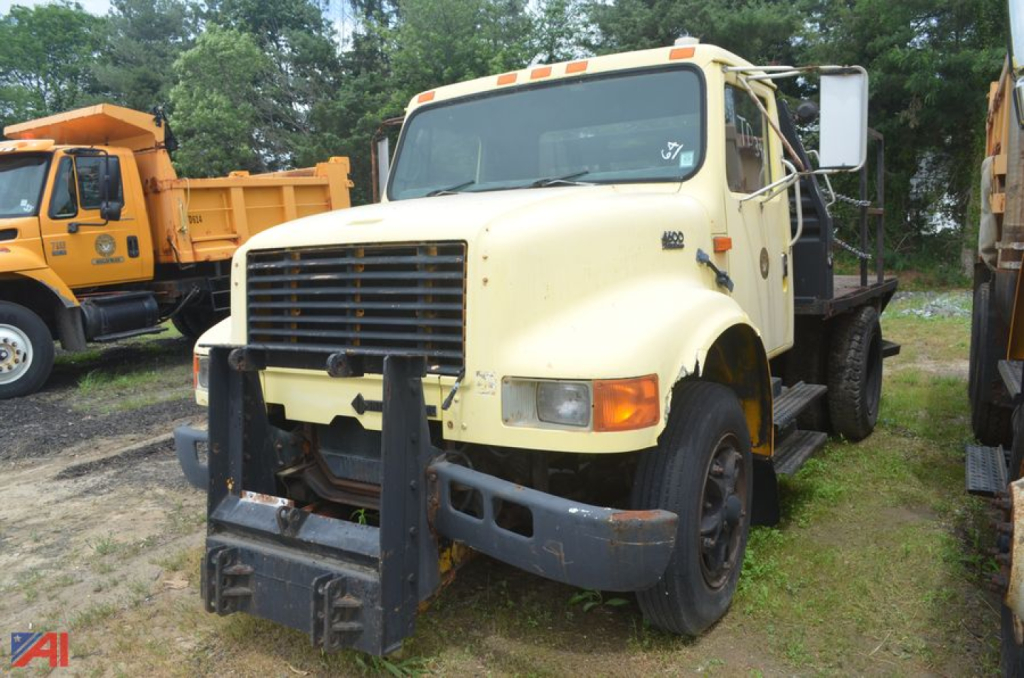
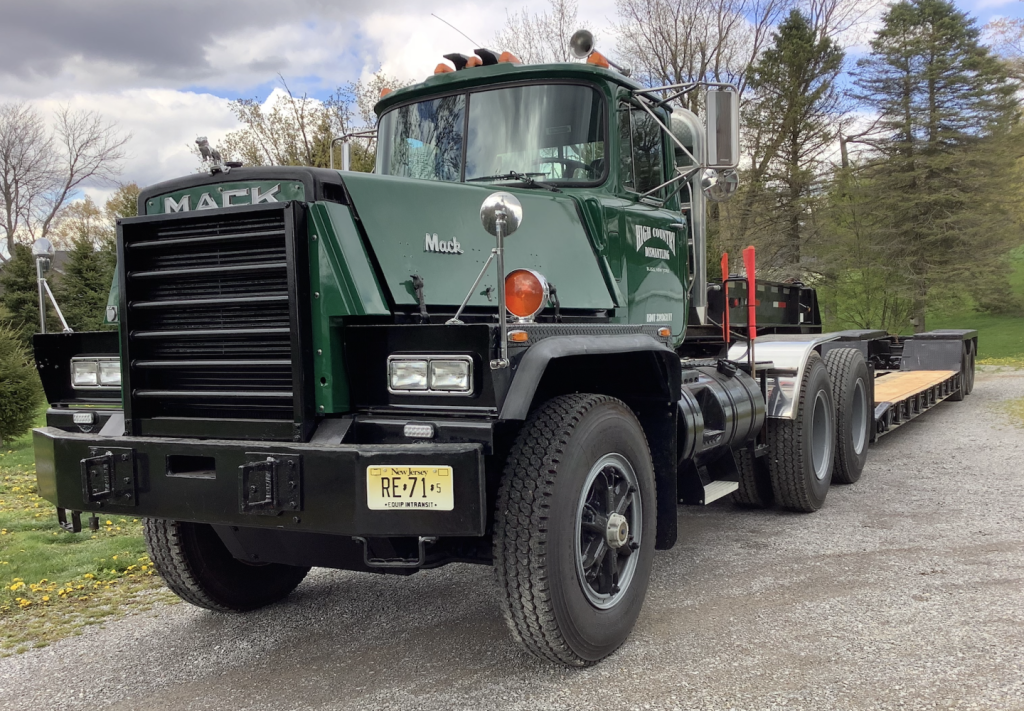
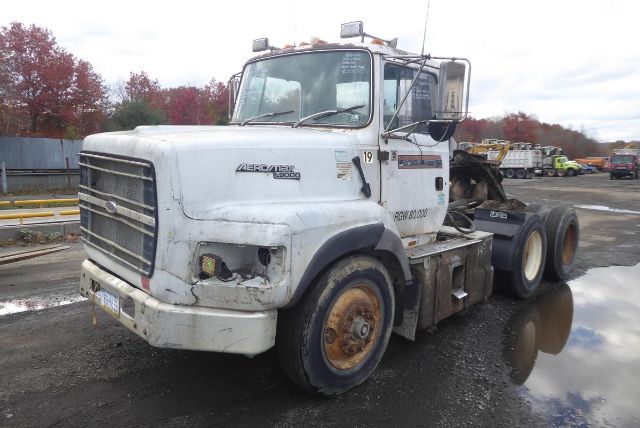
This category can include box trucks, dump trucks, day cabs, sleepers, flatbeds, stake bodies, utility trucks, service bodies, and municipal chassis. Medium-duty and vocational configurations are especially common because many older units stay in local or seasonal service for years. Axle setup, wheelbase, PTO equipment, and body condition usually determine value more than the model year alone.
Do 1994 trucks have emissions advantages?
Many 1994 trucks were built before current diesel aftertreatment systems, which can make them attractive to buyers looking for a simpler engine platform. However, that does not automatically mean the truck can operate everywhere without restriction. Registration rules, inspection standards, and local emissions requirements can vary by location and application, so buyers should confirm compliance before putting an older truck into service.
Is mileage important on a used 1994 truck?
Mileage matters, but it should not be the only factor. On a 1994 truck, total operating hours, maintenance history, prior application, idle time, and storage conditions can be just as important as the odometer reading. A higher-mile truck with documented service and a solid chassis can be a better purchase than a lower-mile truck with severe rust, neglected brakes, or a worn drivetrain.