
Used 1994 Ford Trucks For Sale
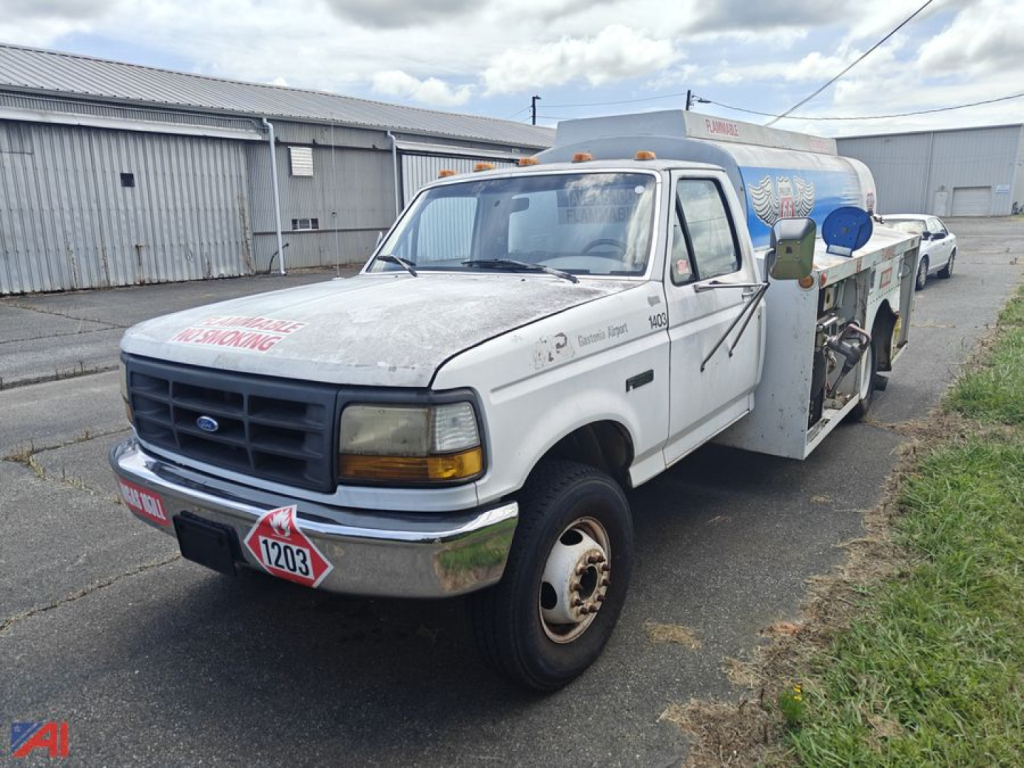

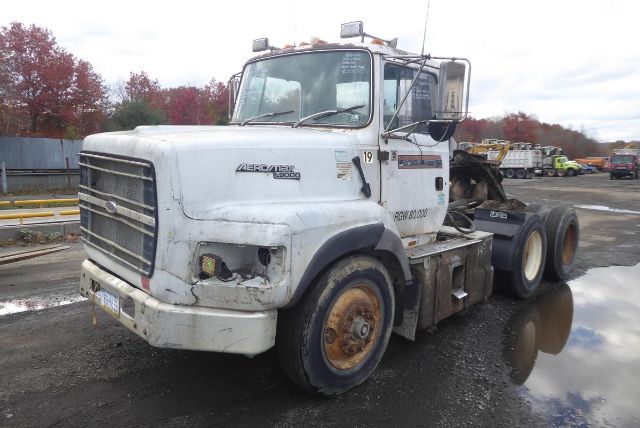
Have used 1994 ford truck to sell? List it here to reach thousands of buyers.
Used 1994 Ford Trucks
The first decision is usually truck class. In 1994, Ford offerings could include lighter F-150 and F-250 pickups, heavier F-350 chassis and cab-and-chassis setups, and medium-duty models such as the F-600, F-700, and Louisville or Aeromax-based conventionals depending on application. On lighter trucks, buyers should look closely at cab configuration, bed or service body setup, two-wheel drive versus 4x4, and gas versus diesel power. On medium-duty units, focus on GVWR, spring or air suspension, hydraulic brakes versus air brakes, PTO provisions, wheelbase, and cab-to-axle dimensions if the truck is carrying a vocational body. Those dimensions matter if the truck will be repurposed or if body replacement is part of the plan.
Powertrain and age-related condition matter more than odometer alone on a 1994 model. Many Ford trucks from this period were spec'd with durable gas V8s or mechanical diesels, paired with manual transmissions, older automatics, or heavier-duty Fuller manuals in larger trucks. Maintenance history is critical. Buyers should inspect for cooling system neglect, fuel system wear, clutch condition, driveline vibration, steering play, leaf spring fatigue, brake line corrosion, and signs of frame repair around hangers, hoists, or body mounts. Rust can be the deciding factor, especially on cab corners, floors, supports, crossmembers, and utility or dump bodies. If the truck has specialized equipment such as a PTO, wet kit, boom, liftgate, or hydraulic hoist, verify that the auxiliary systems function under load and that replacement parts are still practical to source.
A used 1994 Ford truck can still be a cost-effective choice when the job does not justify newer equipment pricing. Buyers in construction, agriculture, landscaping, towing, local delivery, and public works often look at these trucks for limited-mileage duty, yard service, backup fleet use, or rebuild projects. The best value usually comes from matching the truck's original spec to the intended workload instead of stretching an older platform beyond its design. Payload, axle capacity, gearing, tire size, and body configuration should all support the application from day one. When those basics line up, a 1994 Ford truck can still deliver practical service with straightforward maintenance and familiar parts support.
Frequently Asked Questions about Used 1994 Ford Trucks
What should I inspect first on a used 1994 Ford truck?
Start with structural and mechanical basics. Check the frame for rust, cracks, previous repairs, and signs of overloading around suspension mounts, body mounts, and hitch or pintle areas. Inspect the cab floors, cab corners, doors, and crossmembers for corrosion. Then evaluate engine cold-start behavior, blow-by, leaks, cooling system condition, transmission operation, clutch feel if manual, steering play, brake performance, and axle noise. On vocational units, test PTO and hydraulic functions because auxiliary equipment repairs can quickly exceed the value of an older truck.
Are 1994 Ford trucks good for commercial work today?
They can be, but the application matters. A 1994 Ford truck is usually best suited for farm use, local service work, seasonal duty, backup fleet use, or lower-mileage vocational jobs where mechanical simplicity is an advantage. Buyers should not assume an older truck will handle modern duty cycles without upgrades or refurbishment. Match the truck's GVWR, axle ratings, brake system, and body spec to the actual workload. If the truck has been maintained and the intended use is realistic, it can still be a dependable and economical platform.
Which specs matter most when comparing used 1994 Ford trucks?
The most important specs depend on the truck class, but buyers should consistently compare GVWR, axle configuration, engine type, transmission, wheelbase, cab-to-axle measurement, brake system, suspension, and drivetrain. On pickups and chassis cabs, bed length, cab style, and 4x4 capability are often key. On medium-duty and vocational trucks, body type, PTO setup, hoist capacity, air versus hydraulic brakes, and rear axle ratio can have a bigger impact on usability than mileage alone.
Is it easier to maintain a 1994 Ford truck than a newer diesel truck?
In many cases, yes. A 1994 Ford truck usually has fewer electronic controls and no modern diesel aftertreatment system, which can simplify diagnostics and lower repair complexity. That said, age creates its own maintenance issues. Hoses, seals, wiring, brake components, steering parts, and hydraulic systems may all need attention simply due to years in service. Parts availability is generally manageable for many common Ford truck platforms, but buyers should confirm support for specific engines, transmissions, and vocational equipment before purchase.
What kinds of bodies and applications are common on 1994 Ford trucks?
Common configurations include pickup beds, flatbeds, service bodies, dump bodies, box trucks, rollback carriers, utility trucks, and municipal or farm setups. Ford chassis from this era were widely used because they offered flexible wheelbase and cab-to-axle options for aftermarket bodies. That makes a used 1994 Ford truck a practical choice for buyers looking at straightforward work applications where a simple, purpose-built platform is more important than modern cab features.