
Used 1992 Trucks For Sale in New York
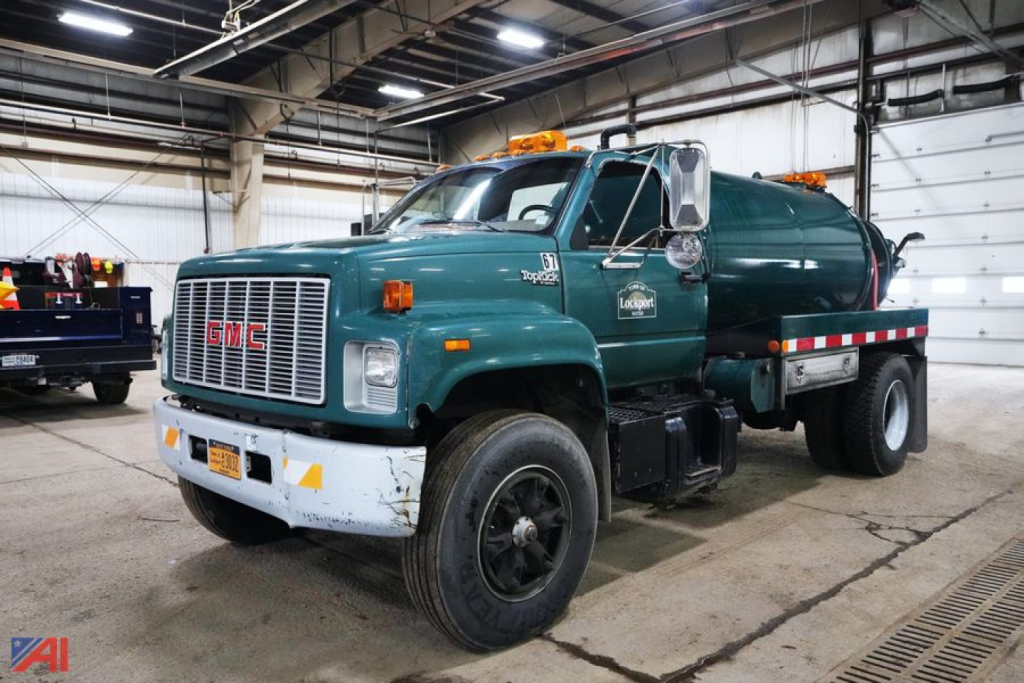
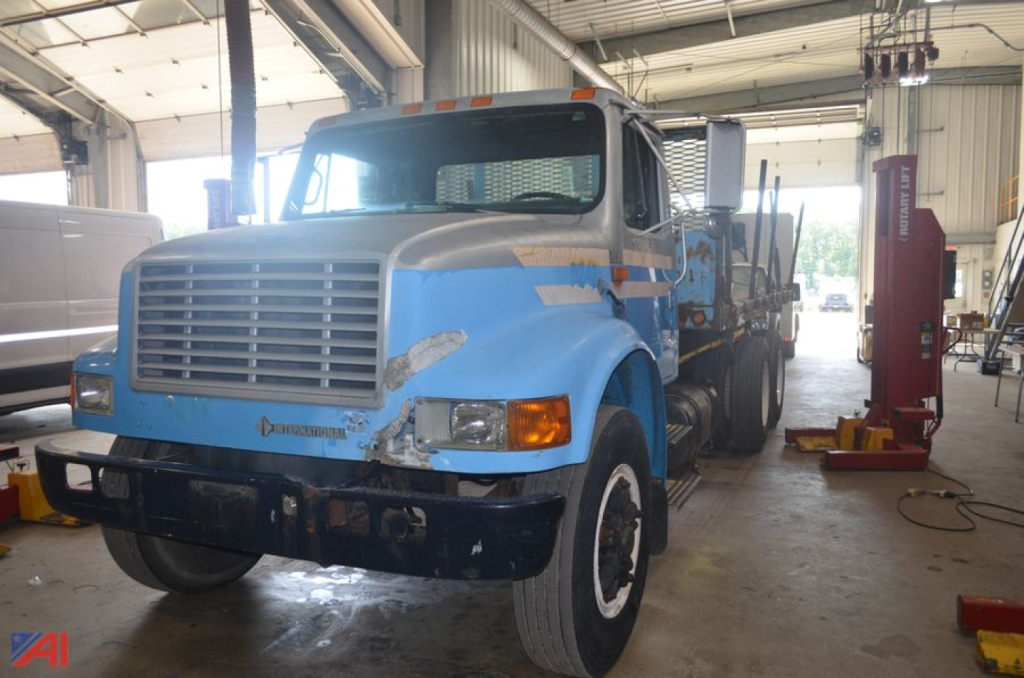
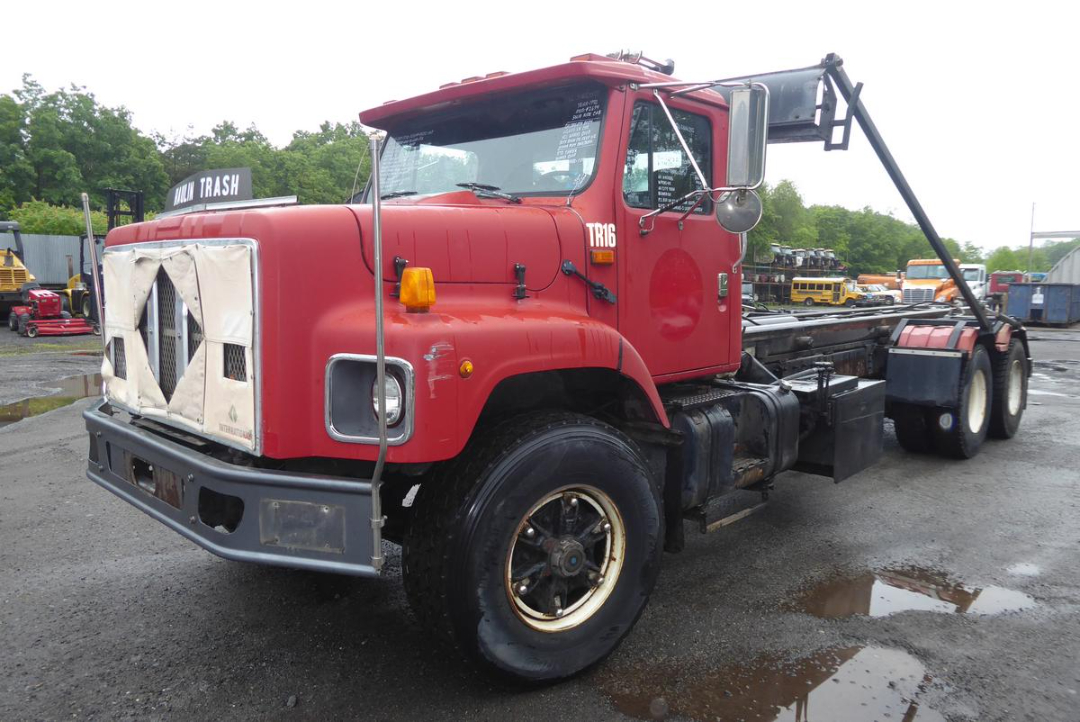
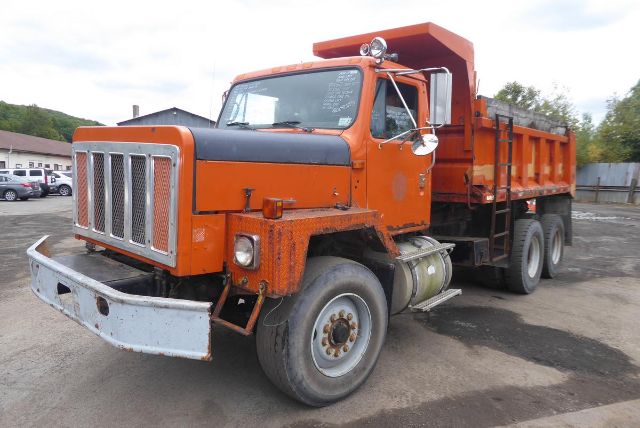
Have used 1992 truck to sell? List it here to reach thousands of buyers.
Used 1992 Trucks in New York
Specs vary widely because 1992 trucks cover everything from single-axle day cabs to tandem-axle road tractors and vocational chassis. Common configurations include 4x2 and 6x4 layouts, manual transmissions from Fuller and similar suppliers, and diesel engines from Cummins, Caterpillar, Detroit Diesel, International, and Mack depending on make and application. Buyers should verify axle ratings, wheelbase, rear ratio, suspension type, and fifth wheel setup before comparing listings. On older road tractors, rear axle ratios and transmission gearing matter more than many buyers expect because they directly affect startability, highway RPM, and the truck's usefulness for local versus regional work.
A 1992 truck can still make sense for property maintenance, ag hauling, equipment moves, container work, or occasional seasonal use, but emissions age does not remove the need for a careful inspection. Check for blow-by, coolant contamination, oil leaks at the pan and front cover, transmission synchronizer wear, differential noise, brake chamber condition, and air system leaks. If the truck has been sitting, expect additional attention to tires, batteries, seals, fuel system components, and air valves. In New York, registration class, DOT compliance needs, and local operating rules should be reviewed early, especially if the truck will cross state lines or be repurposed from one application to another.
The strongest buyers in this category usually shop with a clear use case. A lighter-duty 4x2 may be enough for yard spotting, dump service, or local delivery, while a tandem 6x4 is the better fit for heavier trailers, rougher surfaces, and higher gross weights. Parts support is still good for many major drivetrain components from this era, but cab, trim, and application-specific pieces can take more time to source. A thorough pre-purchase inspection, including cold start behavior, fluid sampling if practical, and a review of tire date codes and brake measurements, is often the difference between a low-cost work truck and a long downtime project.
Frequently Asked Questions about Used 1992 Trucks in New York
What should I inspect first on a used 1992 truck in New York?
Start with the frame and cab for rust, cracks, corrosion scaling, and previous repairs. In New York and other Northeast markets, rust around crossmembers, spring hangers, cab mounts, floors, and brake components can be more important than engine brand or mileage. After the structure, inspect the drivetrain for blow-by, oil and coolant condition, transmission operation, axle noise, and air brake performance. Older trucks can still be dependable, but structural corrosion and neglected maintenance usually create the biggest ownership costs.
Are 1992 trucks still practical for commercial use?
They can be practical for the right application. Many buyers use 1992 trucks for farm work, yard service, equipment transport, municipal tasks, seasonal hauling, or other limited-duty operations where low purchase cost matters more than modern features. The key is matching the truck's axle ratings, gearing, wheelbase, and overall condition to the intended job. For high-mileage over-the-road service, an older truck usually requires a more disciplined maintenance plan and a realistic repair budget.
Do 1992 trucks have better mechanical simplicity than newer trucks?
In many cases, yes. Trucks from this era generally have fewer electronic systems and less emissions complexity than newer models, which can make troubleshooting more straightforward for experienced owners and independent shops. That said, simplicity does not guarantee lower total cost. Age-related issues such as wiring deterioration, air leaks, worn steering parts, and parts obsolescence can offset the advantage if the truck has not been maintained well.
What specs matter most when comparing used 1992 trucks?
Focus on axle configuration, engine make and rating, transmission type, rear axle ratio, suspension, wheelbase, and gross vehicle weight rating. These core specs determine how the truck starts under load, cruises at speed, turns in tight spaces, and handles trailer or body requirements. Also verify whether the truck is a single-frame or double-frame chassis, what brake system it uses, and whether the fifth wheel or body setup fits the intended application. Older trucks vary widely, so small spec differences can have a major impact on usefulness.
Is mileage reliable on a 1992 truck?
Mileage should be treated as one data point, not the deciding factor. Odometers on older trucks may have rolled over, been replaced, or become less meaningful after decades of mixed use. Engine hours, service history, rebuild records, pedal wear, steering play, cab condition, and overall drivetrain performance often tell a more accurate story than the odometer alone. A well-maintained high-mile truck can be a better buy than a low-mile truck that sat unused and deteriorated.