
Used 1992 Trucks For Sale
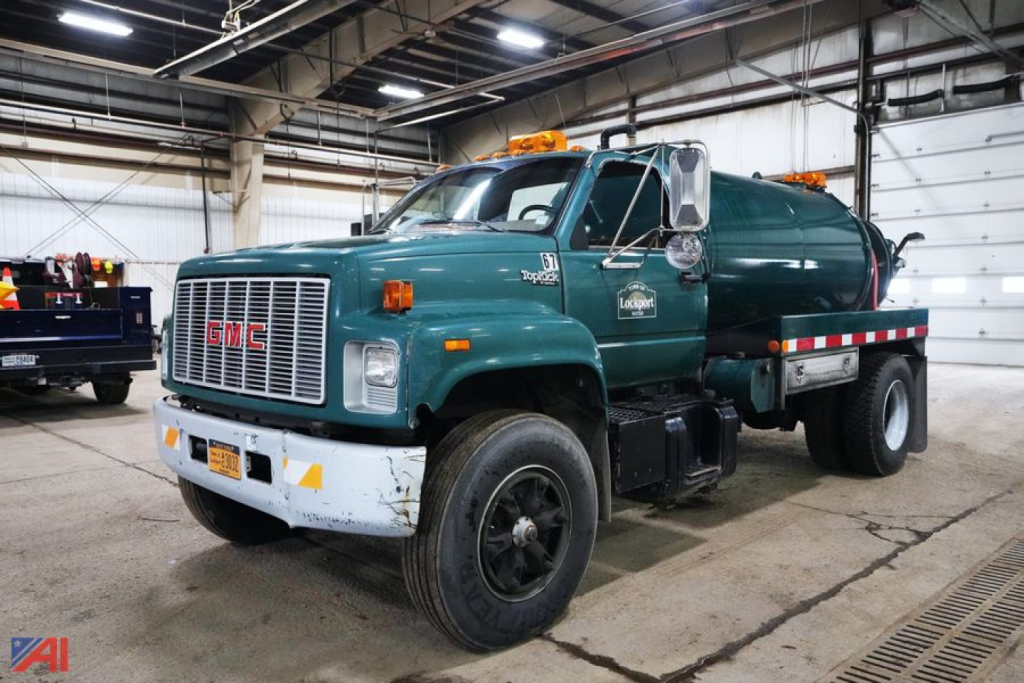
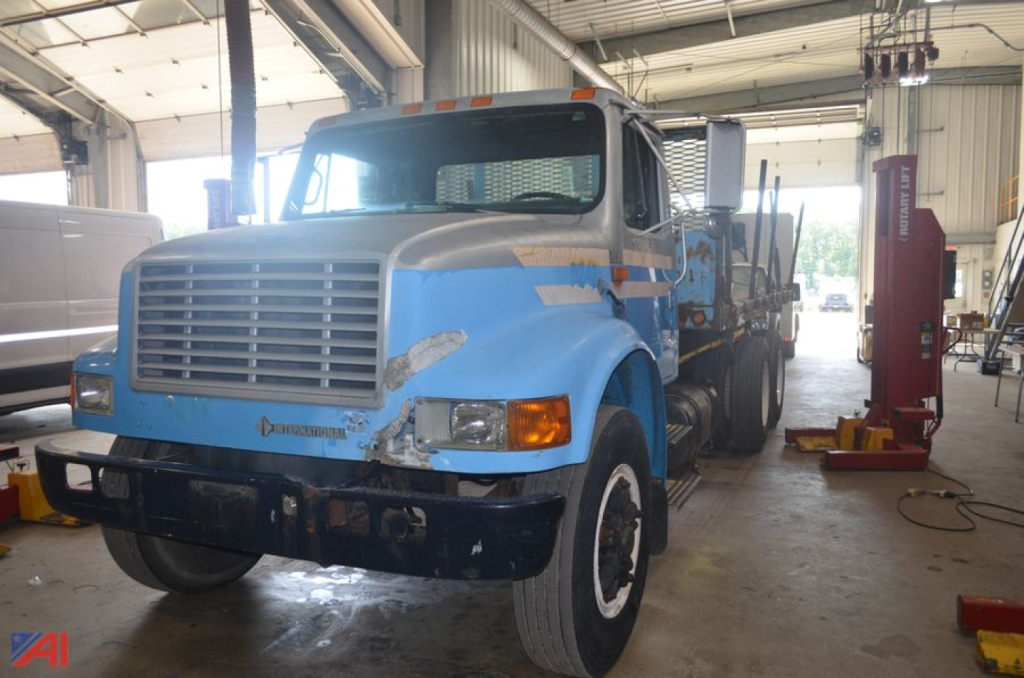
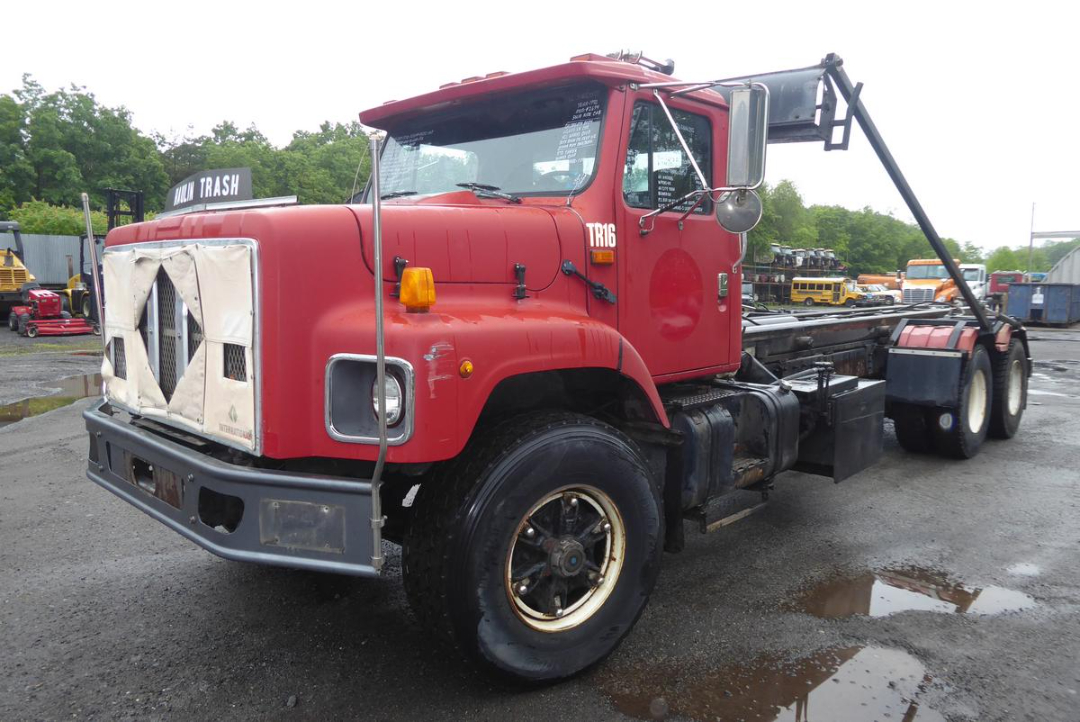
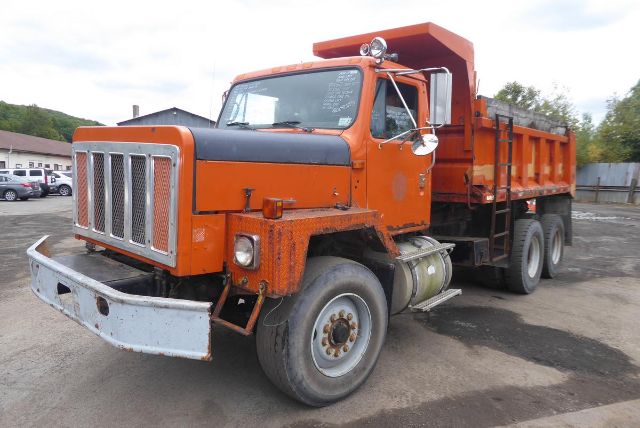
Have used 1992 truck to sell? List it here to reach thousands of buyers.
Used 1992 Trucks
On 1992 trucks, expect older diesel platforms with mechanical or early electronic fuel systems, manual transmissions being more common, and fewer emissions components than later equipment. Common items to verify include engine family, horsepower rating, transmission model, rear axle ratio, suspension type, brake configuration, wheelbase, GVWR or GCWR, and any PTO or hydraulic equipment if the truck is vocational. Frame condition matters more on older units than advertised mileage by itself. Look closely for rust, previous frame repairs, crossmember damage, spring hanger wear, steering play, kingpin wear, driveline vibration, brake chamber condition, and signs of chronic leaks around the engine, transmission, hubs, and hydraulics.
Registration and compliance can be just as important as mechanical condition. A used 1992 truck may fall into different emissions, titling, and operating rules depending on the state, intended mileage, and whether it will run on public roads, job sites, or private land. Buyers should confirm VIN accuracy, door tag data, axle ratings, and any body-builder information before purchase. If the truck is being considered for interstate work, check current DOT requirements, lighting, brake condition, tire date codes, and parts availability for older components. For vocational trucks, inspect the hoist, winch, packer, boom, pump, controls, and PTO engagement under load, not just at idle.
The value in a 1992 truck is usually in simplicity, serviceability, and fit for a narrow application. A well-kept older truck can still make sense for seasonal hauling, municipal backup duty, on-site support, or specialized body swaps where a newer chassis is not necessary. Buyers who do best in this category compare total put-in-service cost, not just sale price. Tires, brakes, hydraulic repairs, wiring cleanup, and deferred maintenance can quickly outweigh the initial savings, while a clean, correctly spec'd older truck can remain a practical asset for years.
Frequently Asked Questions about Used 1992 Trucks
What should I inspect first on a used 1992 truck?
Start with the frame, drivetrain, and any vocational equipment before focusing on cosmetics. On a 1992 truck, rust, cracks, poor repairs, fluid leaks, steering wear, brake condition, and suspension wear usually tell you more than paint or interior appearance. If it is a work truck with a dump body, hooklift, roll-off, service body, or other hydraulic system, test the PTO and hydraulics under load and inspect cylinders, hoses, pins, and controls for wear or leakage.
Are 1992 trucks still practical for commercial use?
They can be practical if the application is right and the truck is compliant where it will operate. Many buyers use older trucks for farm work, local hauling, private property, municipal backup service, or specialized vocational jobs where annual mileage is limited. The key is matching the truck's age, spec, and legal status to the intended use, then budgeting for the repairs and updates needed to put it into dependable service.
Do older 1992 diesel trucks have advantages over newer models?
One advantage is simpler mechanical design. Many 1992 trucks have fewer emissions-related systems and less electronic complexity than later models, which can make diagnosis and repair more straightforward in some cases. That does not automatically make them cheaper to own, because parts availability, age-related wear, outdated brake or suspension components, and wiring issues can offset the simplicity.
What paperwork matters most when buying a used 1992 truck?
Confirm the title status, VIN plate, door tag, axle ratings, GVWR, and any body serial or builder information. For trucks that may see public-road use, verify that the specifications on the paperwork match the actual truck, especially if it has had an engine swap, body swap, or axle changes during its life. Service records, prior inspections, and documentation of major repairs are especially valuable on older trucks because they help establish how the unit was maintained.
How do I judge value on a 1992 truck?
Value comes from condition, completeness, and how much reconditioning the truck needs before it can work. A lower-priced unit may require tires, brakes, injectors, clutch work, hydraulic repairs, electrical repairs, or rust remediation that quickly changes the real cost. Compare sale price against total put-in-service cost, including transport, inspection, registration, repairs, and downtime risk, then weigh that against how many hours or miles the truck is expected to produce each year.