
Used 1990 Commercial Trucks For Sale in New York
Browse used 1990 trucks for sale in New York, including day cabs, box trucks, and cab & chassis units for local, vocational, and fleet use.
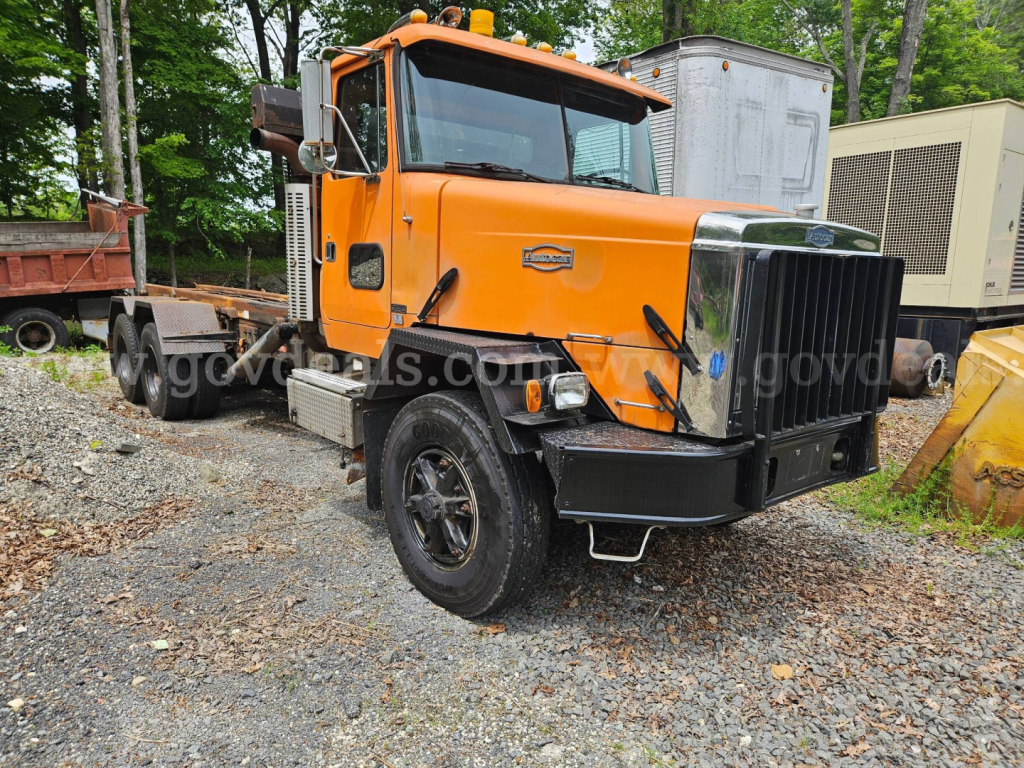
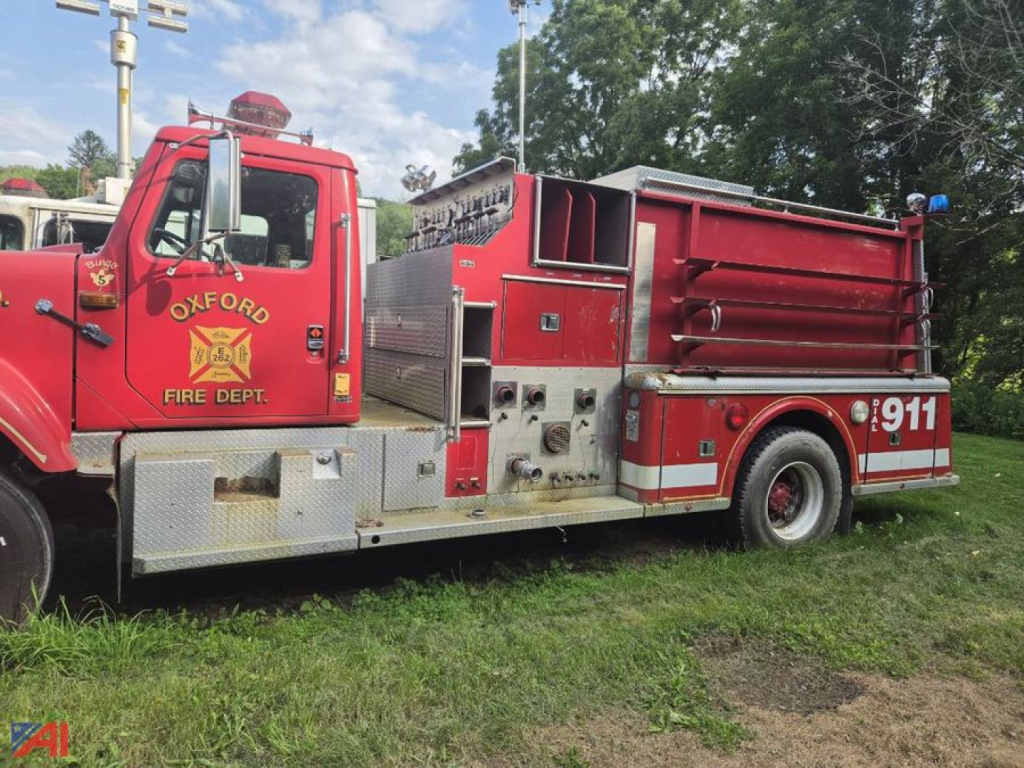
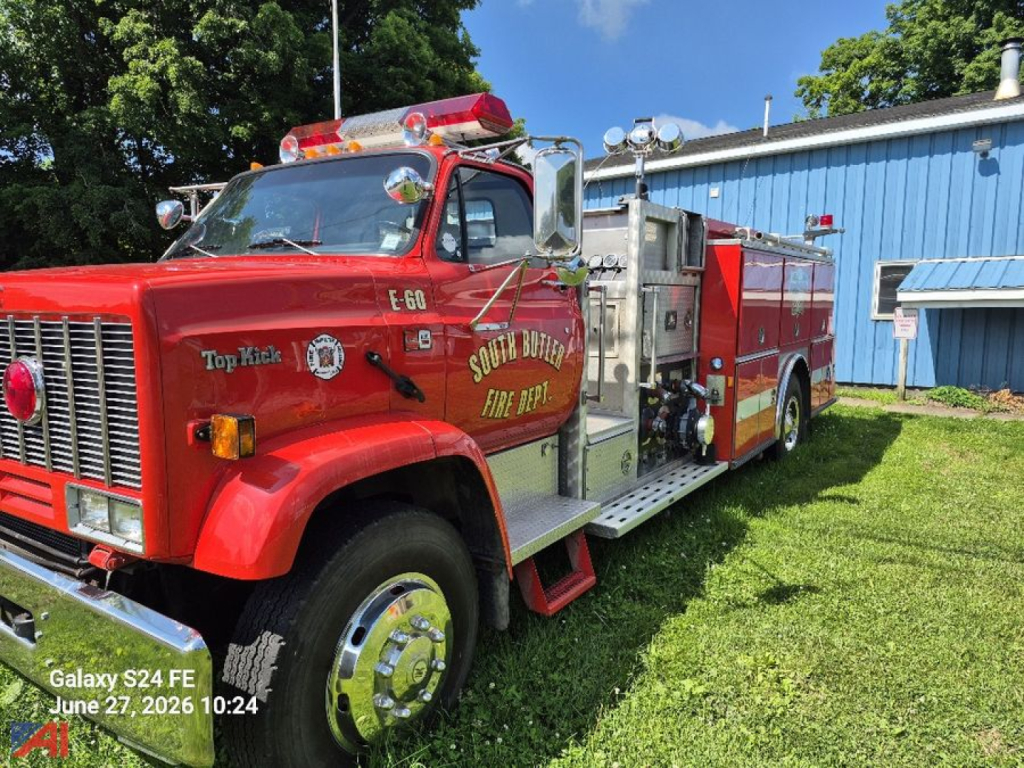
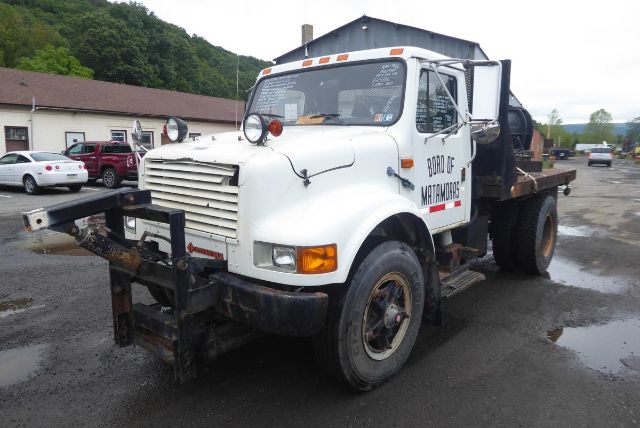
Have used 1990 commercial truck to sell? List it here to reach thousands of buyers.
Used 1990 Commercial Trucks in New York
Frequently Asked Questions about Used 1990 Commercial Trucks in New York
What should I inspect first on a used 1990 truck?
Start with the frame, cab mounts, crossmembers, spring hangers, brake system, steering components, and driveline. On a 1990 truck, rust, previous repairs, and neglected maintenance usually matter more than odometer mileage. Engine blow-by, cold-start behavior, transmission engagement, axle noise, and air system build time are also key indicators of real condition.
Are 1990 trucks still practical for commercial work?
They can be practical when matched to the right job. A 1990 truck is often best suited for lower-mileage regional use, farm work, yard spotting, municipal duty, seasonal work, or specialized vocational service where simple systems and lower purchase price are more important than modern driver amenities. Buyers should expect more ongoing maintenance than with newer equipment.
Do 1990 trucks have easier drivetrains to maintain than newer trucks?
In many cases, yes. Many 1990 trucks use mechanical or early electronic diesel engines, straightforward manual transmissions, and less complex aftertreatment-free configurations compared with later models. That simplicity can reduce diagnostic complexity, but parts availability varies by make, engine, and axle manufacturer, so support should be confirmed before purchase.
What truck types are common in the used 1990 market?
Common configurations include conventional day cabs, box trucks, cab and chassis units, dump truck platforms, and vocational tandem axle trucks. Buyers will also see a mix of 4x2 and 6x4 setups, manual and automatic transmissions, spring or air ride suspension, and front axle ratings ranging from medium-duty classes up to heavy vocational specifications.
Why does location in New York matter when buying an older truck?
New York use can mean added exposure to road salt, freeze-thaw cycles, and corrosion on frames, brake lines, wiring, fuel tanks, and cab structures. A buyer should inspect underside rust carefully and look for patchwork repairs, especially around suspension mounts and crossmembers. Local title, registration, and inspection requirements should also be reviewed before purchase.